


The New York Times Connections puzzle challenges players to sort 16 seemingly unrelated words into four connected groups. Each group shares a hidden link. Today’s grid blends physical actions, clever rearrangements, and nostalgic references, making it both playful and slightly deceptive. Below you’ll find gentle hints to guide your thinking, followed by the complete solutions once you’re ready to check your work.
NYT Connections Puzzle Overview: 09 October 2026
Today’s Connections grid features several words that can initially fit into more than one category, making the grouping process tricky. Sports fans may spot one set quickly, while the television-related words provide another clear connection. The remaining groups rely on recognizing synonyms and a familiar phrase.
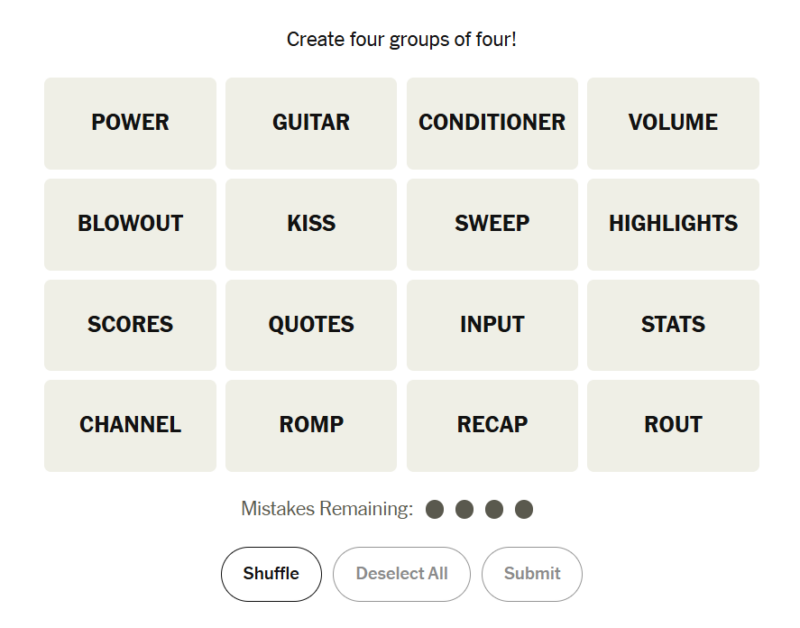
NYT Connections Hints: 09 October 2026
Category 1:
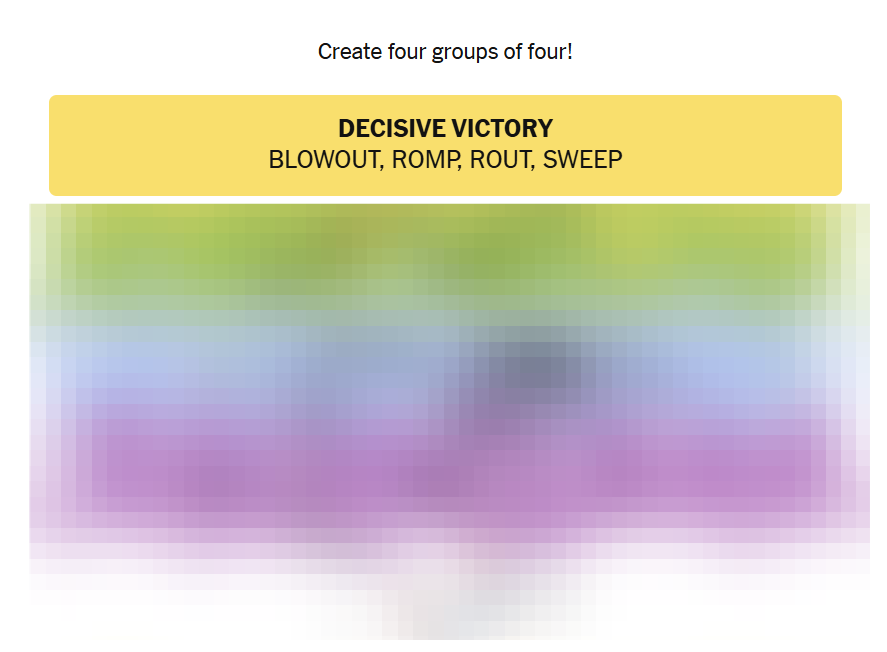
- Think of ways to describe winning by a large margin.
- These terms can describe a one-sided contest.
- They are commonly used in sports and competitions.
- The group is about winning convincingly.
Category 2:
- Think about buttons or settings found on a television remote.
- One relates to what appears on the screen.
- Another controls sound.
- The remaining terms relate to selecting a source and controlling the television itself.
Category 3:
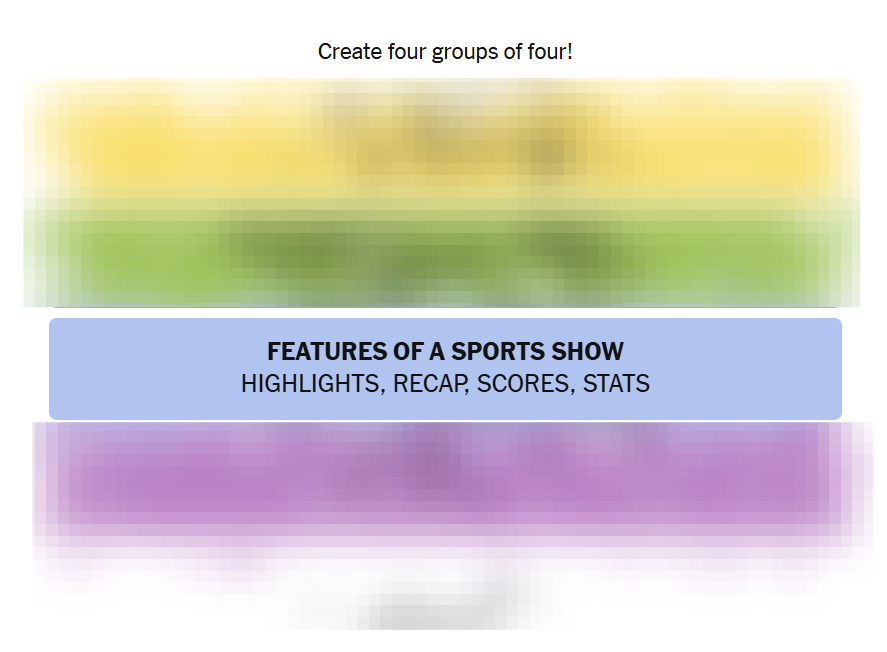
- Think about information commonly presented during sports coverage.
- One focuses on notable moments from a game.
- Another summarizes what happened.
- The final two provide numerical information about a contest or players.
Category 4:
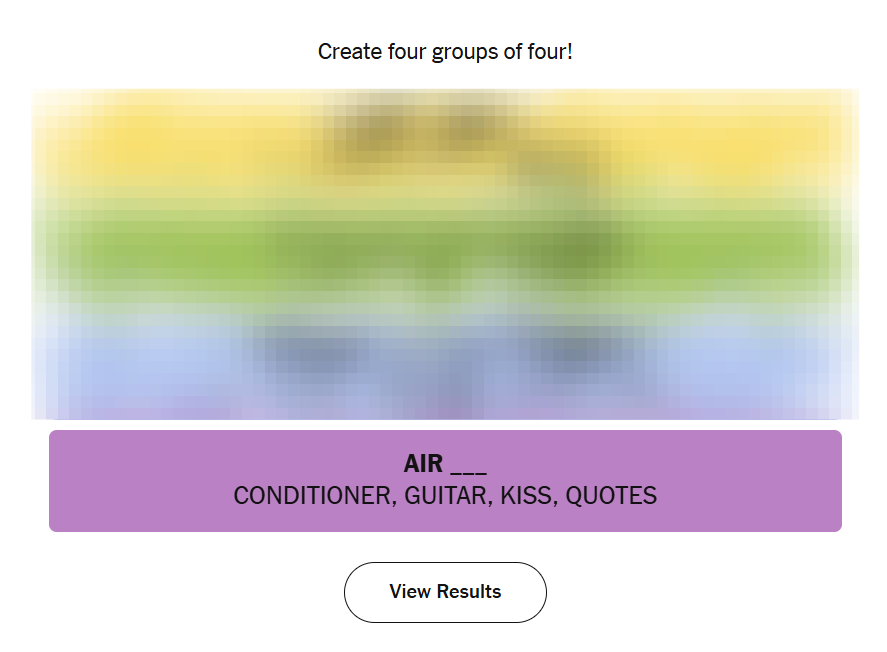
- Think of words that can follow “Air.”
- The completed phrases are familiar expressions or names.
- One relates to cooling a room.
- Others connect to music, romance, and spoken or written statements.
NYT Connections Answers: 09 October 2026
Here are the answers, grouped by category.
Category 1:
Category 2:

Category 3:
Category 4:
Conclusion & Quick Strategy Tip
The 09 October 2026 Connections puzzle balances straightforward action words with trickier conceptual links, making it satisfying once everything clicks. Quick strategy tip: lock in obvious verb groups early, then examine remaining words for structural patterns or shared cultural references.






Leave a Reply