

The New York Times Connections puzzle challenges players to sort 16 seemingly unrelated words into four connected groups. Each group shares a hidden link. Today’s grid blends physical actions, clever rearrangements, and nostalgic references, making it both playful and slightly deceptive. Below you’ll find gentle hints to guide your thinking, followed by the complete solutions once you’re ready to check your work.
NYT Connections Puzzle Overview: 08 September 2026
Today’s Connections puzzle leans heavily into verb-based thinking and lateral associations. Some groupings feel intuitive, while others rely on spotting patterns beyond surface meanings. The anagram set is especially tempting early on, while the final category rewards solvers who recall classic childhood games.
NYT Connections Hints: 08 September 2026
Category 1:
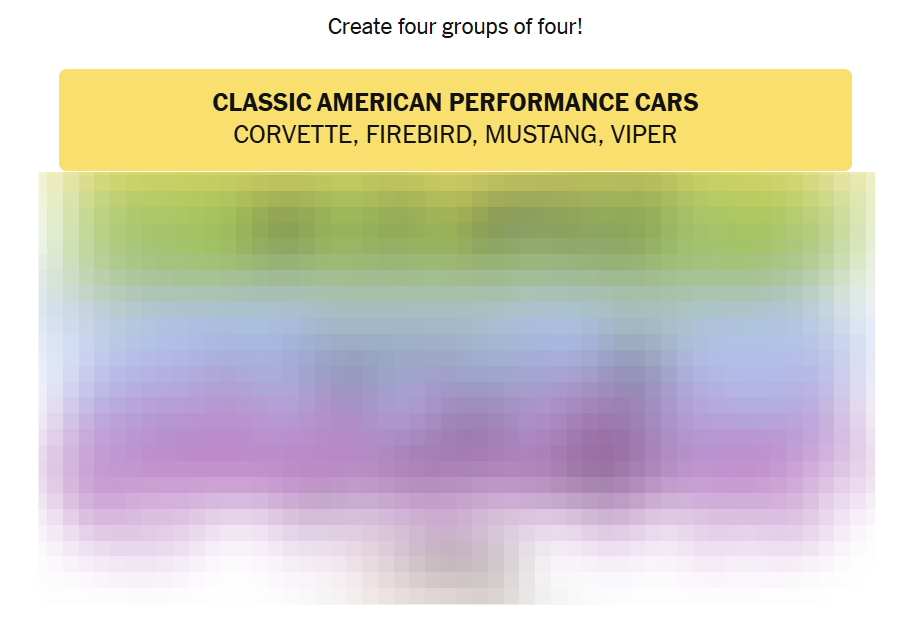
- Think of iconic American cars.
- These vehicles have strong performance reputations.
- Several are associated with famous muscle-car or sports-car names.
- One group member is an iconic Chevrolet model.
Category 2:
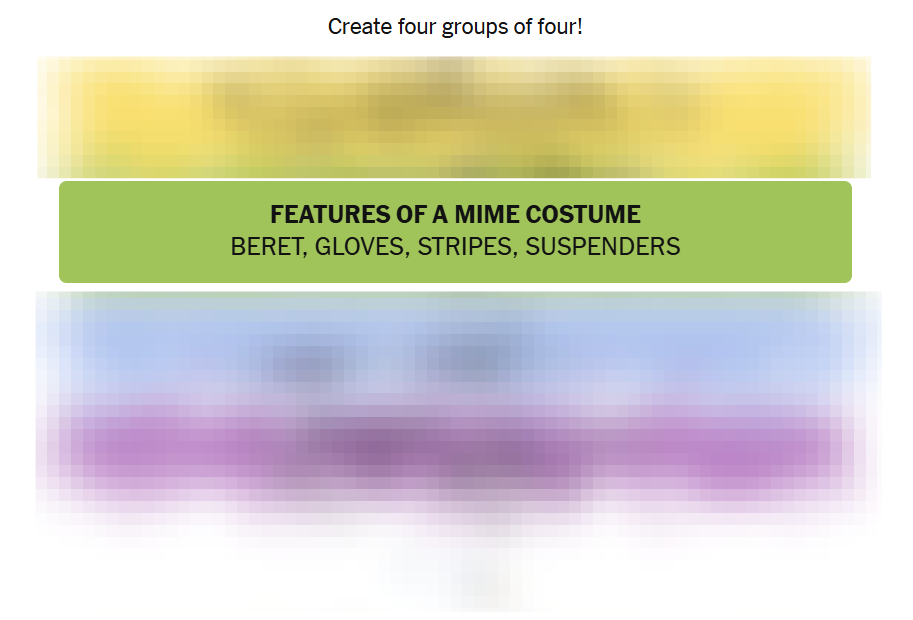
- Think of a classic theatrical costume.
- The group is associated with silent performance.
- Black-and-white visual styling is a useful clue.
- Look for clothing and accessories commonly linked with mimes.
Category 3:
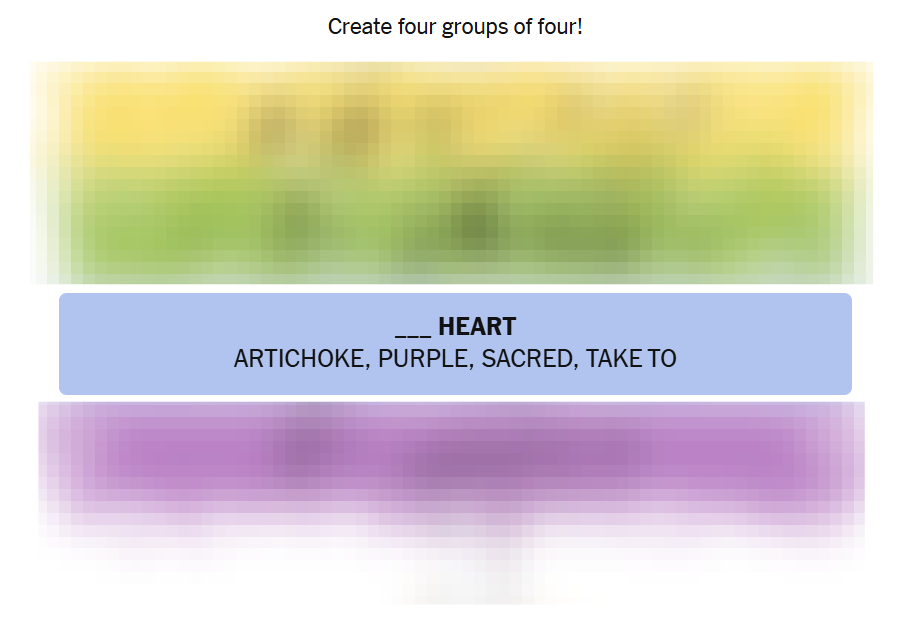
- All four can come before or after the same body-related word.
- The missing word is an organ associated with emotions.
- One phrase involves taking something emotionally.
- Another refers to a religious symbol.
Category 4:
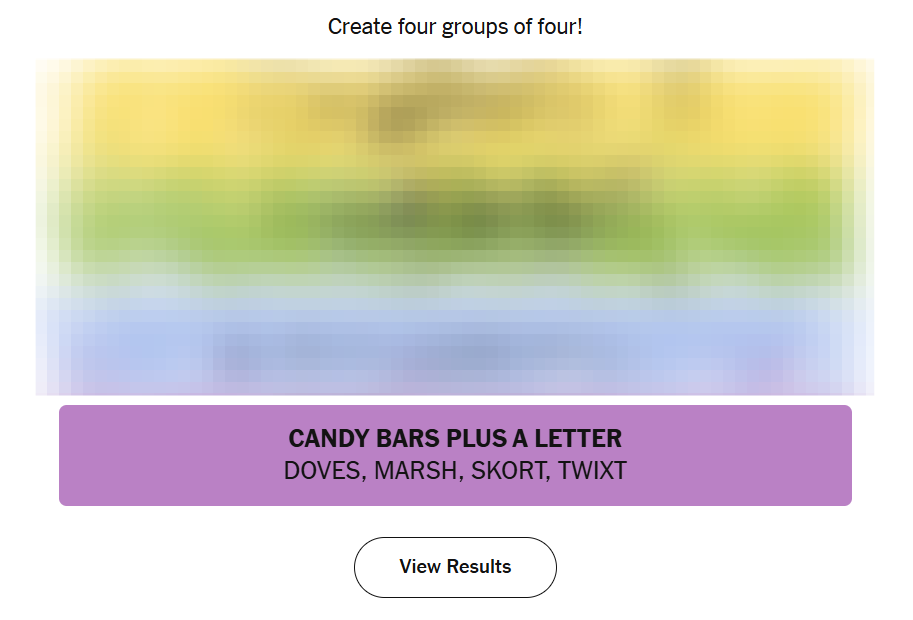
- Think about familiar candy-bar names.
- Each word begins with the name of a candy bar.
- An extra letter changes the original candy name.
- Look for words that can be made by adding one letter to a candy bar name.
NYT Connections Answers: 08 September 2026
Here are the answers, grouped by category.
Category 1:
Category 2:
Category 3:
Category 4:
Conclusion & Quick Strategy Tip
The 08 September 2026 Connections puzzle balances straightforward action words with trickier conceptual links, making it satisfying once everything clicks. Quick strategy tip: lock in obvious verb groups early, then examine remaining words for structural patterns or shared cultural references.
Leave a Reply