


The New York Times Connections puzzle challenges players to sort 16 seemingly unrelated words into four connected groups. Each group shares a hidden link. Today’s grid blends physical actions, clever rearrangements, and nostalgic references, making it both playful and slightly deceptive. Below you’ll find gentle hints to guide your thinking, followed by the complete solutions once you’re ready to check your work.
NYT Connections Puzzle Overview: 04 September 2026
Today’s Connections puzzle features four very different types of associations. Some groups are relatively straightforward once the right theme appears, while others rely on wordplay and visual or linguistic connections. The food category and eel group provide useful footholds, but the final category may require a closer look at the letters within each word.
NYT Connections Hints: 04 September 2026
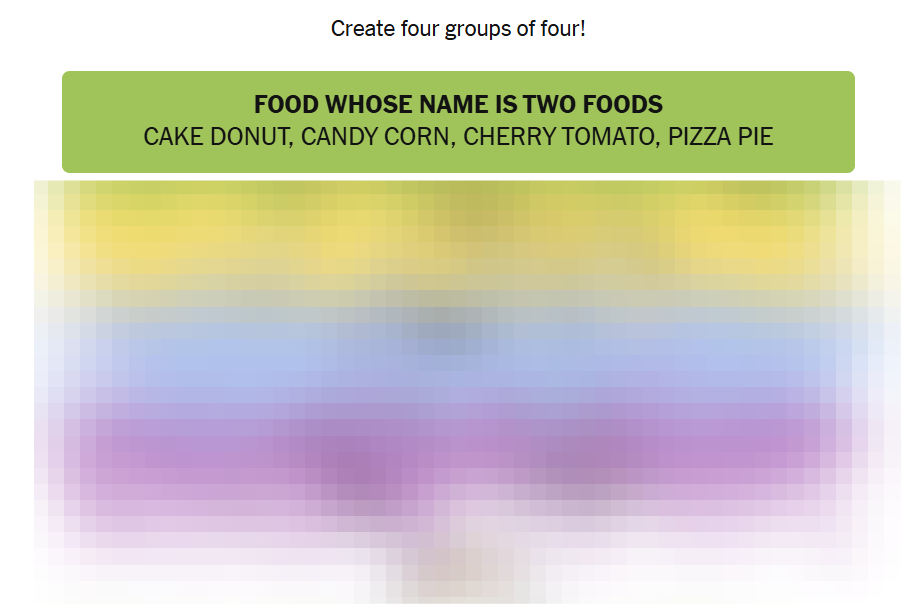
Category 1:
- Think of things you might order or eat.
- Each answer combines the names of two different foods.
- Look for familiar food terms hiding within longer names.
- The resulting phrases are recognizable food items.
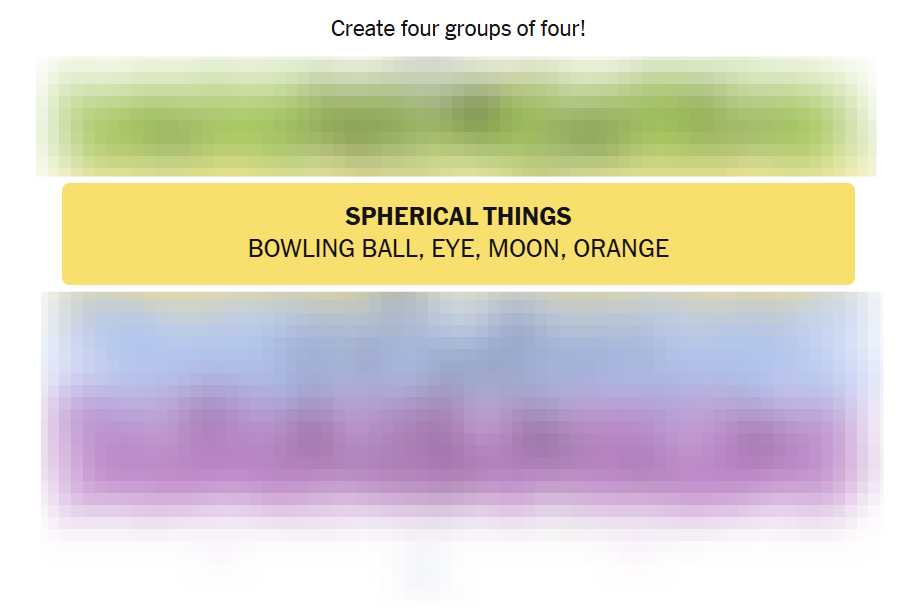
Category 2:
- Think of objects or things that are round.
- Each answer can describe something roughly spherical.
- One answer is something found in the sky.
- Another is a common fruit.
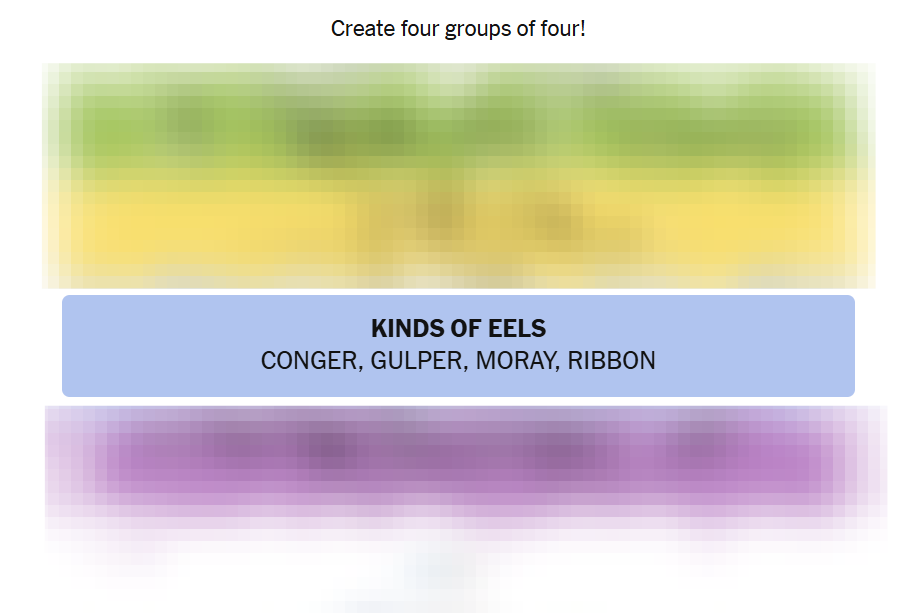
Category 3:
- These are aquatic animals.
- They have long, slender bodies.
- Think of creatures related to fish.
- Their names include several distinctive varieties.
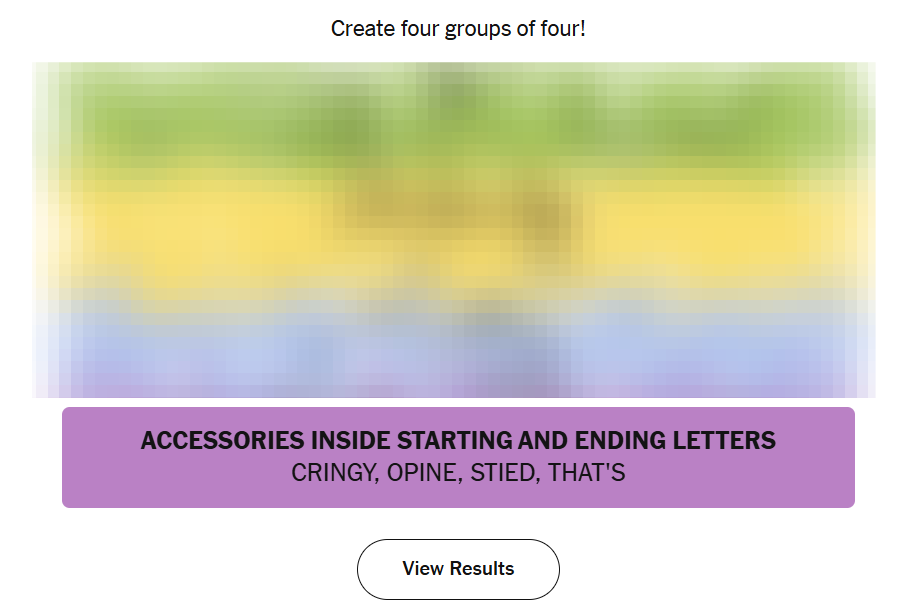
Category 4:
- Pay attention to the letters at the beginning and end.
- Each word contains a hidden accessory.
- Look for an item of jewelry or something worn with an outfit.
- The key is to examine what sits inside the first and last letters.
NYT Connections Answers: 04 September 2026
Here are the answers, grouped by category.
Category 1:
Category 2:
Category 3:
Category 4:
Conclusion & Quick Strategy Tip
The 04 September 2026 Connections puzzle balances straightforward action words with trickier conceptual links, making it satisfying once everything clicks. Quick strategy tip: lock in obvious verb groups early, then examine remaining words for structural patterns or shared cultural references.






Leave a Reply