


The New York Times Connections puzzle challenges players to sort 16 seemingly unrelated words into four connected groups. Each group shares a hidden link. Today’s grid blends physical actions, clever rearrangements, and nostalgic references, making it both playful and slightly deceptive. Below you’ll find gentle hints to guide your thinking, followed by the complete solutions once you’re ready to check your work.
NYT Connections Puzzle Overview: 04 October 2026
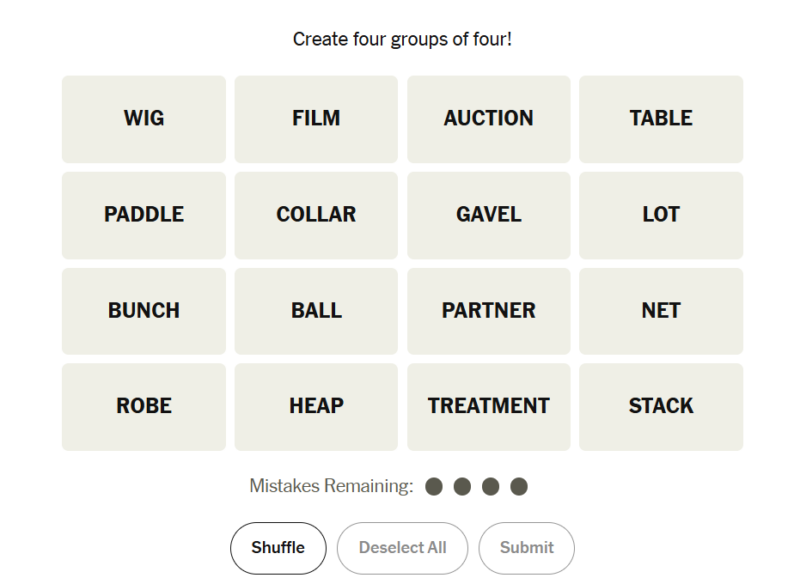
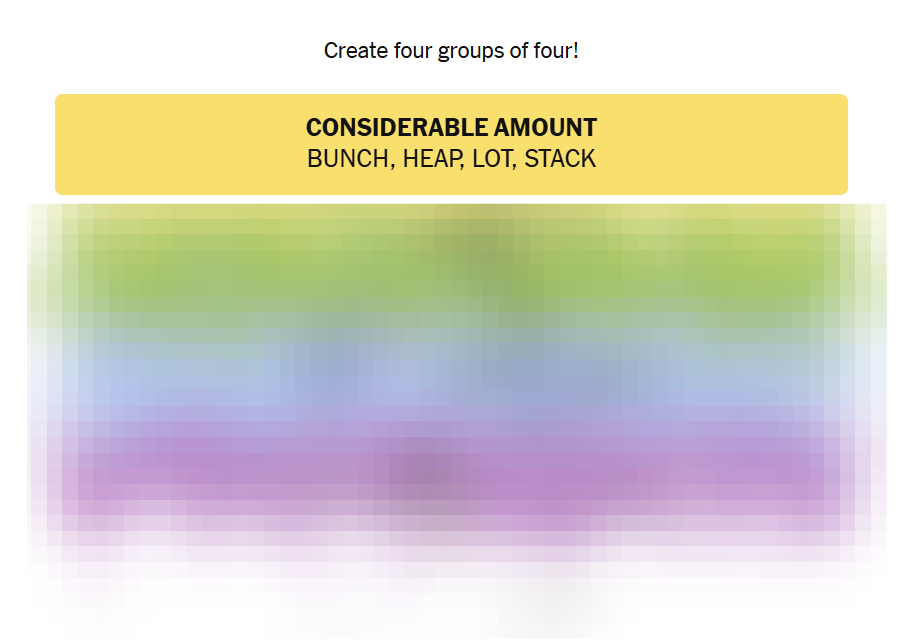
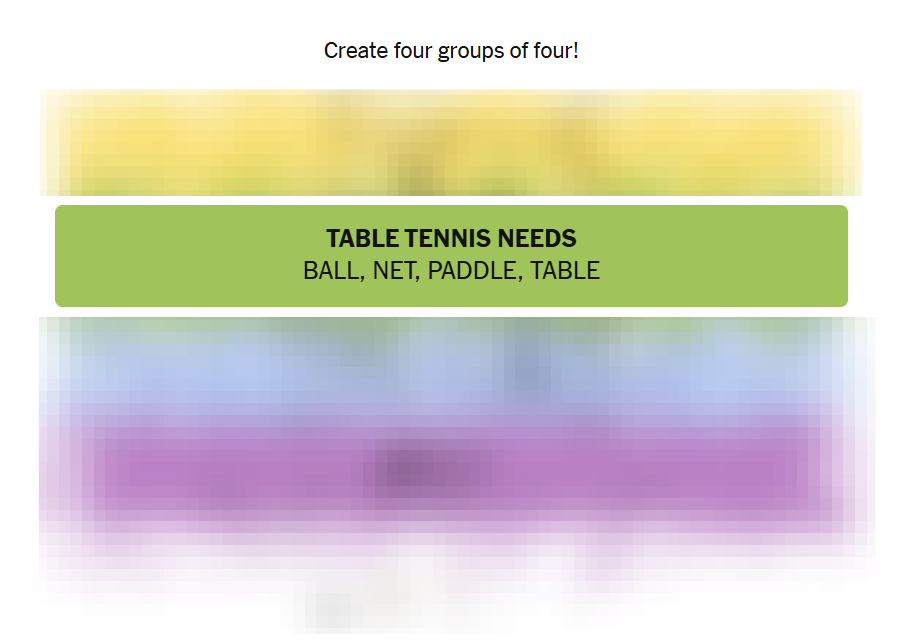
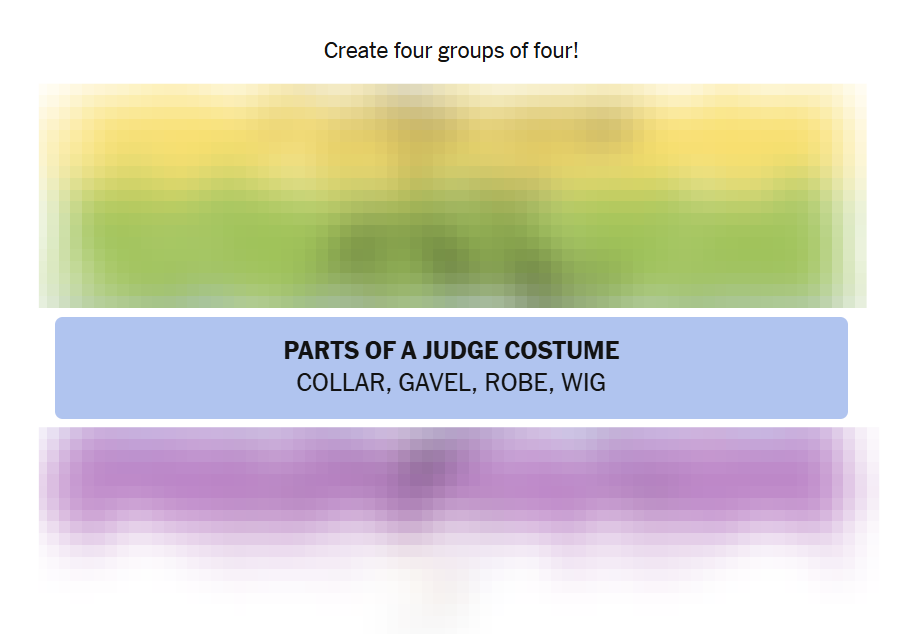
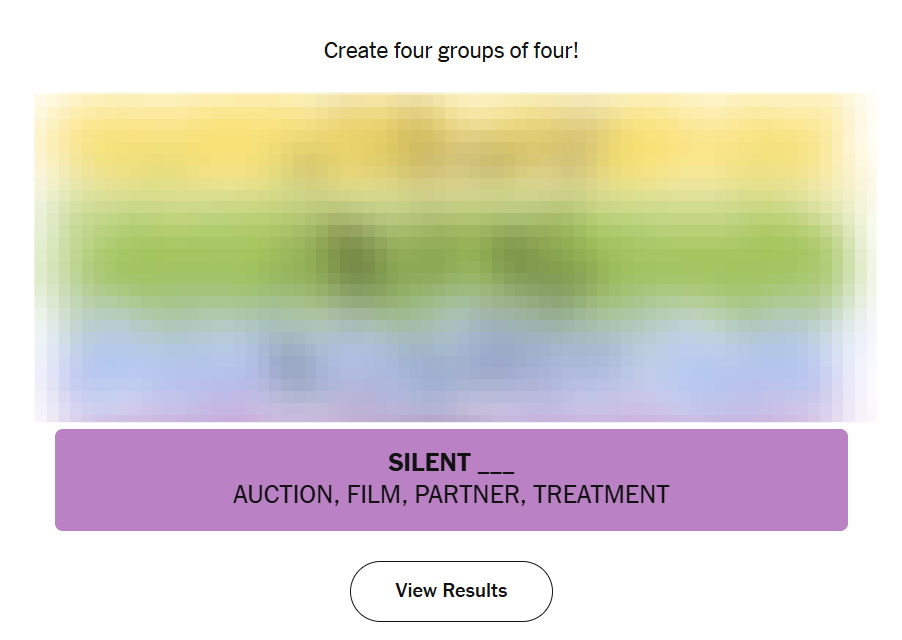
Today’s grid has several straightforward connections, but the wording creates opportunities for misdirection. One group focuses on a considerable amount, while another contains the essentials of a table tennis setup. The remaining groups revolve around courtroom attire and expressions that can follow “silent.”
NYT Connections Hints: 04 October 2026
Category 1:
- Think of words that can describe a large quantity.
- These terms can refer to a sizable collection.
- The category is about having plenty of something.
- One word can also describe a pile or collection.
Category 2:
- Think about the equipment used in a popular indoor sport.
- The sport involves hitting a small ball back and forth.
- A playing surface and a barrier are included.
- The category contains four basic components of the game.
Category 3:
- Think about what might be seen in a courtroom.
- The category is connected to a judge.
- Some of these items are worn.
- Another item is used to make a distinctive courtroom sound.
Category 4:
- Think about words that can follow “silent.”
- The resulting phrases are familiar expressions.
- The category includes forms of entertainment and communication.
- Each word creates a phrase associated with being quiet or unspoken.
NYT Connections Answers: 04 October 2026
Here are the answers, grouped by category.
Category 1:
Category 2:
Category 3:
Category 4:
Conclusion & Quick Strategy Tip
The 04 October 2026 Connections puzzle balances straightforward action words with trickier conceptual links, making it satisfying once everything clicks. Quick strategy tip: lock in obvious verb groups early, then examine remaining words for structural patterns or shared cultural references.






Leave a Reply