


The New York Times Connections puzzle challenges players to sort 16 seemingly unrelated words into four connected groups. Each group shares a hidden link. Today’s grid blends physical actions, clever rearrangements, and nostalgic references, making it both playful and slightly deceptive. Below you’ll find gentle hints to guide your thinking, followed by the complete solutions once you’re ready to check your work.
NYT Connections Puzzle Overview: 03 October 2026
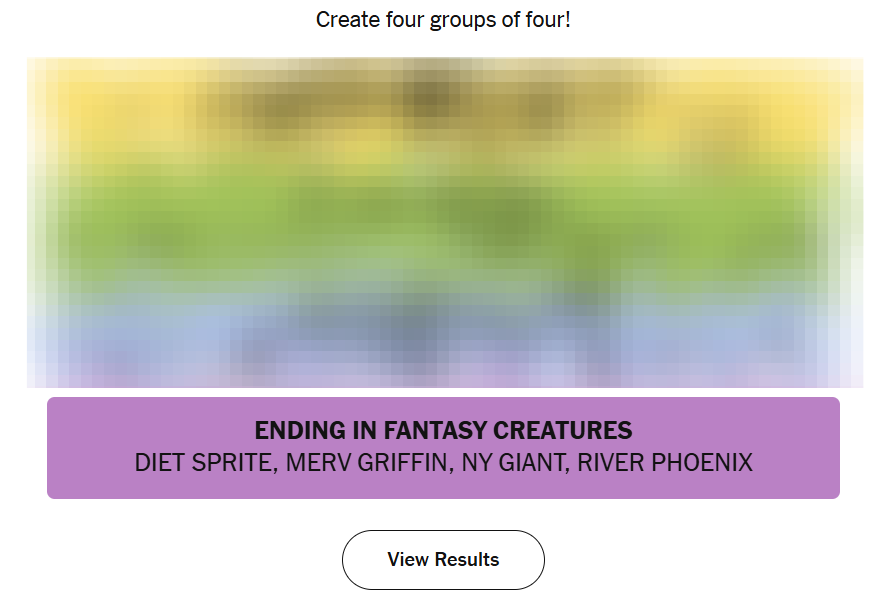
The October 3 Connections puzzle features four distinct wordplay patterns, with groups built around terms for “toilet,” musicals, U.S. museums, and fantasy creatures. Several entries can initially fit multiple categories, making the grid a tricky test of association and careful grouping.
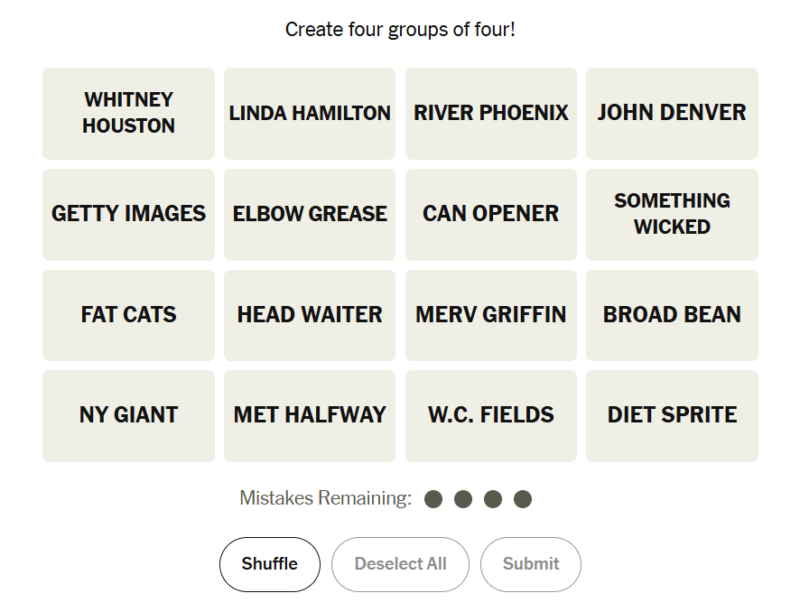
NYT Connections Hints: 03 October 2026
Category 1:
- Think of different ways to refer to a bathroom fixture.
- Each answer can follow a common phrase or name.
- One clue involves a famous American singer.
- Another connects to a well-known actor.
Category 2:
- These entries can be completed by adding the title of a stage musical.
- Look for familiar names associated with Broadway productions.
- Some clues may initially look like ordinary phrases.
- The completed expressions are all musical titles.
Category 3:
- These clues can be completed with the names of American museums.
- Think of major cultural institutions in the United States.
- Some entries are associated with famous museums or galleries.
- The key is to recognize the museum name hidden after the given word.
Category 4:
- These entries can be completed with names of creatures from fantasy.
- Think mythical beings rather than ordinary animals.
- Some answers come from famous fantasy stories and folklore.
- Look for a creature name that naturally completes each phrase.
NYT Connections Answers: 03 October 2026
Here are the answers, grouped by category.
Category 1:
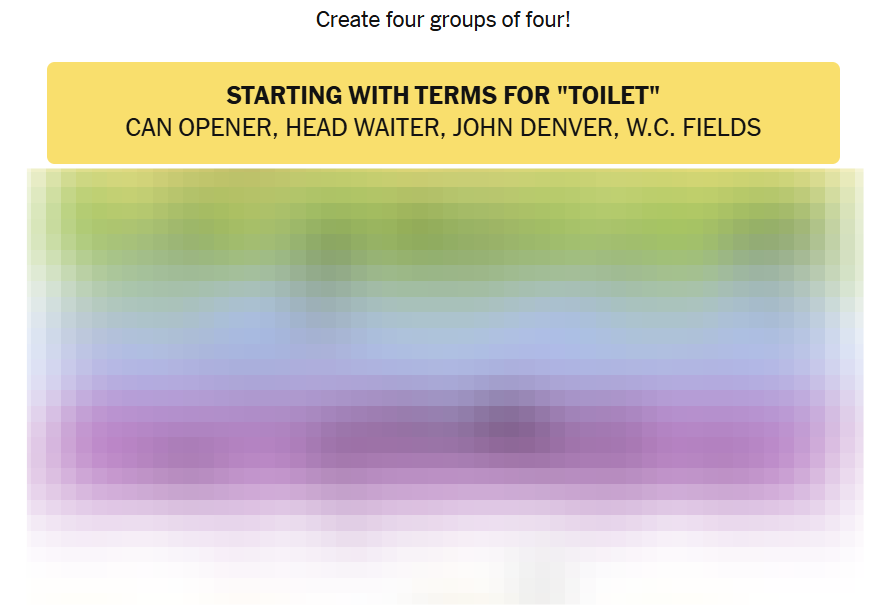
Category 2:
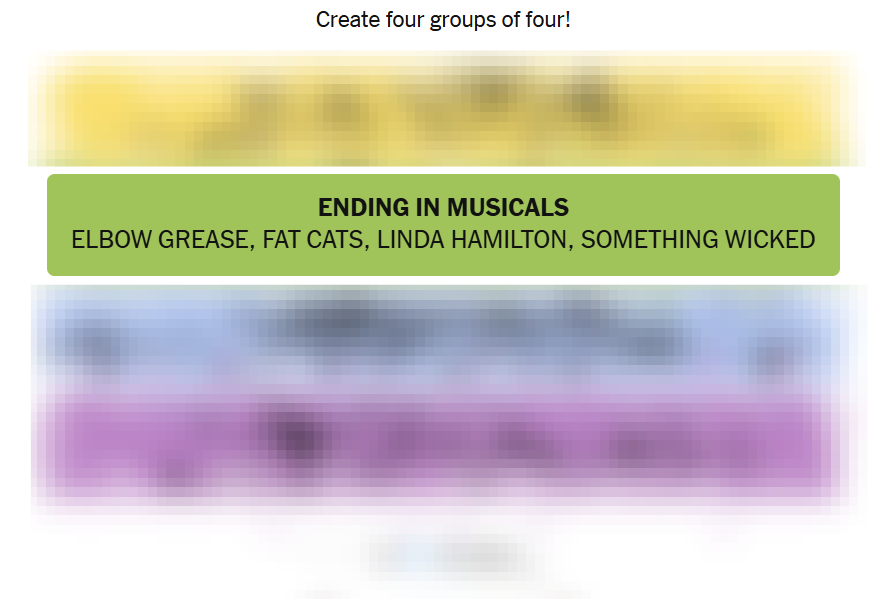
Category 3:
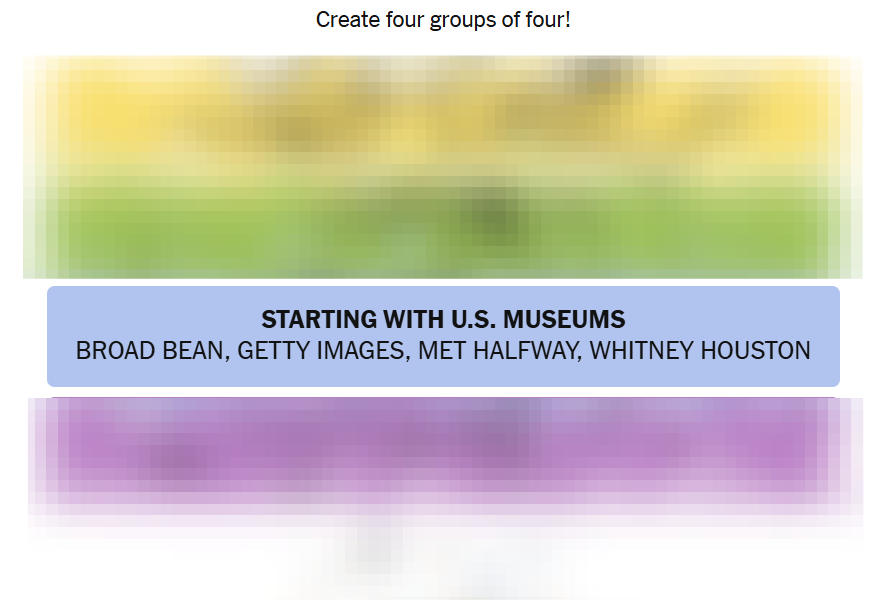
Category 4:
Conclusion & Quick Strategy Tip
The 03 October 2026 Connections puzzle balances straightforward action words with trickier conceptual links, making it satisfying once everything clicks. Quick strategy tip: lock in obvious verb groups early, then examine remaining words for structural patterns or shared cultural references.






Leave a Reply