


The New York Times Connections puzzle challenges players to sort 16 seemingly unrelated words into four connected groups. Each group shares a hidden link. Today’s grid blends physical actions, clever rearrangements, and nostalgic references, making it both playful and slightly deceptive. Below you’ll find gentle hints to guide your thinking, followed by the complete solutions once you’re ready to check your work.
NYT Connections Puzzle Overview: 02 October 2026
Today’s Connections grid features four different types of associations, with some groups being more straightforward than others. Familiar words can fit multiple possible categories, making careful grouping important. The puzzle mixes everyday language with a few phrase-based connections, creating a challenge that rewards spotting the exact relationship between four words.
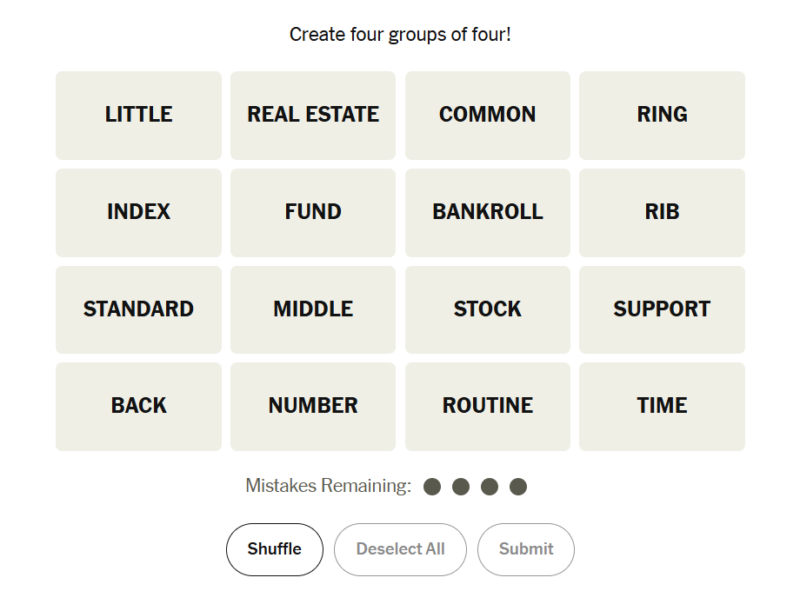
NYT Connections Hints: 02 October 2026
Category 1:
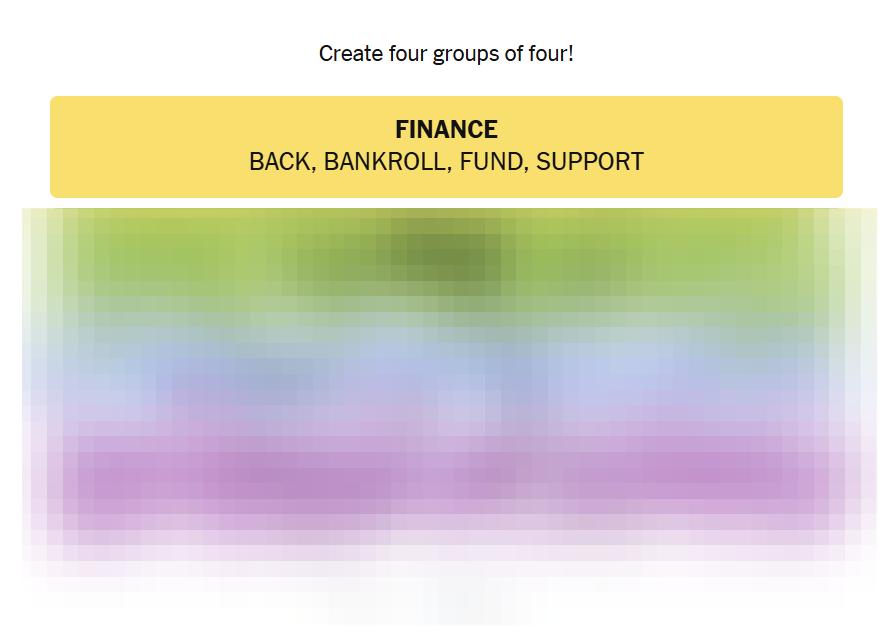
- These words can relate to providing financial assistance.
- They can describe helping someone financially.
- One can also refer to money set aside for a project.
- Think about funding, backing, or financial resources.
Category 2:
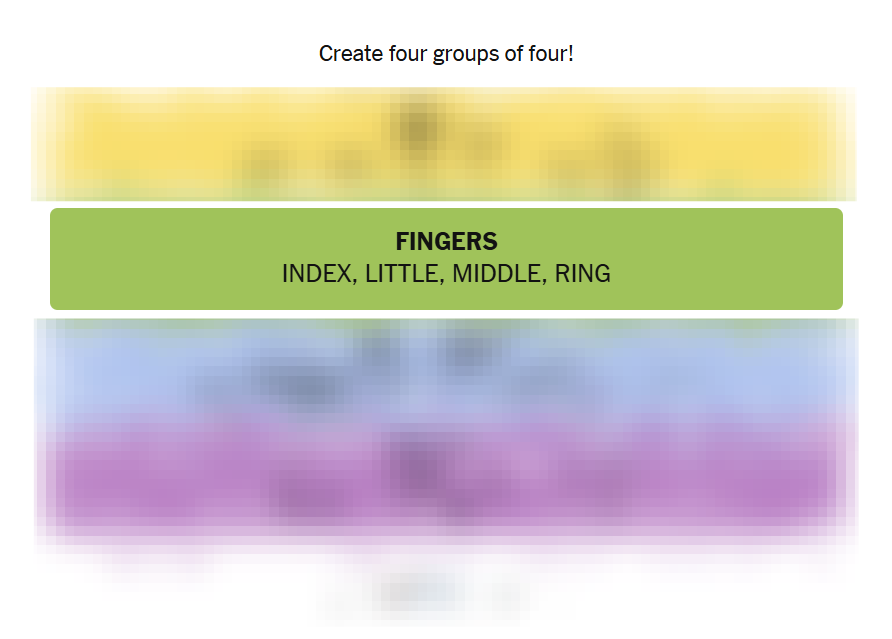
- These are all associated with parts of the hand.
- Each word can identify a particular finger.
- Consider the names used when describing hand anatomy.
- One of these is commonly associated with jewelry.
Category 3:
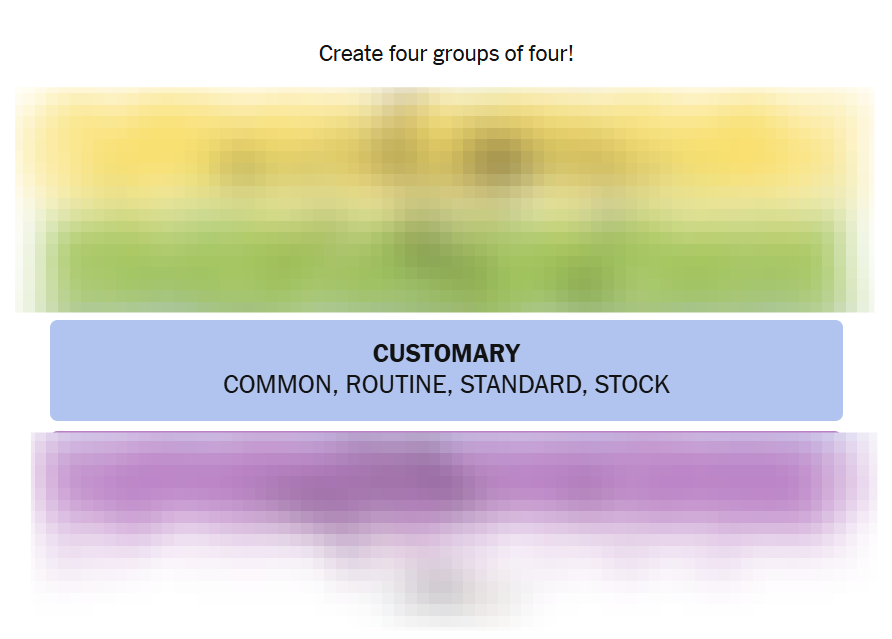
- These words describe something ordinary or established.
- They can refer to something that happens regularly.
- Think about something usual rather than unusual.
- One can also describe something kept in a store or warehouse.
Category 4:
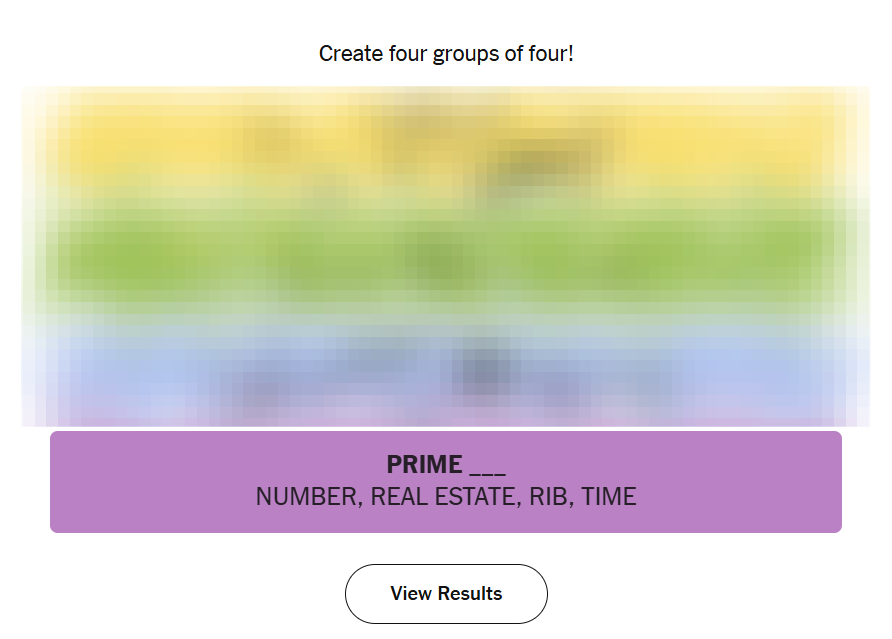
- Each word can follow the same two-word phrase starter.
- Think of a word commonly associated with “prime.”
- The resulting phrases cover several unrelated subjects.
- The four answers include concepts involving mathematics, property, food, and duration.
NYT Connections Answers: 02 October 2026
Here are the answers, grouped by category.
Category 1:
Category 2:
Category 3:
Category 4:
Conclusion & Quick Strategy Tip
The 02 October 2026 Connections puzzle balances straightforward action words with trickier conceptual links, making it satisfying once everything clicks. Quick strategy tip: lock in obvious verb groups early, then examine remaining words for structural patterns or shared cultural references.






Leave a Reply