

The New York Times Connections puzzle challenges players to sort 16 seemingly unrelated words into four connected groups. Each group shares a hidden link. Today’s grid blends physical actions, clever rearrangements, and nostalgic references, making it both playful and slightly deceptive. Below you’ll find gentle hints to guide your thinking, followed by the complete solutions once you’re ready to check your work.
NYT Connections Puzzle Overview: 01 October 2026
The 1 October 2026 Connections puzzle features four varied groups, ranging from common actions and clothing terminology to 2000s indie rock and familiar NYT puzzle abbreviations. Some connections are more straightforward, while others require a little cultural knowledge.
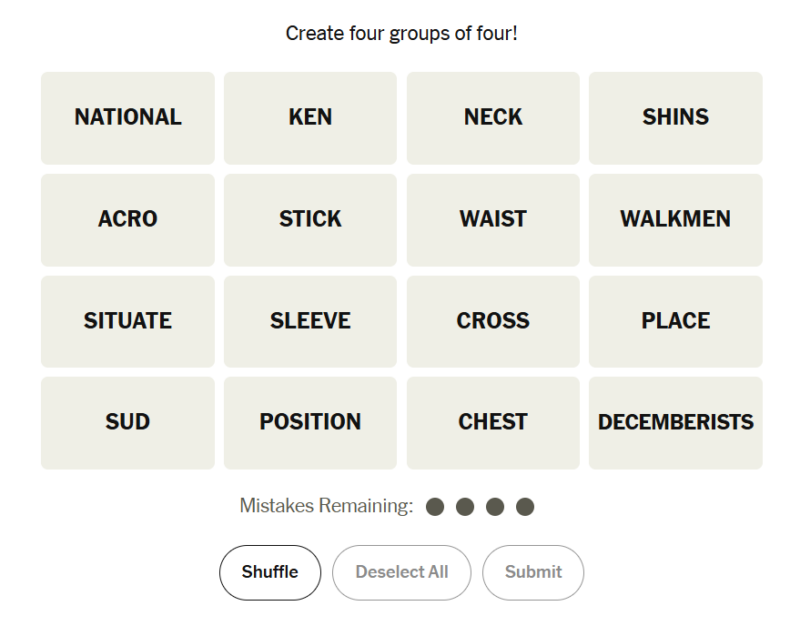
NYT Connections Hints: 01 October 2026
Category 1:
- Think of words that describe putting something somewhere.
- Each word can function as a verb.
- The group is about positioning or locating something.
- One of the words can also describe attaching something in place.
Category 2:
- These words are commonly found on a clothing measurement chart.
- Think about getting a shirt properly fitted.
- The group covers different parts of the body or garment.
- These measurements help determine the right dress-shirt size.
Category 3:
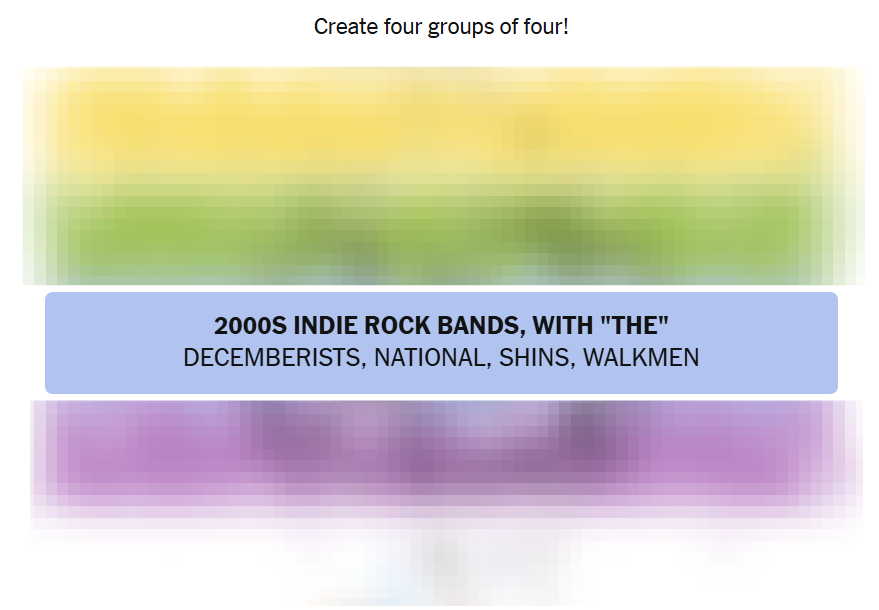
- Think of alternative rock from the 2000s.
- Each group member is the name of a band.
- These artists were associated with the indie-rock scene.
- Add “The” before each name to match the category.
Category 4:
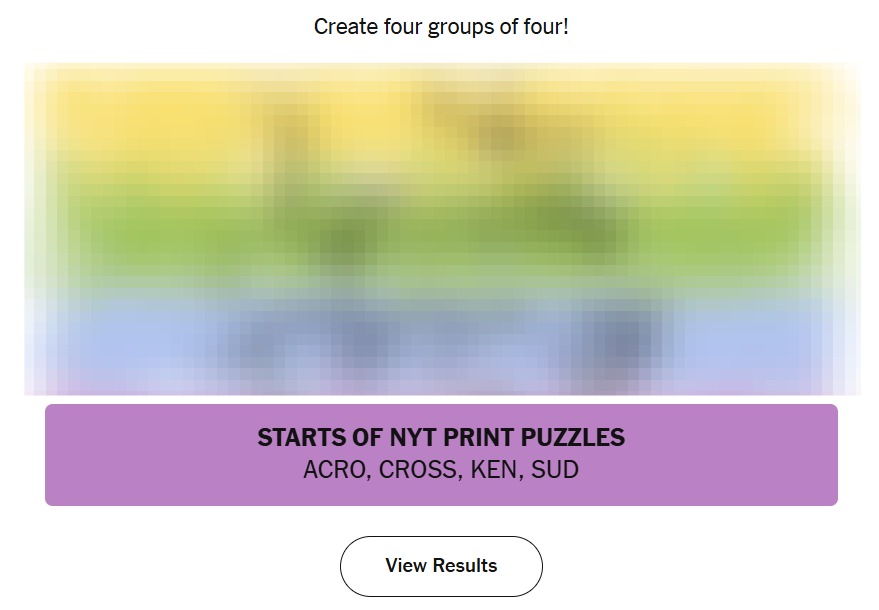
- These are beginnings of words used in NYT print puzzles.
- Think about familiar puzzle types.
- Each fragment can be completed to form a puzzle-related term.
- The four fragments appear at the start of different puzzle names.
NYT Connections Answers: 01 October 2026
Here are the answers, grouped by category.
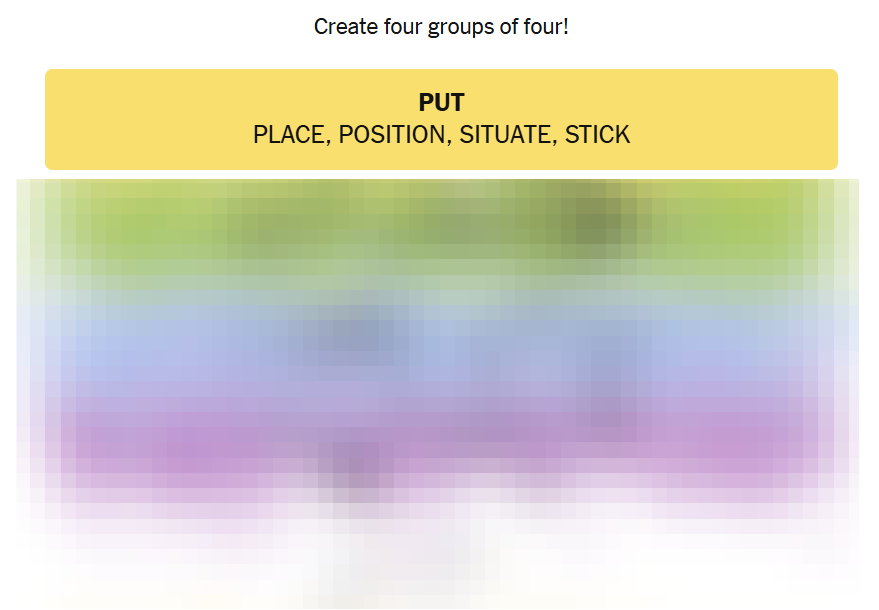
Category 1:
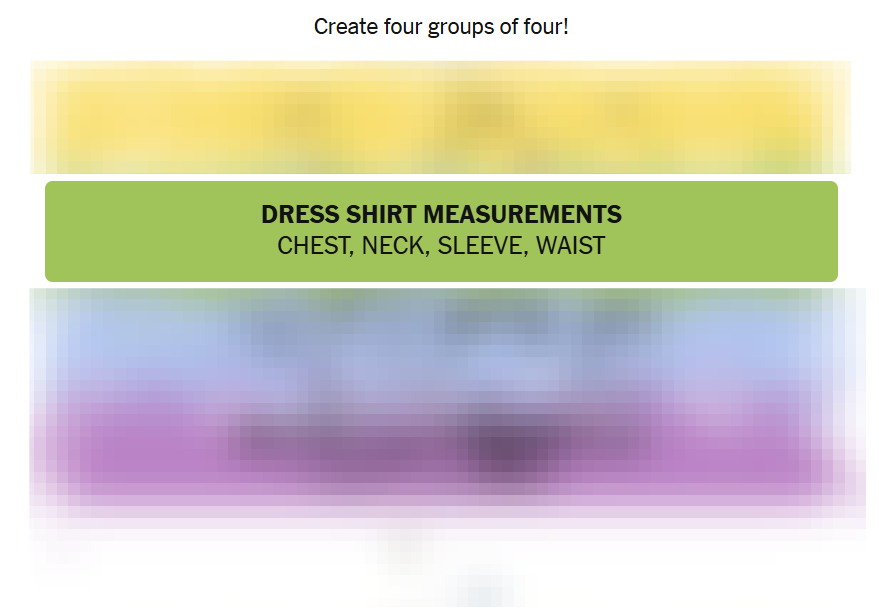
Category 2:
Category 3:
Category 4:
Conclusion & Quick Strategy Tip
The 01 October 2026 Connections puzzle balances straightforward action words with trickier conceptual links, making it satisfying once everything clicks. Quick strategy tip: lock in obvious verb groups early, then examine remaining words for structural patterns or shared cultural references.
Leave a Reply