
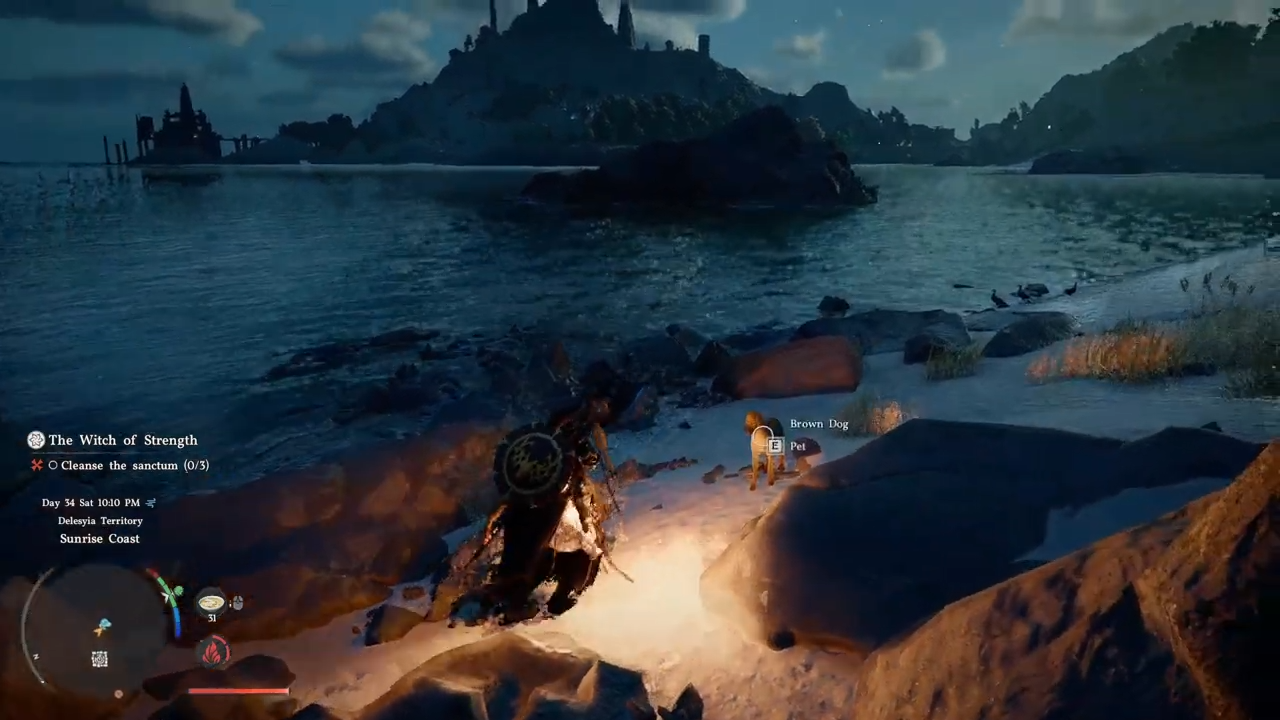
What to know
-
Red Seaweed is a gathering material used for progression-related upgrades and crafting in Crimson Desert.
-
The best method is to search coastline and beach edges, especially near known spawn-heavy shoreline routes.
-
Each plant usually gives 1 to 4 Red Seaweed, so a full shoreline sweep can build a good stock quickly.
-
Some spawn clusters sit slightly away from the waterline, so checking both sand and rock edges helps avoid missing them.
Crimson Desert rewards players who farm Red Seaweed efficiently, because it is tied to useful upgrade materials and later progression. Instead of wandering randomly, it is better to start from a reliable shoreline point and move in a steady line while checking both sides of the beach.
Red Seaweed details
How to get Red Seaweed
Step 1
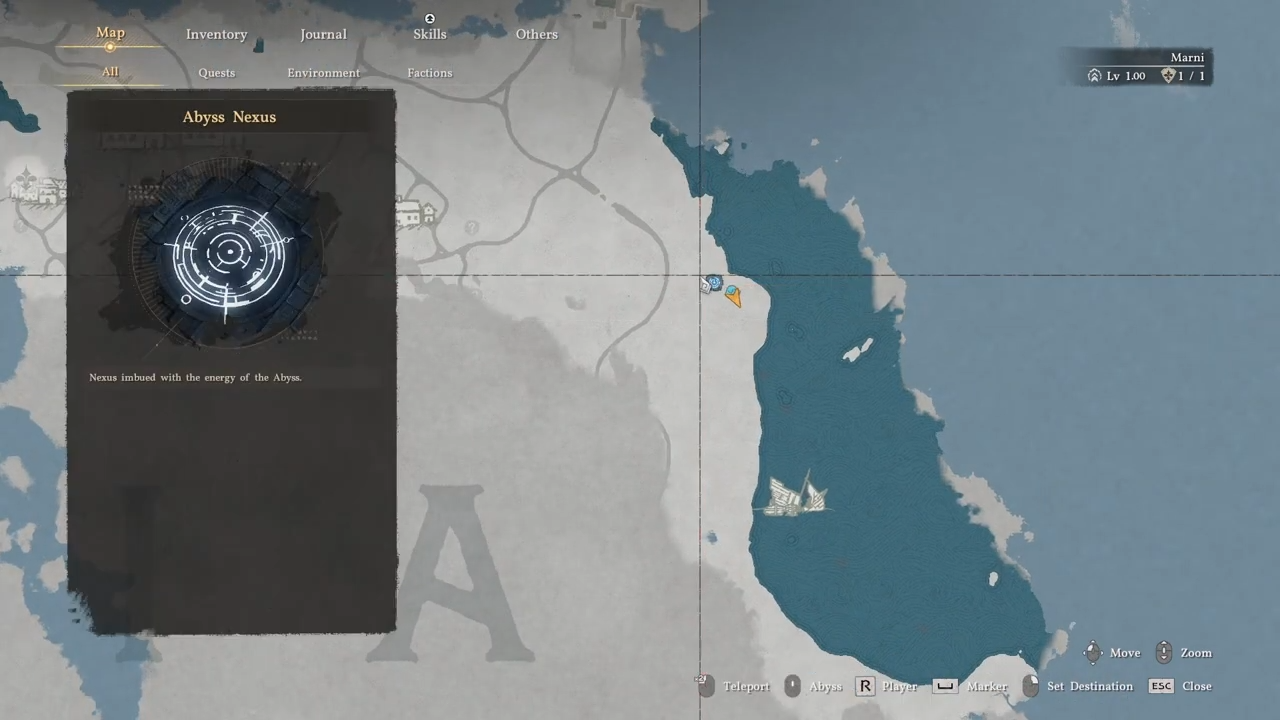
Open your map and head toward a coastal region with a long beach stretch. A commonly used route starts to the right side of Delesyia, near an abyss nexus that makes the area easier to reach.
Step 2
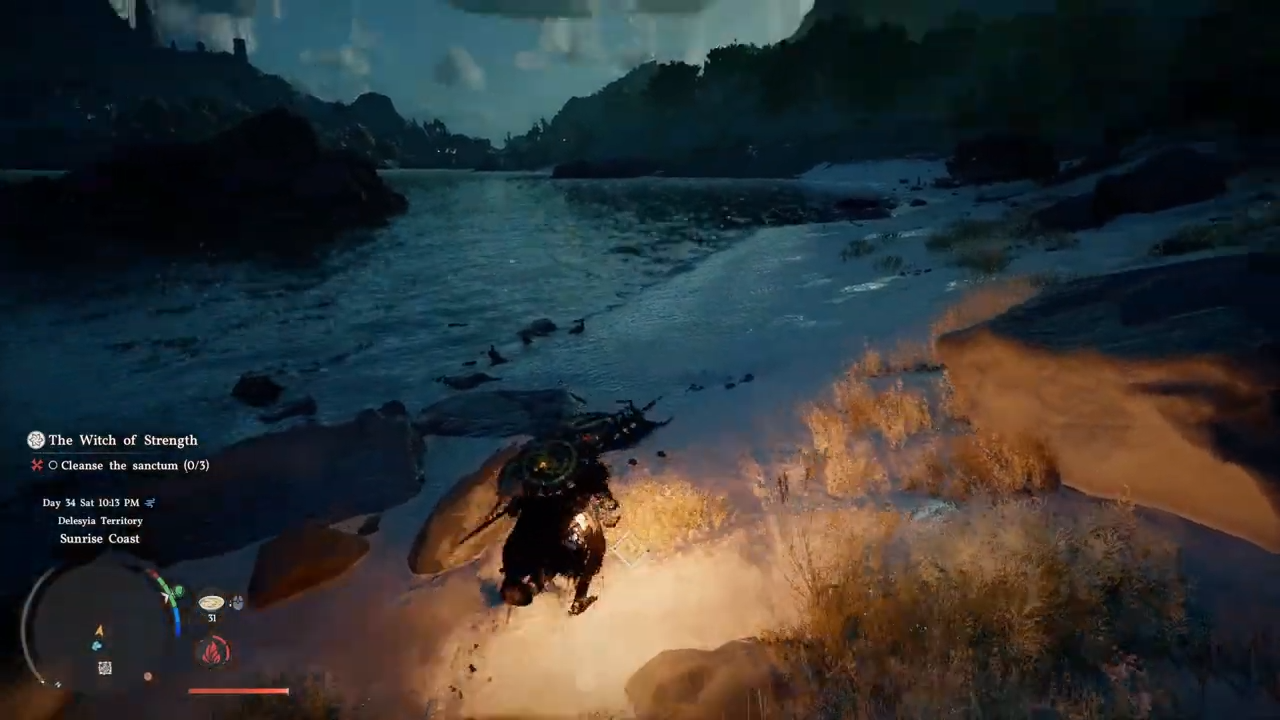
Move south from that point until you are on the shoreline. Red Seaweed tends to appear along the sand near the water, and it can also show up near rocks slightly inland from the edge.
Step 3
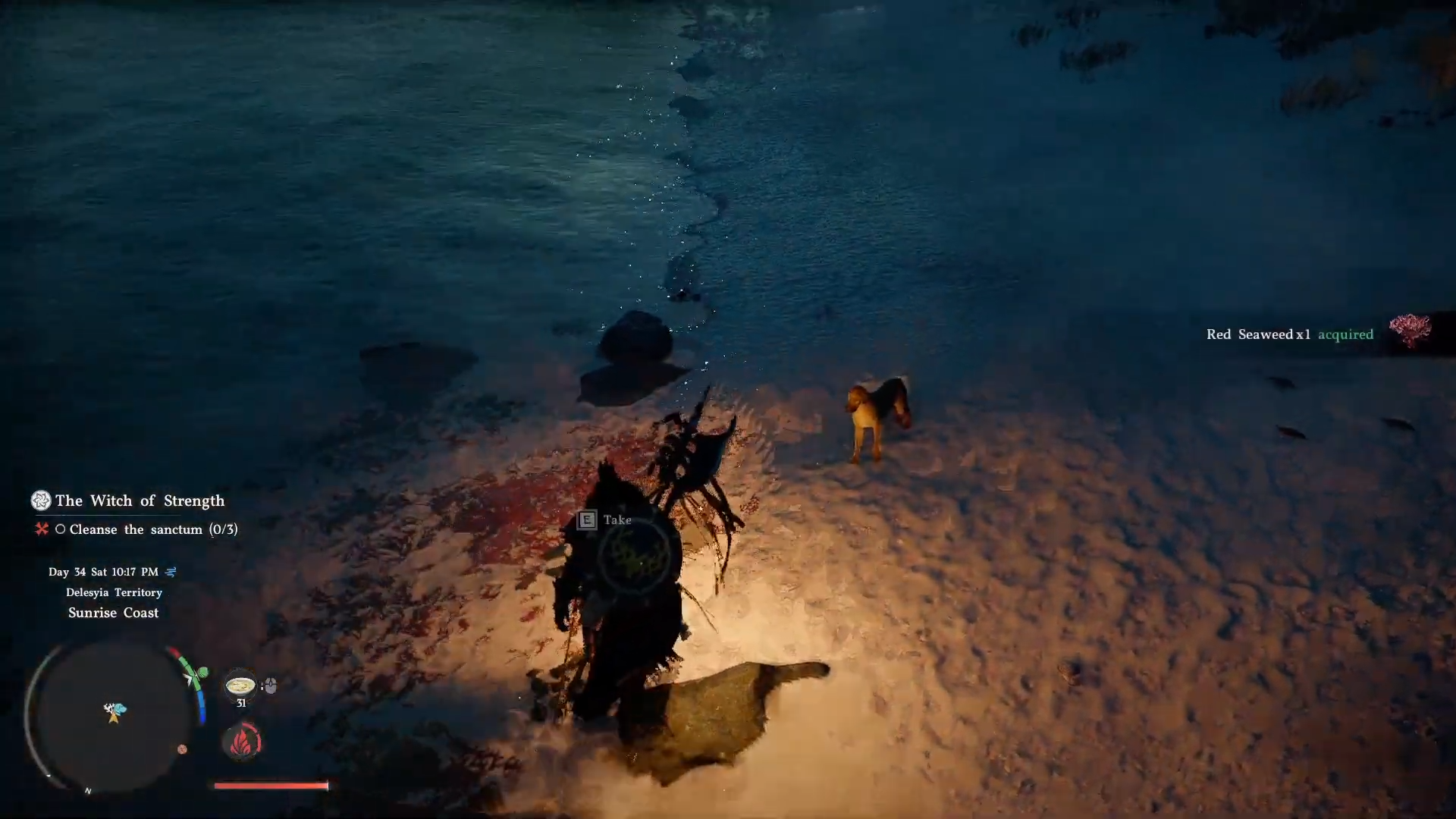
Look for small red patches on the ground and interact with them to collect the item.
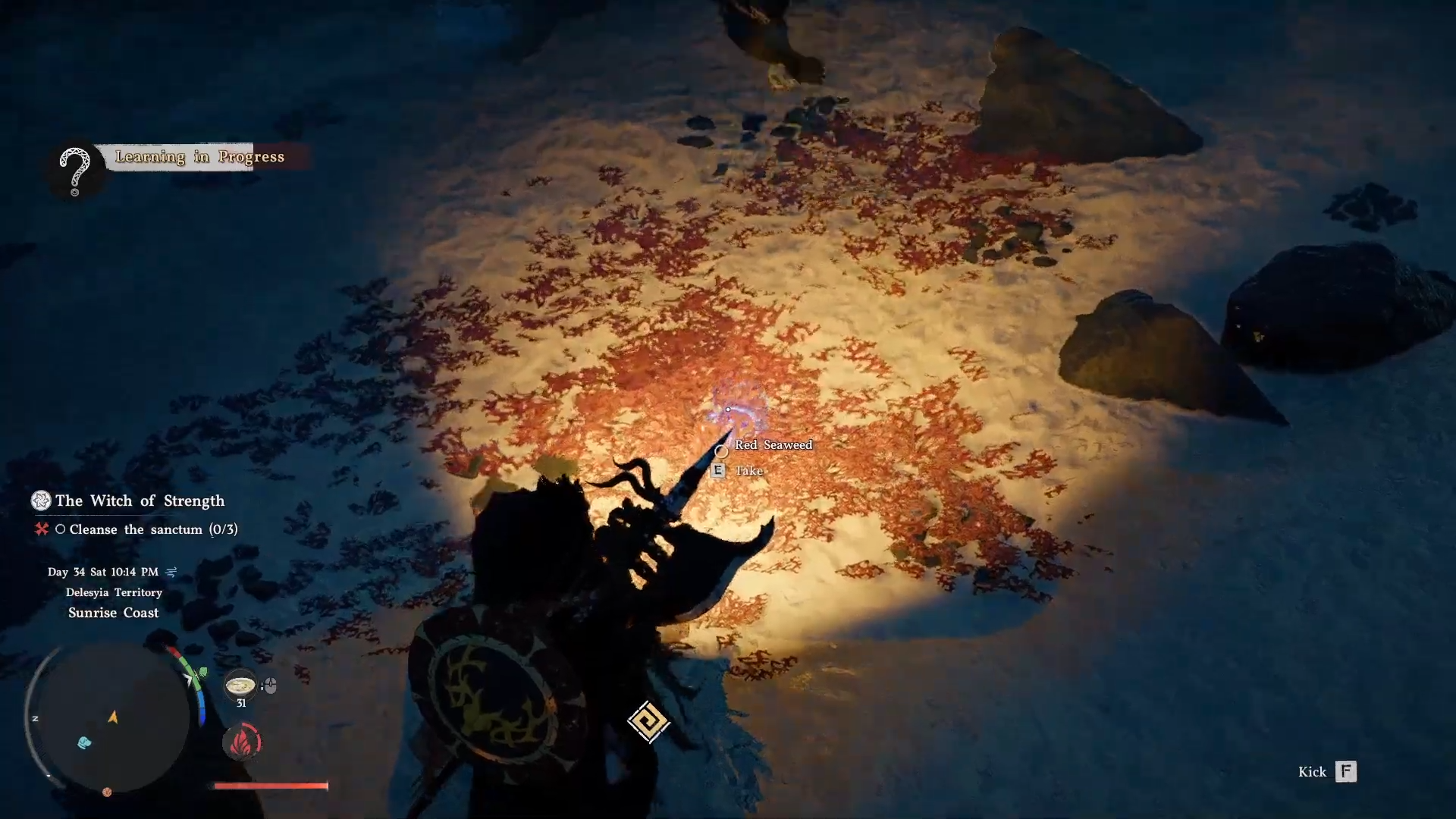
Each pickup can give more than one Red Seaweed, so even a short route can produce a decent amount.
Step 4
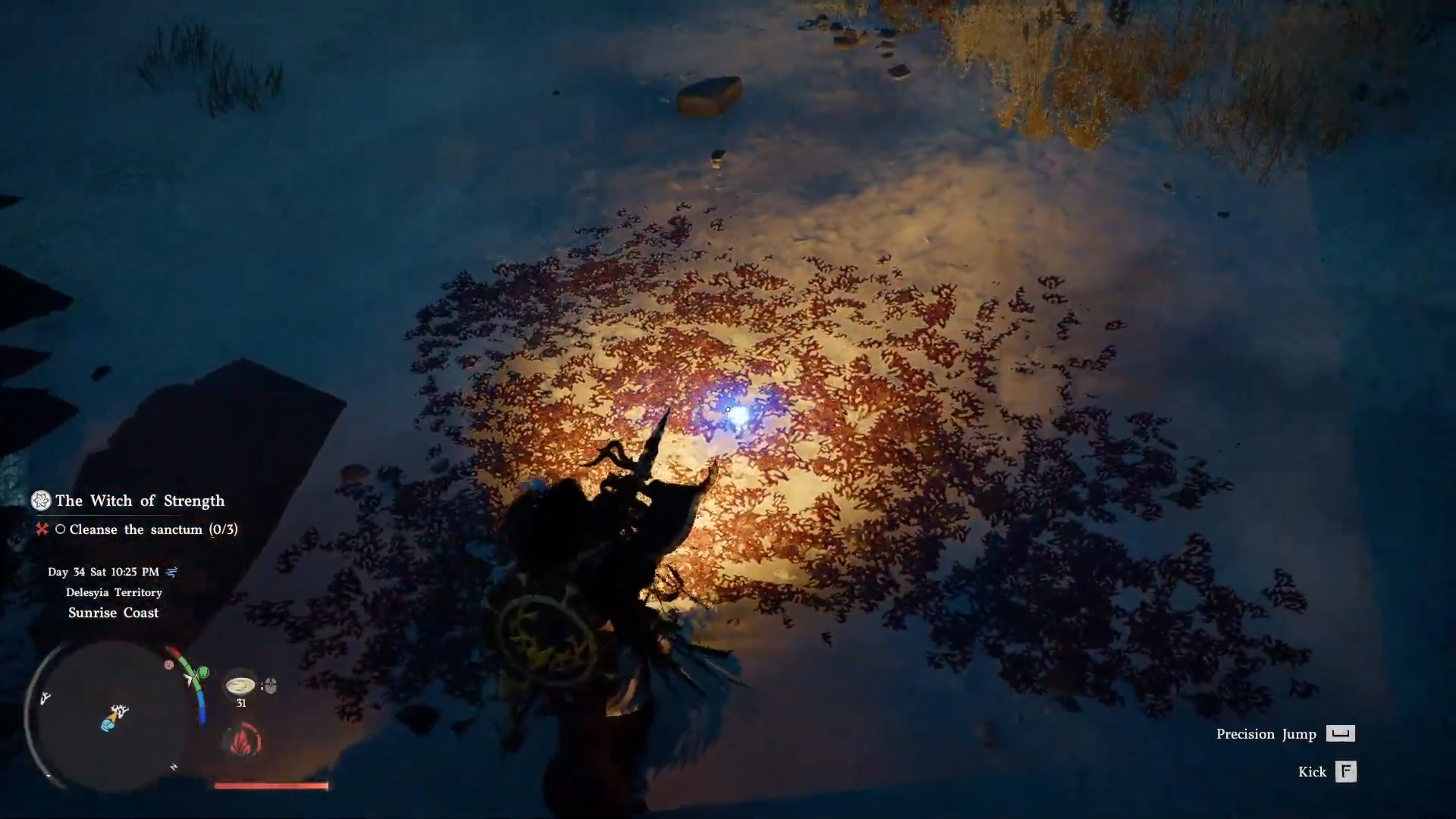
Keep walking the coast in one direction and check both sides of your path. Several seaweed nodes are easy to run past because they blend into the beach, especially when you are moving quickly.
Step 5
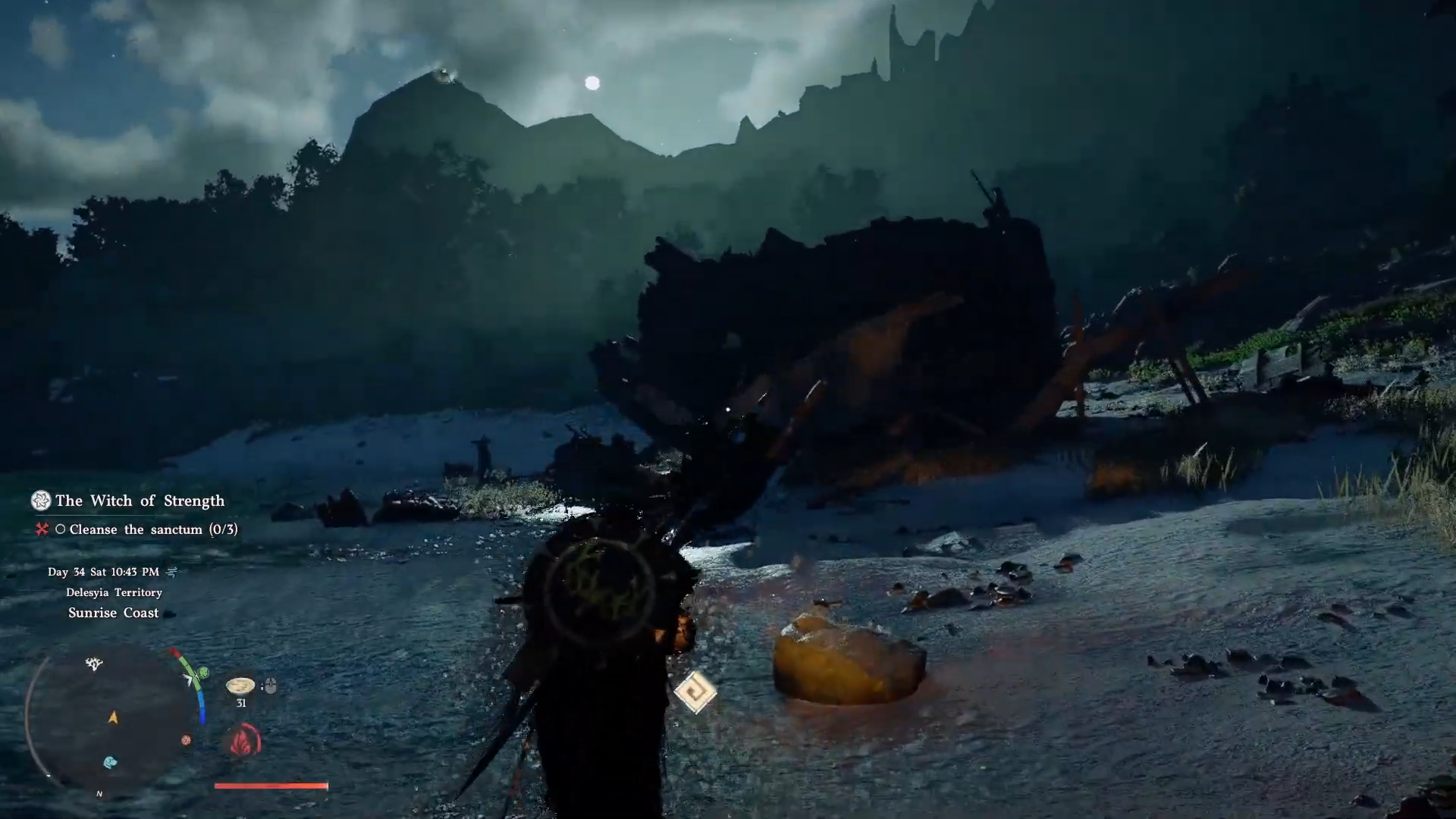
Continue until the shoreline thins out or until you reach a more dangerous area. Some farther-south routes can lead toward hostile zones or a shipwreck area with enemies, so be ready to stop or fight if needed.
Best farming route
The most efficient route is a simple shoreline loop rather than a long inland detour. Start at a known beach access point, sweep along the coast, and collect every cluster you see before turning back or moving to the next shoreline section.
A strong farming route usually includes three habits:
-
Stay close to the beach line.
-
Check rocks, sand patches, and slightly inland spawn points.
-
Avoid sprinting so fast that you miss small red clusters.
Why Red Seaweed matters
Red Seaweed is not just filler loot. It is used in progression systems tied to upgrades and crafting, which is why many players farm it as soon as they unlock a reliable coastal route.
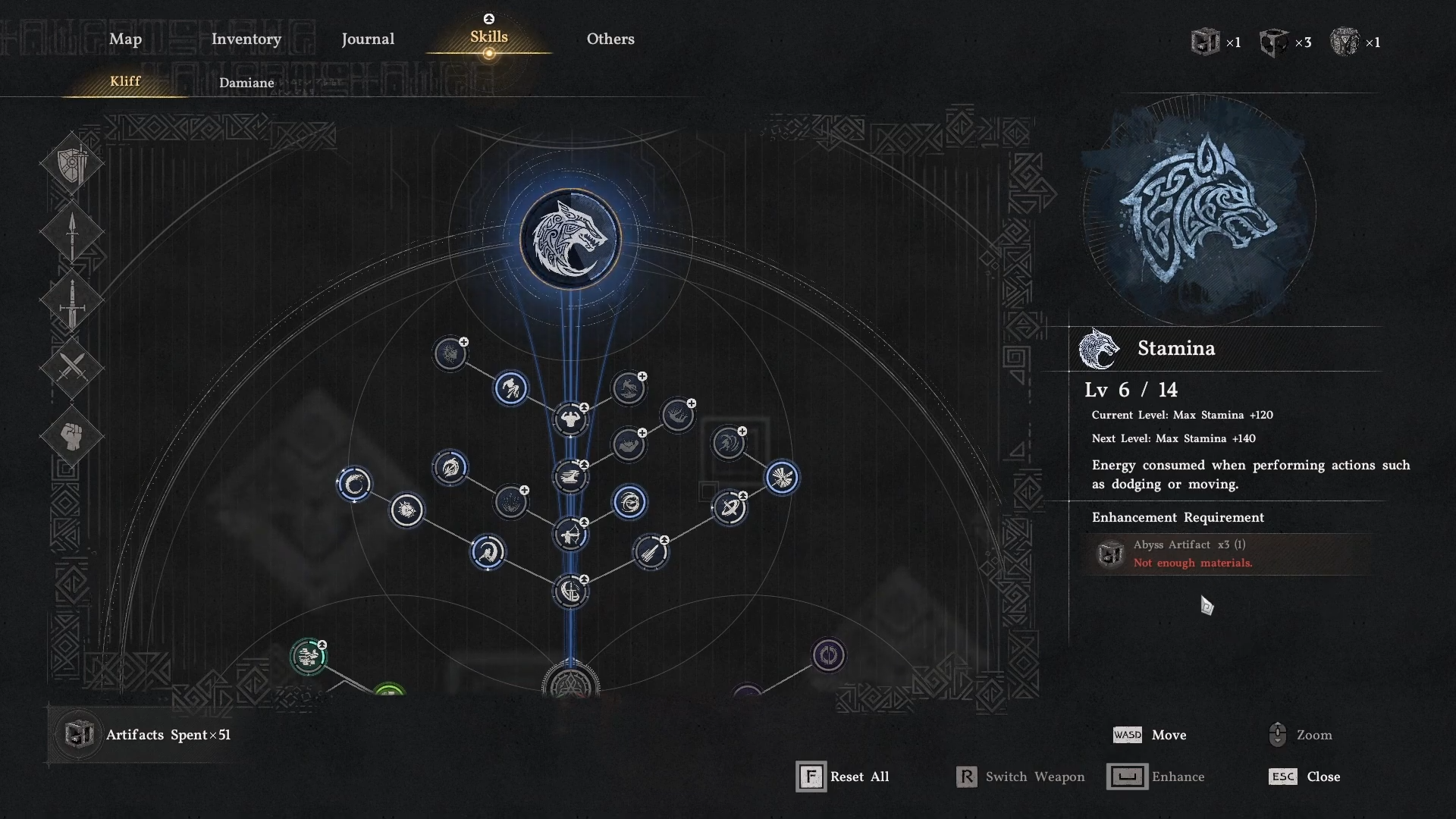
It also matters because the item is location-based rather than truly rare. Once you learn the right shoreline pattern, collecting it becomes a repeatable route instead of a frustrating search.
Farming tips
-
Bring empty inventory space so you do not stop mid-route.
-
Search slowly enough to spot seaweed that blends into the sand.
-
Prioritize long coastal strips where multiple spawns sit close together.
-
If a zone becomes hostile, finish the safer shoreline first and leave the combat area for later.
-
Revisit the same route after you learn the spacing, since clustered nodes can make each run efficient.
Location
The red seaweed route is a coastline near Delesyia, with an abyss nexus nearby and additional seaweed found farther south along the shore.
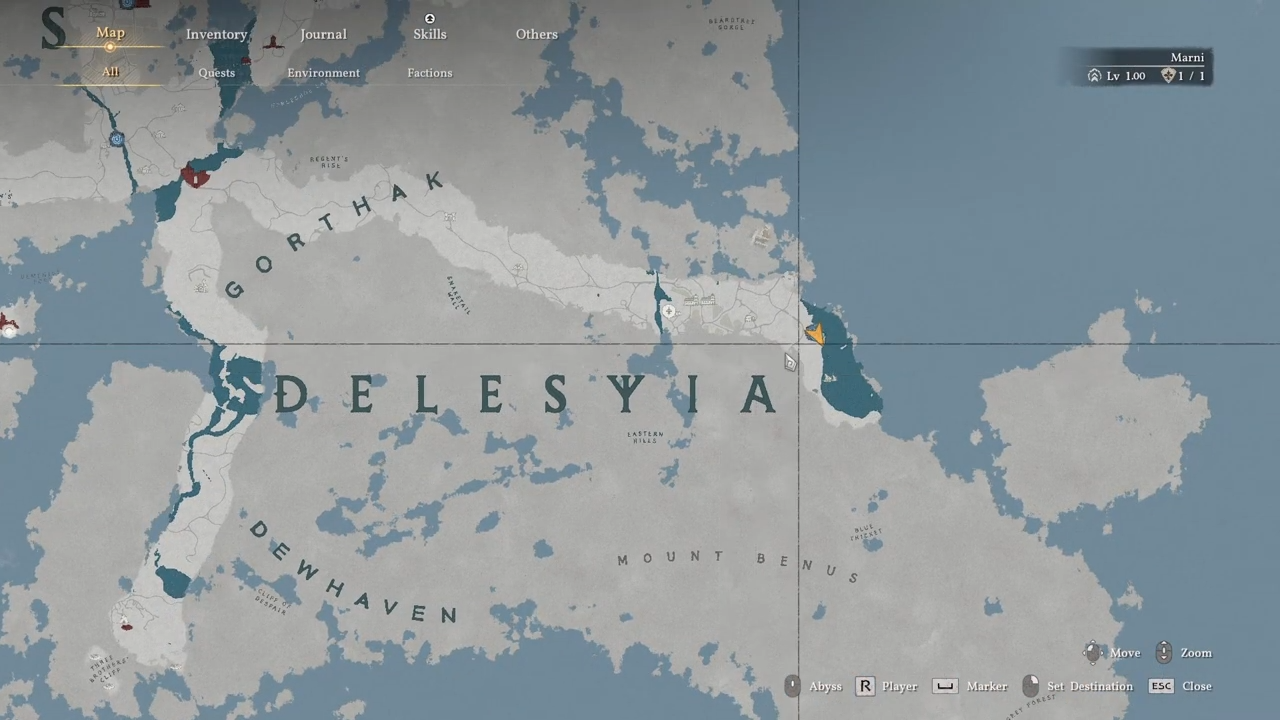
Other areas are broad shoreline farming areas, including routes where beach and peninsula stretches contain many individual spawn points. The main idea is the same across all of them: focus on coastal waterlines, not inland exploration.
Red Seaweed uses
If you only need a small amount, one coastline pass is usually enough. If you want a larger stock, repeat the same beach route and build muscle memory around the spawn positions, since Red Seaweed is most efficient when gathered through consistent shoreline farming.






Leave a Reply