The New York Times Connections puzzle challenges players to sort 16 seemingly unrelated words into four connected groups. Each group shares a hidden link. Today’s grid blends physical actions, clever rearrangements, and nostalgic references, making it both playful and slightly deceptive. Below you’ll find gentle hints to guide your thinking, followed by the complete solutions once you’re ready to check your work.
NYT Connections Puzzle Overview: 26 June 2026
Today’s puzzle leaned heavily on multiple meanings and familiar vocabulary. Some words naturally seemed to belong together at first glance, but the true categories required looking beyond the obvious. The purple category was especially tricky, relying on a clever naming pattern rather than straightforward definitions.
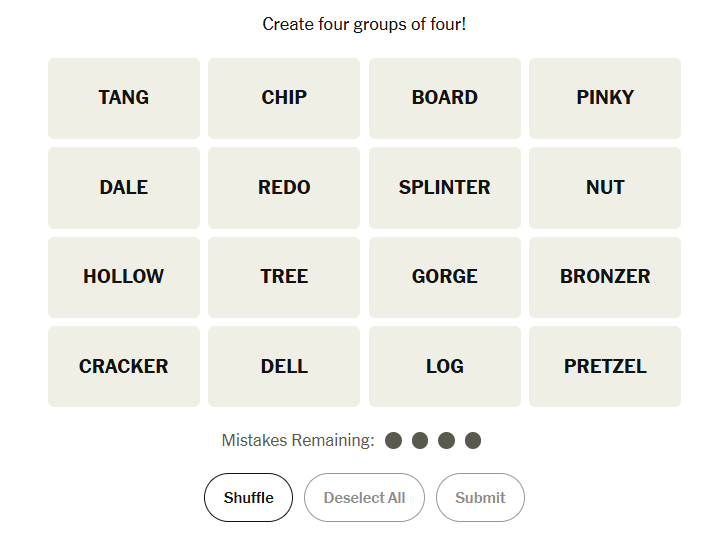
NYT Connections Hints: 26 June 2026
Category 1:
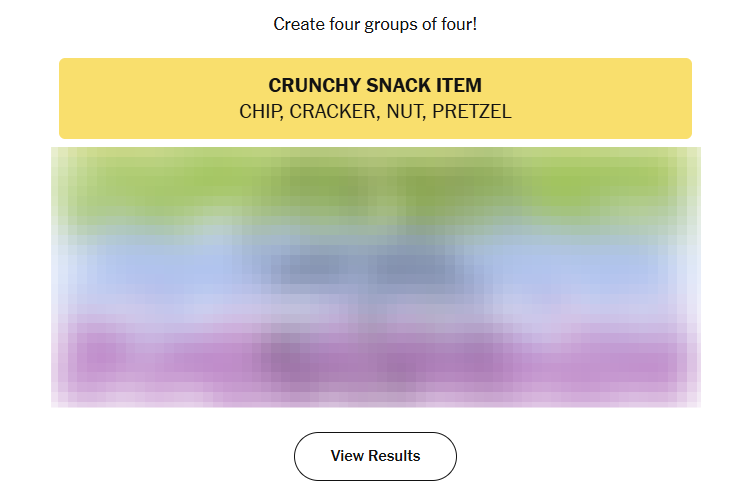
- Think of foods commonly enjoyed between meals.
- Each item has a satisfying crunch.
- You might find all four in a snack bowl.
- Salty treats are the common thread.
Category 2:
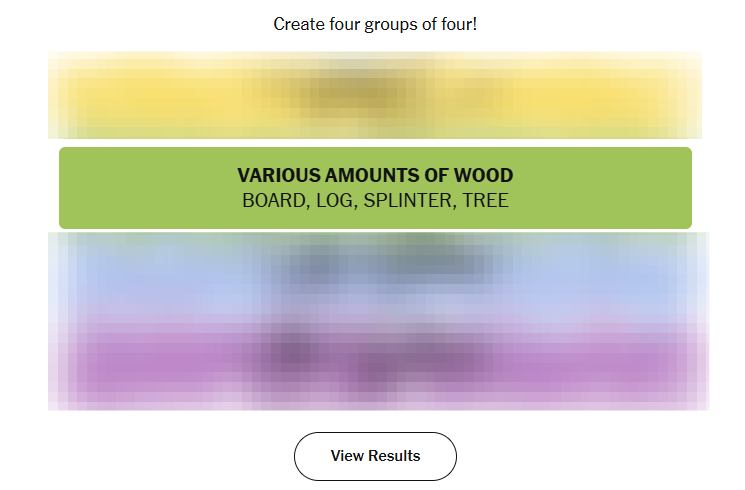
- These all relate to timber.
- Each word represents a different size or form.
- Some are found in construction, others in nature.
- Think from the smallest piece to the largest.
Category 3:
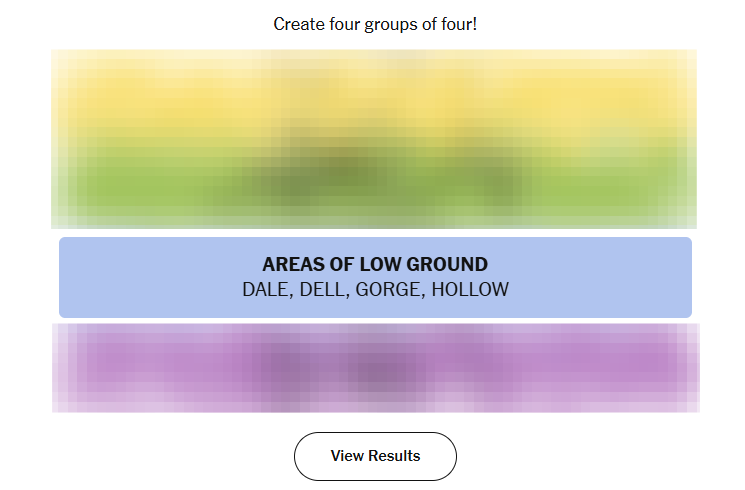
- These describe land formations.
- All refer to areas that sit lower than surrounding terrain.
- They often appear in geography or hiking guides.
- Valleys aren’t the only type of depression.
Category 4:
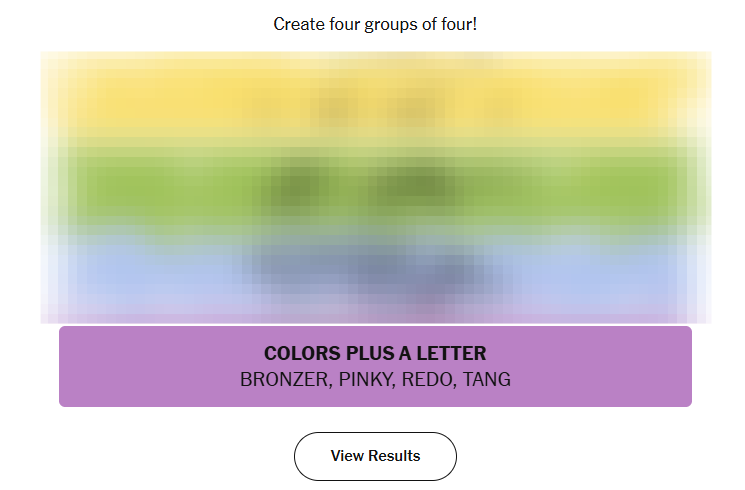
- Each starts with a recognizable color.
- Another letter has been added to complete the word.
- Focus on the beginning rather than the full spelling.
- It’s a playful word-building category.
NYT Connections Answers: 26 June 2026
Here are the answers, grouped by category.
Category 1:
Category 2:
Category 3:
Category 4:
Conclusion & Quick Strategy Tip
The 26 June 2026 Connections puzzle balances straightforward action words with trickier conceptual links, making it satisfying once everything clicks. Quick strategy tip: lock in obvious verb groups early, then examine remaining words for structural patterns or shared cultural references.