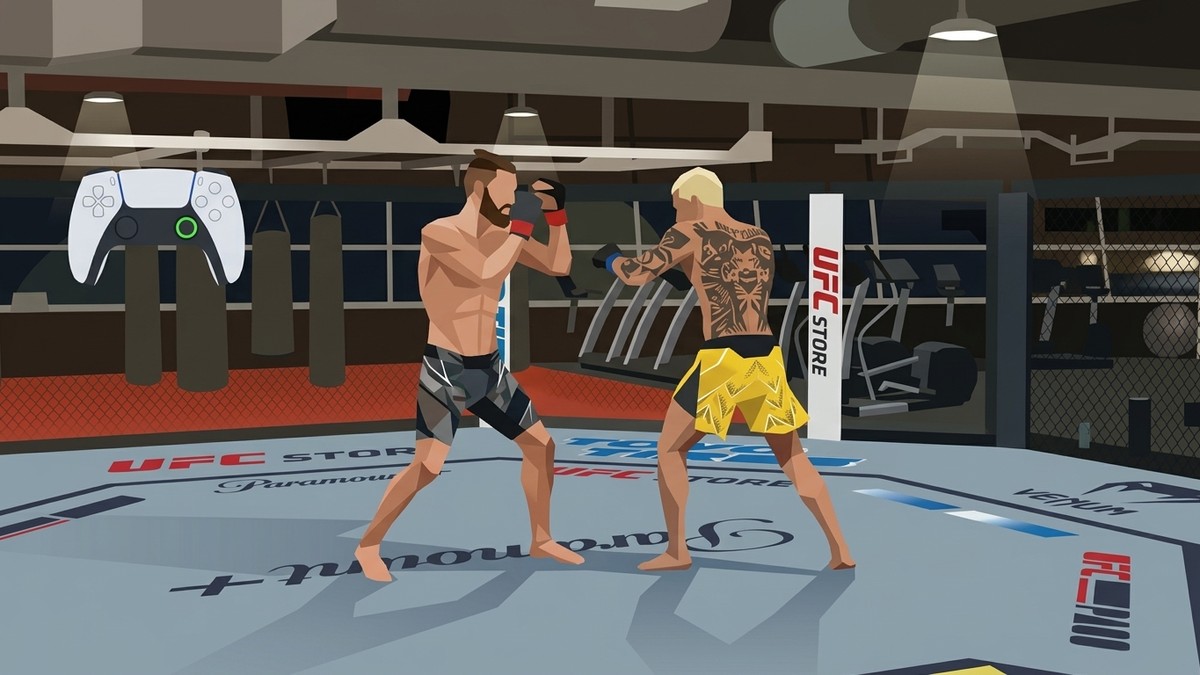
Learn how to set up and land counters in UFC 6 by reading patterns, slipping predictable follow-ups, punishing missed strikes, and drilling timing in Practice Mode.
To set up counters in UFC 6, you don’t react to the first strike — you block or slip it to gather information, predict the opponent’s predictable follow-up, then slip that second strike and fire back, a read you drill in Practice Mode with the new timing HUDs before taking it online.
Countering in UFC 6 is less about lightning reactions and more about reading patterns. The strikes come out too fast to consistently react to the opening punch, so the whole game shifts to using that first shot as information and punishing the predictable second one. Below is how the counter window actually works, the head-movement vocabulary it leans on, the exact in-fight sequence, the combos worth hunting, and the offline tools that make all of it trainable.
- What a counter really is in UFC 6
- Minor slip, major slip, pull and duck
- How to block, slip and punish a combo in UFC 6
- Three combos worth countering and how to read each
- Drilling counters in Practice Mode with the timing HUDs
- Reading your opponent’s patterns and defense
- Mistakes that get you countered or gassed
- Frequently Asked Questions
What a counter really is in UFC 6
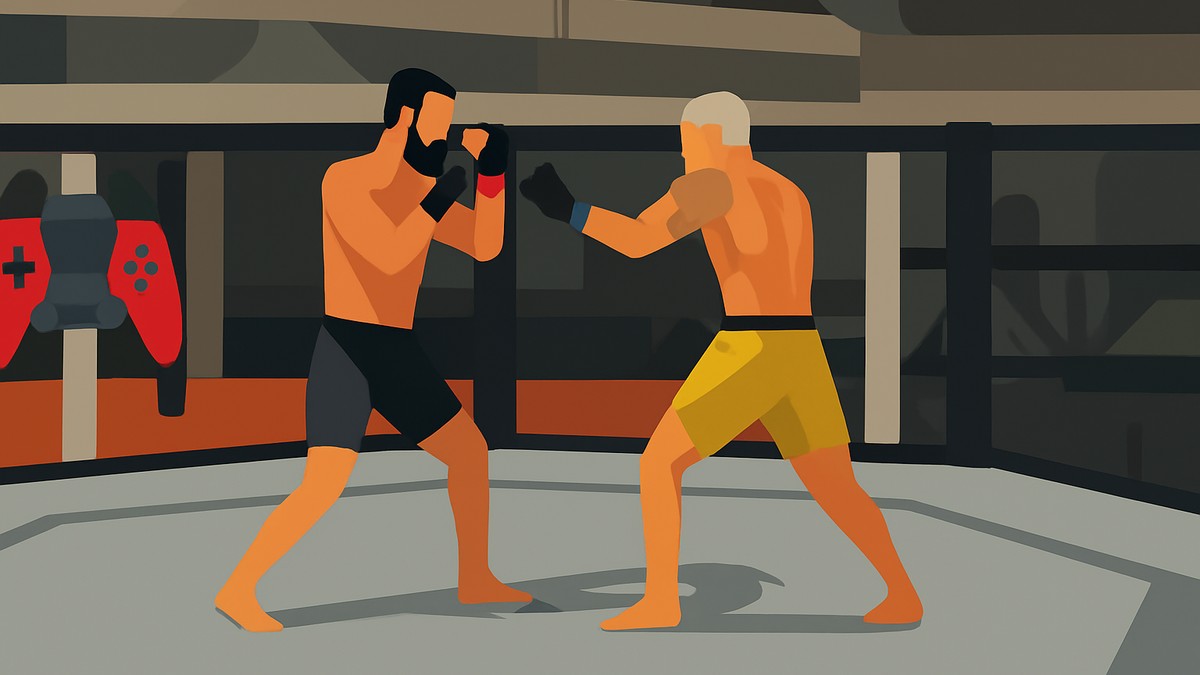
A counter is a strike you land in the brief vulnerable window you create after making an opponent miss — after you slip or duck a punch, after you block a heavy shot like a hook, overhand or kick, or after they whiff at range. That window is the whole point: you’re not trading, you’re punishing recovery.
Here’s the mental shift that separates good counter players from everyone else. Most people sit there fishing to counter the first strike — trying to slip the jab or react to the opening punch. In UFC 6 the strikes are simply too fast for that; by the time you’ve recognized the shot and decided which way to move your head, it’s often already too late. You can occasionally react to a lead strike, but you can’t build a consistent game plan around it.
So treat the first strike as a question, not a threat. You block it, you log what it tells you, and you counter the second strike — the one you can actually predict.
Stop trying to counter the first strike — it’s too fast to read, so block it, use it as bait, and counter the predictable follow-up instead.
Minor slip, major slip, pull and duck
All of the counters here run through the right stick, and the difference between a small input and a held one matters a lot. A minor slip is a quick flick of the right stick — your fighter snaps their head off line and immediately returns to center. It’s fast, low-risk, and ideal against combinations, because the quick return means you can defend, counter and react again almost instantly.
A major slip is the same direction but with the right stick held. Your head stays off center much longer, which buys more evasion but leaves you committed. If the opponent changes their timing or throws a different strike than you expected, you’re far easier to punish — which is exactly why over-committing your head movement gets people caught.
Two more terms the combo reads depend on: a pull is flicking the right stick away from your opponent, and a duck is flicking it toward them. For countering combinations you almost always want the minor version of each.
How to block, slip and punish a combo in UFC 6
Block the first strike
Hold block and let the opening jab land on your guard while you expect the follow-up.
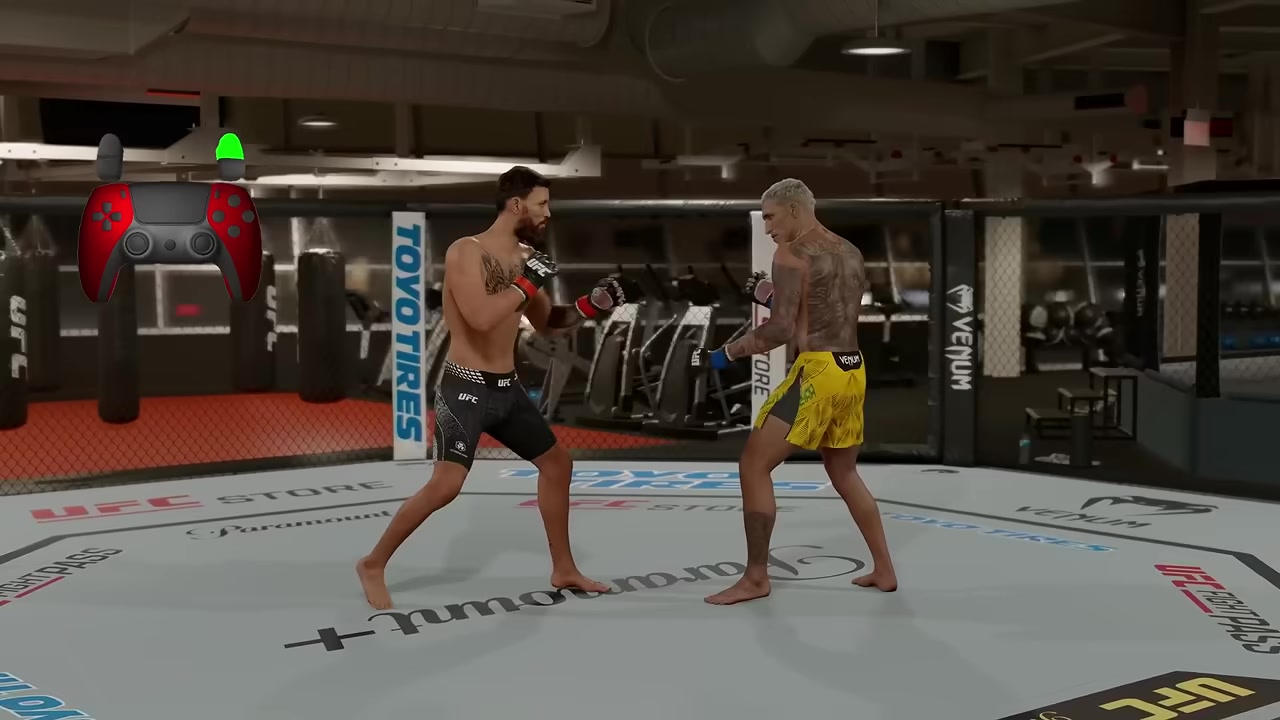
Release the block
Drop the block the instant the first strike connects so you're free to move your head.
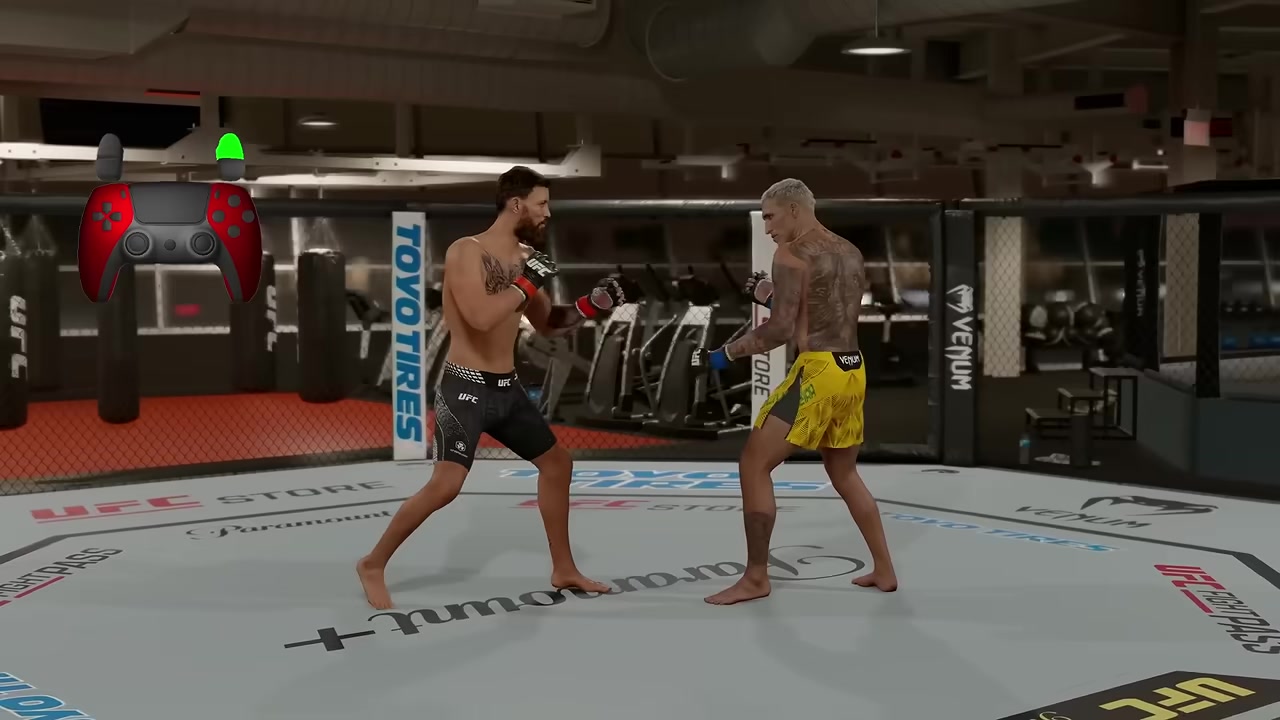
Flick the right stick to slip
Perform a minor slip up or down (or a minor pull away) to make the predicted second strike miss.
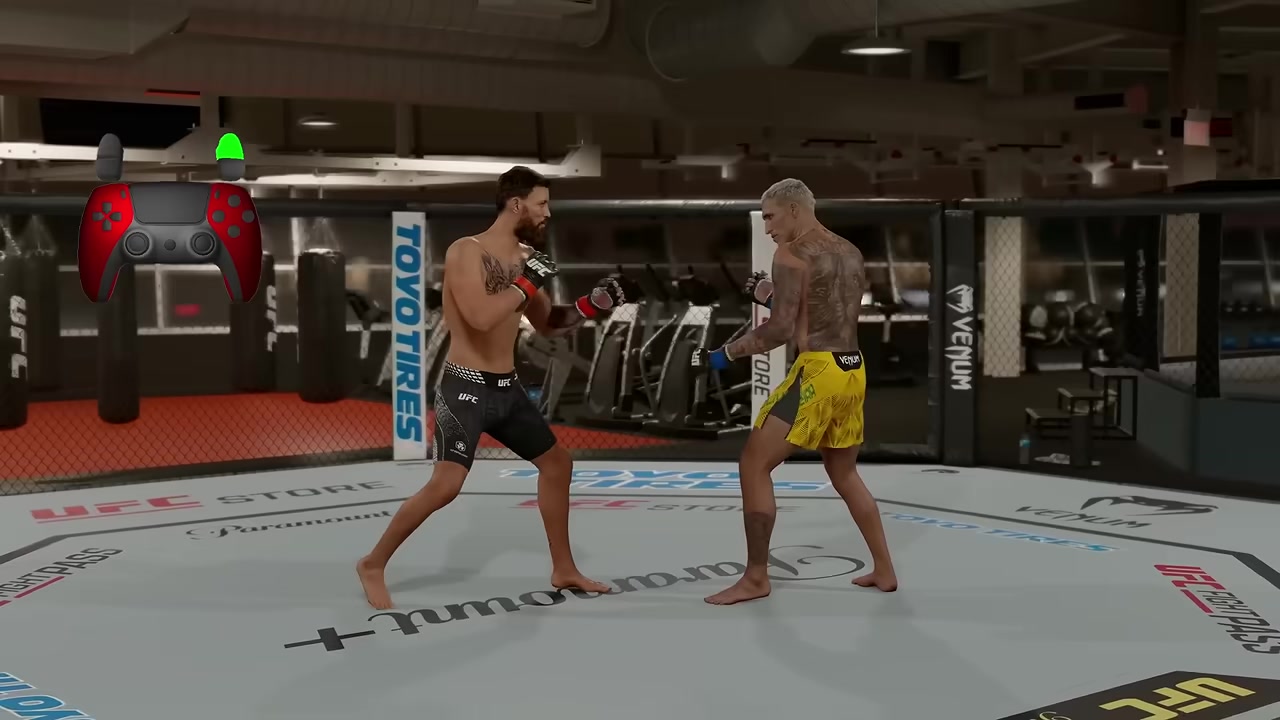
Fire your counter
With their strike whiffing, retaliate — an uppercut or hook maximizes the damage in that window.
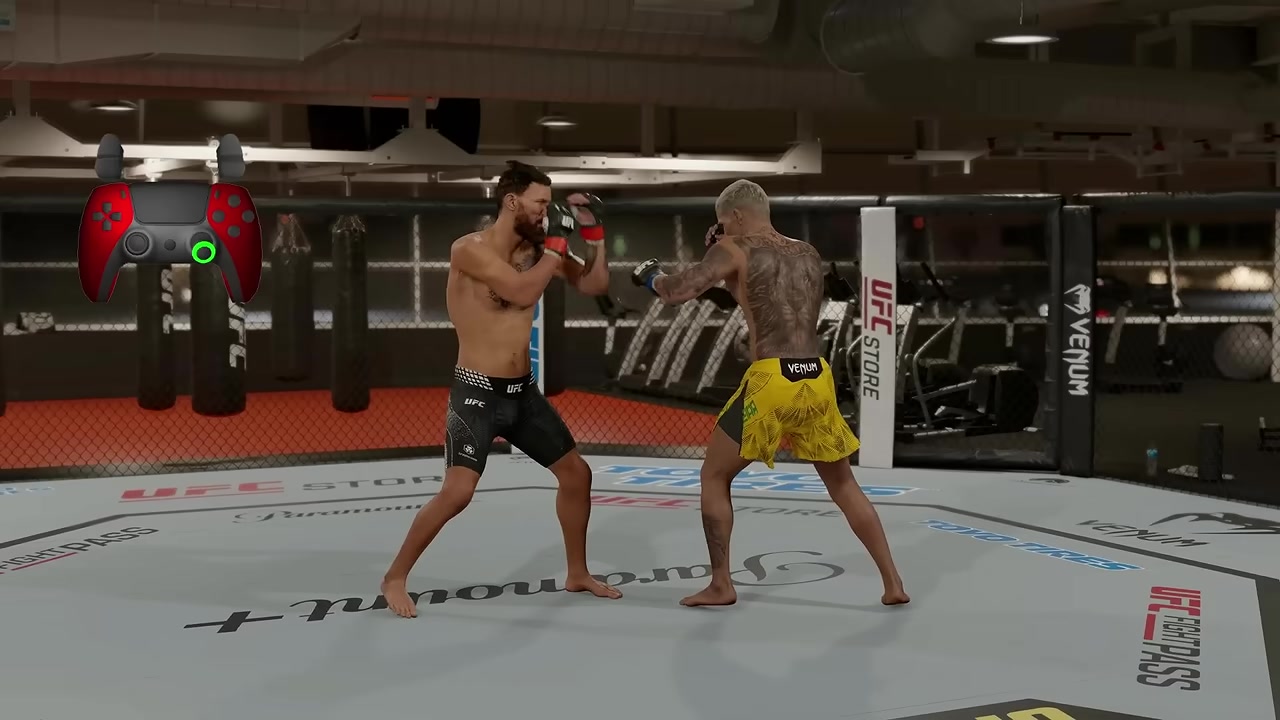
The single most important thing here is the order: block first, release block, then slip, then counter. Slip before you’ve released and you eat the shot; counter before the slip and you walk into it. Get the sequence clean and the rest is just recognizing which combo you’re looking at.
Three combos worth countering and how to read each
| Opponent’s combo | What you read | Defensive move | How to finish |
|---|---|---|---|
| Double jab | A second jab follows the first | Minor slip up or down | Slip and throw an uppercut or hook |
| Jab into uppercut | The uppercut comes after the jab | Minor slip or minor pull — never duck | Any strike, including an overhand or kick |
| Jab into hook | The hook comes after the jab | Minor pull away or minor duck toward | Any strike once the hook misses |
Most opponents lean on a handful of stock combinations, and three show up constantly. In each case you ignore the lead strike, read it as a tell, and counter what follows. The one nuance that doesn’t fit neatly in a table: against the uppercut, do not duck — ducking drops your head straight into the rising punch. Pull instead, every time, to stay safe.
On the double jab, you let the first jab hit your block already expecting the second, then slip and punish — the uppercut is the high-damage finish, but a hook works too. On the jab into uppercut, pulling keeps your head out of the danger line while still opening the counter. And on the jab into hook, a small pull away or duck toward the opponent slips the hook and lets you fire back with whatever you like.
Drilling counters in Practice Mode with the timing HUDs
The reads above are trainable offline before you ever risk them online, and UFC 6’s new training tools are built for exactly this. The key thing to know up front: Time Dilation and Stand-Up Assist are offline-only learning aids — they slow things down so you can feel the timing, but they do not carry into online matches, so don’t lean on them as a crutch.
Enter Practice Mode
Load up the offline practice space where you can set the AI’s behavior and reset freely.
Turn on the Frame Timing HUD
It shows when actions start up, recover, and where the openings are — i.e. why a slip or counter works.
Turn on the Vulnerability HUD
This flags in real time when your own fighter is exposed during movement, attacks and defense.
Pick a consistent control scheme
Choose orthodox, southpaw or the traditional limb-based scheme and stick with it so your inputs stay muscle memory.
Have the AI throw common combos
Feed it double jabs, jab-uppercuts and jab-hooks, then block, slip and counter on repeat.
Slow it down with Time Dilation
Use it offline to study the windows — just remember the slowdown won’t be there online.
Watch the HUDs while you drill: the Frame Timing readout teaches you which attacks leave the opponent stuck in recovery, and the Vulnerability HUD shows the exact moments your counter attempt would get you clipped instead.
Video help
Reading your opponent’s patterns and defense
Once the basic counters feel natural, the real level-up is reading the person, not the punch. Don’t fixate on a single strike — focus on the combinations your opponent keeps returning to. Most decent players don’t spam one combo; they cycle through a few. If they throw a one-two, don’t assume another one-two is next, because plenty of players mix in a jab-hook specifically to catch people slipping the straight. The goal isn’t to predict every punch — it’s to recognize the patterns they lean on and make an educated guess.
The deeper layer is reading their defense. Say you make their hook miss and throw a straight, but it doesn’t land — that’s because they slip right after their hook whiffs. That’s not a wasted exchange, that’s data. Now you know that next time you’re in that exact spot, a hook will catch the slip instead. Every mispunch, every slip, pull and duck the opponent makes is telling you about their habits, and the best players are constantly collecting that information to cash in later in the fight.
Mistakes that get you countered or gassed
The big one is fishing to counter the first strike — it’s too fast and too inconsistent to build around. Close behind is over-using head movement instead of footwork, which leaves you eating tracked kicks and hooks that follow your head. Throwing slow, heavy shots like spinning attacks or head kicks as counters gets you beaten to the punch by a fast straight, and ignoring stamina gasses you out and turns your own chin into the target. Finally, not learning a specific fighter’s timing means missing the windows unique to that fighter’s animations.
A simple priority order keeps you honest: distance > block > head movement > counter. Only go hunting for counters when your stamina is higher than your opponent’s and you’re not pinned against the cage.
Related EA UFC 6 guides
Frequently Asked Questions
Can you reliably counter the very first strike in UFC 6?
Not consistently. The strikes are too fast to recognize and react to in time, so while you might occasionally slip a lead punch, it’s not something to build a game plan around. Use the first strike as information and counter the predictable second one instead.
What’s the difference between a slip, a pull, and a duck?
All three are right stick head movements. A slip is a flick up or down off the center line; a pull is a flick away from your opponent; and a duck is a flick toward them. The minor (quick-flick) version of each returns your head to center fast, which is what makes it safe against combos — holding the input turns it into a committed major slip that’s easier to punish.
Do counters do bonus damage in UFC 6?
It’s not confirmed. Exact frame data and damage multipliers haven’t been published at launch, so any specific “bonus counter damage” figure is speculative for now. Counters land cleanly because the opponent is caught recovering, not because of a verified multiplier.
Can you use Time Dilation to practice counters online?
No. Time Dilation and Stand-Up Assist are offline-only learning tools — great for slowing down moments while you drill reads in Practice Mode, but they do not carry into online matches, so your live timing has to stand on its own.
What kind of fighter is best for a counter-striking style?
Look for strong stand-up ratings — speed, accuracy and head movement — since fighter individuality changes how good each one’s counters are. Long reach and good footwork make pull-counters and check hooks safer, letting you punish from just outside their range.