- What to know
- Differences between Subnautica and Subnautica 2
- New co-op mode – long requested by community
- New type of biomes to explore
- DNA modification changes character progression
- Creature behavior and AI introduction
- Vehicles and base-building
- Subnautica 2 Early Access plans suggest the world will keep expanding
- Could Subnautica 2 could surpass the original?
What to know
- Subnautica 2 introduces full 4-player co-op, a feature fans requested for years.
- The sequel uses Unreal Engine 5, bringing denser biomes, better lighting, and larger underwater environments.
- New survival systems include DNA modification, dynamic ocean currents, and improved base-building.
- The game launches in Early Access on May 14, 2026, with more biomes and story updates planned afterward.
The original Subnautica became one of the most beloved survival games ever made because of its isolation, exploration, and terrifying underwater creatures. Now, Subnautica 2 aims to push every one of those systems much further. Instead of simply recreating the first game with prettier graphics, the sequel introduces major gameplay changes that fundamentally alter how exploration, survival, and progression work.
According to recent developer reveals and previews, Subnautica 2 is designed as a larger and more dynamic underwater survival experience with co-op play, advanced creature AI, upgraded vehicles, evolving environments, and completely new alien ecosystems.
Differences between Subnautica and Subnautica 2
One of the biggest upgrades in Subnautica 2 is how reactive the world feels. The first game already created tension through sound design and darkness, but the sequel appears to make the environment itself an active threat.
| Feature | Original Subnautica | Subnautica 2 |
|---|---|---|
| Multiplayer | No official co-op | Full 4-player co-op |
| Engine | Unity | Unreal Engine 5 |
| Biomes | Static underwater regions | Dynamic and reactive environments |
| Base Building | Modular rooms | More customization and shared builds |
| Character Progression | Equipment-focused | DNA modification system |
| Ocean Mechanics | Mostly static water | Ocean currents and environmental hazards |
| Creature AI | Aggressive patterns | Smarter adaptive behavior |
| Story | Solo mystery survival | AI-driven narrative on a new planet |
| Vehicles | Seamoth, Cyclops, Prawn Suit | New submarines and traversal systems |
| Exploration | Primarily solo discovery | Solo or cooperative exploration |
Developers have confirmed that ocean currents can physically pull players into unknown areas, creating unpredictable exploration routes and danger zones. This mechanic alone changes exploration dramatically because you can no longer fully control every dive path.
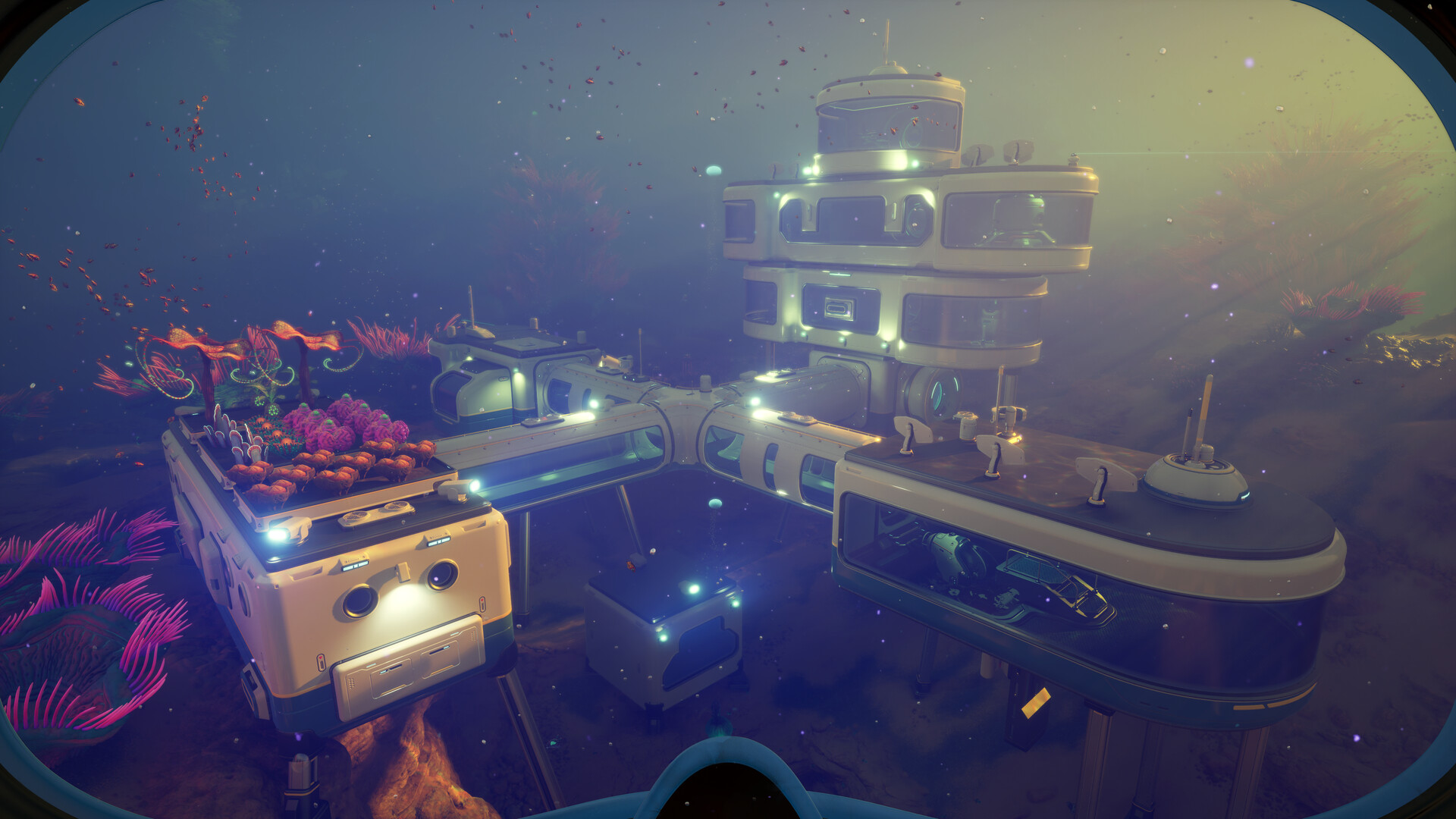
The underwater world also looks significantly denser thanks to Unreal Engine 5. Lighting, shadows, fog, and bioluminescence are much more advanced compared to the original game. Massive coral structures, glowing trenches, volcanic caverns, and darker abyssal zones create a stronger sense of scale and fear.
New co-op mode – long requested by community
The most requested feature in franchise history was official multiplayer, and Subnautica 2 finally delivers it with 4-player online co-op.
Unlike multiplayer mods for the first game, the sequel is designed around cooperative exploration from the beginning. Players can build shared underwater bases, gather resources together, and dive into dangerous regions as a team.
At the same time, the developers confirmed that the game is still fully playable solo. Nothing requires multiplayer, which preserves the isolation and tension that made the original game famous.
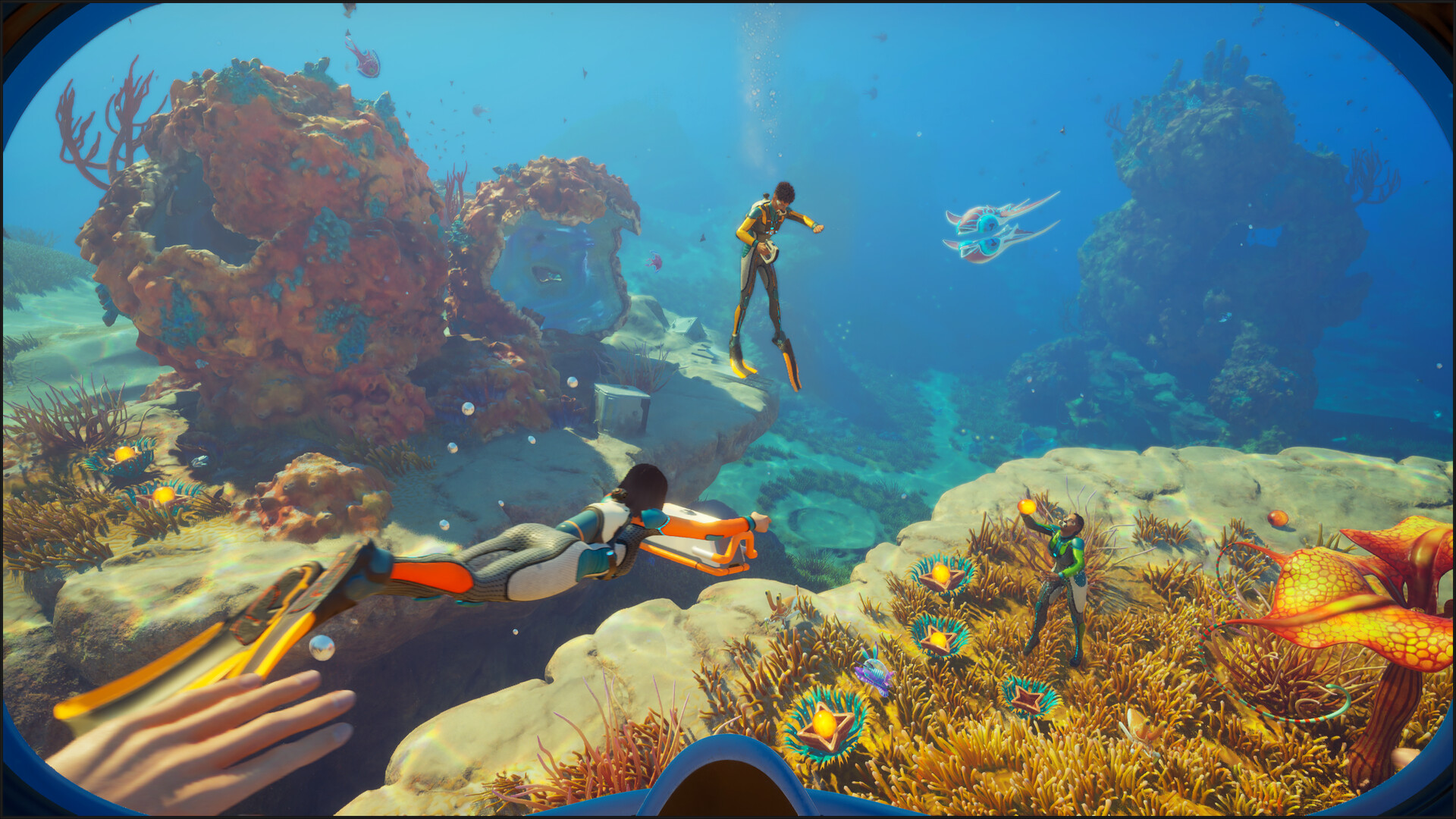
This creates two completely different experiences:
| Playstyle | Experience |
|---|---|
| Solo | Horror-focused survival and isolation |
| Co-op | Team exploration and cooperative resource management |
New type of biomes to explore
The original Subnautica already had memorable zones like the Lost River and Lava Lakes, but Subnautica 2 appears to push biome variety much further.
Although the full biome list has not yet been officially revealed, trailers and previews confirm several entirely new ecosystem types.
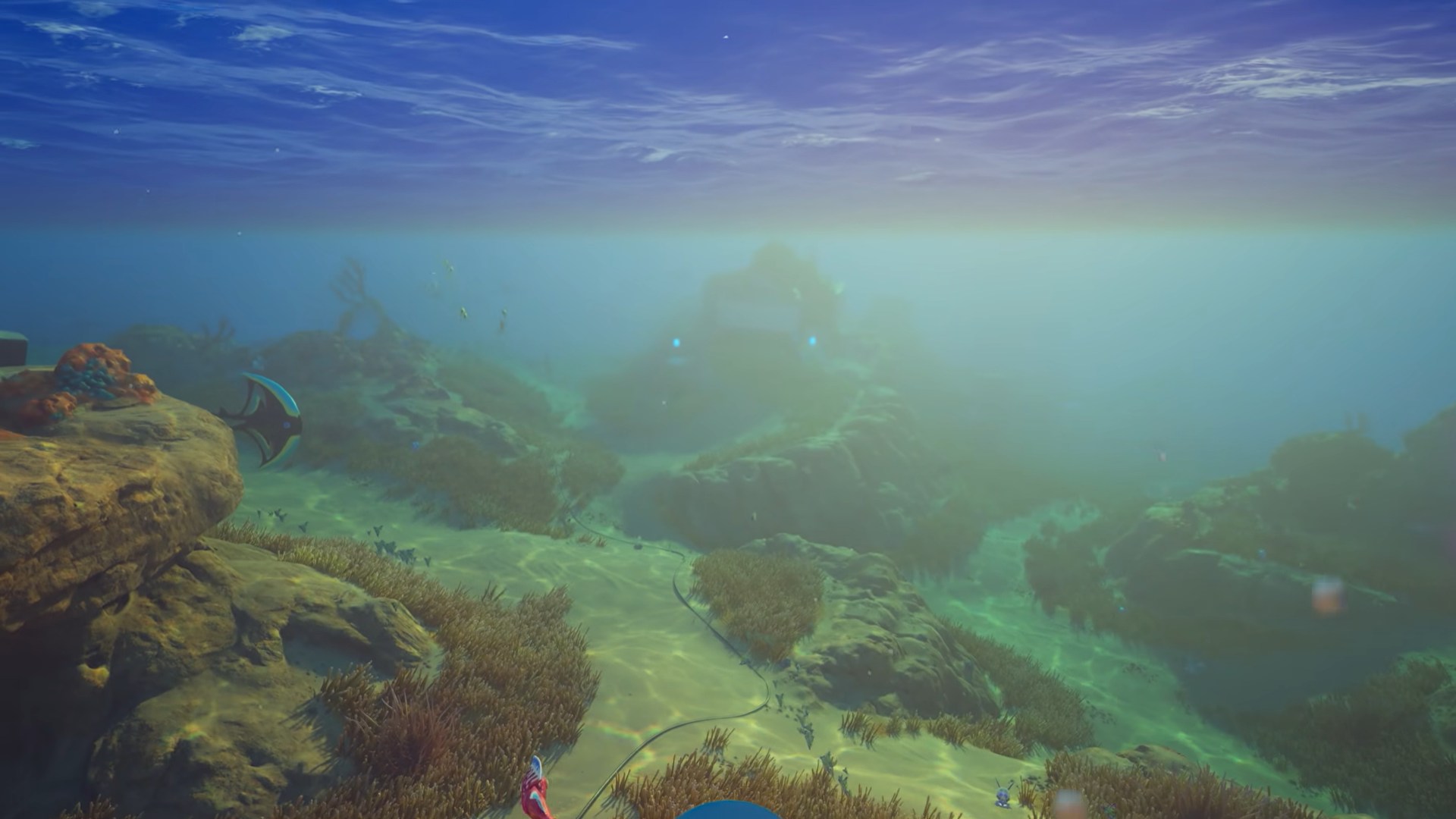
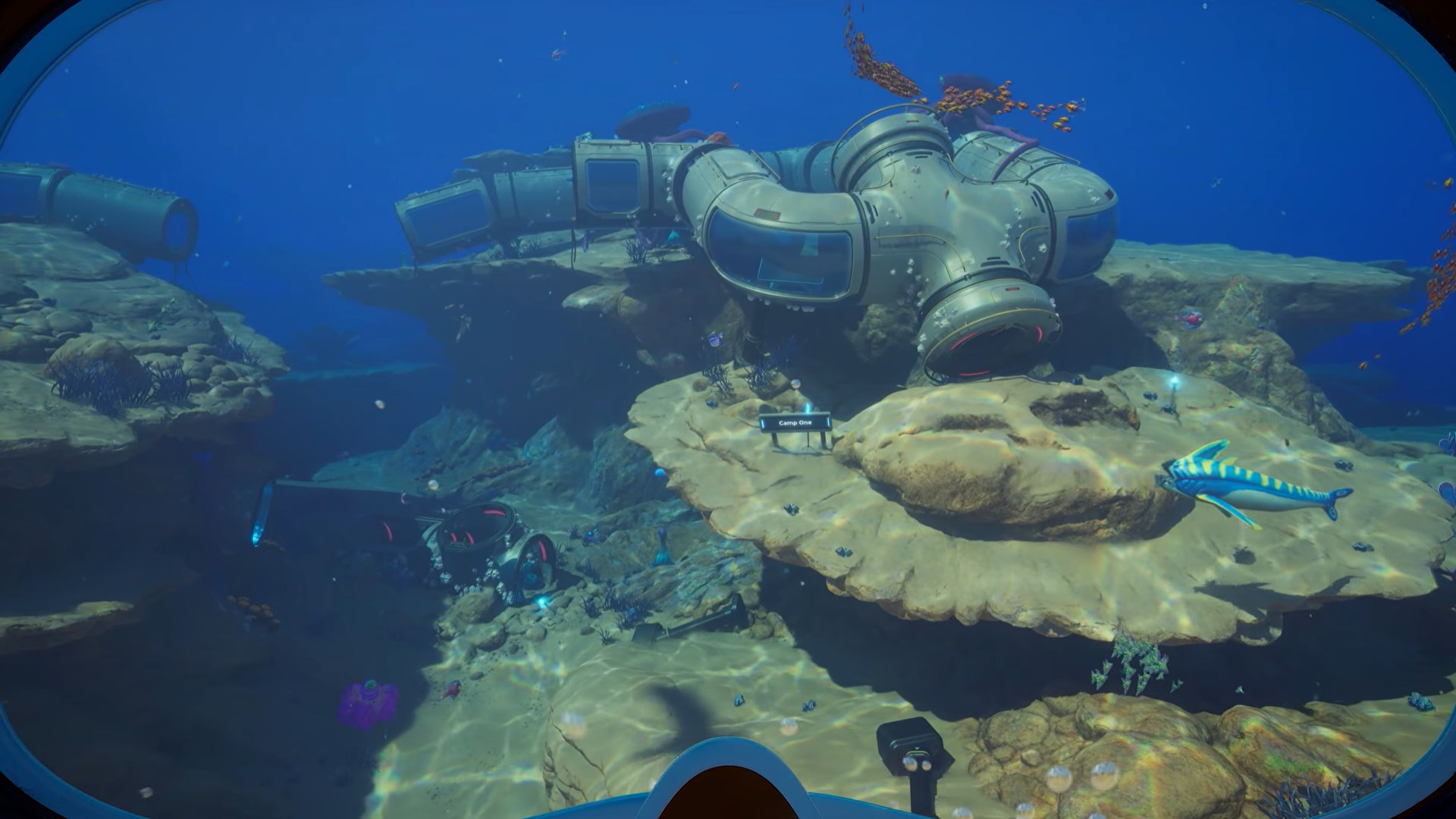
Massive glowing reef systems
These biomes feature dense alien coral formations illuminated by bioluminescent organisms. Visibility constantly shifts depending on lighting and water movement, creating both beautiful and terrifying moments.
Deep trench environments
Several previews show extremely dark abyssal regions that resemble underwater ravines or tectonic fractures. These areas appear designed for late-game exploration and likely contain Leviathan-class predators.
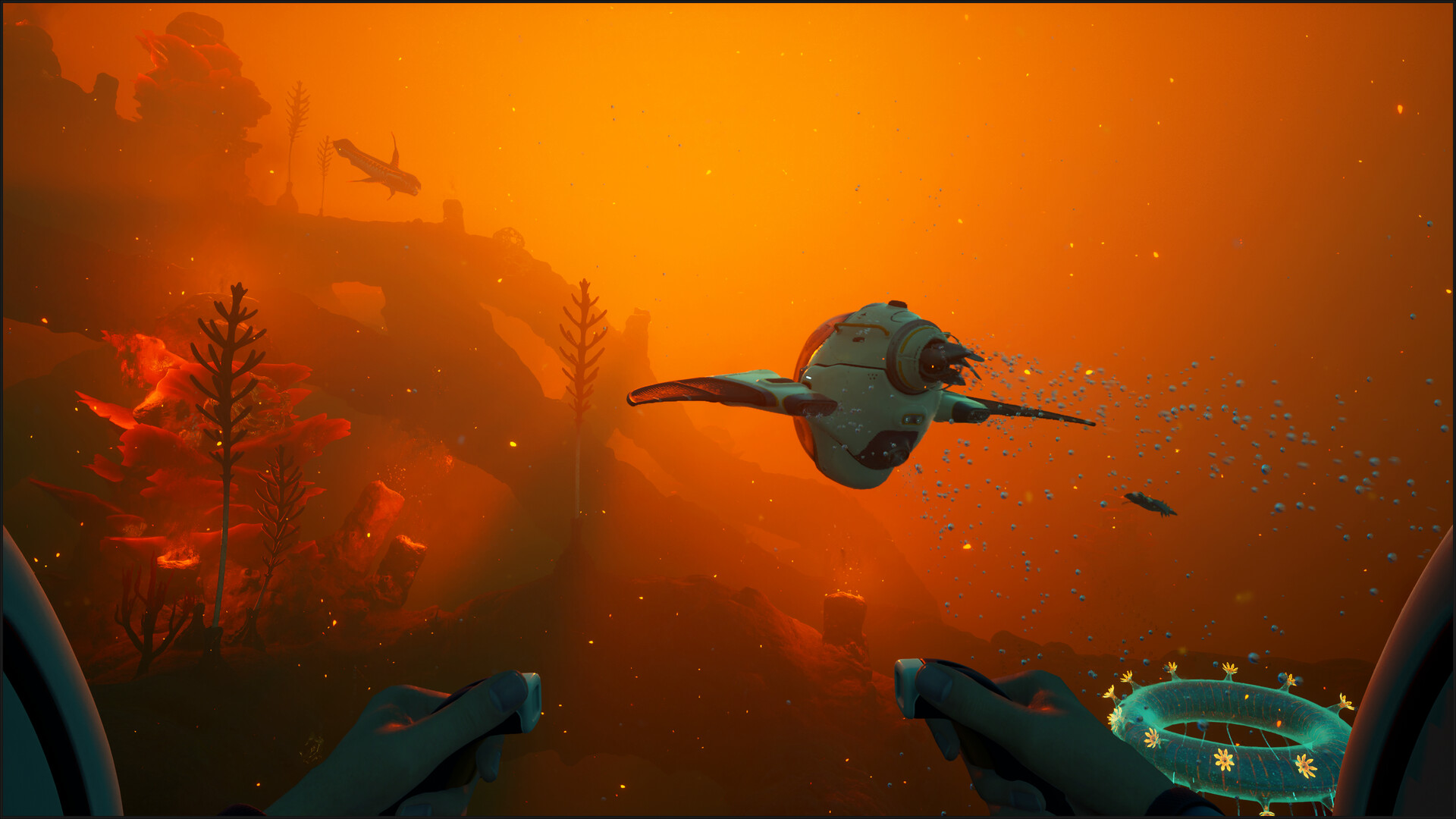
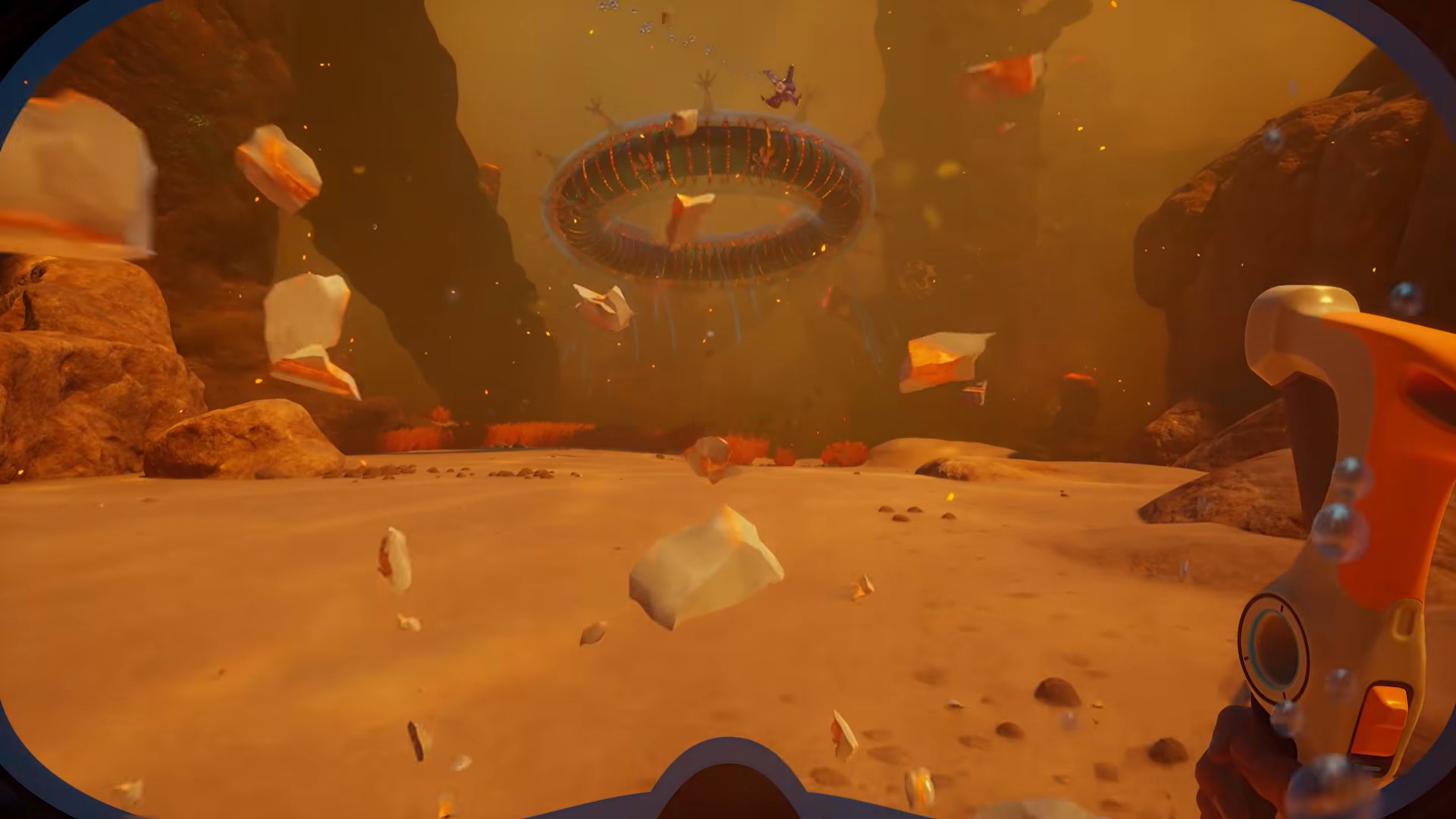
Volcanic and thermal regions
The sequel continues the series tradition of geothermal zones, but with much larger environmental effects. Heat vents, unstable terrain, and current shifts appear more active than before.
Dynamic current zones
Certain areas are affected by powerful underwater currents capable of dragging players or vehicles into hidden regions. This creates environmental unpredictability that did not exist in the original game.
DNA modification changes character progression
Perhaps the most interesting new feature is the DNA adaptation system.
Instead of relying entirely on crafted equipment, players can reportedly modify their own biology to survive harsh underwater conditions. While full details are still limited, trailers hint at abilities tied to environmental adaptation and creature genetics.
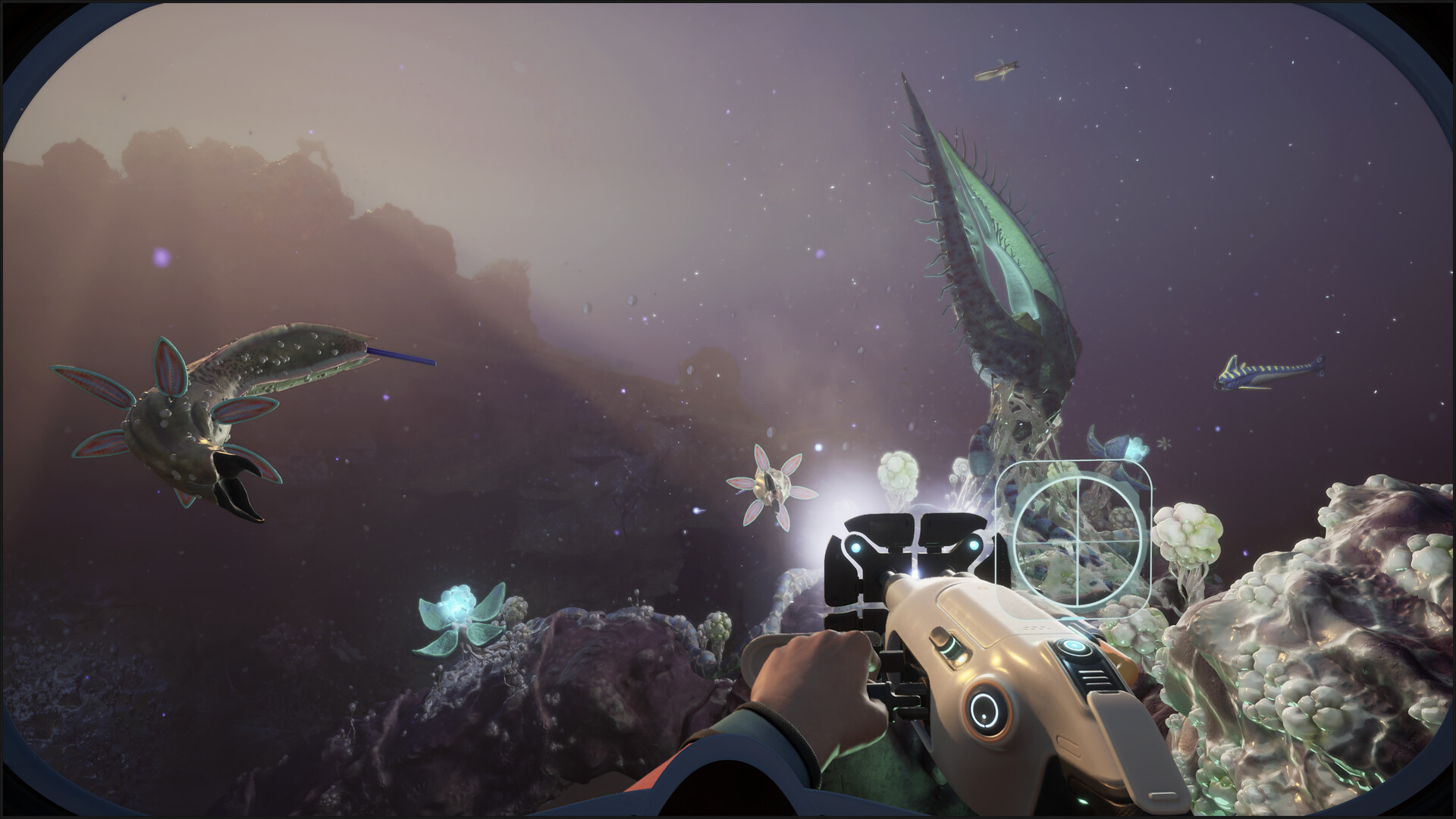
This system was originally planned for earlier Subnautica concepts but never fully implemented. In Subnautica 2, it finally becomes part of the core progression system.
That means survival may involve evolving your character alongside building better technology.
Creature behavior and AI introduction
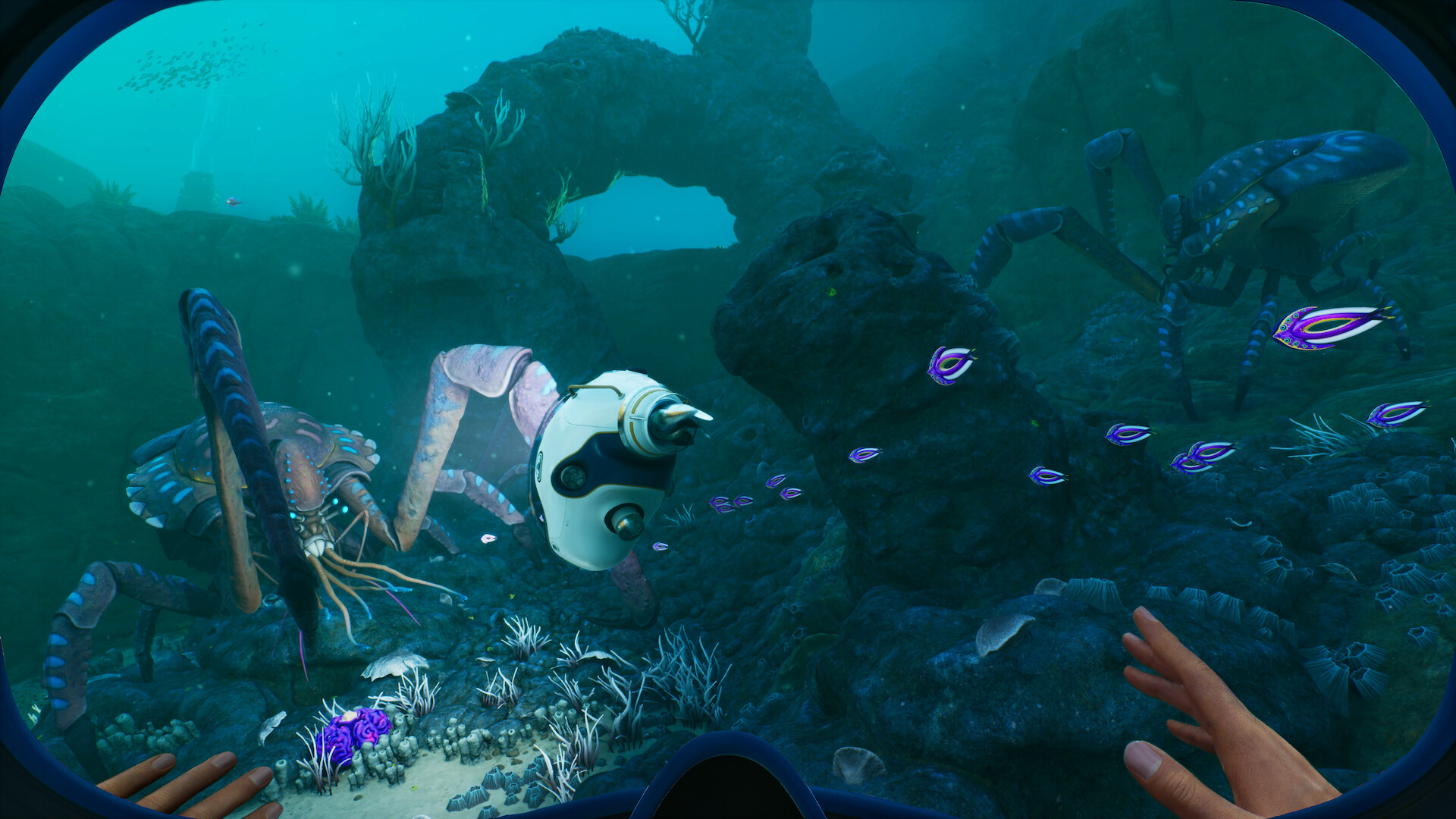
Leviathans were already terrifying in the original game, but Subnautica 2 aims to make creatures feel less scripted and more reactive.
Recent previews mention advanced AI systems that react to movement, sound, and light sources.
That means:
- Loud vehicles may attract predators.
- Bright lights could expose your location.
- Fast movement may trigger aggressive behavior.
- Creatures may patrol dynamically instead of fixed routes.
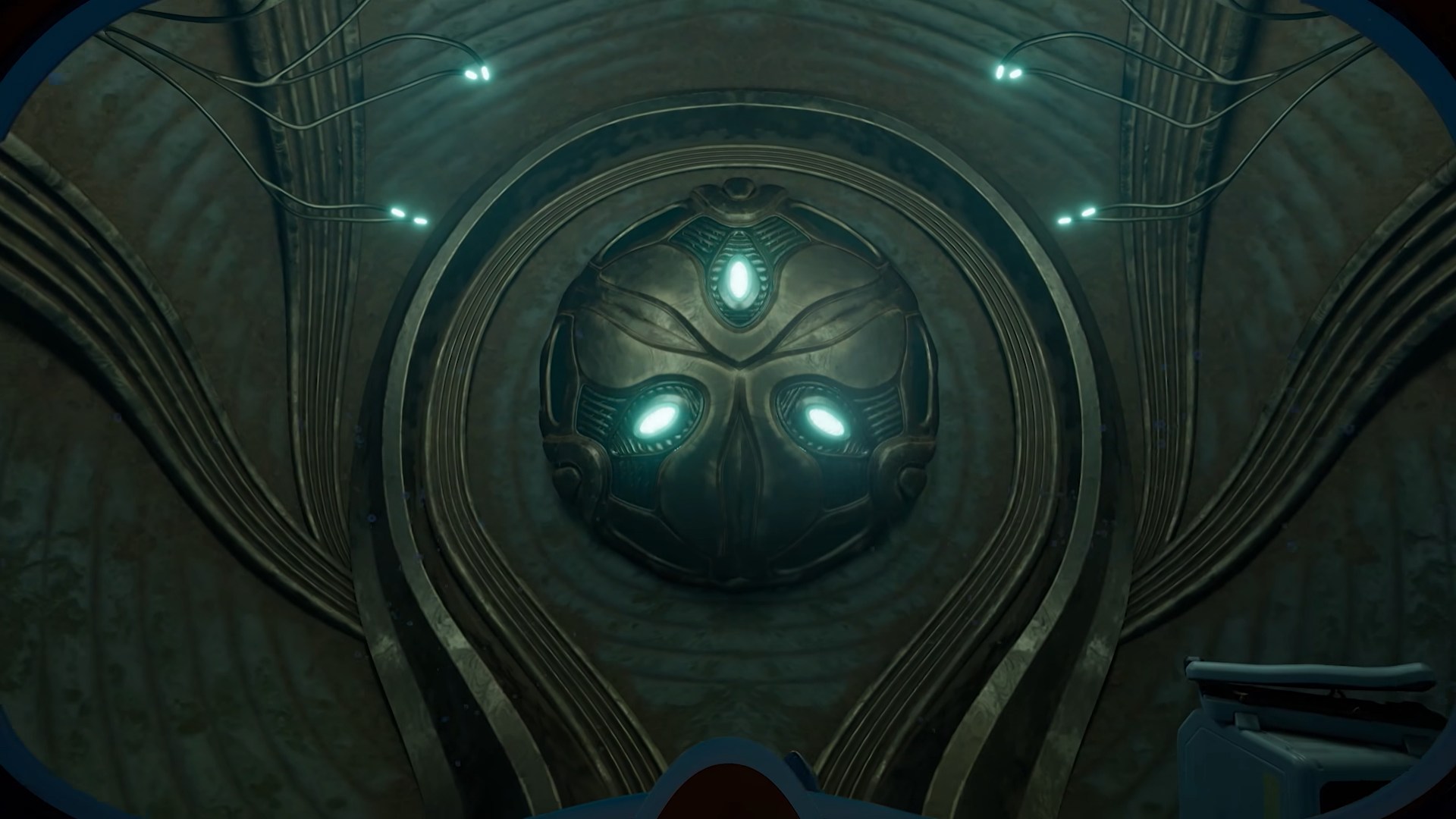
The sequel also introduces entirely new alien species rather than reusing older creatures extensively.
Vehicles and base-building
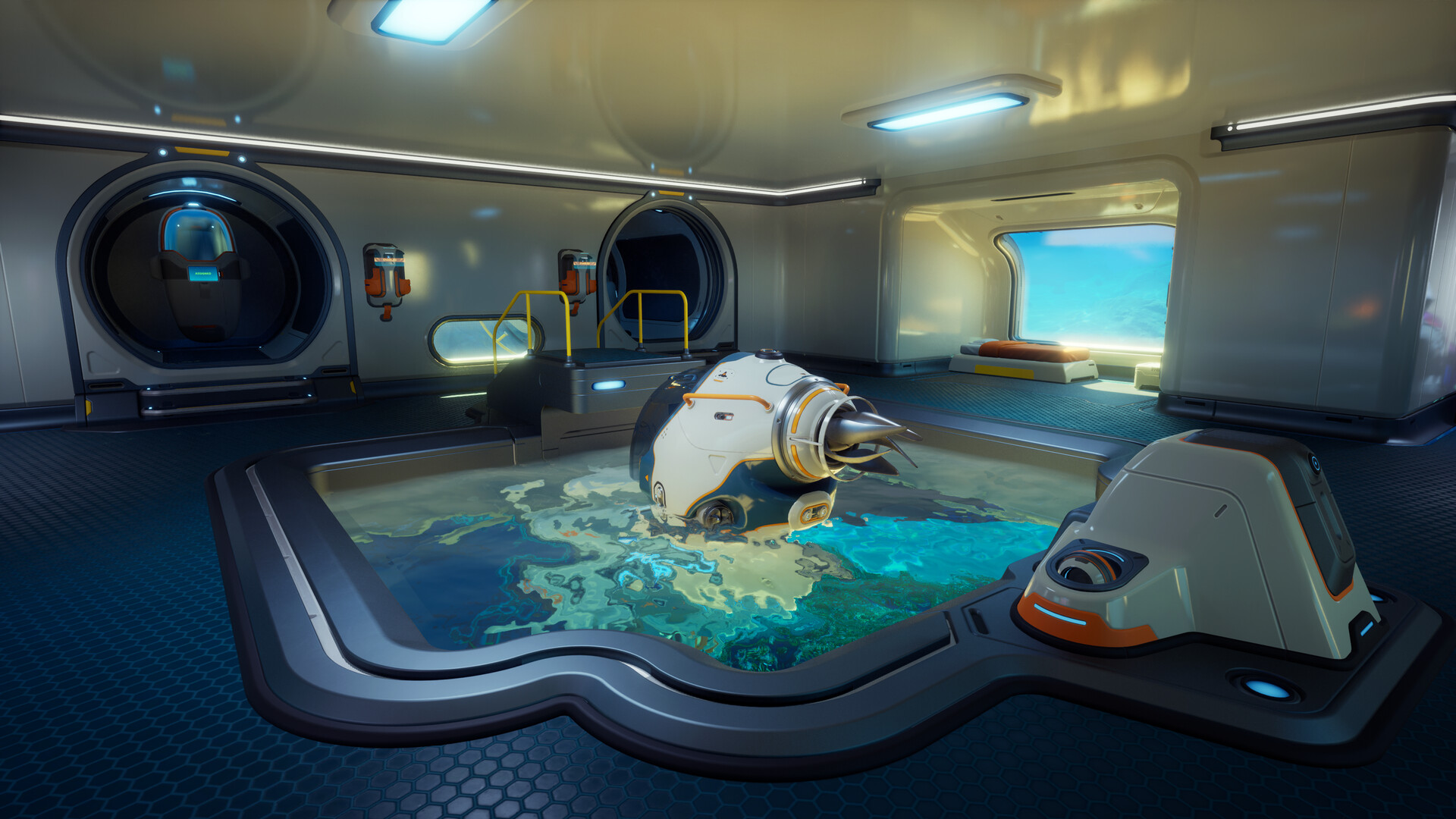
The original game’s Seamoth and Cyclops became iconic, but Subnautica 2 introduces new traversal systems and customizable submarines.
One confirmed vehicle is the Tadpole submersible, designed for deeper exploration and cooperative gameplay.
Base-building also appears more flexible with expanded customization, larger structures, and multiplayer-friendly construction systems.
Developers have also hinted at improved inventory management and shared resource systems, which reduce repetitive micromanagement during co-op sessions.
Subnautica 2 Early Access plans suggest the world will keep expanding
Subnautica 2 launches in Early Access on May 14, 2026, but the developers already confirmed that more content is planned after launch.
Future updates are expected to add:
| Planned Additions | Status |
|---|---|
| Additional biomes | Confirmed |
| More creatures | Confirmed |
| Expanded story chapters | Confirmed |
| New vehicles and upgrades | Confirmed |
| More crafting systems | Planned |
The developers specifically delayed the game to include more content and polish before Early Access release.
Could Subnautica 2 could surpass the original?
What made the first Subnautica special was not combat or action. It was the feeling of descending into the unknown. Subnautica 2 appears focused on amplifying that feeling with smarter systems, more dangerous environments, and stronger immersion.
The combination of co-op exploration, evolving biomes, dynamic ocean mechanics, smarter predators, and DNA-based progression makes the sequel feel much more ambitious than a simple continuation.
At the same time, the developers are clearly trying to preserve the atmosphere of loneliness and fear that defined the original game. Whether you play alone or with friends, the new alien ocean still looks deeply hostile and mysterious.