


- What to know
- Quick overview of the sea wall design
- Modular design benefits and scalability
- Foundation choice and structural identity
- Wall geometry and height optimization
- Wallwalk functionality and visual detailing
- Cannon placement and defensive strategy
- How to build defensive sea wall in Windrose
- Rewards and benefits of building a sea wall
What to know
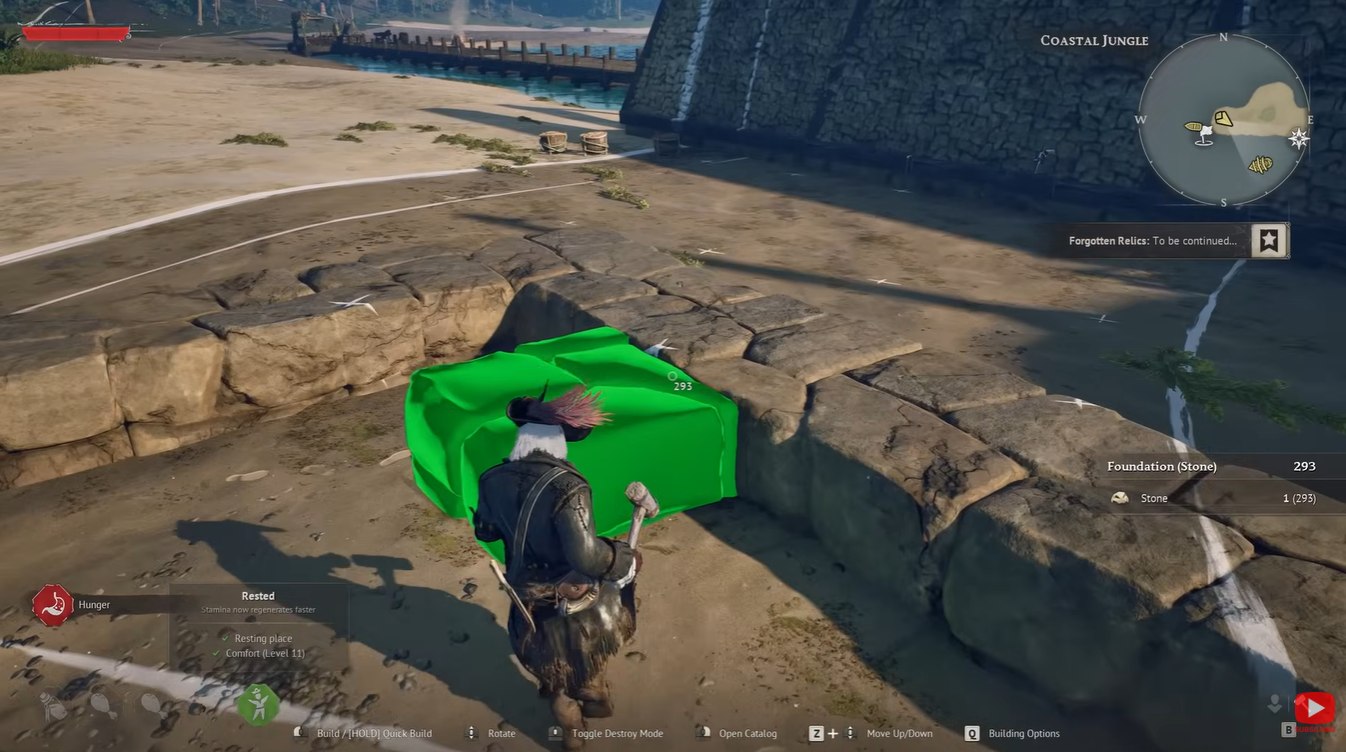
- The sea wall is built on a scalable 5×5 modular foundation design
- Rough stone foundations provide durability and a military aesthetic
- Optimal wall height is three blocks for balance and defense
- Cannons are limited resources, so placement strategy matters
Creating a defensive sea wall in Windrose is less about brute force and more about thoughtful structure design. You are essentially building a system that protects your coastline while remaining flexible enough to expand as your base grows. This guide walks you through how to construct a highly adaptable sea wall that blends defense, function, and visual appeal.
Quick overview of the sea wall design
| Element | Recommended Setup | Purpose |
|---|---|---|
| Foundation | Rough Stone (5×5 grid) | Strong base, modular expansion |
| Wall Height | 3 Blocks | Balanced defense and visibility |
| Wall Type | Incline + Flat Walls | Improved structure geometry |
| Walkway | Flat platform with railing | Guard movement and patrol |
| Defensive Feature | Cannon (Military Set) | Long-range deterrence |
| Aesthetic Detail | Timber Beam Work | Visual break and realism |
Modular design benefits and scalability
The core strength of this build lies in its modularity. By starting with a 5×5 foundation grid, you create a repeatable unit that can be extended in any direction. This means you are not locked into a single wall shape. Instead, you can curve your defenses into towers, stretch them into long coastal barriers, or even connect multiple sections into a fortified harbor.

This approach also simplifies planning. You don’t need to redesign every expansion—you just replicate the base module and adjust terrain alignment as needed.
Foundation choice and structural identity
The “rough stone” foundation is the preferred choice for this build because it balances strength with visual authenticity. When you’re constructing something meant to withstand attacks, wood or lighter materials simply won’t give the same impression or resilience.
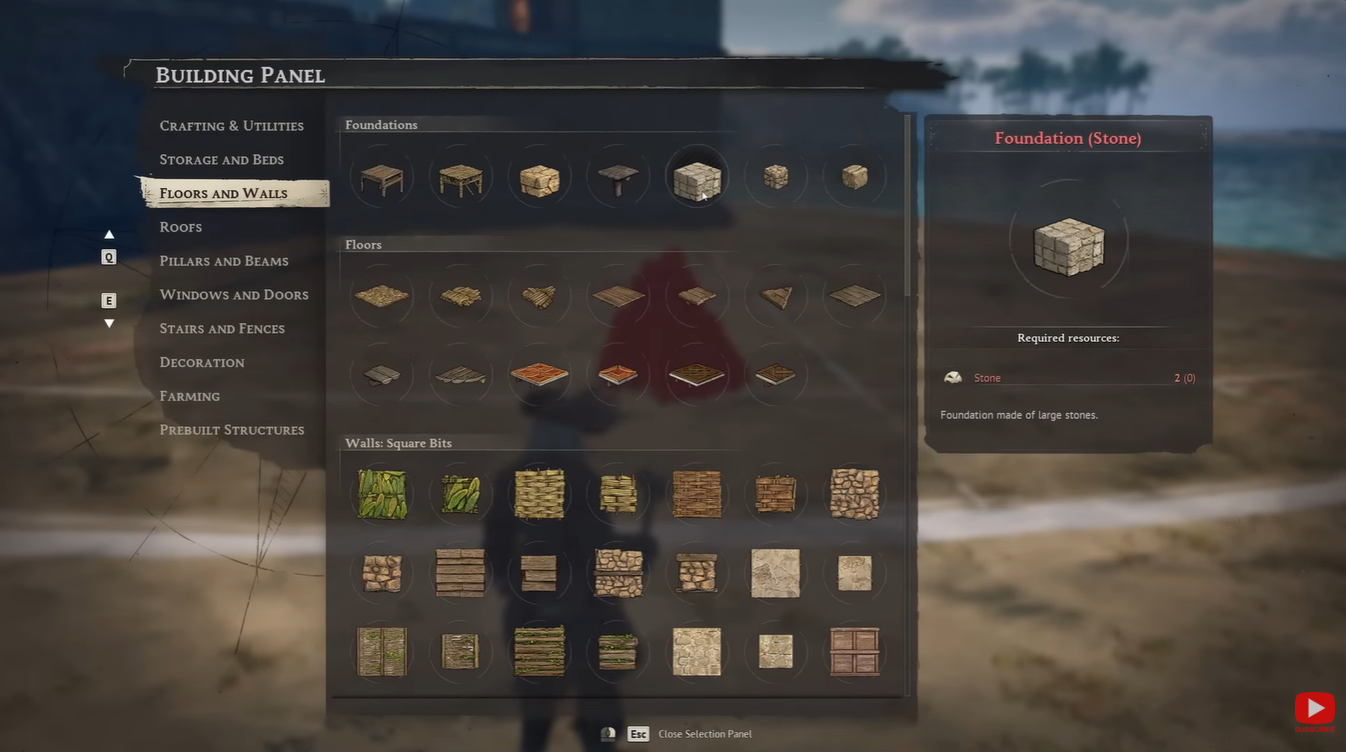
It also enhances immersion. A sea wall should feel like a military structure, and rough stone delivers that rugged, fortified look that fits naturally into coastal environments.
Wall geometry and height optimization
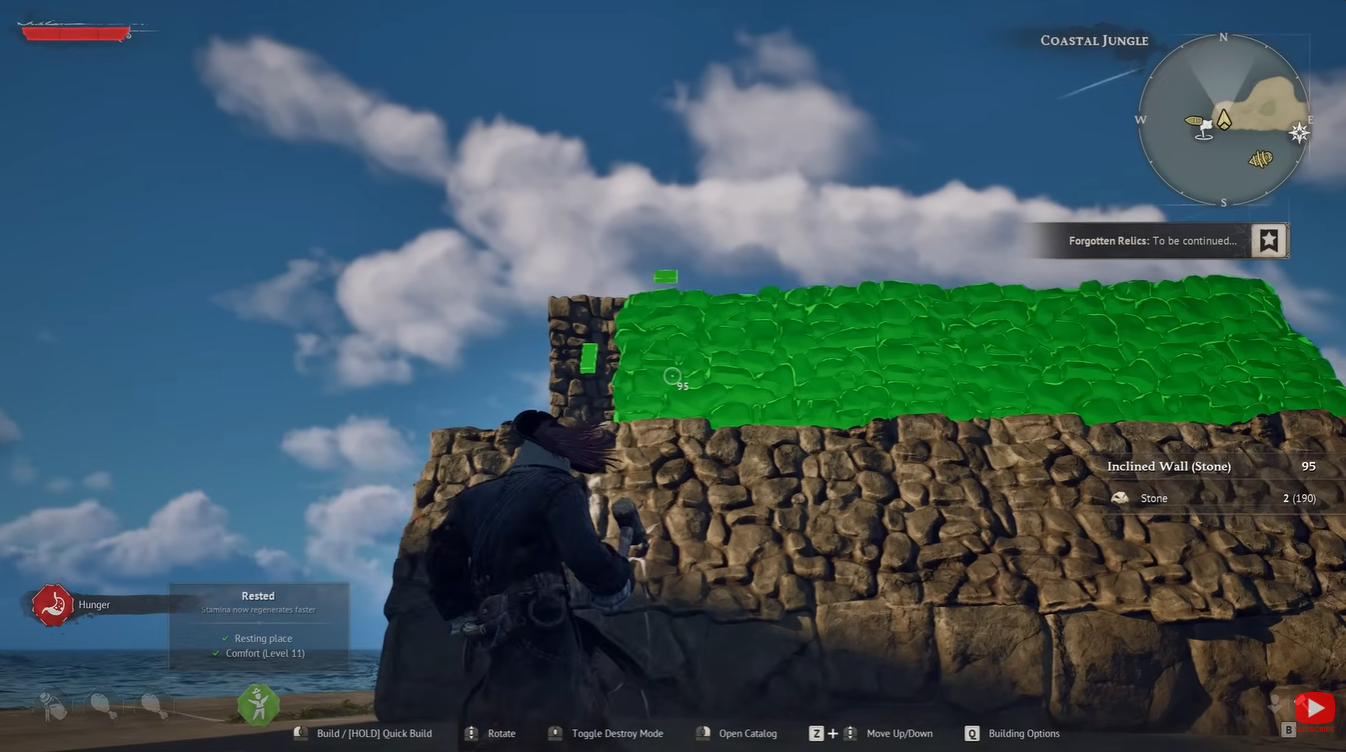
Wall geometry is where your design becomes functional rather than just decorative. You should combine incline walls with flat vertical segments to create a layered structure that looks realistic and provides better defensive angles.
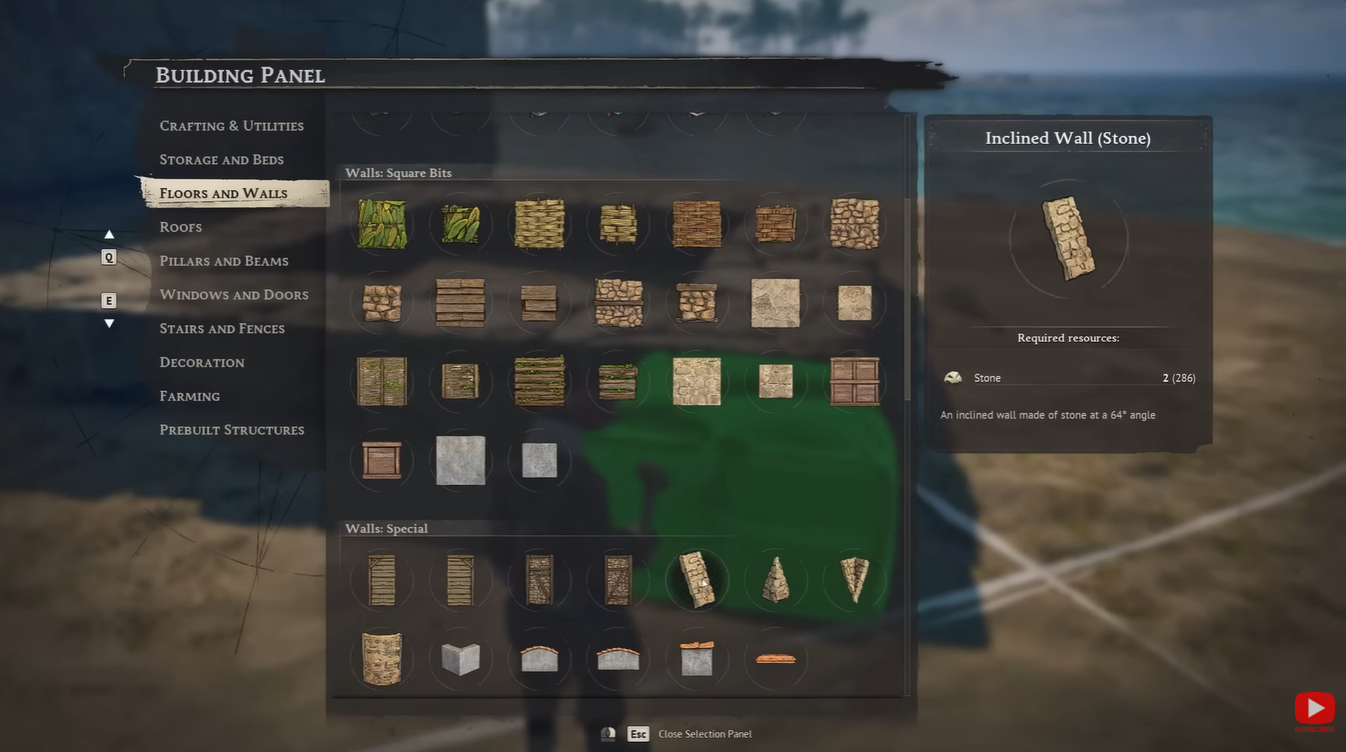
The ideal height is three blocks. This gives you enough elevation to spot threats while still allowing easy movement across the wall. Taller walls may look impressive but often become impractical for traversal and resource cost.
Wallwalk functionality and visual detailing
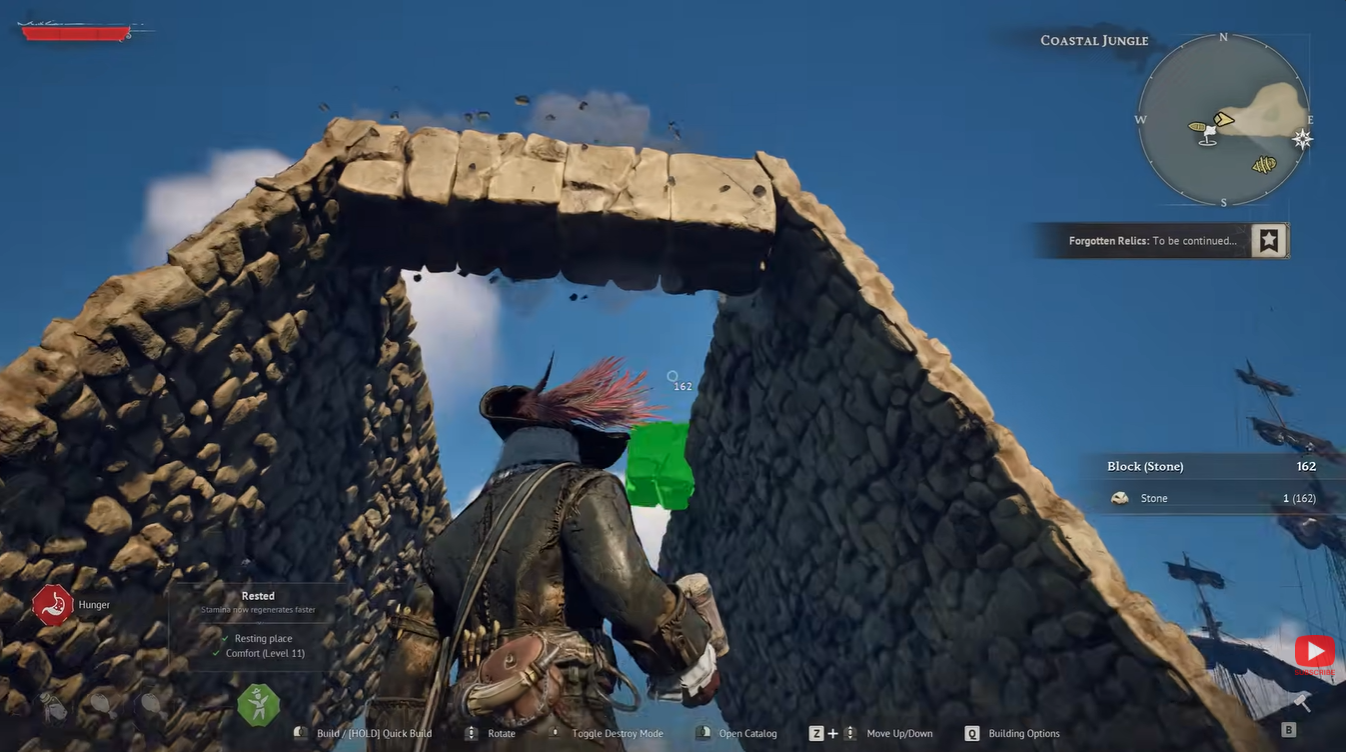
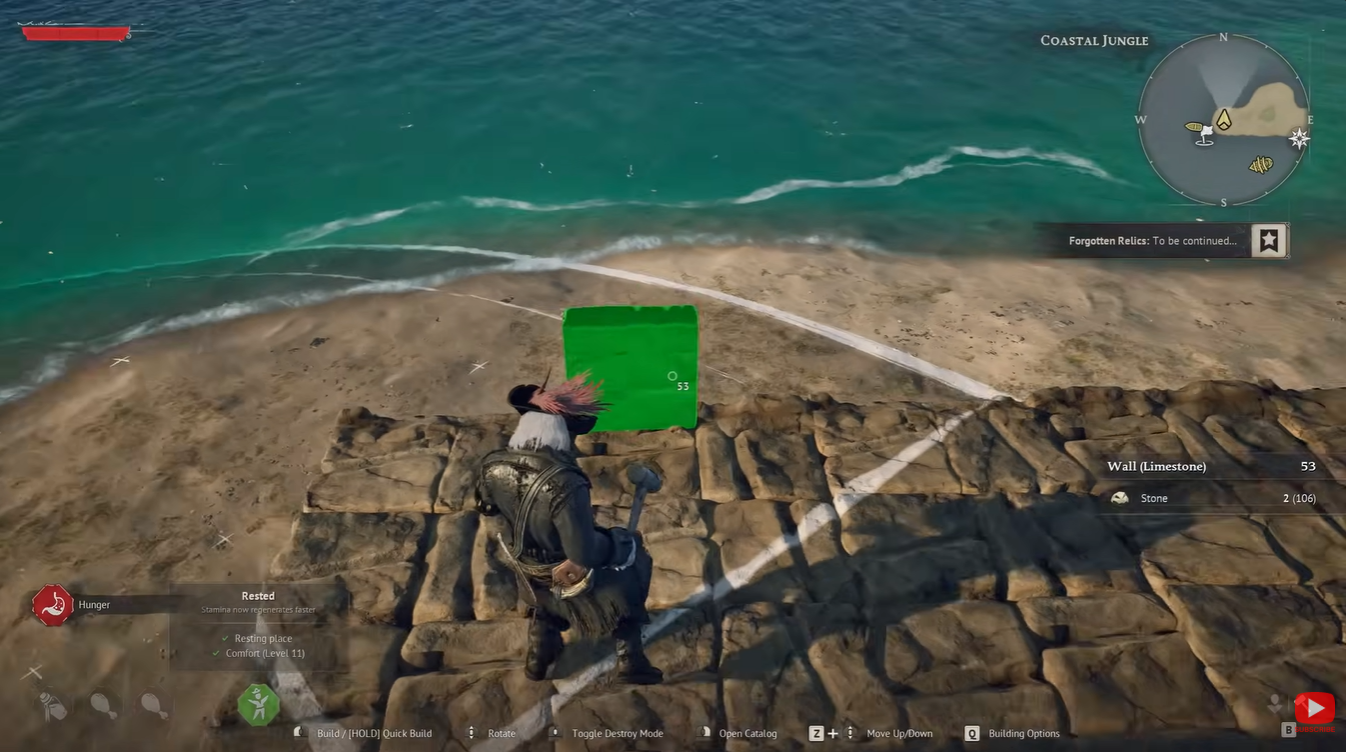
A sea wall isn’t complete without a functional wallwalk. This is where your guards—or you—will patrol and respond to threats. The walkway should be wide enough for movement and lined with simple barriers like rope fencing for safety.
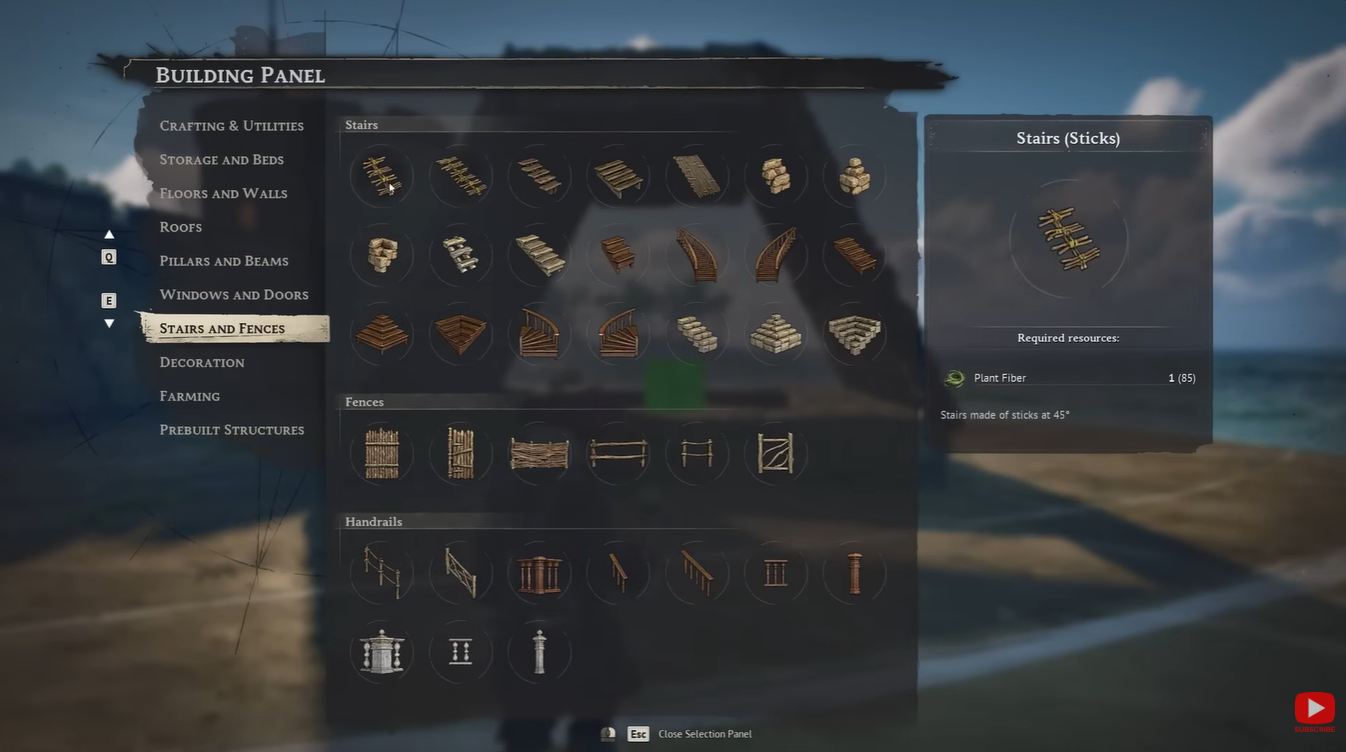
To avoid a flat, lifeless appearance, integrate timber beam detailing. This breaks up the monotony of stone and adds a sense of construction realism. It also visually communicates that your wall is reinforced and thoughtfully built.
Cannon placement and defensive strategy
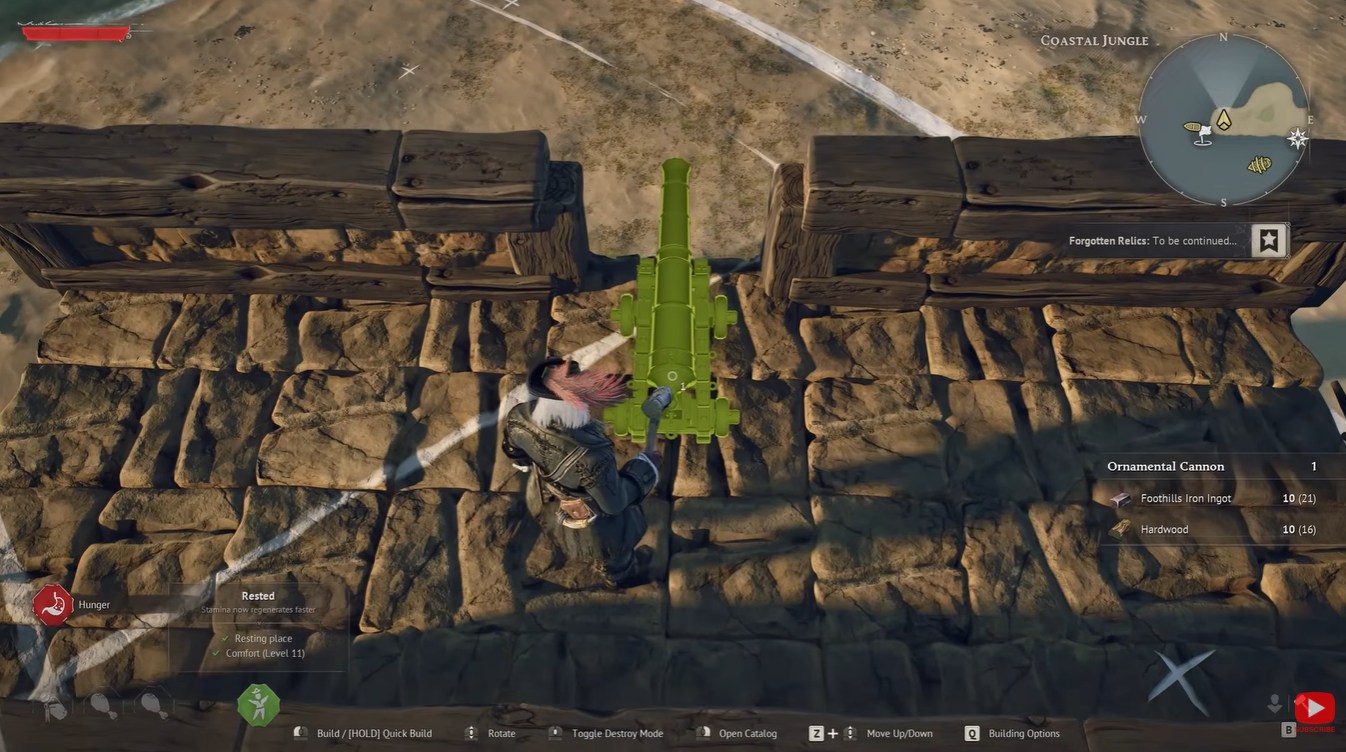
Cannons are the most powerful element of your sea wall—but also the most limited. You shouldn’t place them everywhere. Instead, think of them as deterrents positioned at key angles where enemies are most likely to approach.
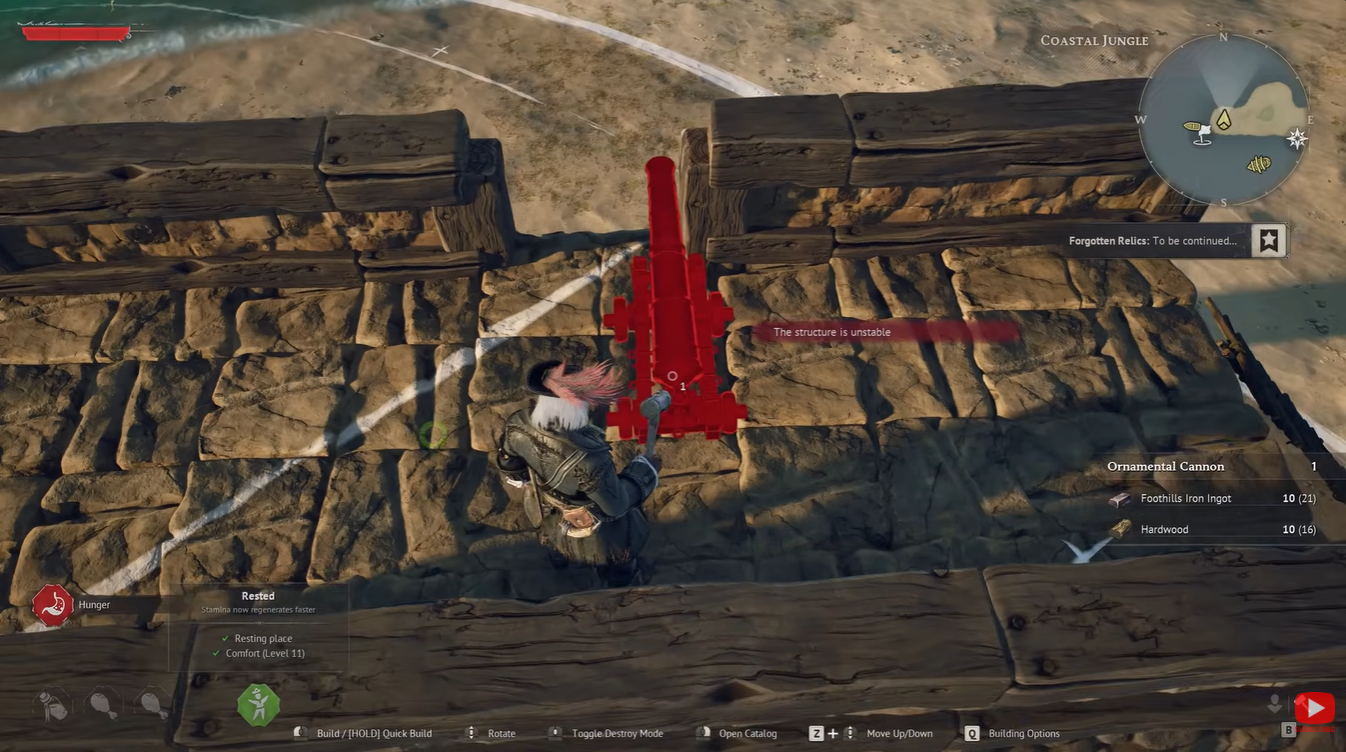
Elevated gun decks with rope fencing help define these zones. By slightly raising the cannon platform, you improve line of sight and firing angles while keeping the structure organized.
How to build defensive sea wall in Windrose
Step 1
Start by placing a 5×5 rough stone foundation grid along your coastline. Ensure it aligns with the terrain and leaves room for expansion.
Step 2
Build up your walls to a height of three blocks using a mix of flat and incline wall pieces. Focus on maintaining symmetry and clean edges.
Step 3
Add a flat platform on top to serve as the wallwalk. This should cover the entire structure and allow smooth movement.
Step 4
Install rope fencing or barriers along the edges of the wallwalk. This improves both safety and visual clarity.
Step 5
Incorporate timber beam detailing into the outer walls. Space them evenly to create a reinforced appearance.
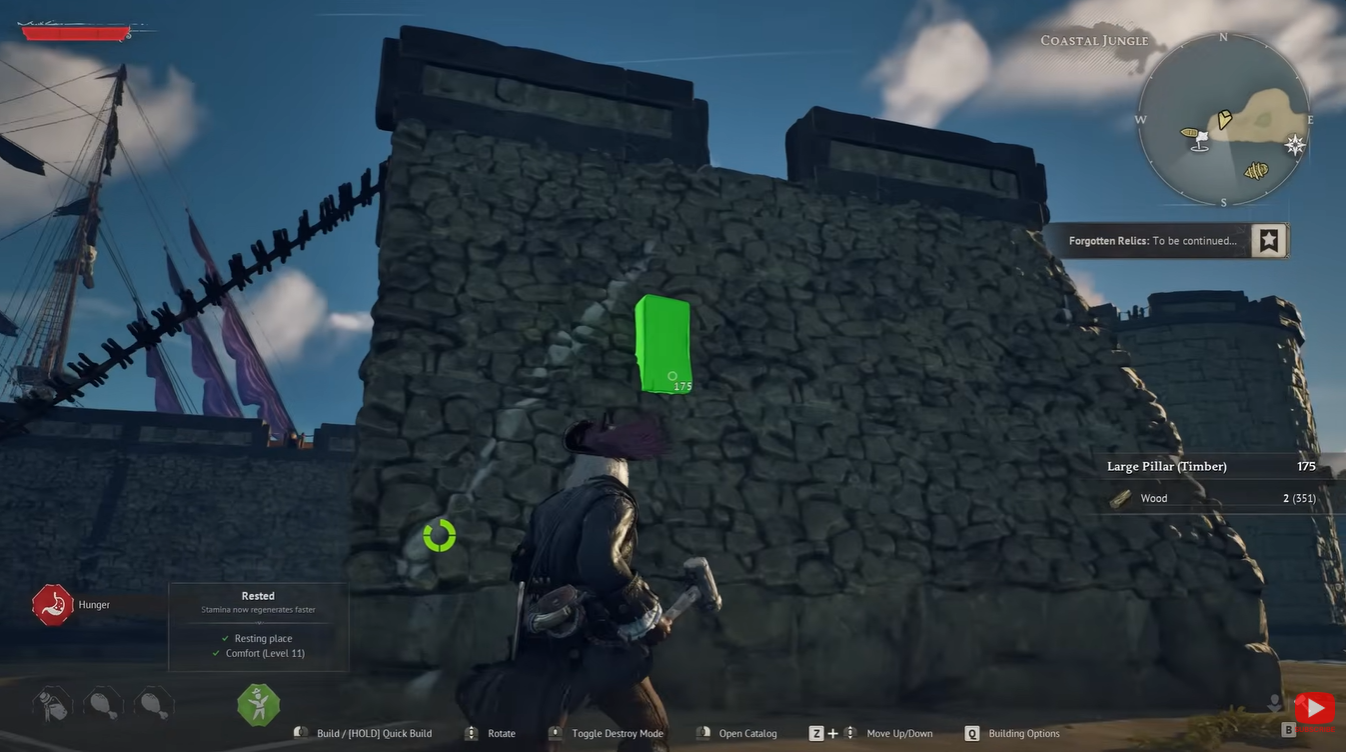
Step 6
Designate specific sections as cannon platforms and install cannons there. Avoid overuse—focus on high-impact positions.
Step 7
Expand your structure by repeating the 5×5 module outward or shaping it into towers and curves.
Rewards and benefits of building a sea wall
One of the most powerful aspects of this system is its scalability. You can transform a simple sea wall into a massive defensive network by chaining modules together. Over time, your structure can evolve into a full harbor fortress, complete with towers, layered defenses, and controlled entry points.
| Benefit | Description |
|---|---|
| Coastal Protection | Shields your base from sea-based threats |
| Modular Expansion | Easily extend or reshape defenses |
| Resource Efficiency | Reusable design minimizes planning cost |
| Tactical Advantage | Elevated position improves visibility |
| Aesthetic Value | Creates a realistic fortified harbor |
This flexibility ensures your build never becomes obsolete. As threats increase, you simply expand rather than rebuild.
A well-designed sea wall in Windrose is as much about planning as it is about construction. By focusing on modular design, balanced height, and strategic resource use, you create a defense that grows with you.
If you approach this build thoughtfully, you’ll end up with a structure that not only protects your base but also defines it visually. And that’s what turns a simple wall into a true fortress.




Leave a Reply