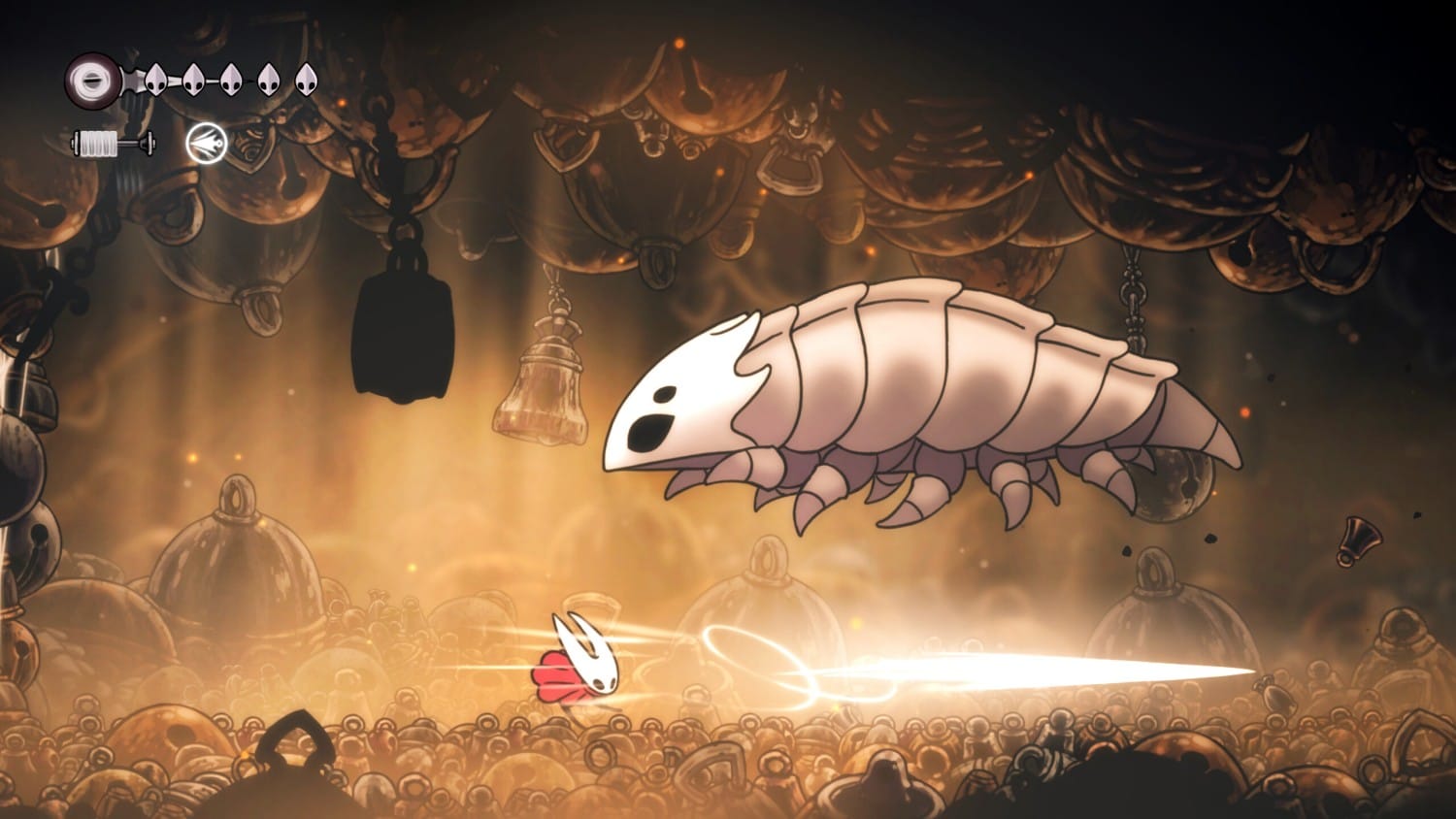
A fast-paced sequel where heightened threats and precise platforming demand mastery, Silksong raises the bar for challenge in the series—in every thrilling, punishing encounter.
What to know:
- Hornet’s agility and silk-based mechanics reshape combat and healing.
- Enemies often deal double damage, turning early areas into traps.
- New platforming obstacles like angled downward attacks make navigation risky.
- Silksong builds bigger, denser areas and more bosses than Hollow Knight.
Silksong leaps into the realm of brutally delightful metroidvania action, demanding both reflex and patience. Hornet’s swift moves and silk-fueled healing give a fresh rhythm—but the game also tightens its grip on difficulty, demanding sharper focus at every turn.
Hornet’s mobility and silk-centred combat reshape challenge
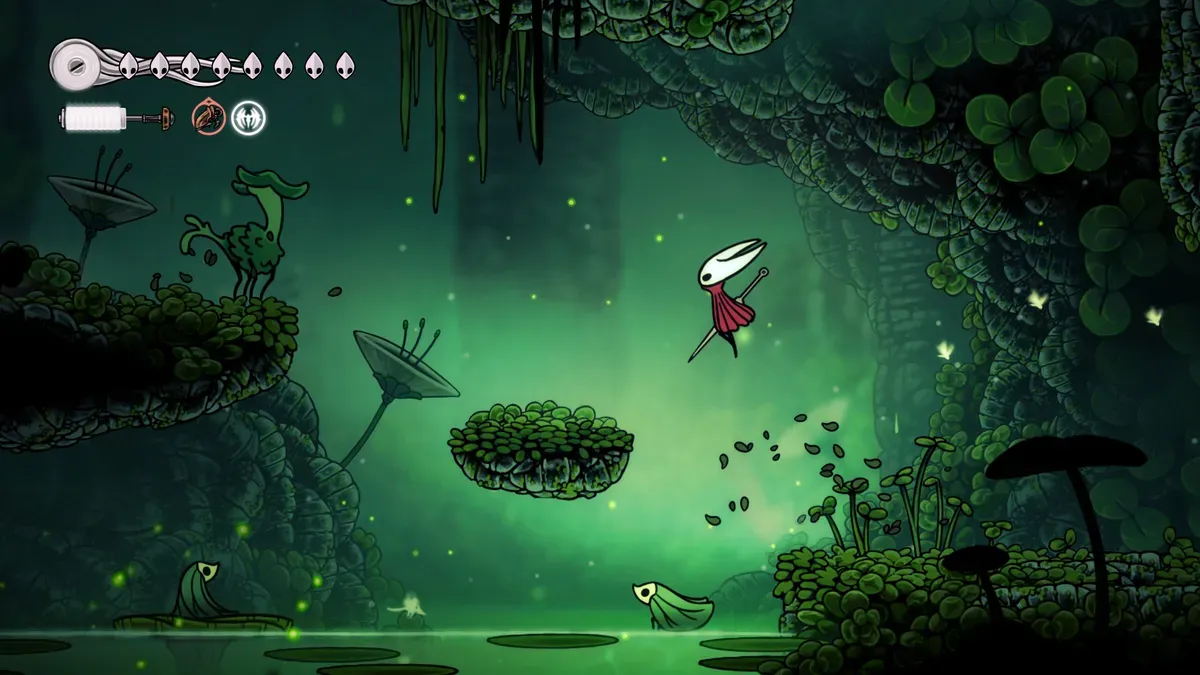
Hornet dashes through Pharloom with acrobatic flair: Sprinting, aerial combos, and silk-based healing that’s more immediate than the Knight’s. The Silk gauge refills with enemy defeats, rewarding aggressive play and turning combat into resource management as much as timing and precision.
That faster healing adds strategy, yet also raises stakes—mistakes must be paid for, and recovery requires tactical elimination of foes.
Enemies hit harder—sometimes twice as hard
Common enemies now often strip away two masks per hit, a change from the first game where double damage was usually reserved for bosses. This makes early areas far less forgiving and forces sharper awareness in every encounter.

Angled pogo introduces risky platforming traps
Hornet’s downward attack slashes diagonally, not straight down. Early zones like Hunter’s March place red bouncing pods—easy to overshoot with the angled attack, often resulting in surprise falls and split-second failure.

An unlockable crest—Wanderer’s Crest—reverts that attack to straight downward slashes, offering improved control and safer traversal through those tricky platforming sections. Also…
Comment
by
u/riftcode from discussion
in
HollowKnight
Bigger world, more bosses, deeper quest systems
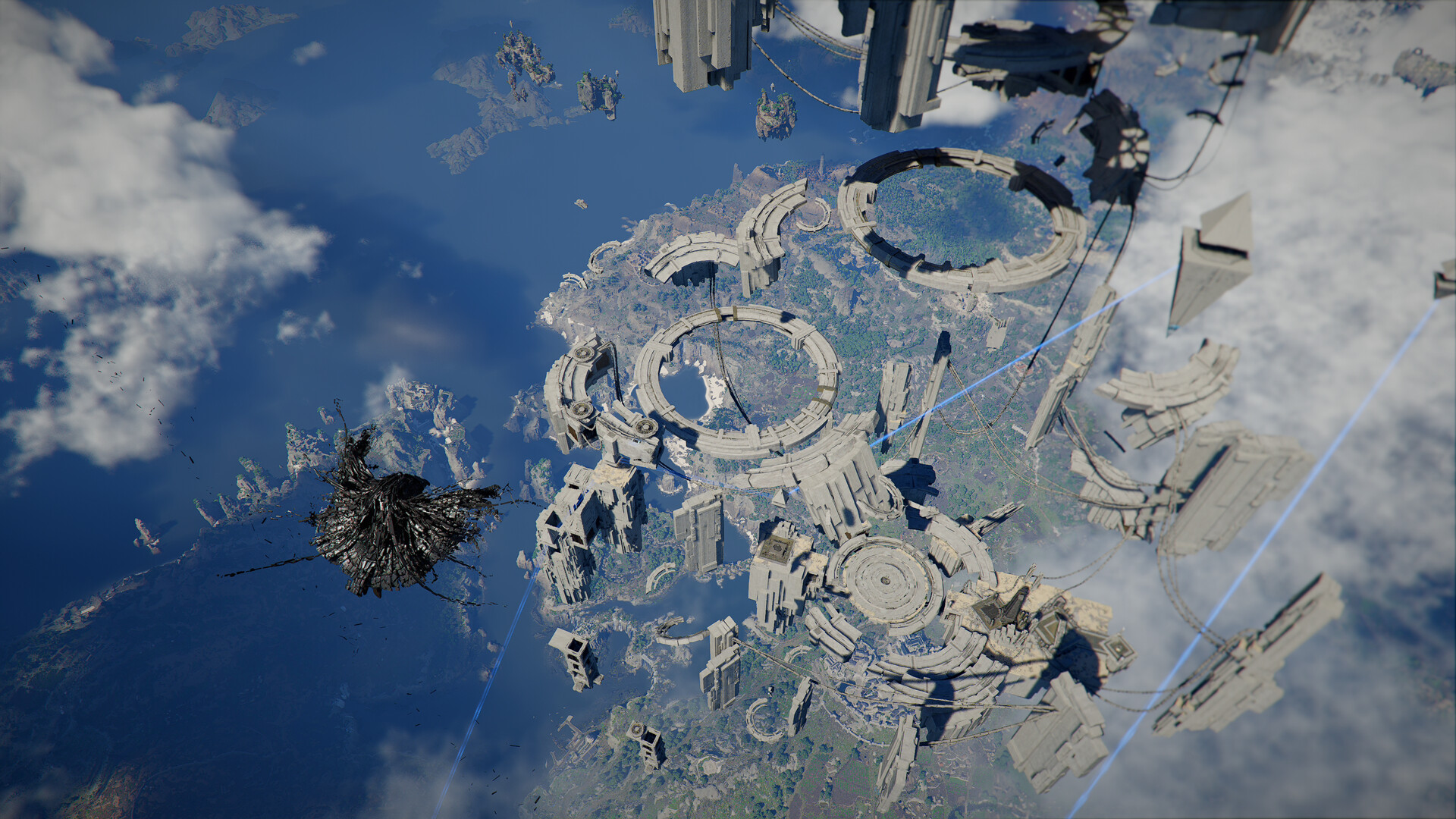
With over 200 enemies, 40+ bosses, and nearly 100 benches, Silksong outpaces its predecessor in sheer scope. The world of Pharloom stretches vertically and horizontally, demanding more exploration and endurance. Side quests (Gather, Wayfarer, Hunt, Grand Hunt) enrich the journey, tracking tasks through a journal—and sometimes pulling focus away from core traversal in tense moments.

Minimal but crucial accessibility tweaks
Fine-tuning comes in small doses—camera shake can be disabled, HUD hidden for clarity, and audio cues muted via “Hero Voice.” Controls are fully rebindable, and the game supports ultrawide and Steam Deck display setups—always helpful when split-second platforming depends on perfect visibility and comfort.
Why heightened challenge matters
Silksong turns every mechanical shift into an opportunity for mastery. The angled slashes demand route memorization, the swift healing expects diligent combat, and the two-hit precision forces every move to count. It’s not harsher just to frustrate—but to elevate the feeling when finally it clicks, pushing players into a tighter, more rewarding flow.

Silksong doesn’t merely lean into difficulty—it molds challenge through every system. Combat, traversal, environment design, and healing all ask for focused acumen. That steep climb can feel punishing, but reaching its peaks delivers one of the most satisfying experiences in recent metroidvanias.