

- What to know
- How the new interior furniture changes base decoration
- Stacked Rooms could completely change large base designs
- The Tadpole Blister Dock may introduce dedicated vehicle infrastructure
- New foundations and superconducting platforms are still unfinished
- Duplex Solar Panels appear designed for large-scale power generation
- Current Rings could become a major transportation mechanic
- Portable survival equipment hints at expanded expedition gameplay
What to know
- Subnautica 2’s early access console build includes several unreleased base-building pieces and furniture items.
- The Tadpole Blister Dock appears to be a dedicated docking station for the upcoming Tadpole vehicle.
- Stacked Rooms could enable multi-level open interiors and more advanced base layouts.
- Most showcased items are still experimental and may change before official release.
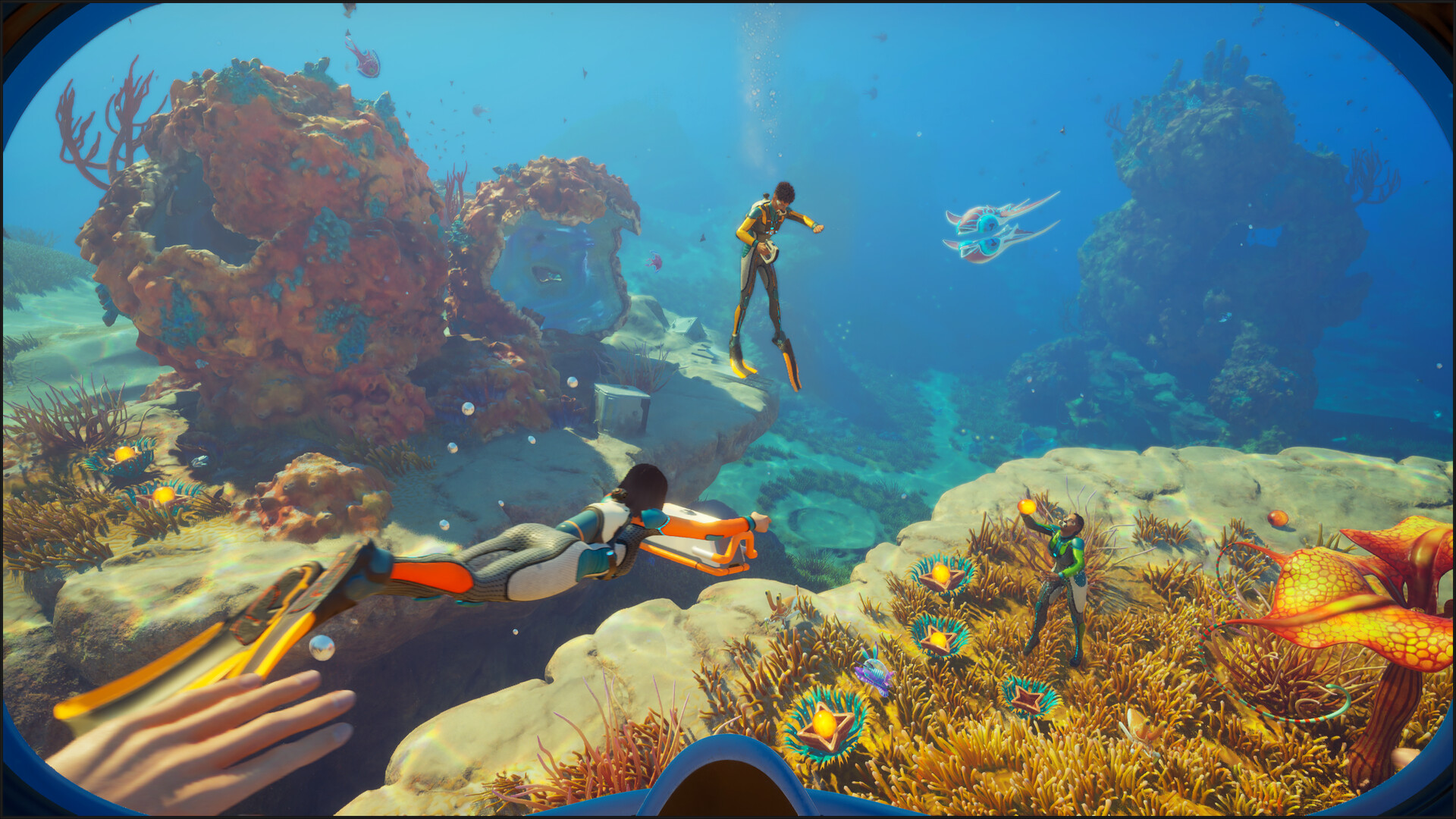
Subnautica 2’s building system already expands on the original game’s underwater construction mechanics, but recent early access console discoveries suggest that the developers are preparing a much larger overhaul for future updates. A newly showcased collection of hidden and unfinished base pieces gives players an early glimpse at experimental furniture, structural modules, utility devices, and transportation systems that could dramatically change how underwater bases function.
Several of these features are still clearly unfinished, but they already hint at a more modular and customizable building experience compared to earlier Subnautica titles.
| Feature | Type | Current Status | Main Purpose |
|---|---|---|---|
| Tadpole Blister Dock | Vehicle Dock | Experimental | Docking the Tadpole vehicle |
| Stacked Rooms | Structural Piece | Functional Prototype | Multi-story interiors |
| Duplex Solar Panels | Power Generation | Work in Progress | Increased solar energy output |
| Current Rings | Transportation Utility | Experimental | Faster underwater travel |
| Portable Oxygen Generator | Survival Utility | Prototype | Temporary oxygen supply |
| Curved Sofas | Interior Decor | Mostly Functional | Flexible room decoration |
| Superconducting Foundations | Structural Base | Incomplete | Advanced support platforms |
How the new interior furniture changes base decoration
One of the biggest highlights from the showcase is the large expansion of interior decoration pieces. While Subnautica has traditionally focused more on survival mechanics than customization, these upcoming additions suggest the sequel may put much more emphasis on personalizing underwater habitats.
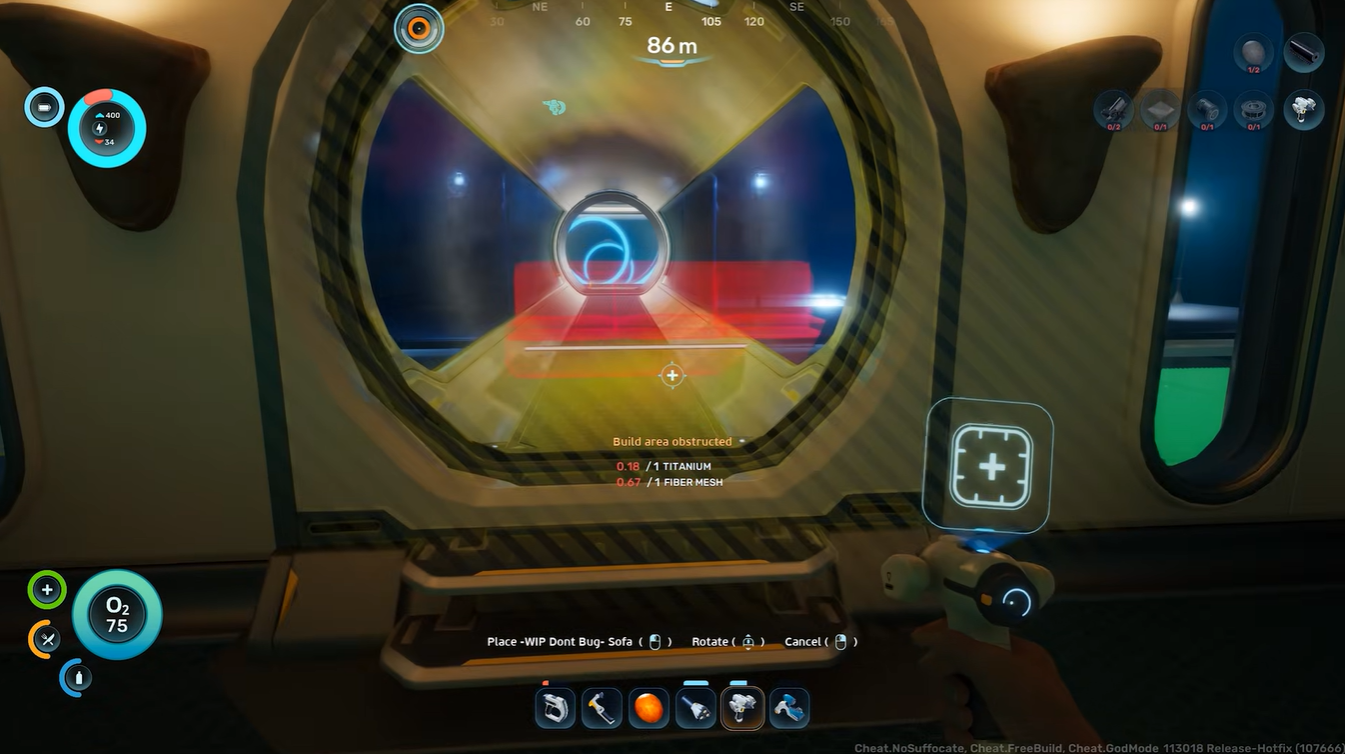
The new Axum seats, decorative pots, and trash cans help make interiors feel more lived-in instead of purely functional. However, the standout item is easily the new sofa system. Unlike older furniture pieces that simply snap into fixed positions, these sofas can curve and align along walls. This creates much smoother room layouts and opens the door for far more natural-looking interiors.
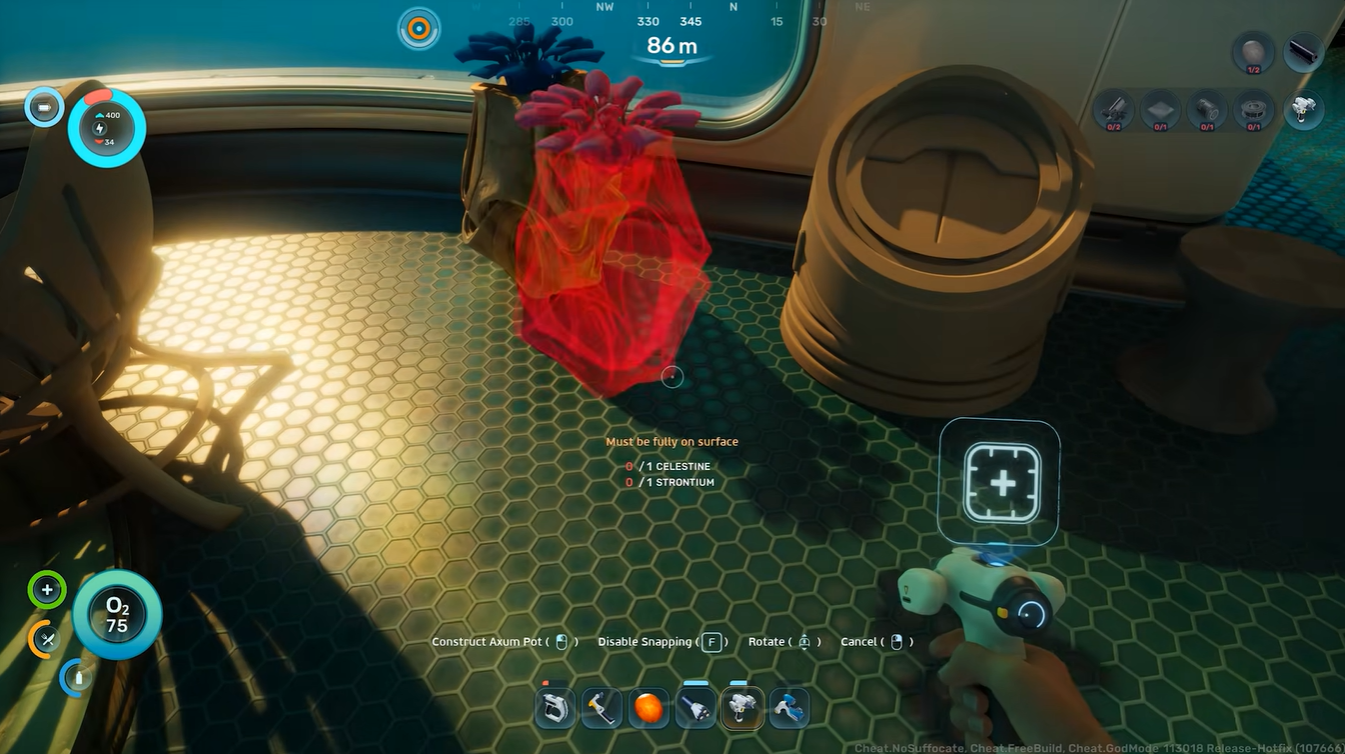
The snapping behavior also appears much more advanced than previous games. Players may eventually be able to create lounge areas, curved observation spaces, or modular living rooms without awkward placement gaps.
Stacked Rooms could completely change large base designs
The newly revealed Stacked Rooms are arguably the most important structural addition shown so far. In earlier Subnautica games, building vertically often required ladders, separate compartments, and narrow room transitions. The new stacked room system appears to create connected multi-floor spaces with large open interiors.
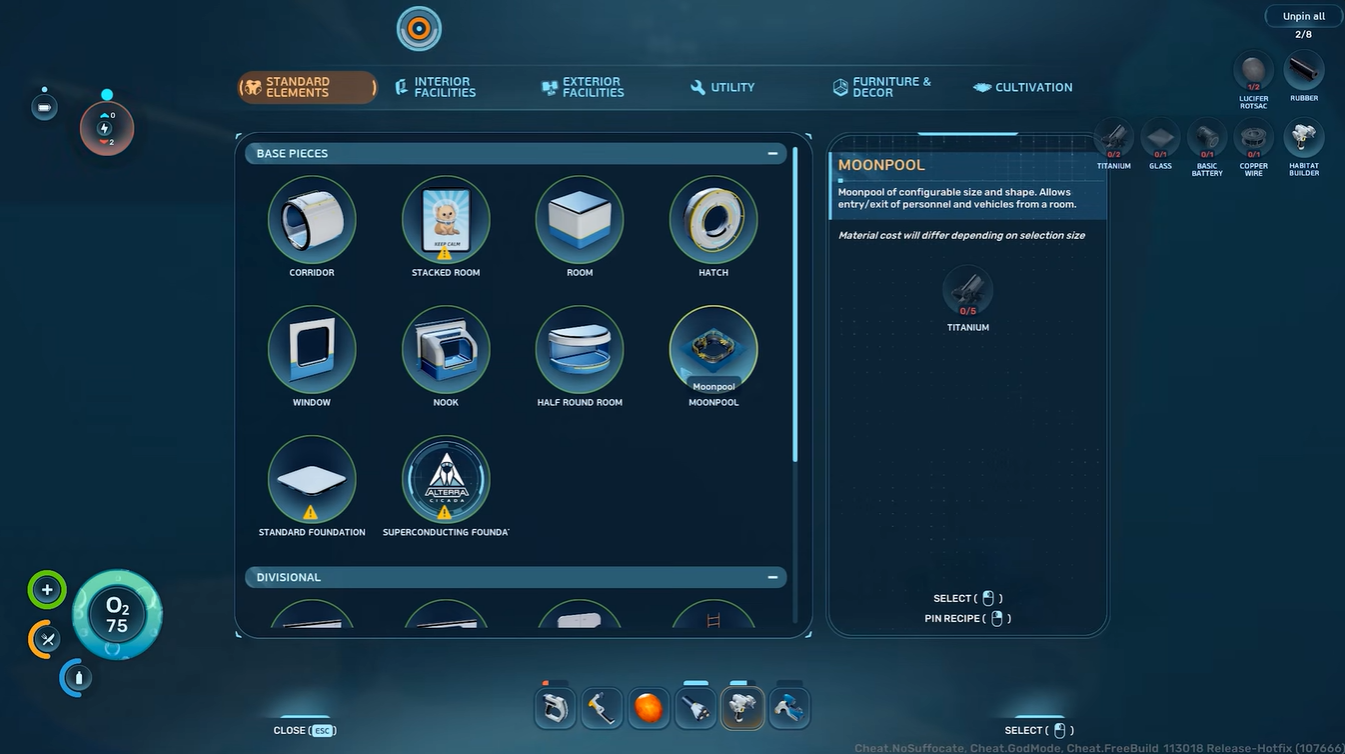
This could allow players to build true underwater headquarters instead of disconnected tube networks.
The prototype shown in the footage demonstrates open vertical spacing between levels, which may allow for larger decorative structures, centralized crafting hubs, or vehicle bays integrated directly into the habitat itself.
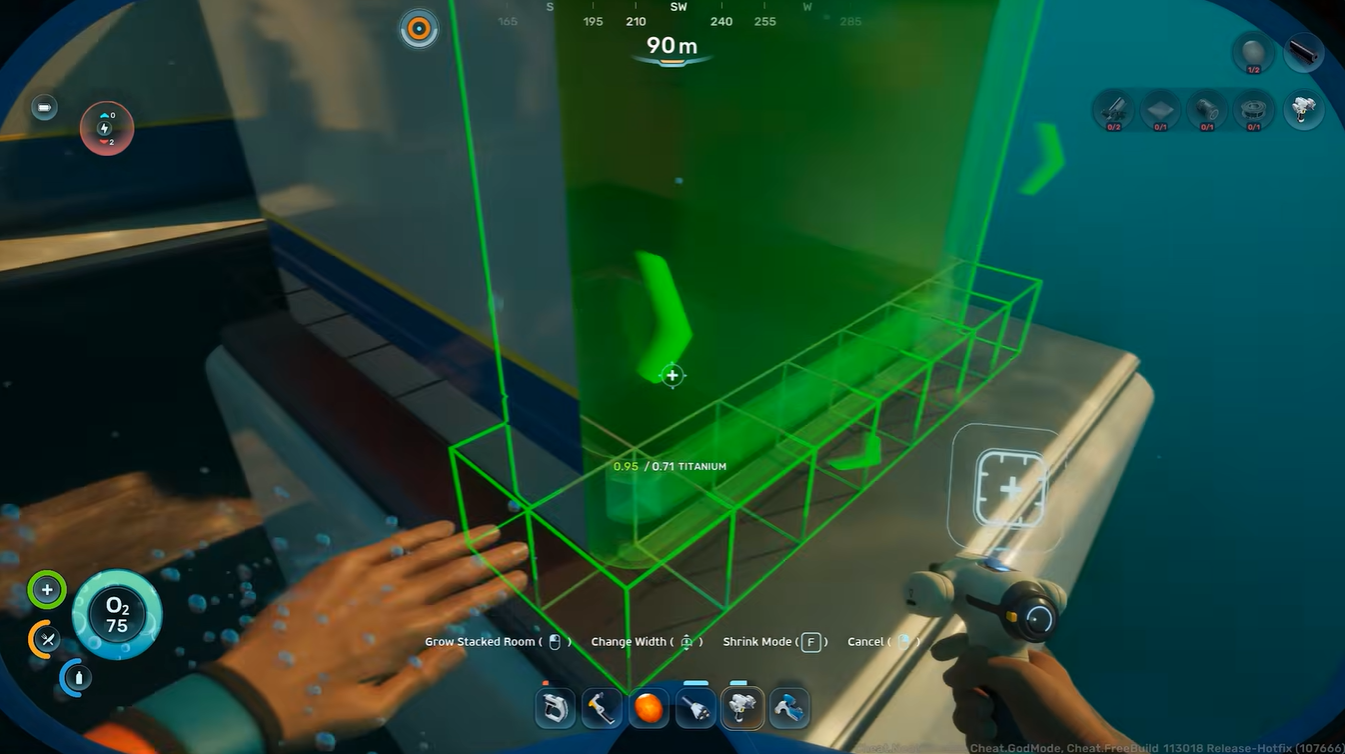
The system still looks unfinished, but even in its current form, it hints at far more ambitious architectural possibilities.
| Structural Upgrade | Potential Benefit |
|---|---|
| Open multi-floor interiors | Better room flow |
| Larger connected spaces | Easier organization |
| Vertical construction options | More creative layouts |
| Expanded decorative flexibility | Improved customization |
The Tadpole Blister Dock may introduce dedicated vehicle infrastructure
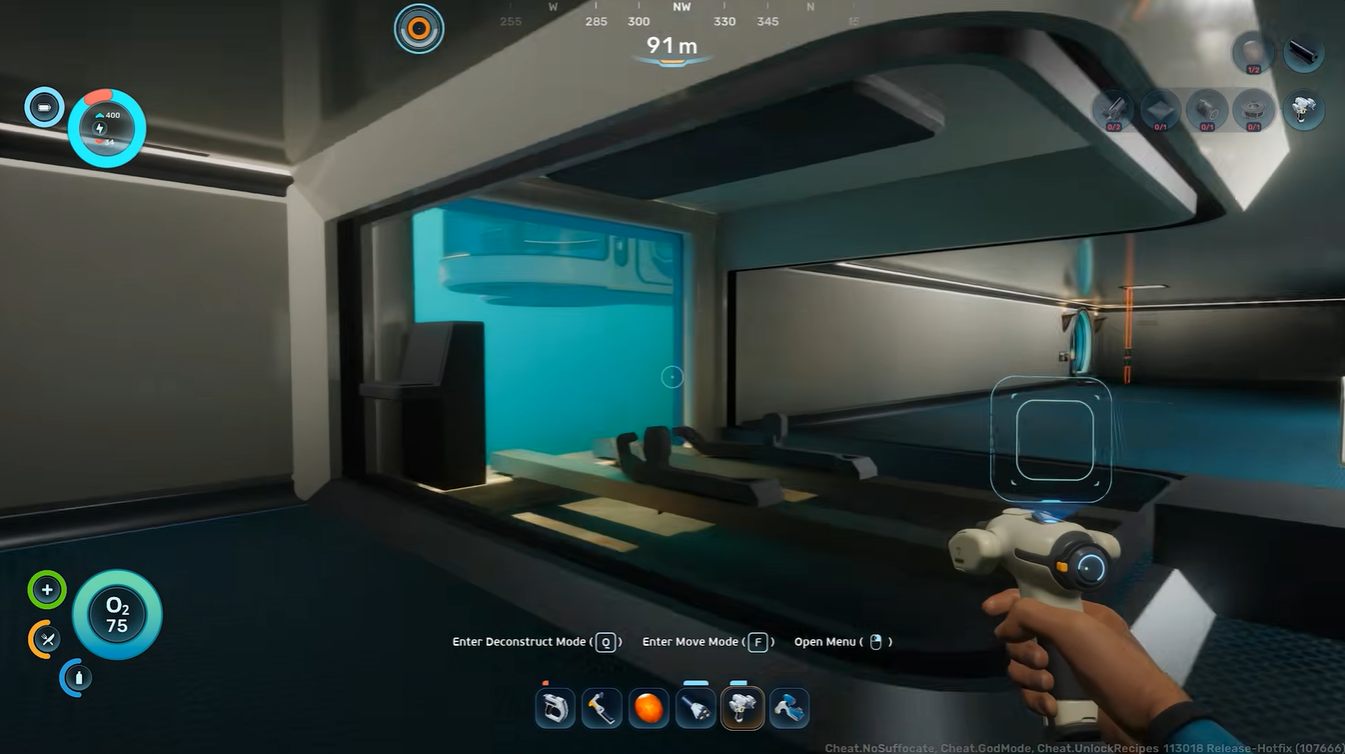
The Tadpole Blister Dock is one of the most intriguing experimental pieces shown in the footage. This structure appears specifically designed for the upcoming Tadpole vehicle, suggesting that Subnautica 2 may feature more specialized docking systems rather than universal moonpool-style parking.
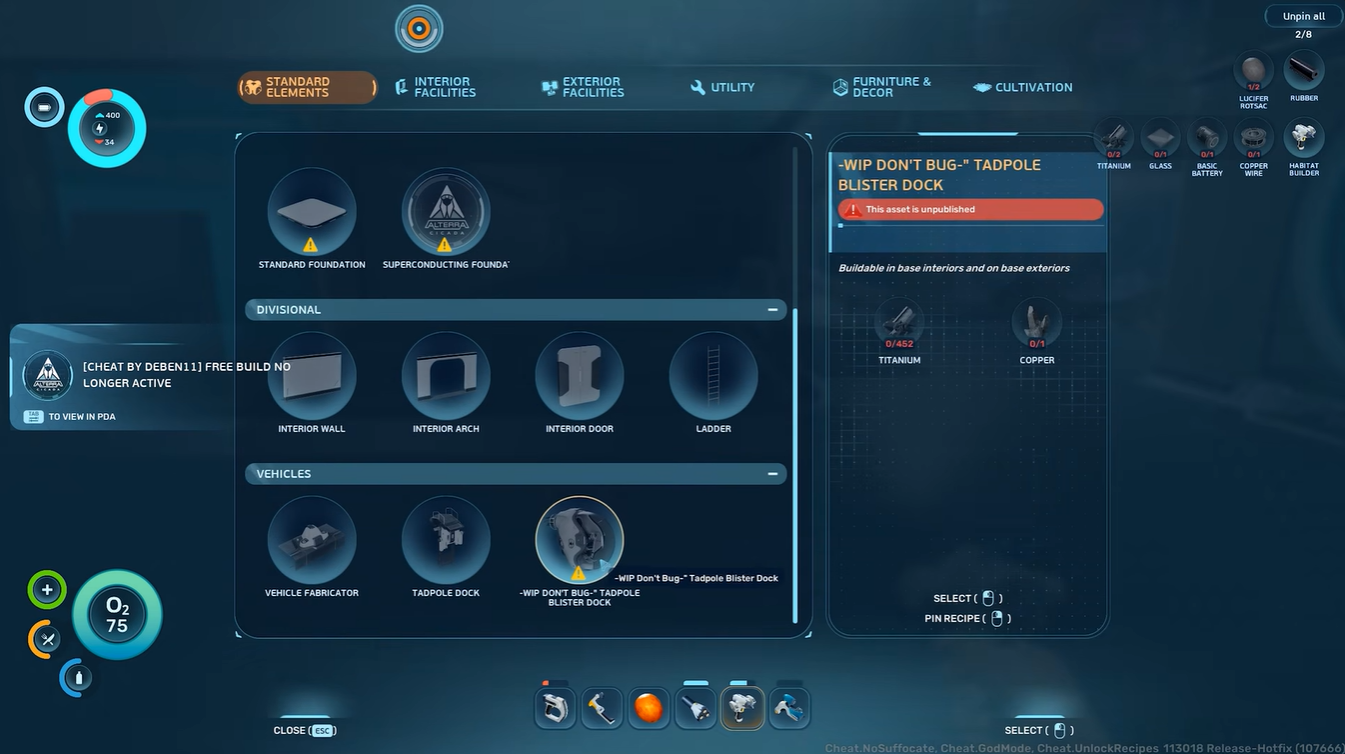
The dock has a rounded enclosed design that visually matches the Tadpole’s shape. While it is still incomplete and not fully functional, the concept strongly implies that different vehicles could eventually require unique docking modules.
If implemented fully, this would add another strategic layer to base planning. Players may need to dedicate specialized areas for various submarines, drones, or traversal vehicles instead of relying on a single universal docking bay.
New foundations and superconducting platforms are still unfinished
The showcase also includes two new foundation variants: standard foundations and superconducting foundations. These structures appear intended to support larger or more advanced bases.
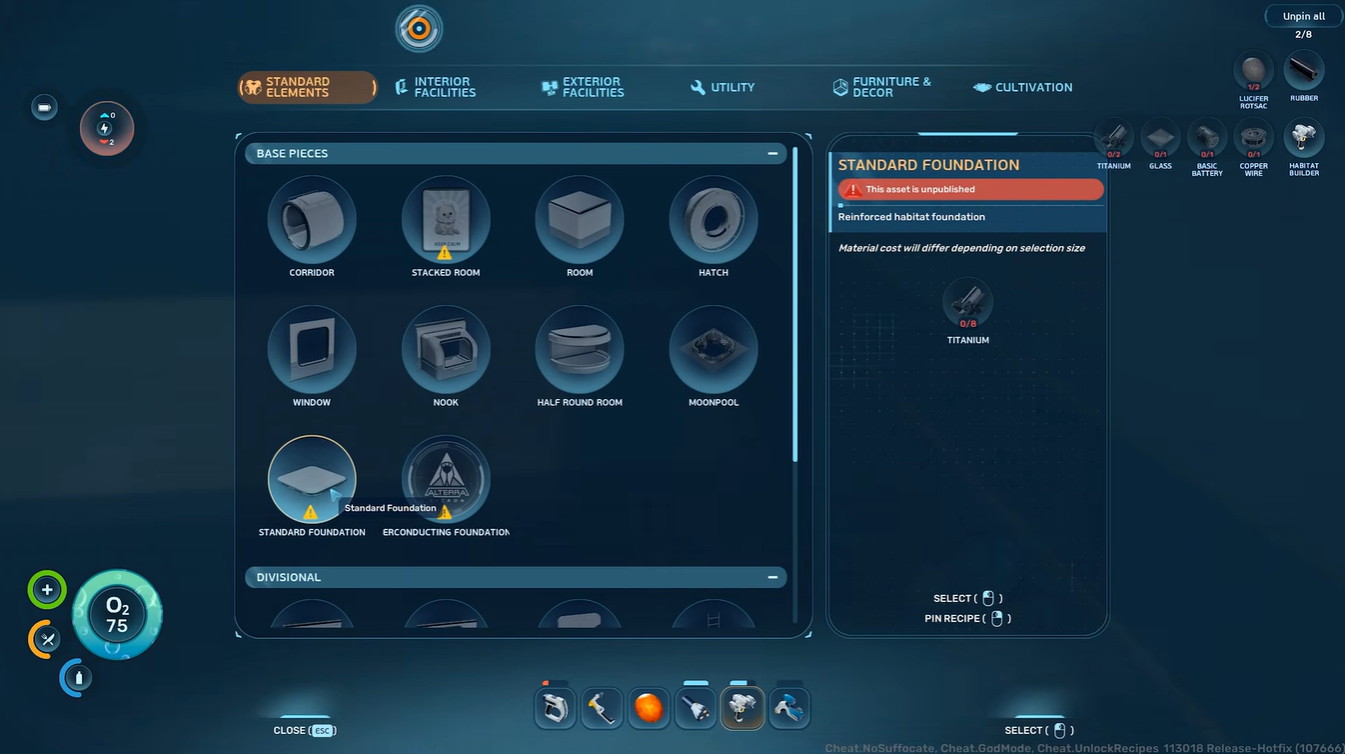
However, the current build shows that they still cannot properly connect to each other. Placement behavior remains inconsistent, and some snapping issues are visible during construction.
Despite these problems, the superconducting variant could eventually play a role in power distribution or structural reinforcement. The naming strongly suggests some form of advanced electrical interaction.
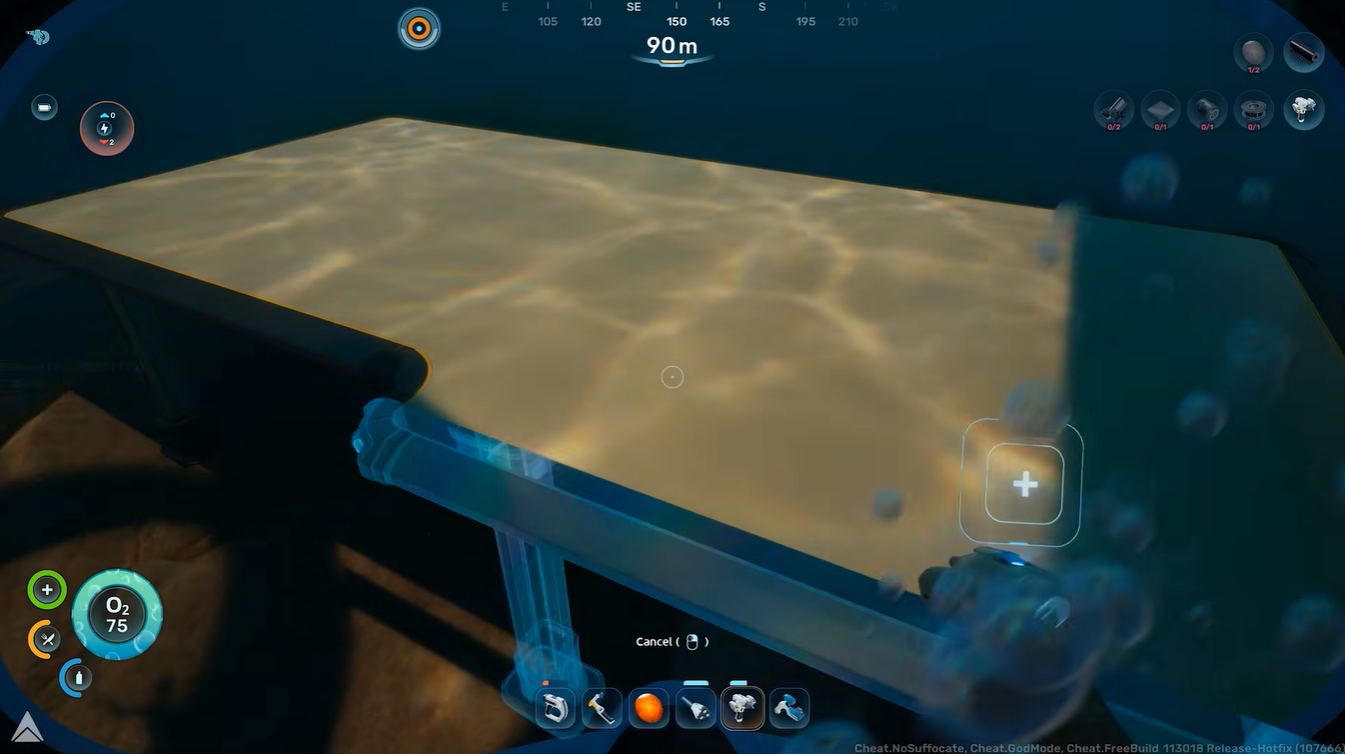
At the moment, though, these remain experimental assets rather than fully usable gameplay systems.
Duplex Solar Panels appear designed for large-scale power generation
Power generation also seems to be receiving major upgrades. The newly shown Duplex Solar Panels are significantly larger than standard solar panels during placement, although they shrink down after construction finishes.
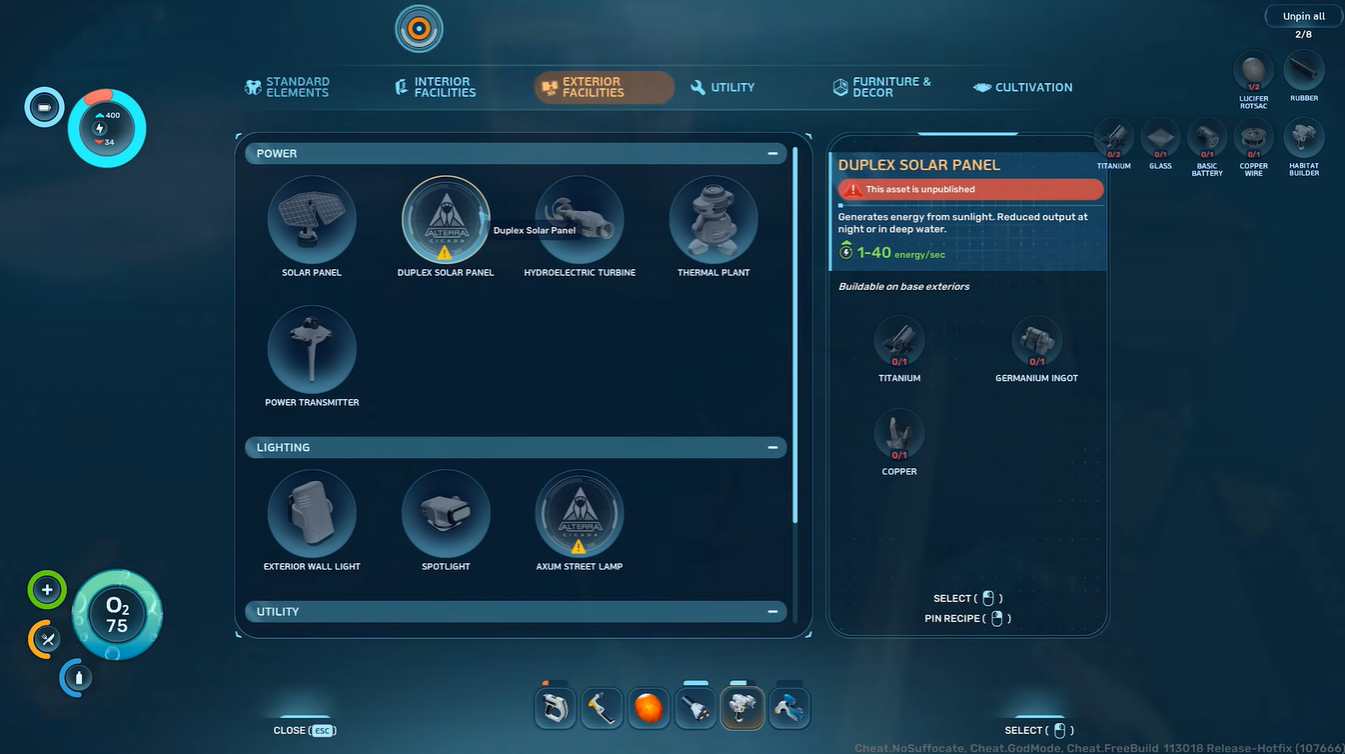
This unusual scaling behavior likely indicates placeholder assets or unfinished animations. Still, the larger design suggests these panels may produce substantially more power than existing solar technology.
For players building massive underwater facilities, higher-capacity renewable energy systems would become extremely valuable.
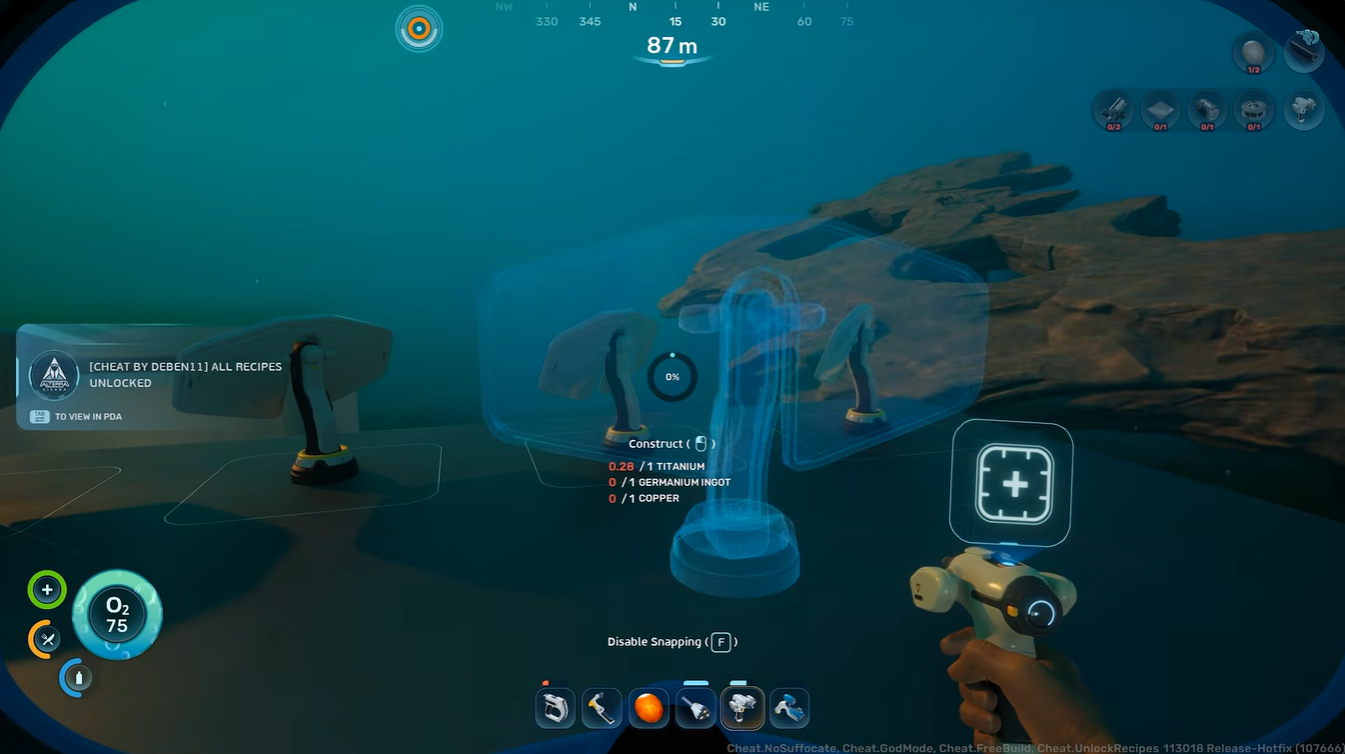
The larger footprint may also indicate that energy management in Subnautica 2 could become more demanding as bases grow in complexity.
Current Rings could become a major transportation mechanic
Among the most experimental systems revealed are the Current Rings. These devices create directional water flow that boosts movement speed for vehicles traveling through them.
The mechanic resembles underwater highways or boost tunnels. Vehicles entering the current stream receive increased momentum, potentially allowing faster long-distance travel across large maps.
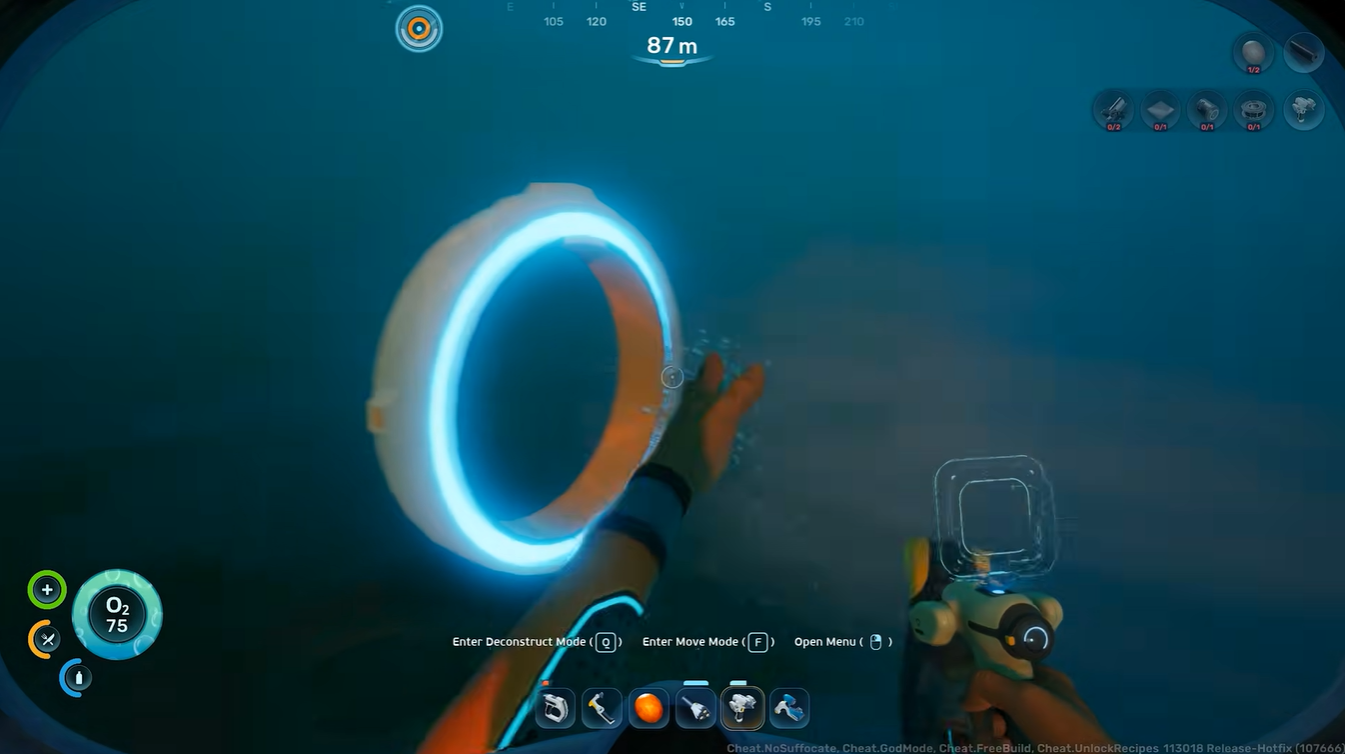
If fully developed, Current Rings could become an important part of late-game infrastructure. Players might eventually build transportation networks between distant outposts, mining operations, or exploration zones.
Portable survival equipment hints at expanded expedition gameplay
| Survival Utility | Possible Use |
|---|---|
| Deployable Locker | Temporary storage |
| Storage Cache | Expedition supply management |
| Portable Oxygen Generator | Extended underwater exploration |
| Mobile Utility Equipment | Remote base support |
Several portable survival items were also shown during the showcase, including deployable lockers, storage caches, and a portable oxygen generator.
These tools suggest that Subnautica 2 may place greater emphasis on temporary exploration camps or extended expeditions far away from permanent bases.
The portable oxygen generator is especially interesting because it could significantly reduce the need for constant return trips during deep exploration. If balanced properly, this system may make long-distance resource runs much smoother while still maintaining survival tension.




Leave a Reply