

What to know
- Troilite is a rare iron sulfide mineral used in several advanced crafting recipes.
- You can mainly find it in deeper cave systems, alien ruins, and metal farming zones.
- Large deposits require the Sonic Resonator to harvest efficiently.
- Troilite is required for crafting high-capacity oxygen and power-related upgrades.
After progressing past the starter biome in Subnautica 2, you eventually reach a point where basic materials stop being enough. That is where Troilite becomes extremely important. This mineral is tied directly to advanced survival progression, especially when you begin crafting better oxygen equipment, upgraded power systems, and deeper exploration gear.
While it is not as common as Titanium or Copper, Troilite becomes much easier to gather once you understand where the game hides it and which tools are needed to mine larger deposits efficiently. Here is a quick overview of Troilite in Subnautica 2:
| Feature | Details |
|---|---|
| Resource Type | Mineral |
| Classification | Geological Material |
| Main Uses | Oxygen upgrades, advanced power items |
| Best Biomes | Alien ruins, deep cave systems, metal farming areas |
| Required Tool | Sonic Resonator for large deposits |
| Difficulty to Obtain | Medium |
| Depth Range | Usually mid-to-deep zones |
Where to find Troilite in Subnautica 2
Troilite usually appears in deeper progression areas rather than starter zones. Most players first encounter it while exploring underground cave networks or abandoned alien structures. The mineral often appears as dark metallic rock nodes with glowing highlights, making it easier to spot in darker environments.
| Area | What You’ll Find |
|---|---|
| Metal Farm | High concentration of Troilite deposits |
| Alien Power Facilities | Medium-sized nodes near machinery |
| Deep Trench Caves | Scattered small deposits |
| Wreck Zones | Occasional Troilite clusters |
| Thermal Regions | Rare but valuable deposits |
One of the most reliable areas currently reported by players is the Metal Farm biome, where multiple Troilite nodes can spawn close together. You can also locate smaller deposits around alien power-related structures and deeper trench systems. Community findings also suggest that some deeper wreck sites contain Troilite clusters near resource-rich cave walls.
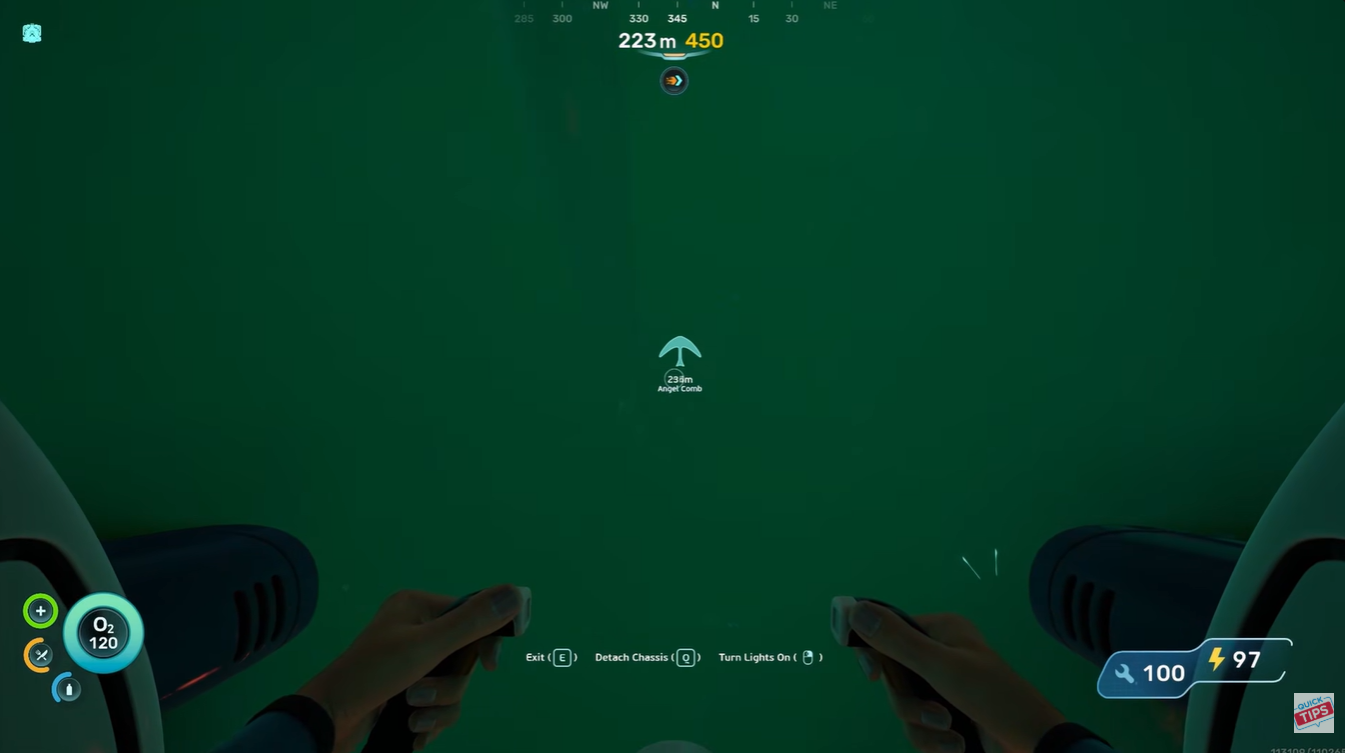
How to find Troilite in the ocean depths
Finding Troilite becomes much easier once you prepare correctly. Exploring blindly wastes oxygen and power, especially in deeper regions.
Before heading into deeper areas, you should bring:
| Recommended Gear | Why It Helps |
|---|---|
| High Capacity Air Tank | Longer exploration time |
| Scanner | Easier resource identification |
| Sonic Resonator | Required for large deposits |
| Seaglide or Vehicle | Faster cave navigation |
| Extra Batteries | Deep areas drain power quickly |
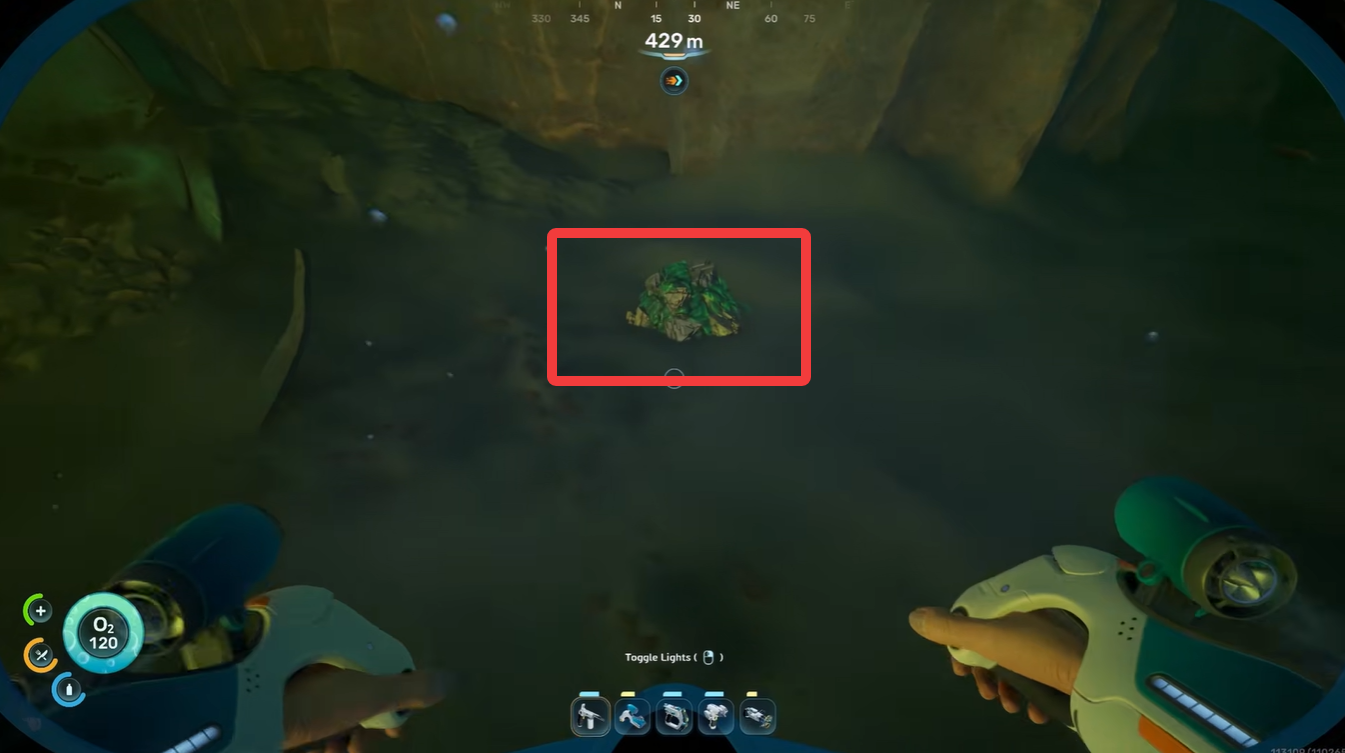
Troilite generally appears darker than surrounding minerals. In most caves, you can recognize it through:
- Metallic black or gray coloration
- Slight glowing veins
- Chunkier rock formations
- Placement near industrial or volcanic-looking areas
Small pieces can usually be collected manually, while larger deposits need specialized harvesting tools.
How to get Troilite early in Subnautica 2
Step 1
Craft or unlock the Sonic Resonator before targeting large deposits. Smaller nodes may be collectible by hand, but major farming requires mining equipment.
Step 2
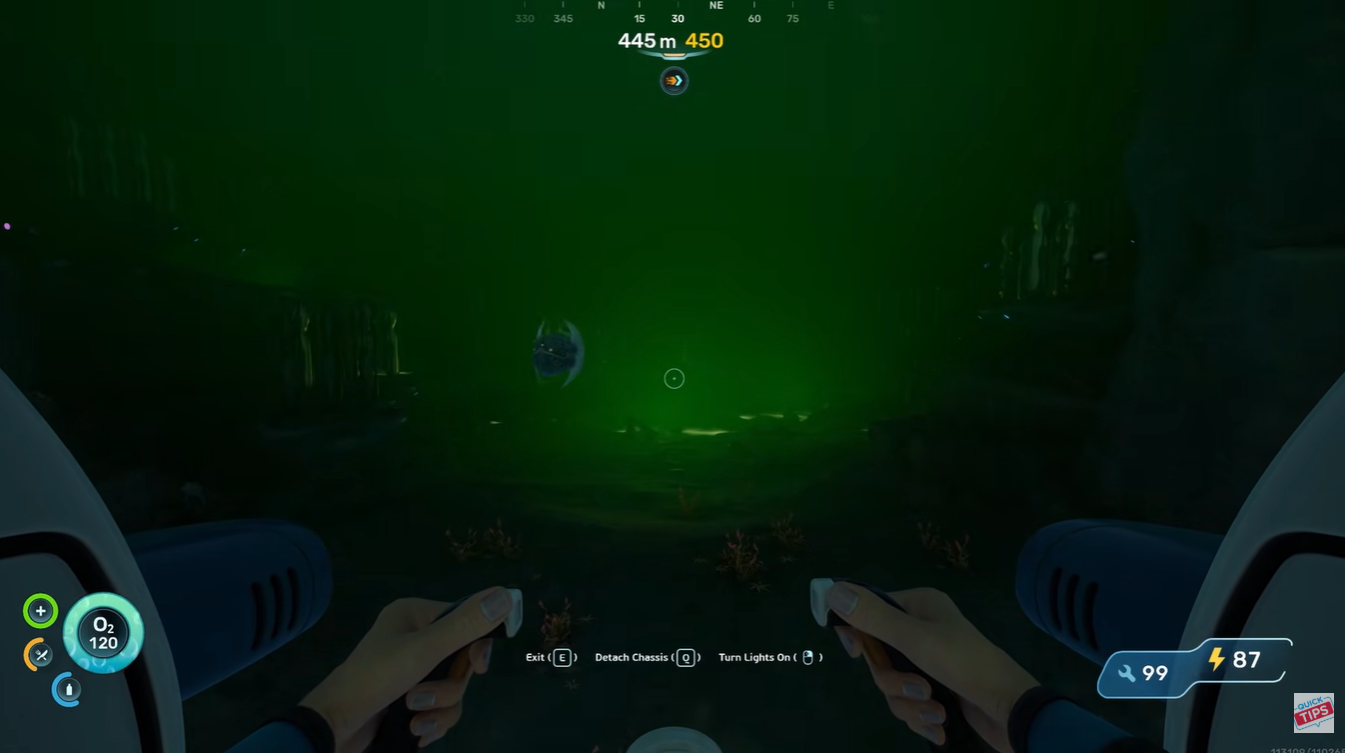
Travel toward deeper cave systems or the Metal Farm biome. Keep an eye on oxygen consumption because most Troilite-rich regions are below safer beginner depths.
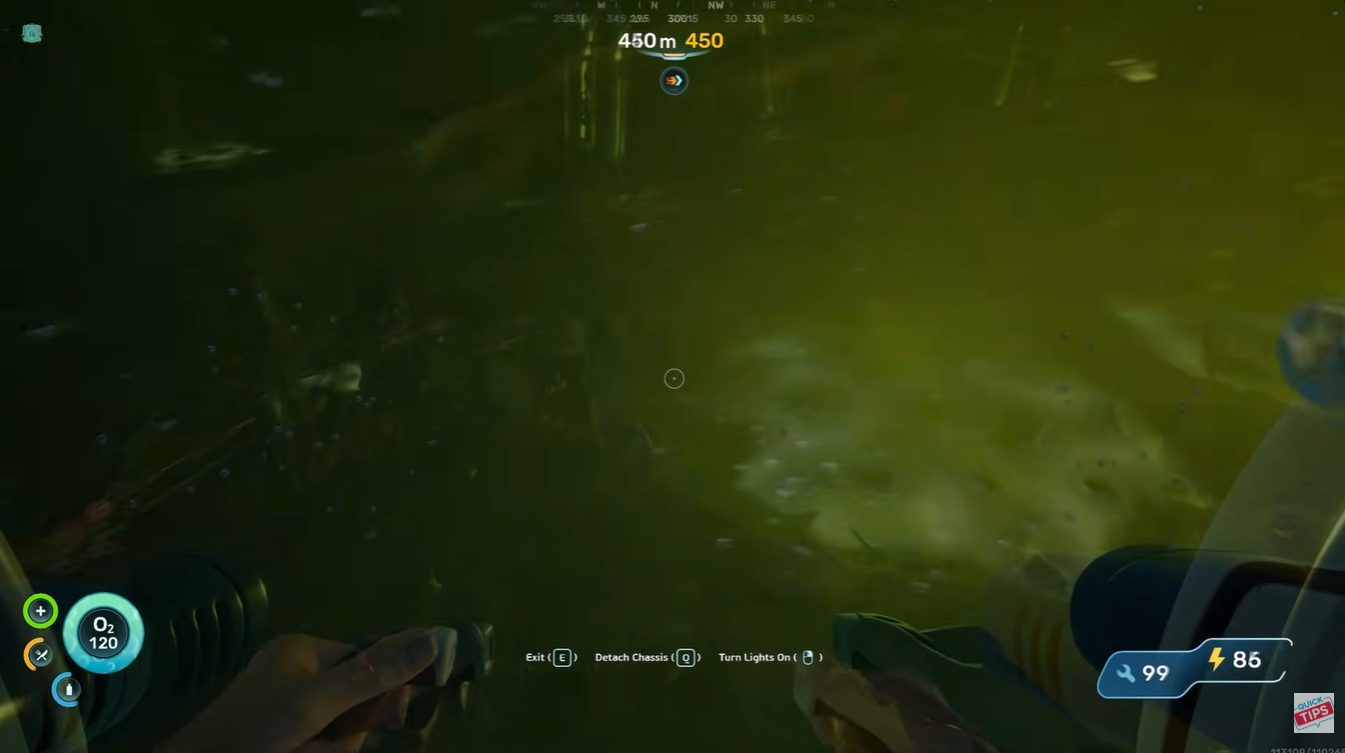
Step 3
Scan cave walls and rocky surfaces carefully. Troilite blends into darker environments more than Copper or Quartz.
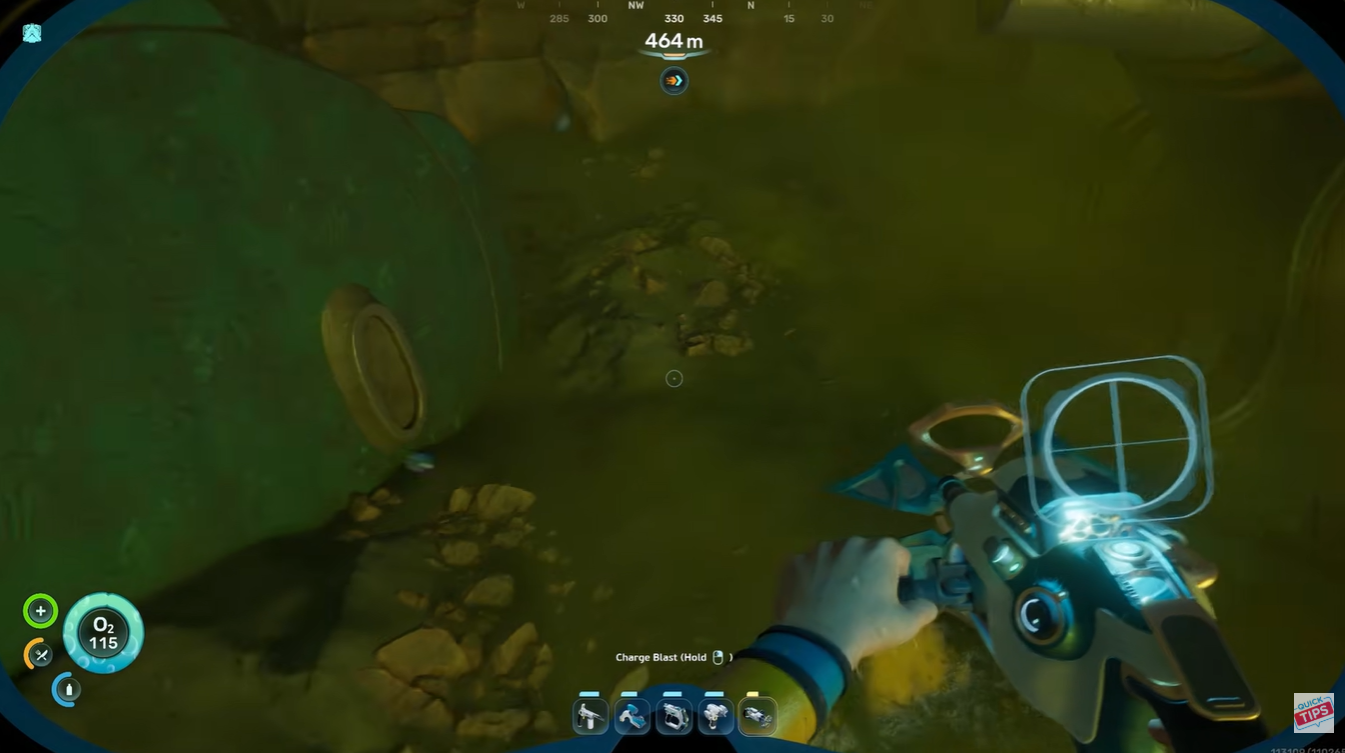
Step 4
Use the Sonic Resonator on large deposits. The mineral breaks apart into collectible chunks after successful extraction.
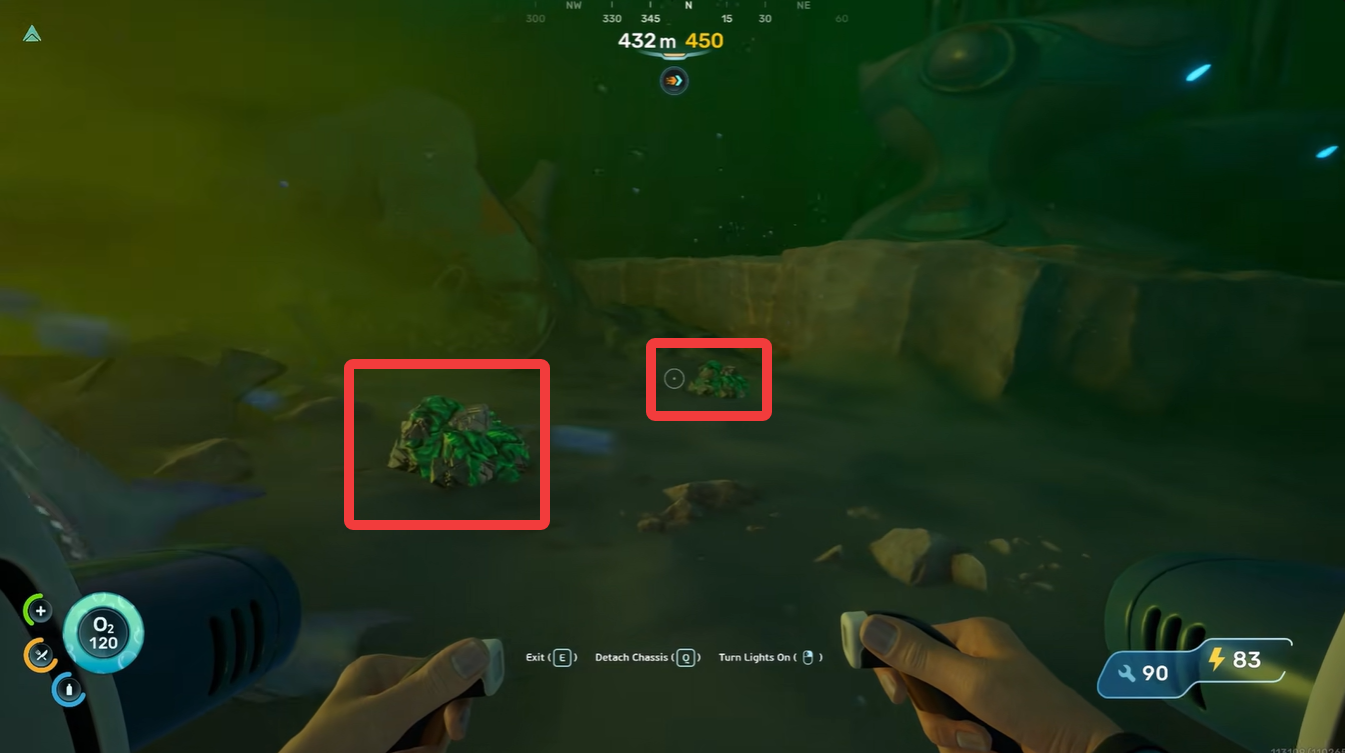
Step 5
Store extra Troilite in lockers because later blueprints consume more than players expect.
Every known Troilite crafting use
Troilite is mainly used in advanced survival and power progression recipes. Its importance increases significantly once you begin crafting deeper exploration gear.
| Item | Troilite Usage |
|---|---|
| Ultra High Capacity Air Tank | Required |
| Entangled Power Cell | Required |
| Mangalloy Ingot | Required |
| Photovoltaic Charger | Required |
| Tadpole Depth Module Mk. 2 | Required |
Several crafting databases and updated recipe lists confirm Troilite as a key ingredient for late-tier oxygen and energy systems.
Best farming strategy for Troilite
The most efficient farming loop currently involves setting up a temporary base near the Metal Farm region. Players commonly build:
| Base Utility | Benefit |
|---|---|
| Power Storage | Keeps tools charged |
| Fabricator | Immediate crafting access |
| Locker Storage | Holds mined resources |
| Oxygen Supply | Safer deep mining |
This reduces long return trips and lets you continuously mine nearby deposits.
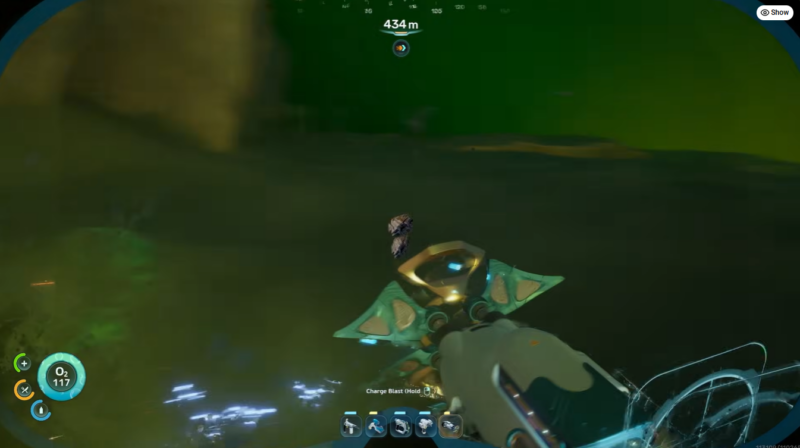
Common mistakes when farming Troilite
A major mistake is entering deep zones without enough battery power. Sonic Resonators and vehicles consume energy quickly, and running out of power in deeper caves can become dangerous fast.
Another issue is ignoring oxygen upgrades before Troilite farming. Since many deposits appear in lower-depth biomes, shorter oxygen limits reduce farming efficiency significantly.
Players also sometimes waste Troilite on optional crafting too early. Prioritizing oxygen tanks and power cells first generally creates smoother progression.
Even though you may only need small amounts initially, Troilite quickly becomes one of the core advanced minerals in Subnautica 2. Once you begin building deeper exploration equipment and stronger energy systems, having a reliable Troilite farming route saves a huge amount of time.
The Metal Farm biome currently appears to be the most reliable farming location, while alien facilities and trench caves provide additional sources during exploration-heavy progression.



Leave a Reply