

- What to know
- Quick overview of the Shiver Leviathan
- Where the Shiver Leviathan is located
- How the Shiver Leviathan spawn mechanics work
- Biome entry appears to trigger patrol activation
- Sound mechanics play a major role in detection
- Vehicle lights and visibility may increase aggro
- How the Shiver Leviathan attacks players
- Does the Shiver Leviathan respawn?
What to know
- The Shiver Leviathan appears in deep cold-water biomes and high-threat exploration zones.
- Current spawn mechanics are heavily tied to biome entry, sound generation, and player proximity.
- Vehicle noise, lights, and fast movement increase detection chances significantly.
- The creature behaves more like a territorial hunter than a random roaming enemy.
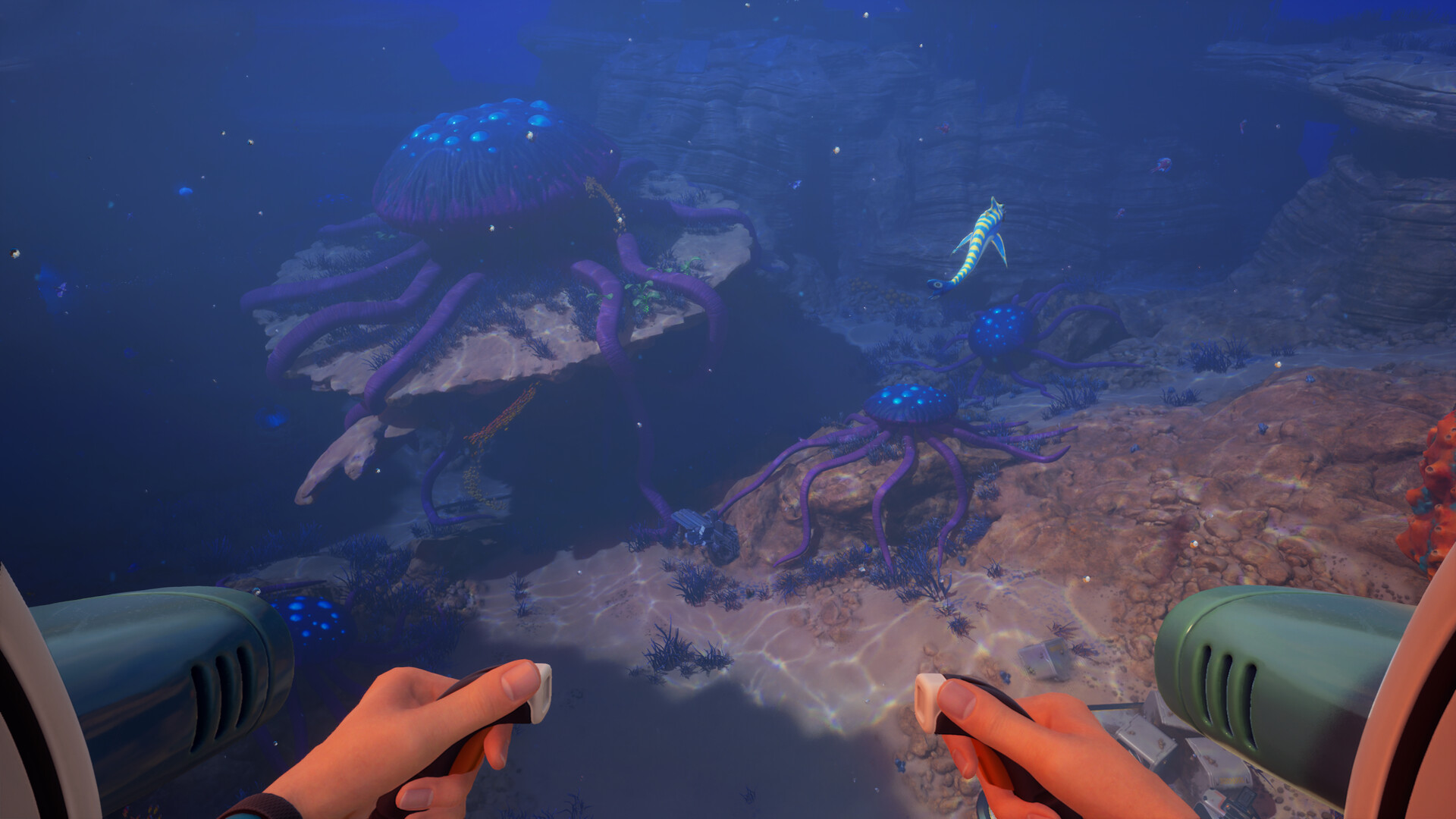
Subnautica 2 introduces several terrifying predators, but the Shiver Leviathan stands out because of how aggressively it controls deep biome exploration. Unlike smaller hostile fauna, this Leviathan creates a constant sense of pressure through environmental audio, ambush behavior, and territorial patrol systems. Recent gameplay footage, community testing, and Leviathan AI analysis suggest the creature uses a far more advanced detection system than many predators from previous Subnautica games.
Quick overview of the Shiver Leviathan
| Feature | Details |
|---|---|
| Creature Class | Leviathan |
| Aggression Level | Extremely High |
| Main Habitat | Deep frozen biomes |
| Typical Depth | 300m+ |
| Behavior Type | Territorial hunter |
| Detection Methods | Sound, movement, proximity |
| Primary Threat | Ambush attacks |
| Best Survival Strategy | Terrain cover and stealth |
| Vehicle Risk | Very High |
| Respawn System | Biome-based territorial spawning |
Where the Shiver Leviathan is located
The Shiver Leviathan is most frequently encountered in cold deep-sea regions featuring low visibility, narrow cave systems, and ice-covered trench zones. Current player reports place the creature near deep frozen caverns and biome transition corridors that connect late-game exploration areas.
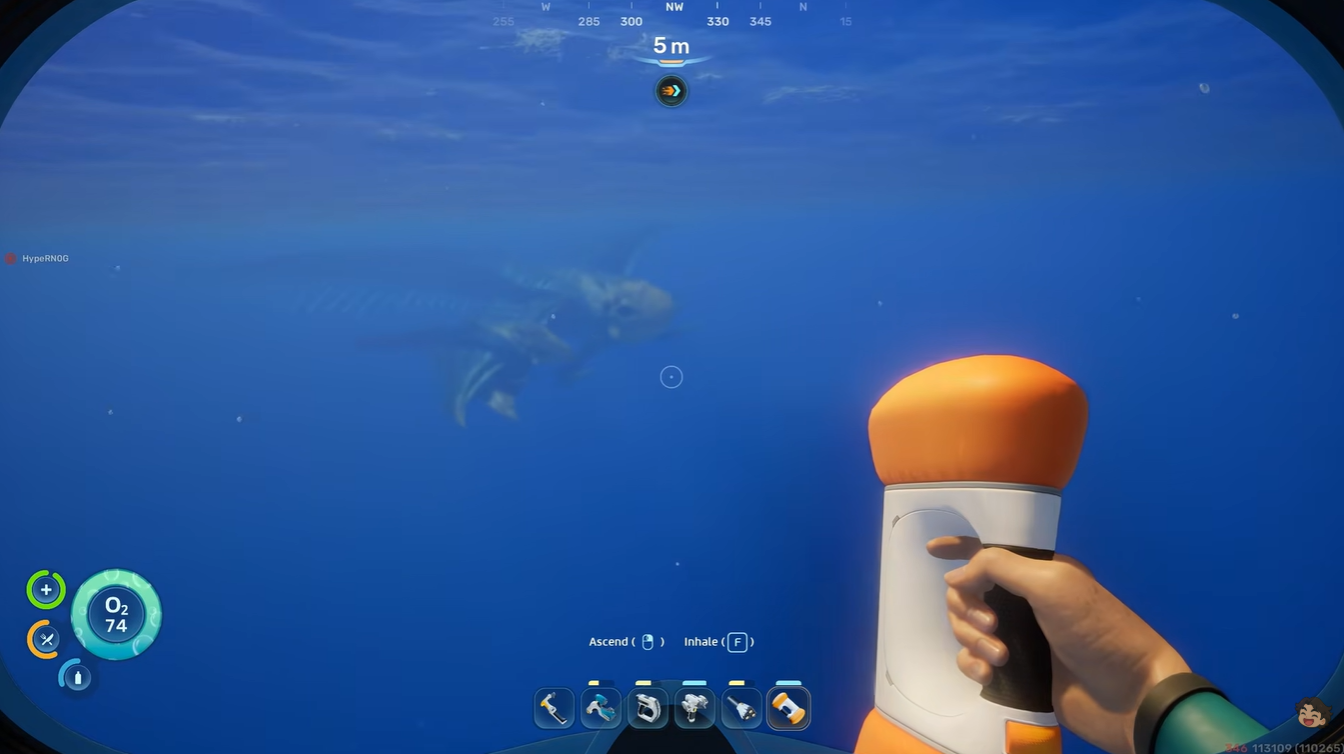
Most encounters happen in areas with the following characteristics:
| Environment Type | Encounter Frequency |
|---|---|
| Frozen trench systems | Very High |
| Deep ice caverns | High |
| Thermal rift corridors | Medium |
| Open deep-water zones | Medium |
| Starter biomes | Extremely Low |
Players often notice environmental warning signs before the Leviathan appears. These usually include sudden silence in local wildlife, distant roars, visibility distortion, and aggressive ambient music changes.
Community tracking of Leviathan behavior suggests these creatures patrol designated territories rather than wandering randomly across the map.
How the Shiver Leviathan spawn mechanics work
Current evidence suggests the Shiver Leviathan uses a layered territorial AI system. Instead of permanently existing in one exact spot, the creature becomes active when certain player conditions are met.
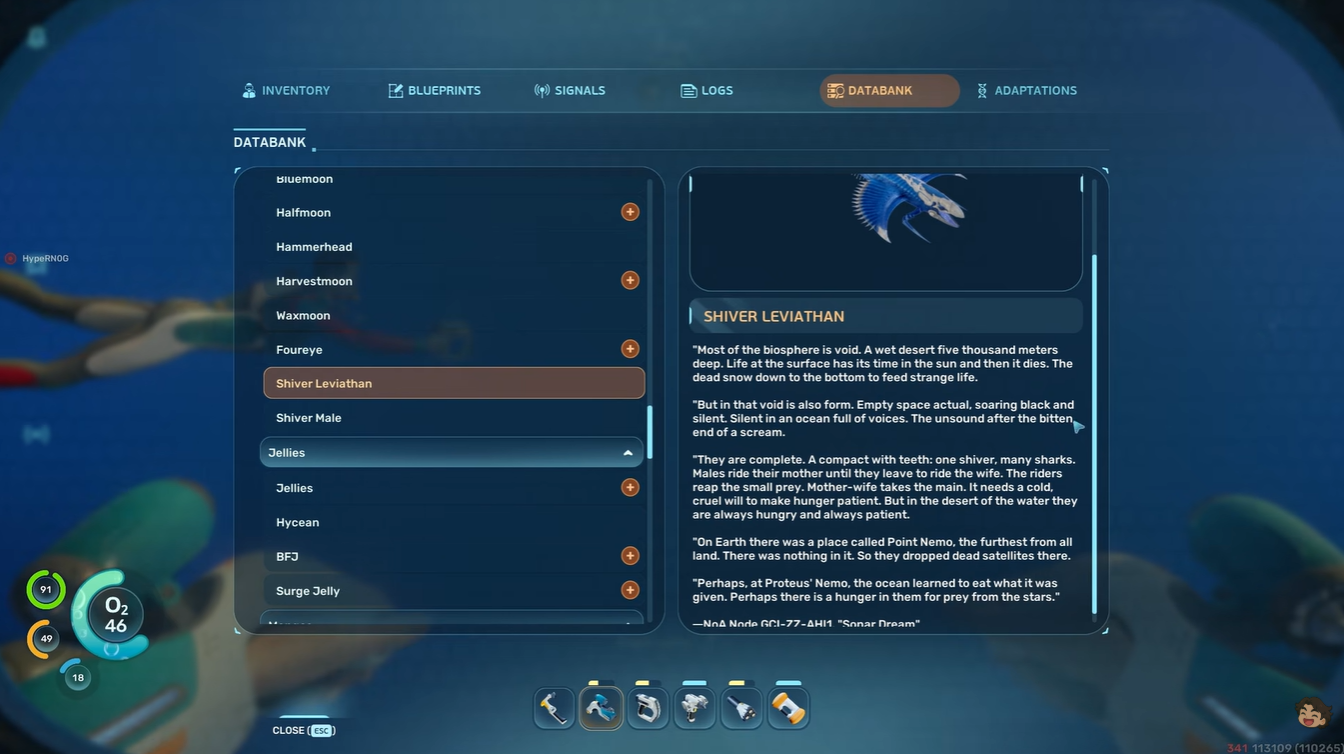
This system appears similar to other advanced Leviathan behaviors previously seen in the Subnautica series, where entering a biome effectively activates nearby predators.
Biome entry appears to trigger patrol activation
The strongest trigger is entering specific danger zones. Once you cross into deep frozen sectors, the game appears to activate nearby Leviathan patrol paths.
Recent Leviathan AI discussions indicate these predators remain attached to territorial regions rather than following players infinitely across the map.
Signs the Leviathan has spawned nearby
| Warning Sign | Meaning |
|---|---|
| Loud distant roar | Predator active nearby |
| Reduced fauna movement | Territory entered |
| Heavy audio distortion | Detection range increased |
| Sudden silence | Ambush zone |
| Intense music transition | Aggro possibility |
These warning systems are intentionally designed to create tension before direct visual contact.
Sound mechanics play a major role in detection
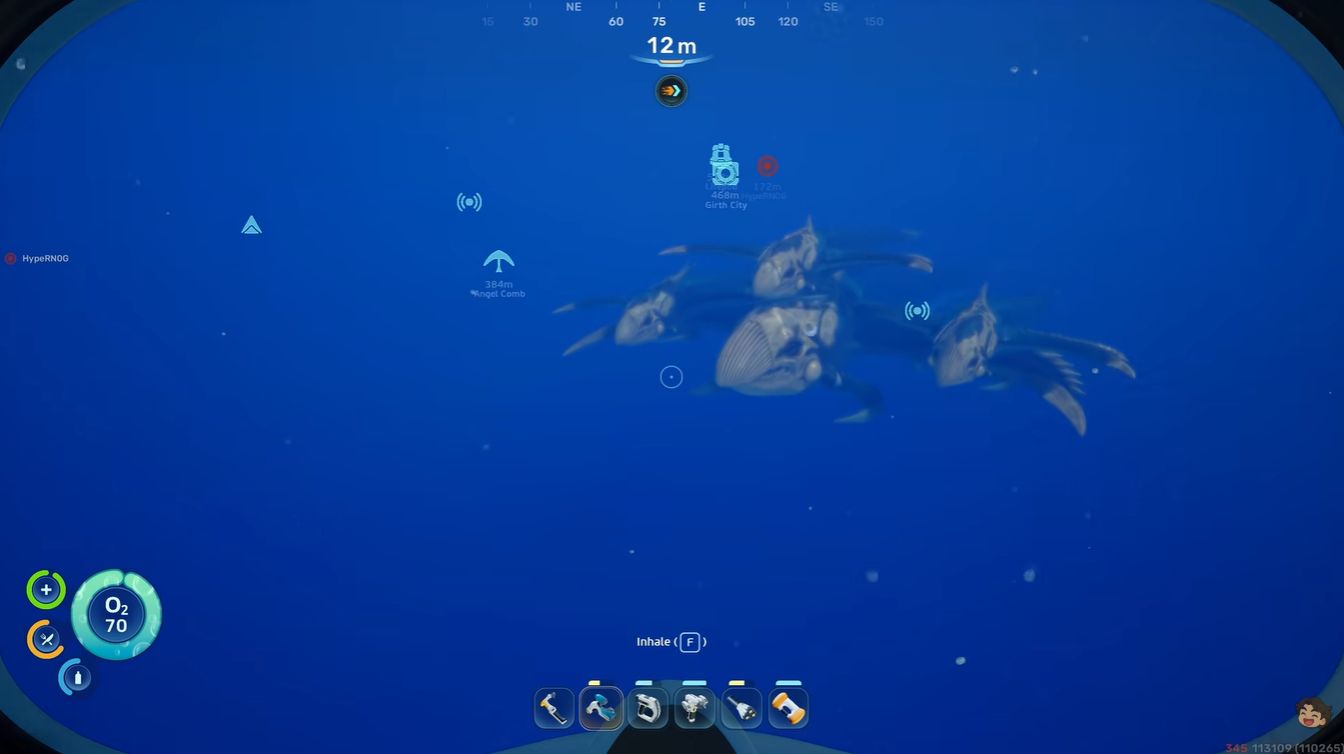
One of the most important discoveries from current gameplay analysis is that Subnautica 2 predators react heavily to sound generation.
Reports describe a “noise bubble” mechanic where vehicles and tools create detectable sound ranges.
Fast movement, repeated boosting, scanner use, and loud vehicle activity all appear to increase Leviathan aggression.
| Player Action | Detection Risk |
|---|---|
| Vehicle boosting | Very High |
| Sonar spam | High |
| Fast swimming | Medium |
| Slow movement | Low |
| Hiding behind terrain | Reduced detection |
Some players testing deep biome stealth runs report fewer encounters when using slower movement and reduced lighting.
Vehicle lights and visibility may increase aggro
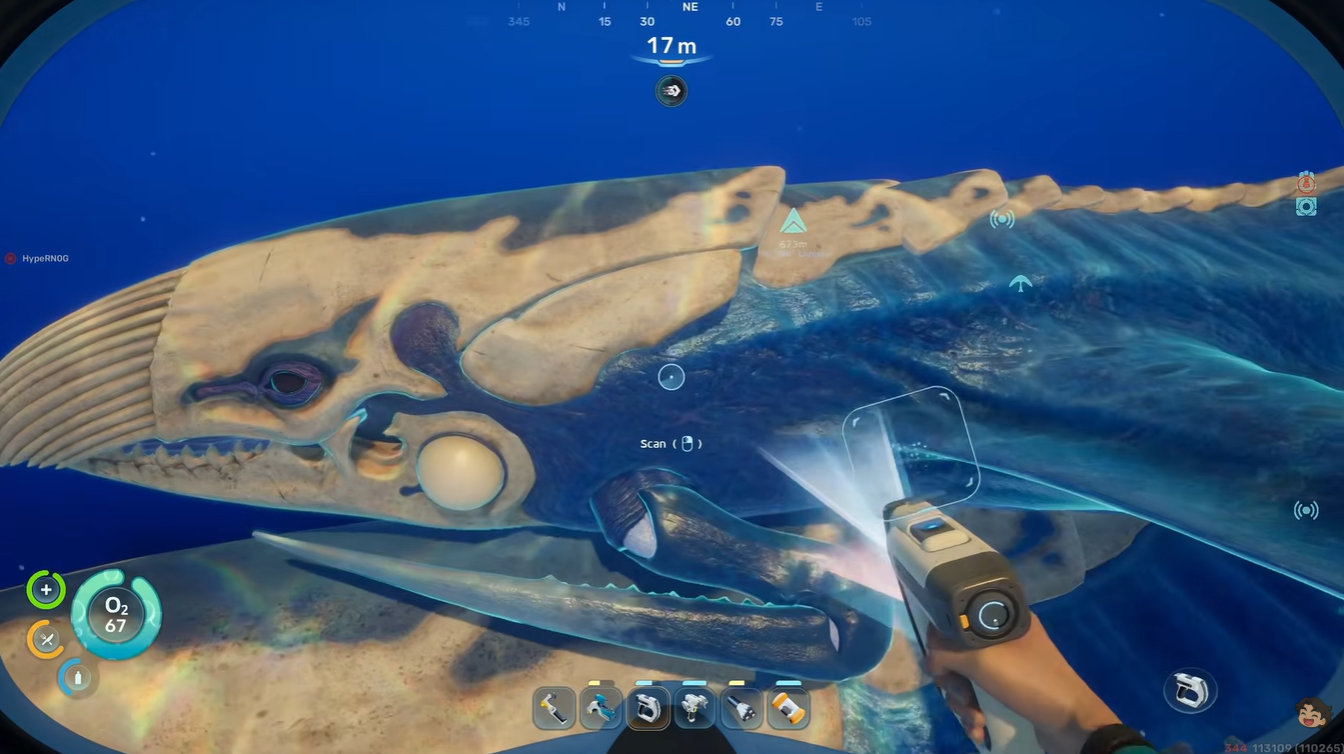
Current testing also suggests lighting affects predator awareness. Bright vehicle floodlights make it easier for Leviathans to track movement in dark biomes.
This creates an interesting risk-reward system because visibility helps navigation but also makes you easier to detect.
Recommended stealth approach
| Strategy | Effectiveness |
|---|---|
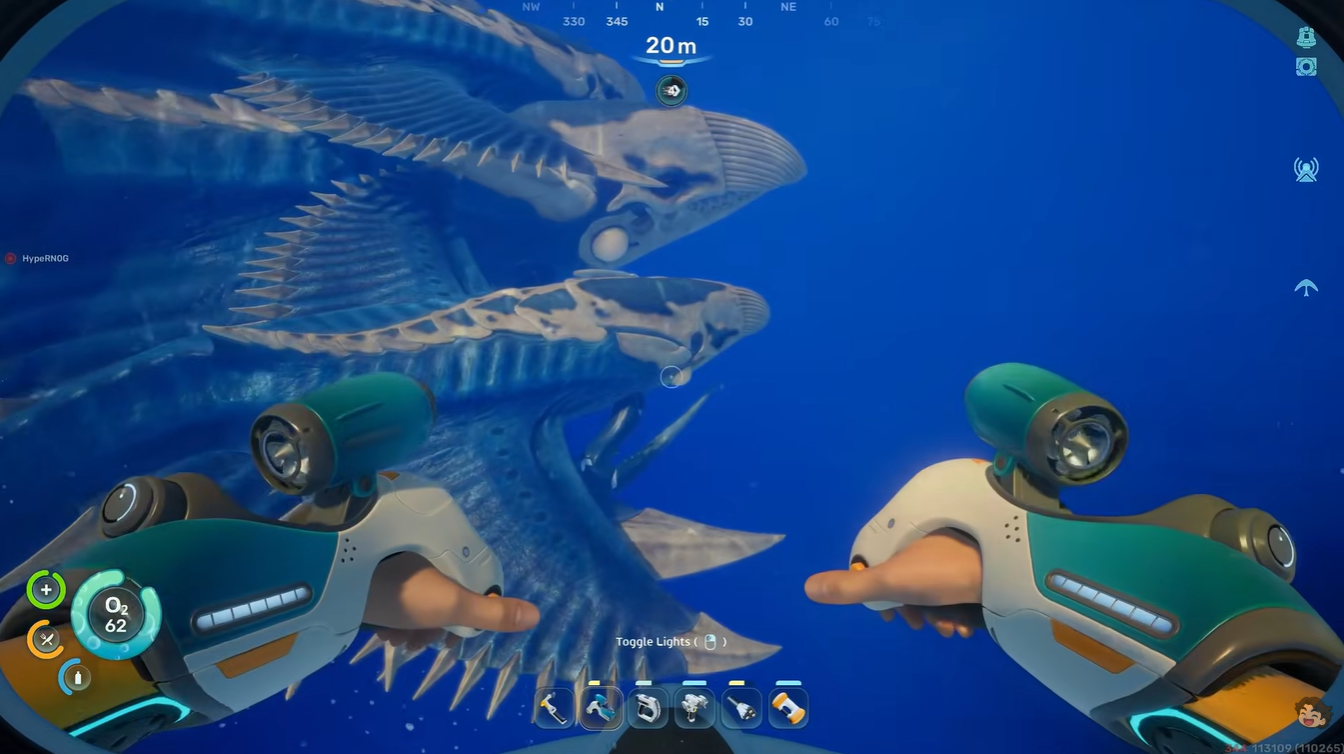
| Lights off in dangerous zones | High |
| Slow traversal | High |
| Terrain-hugging movement | Very High |
| Open-water travel | Dangerous |
| Constant boosting | Extremely risky |
How the Shiver Leviathan attacks players
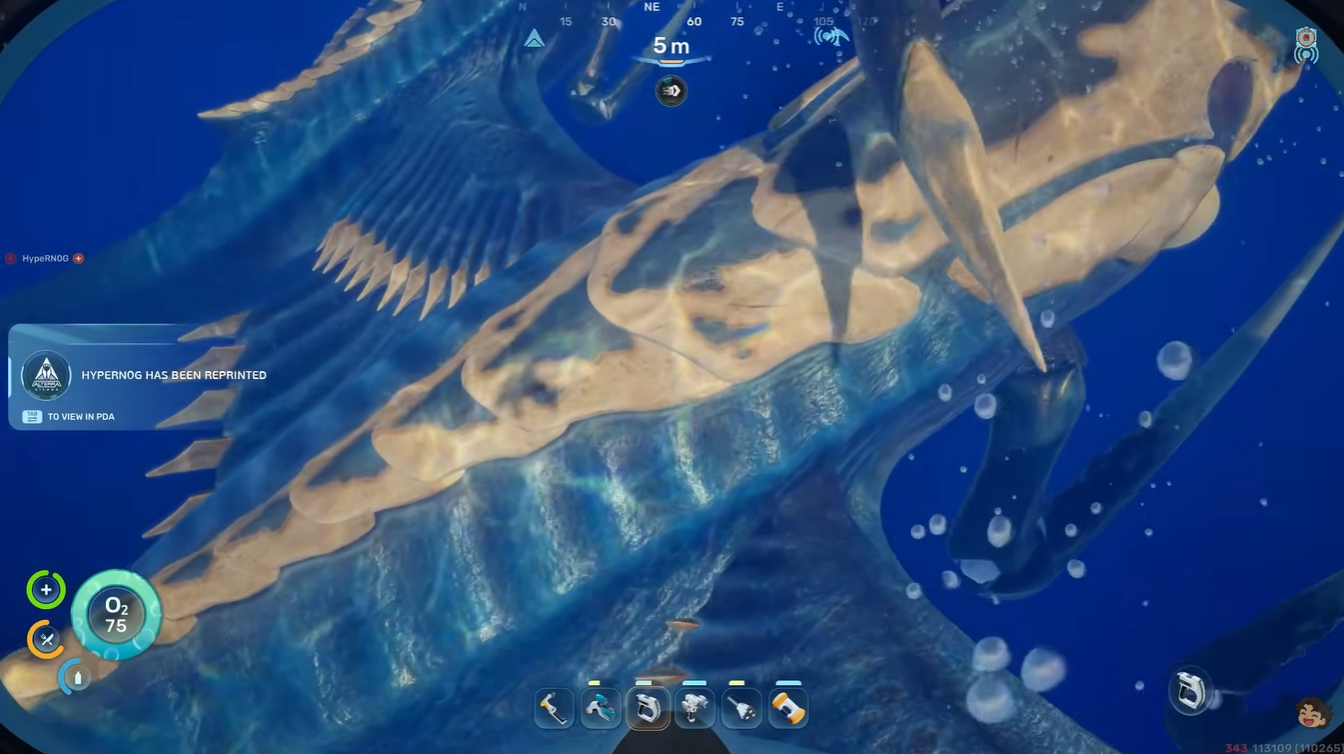
The creature behaves more aggressively than many earlier Leviathans because of its ambush-focused movement style. Instead of slowly approaching, it often attacks with sudden high-speed lunges.
Typical attack patterns include:
- Audio warning roar
- Rapid acceleration
- Vehicle collision or grab
- Short pursuit sequence
- Temporary disengagement
Recent developer discussions around Leviathan AI describe creatures that constantly reevaluate player movement and proximity in real time.
Does the Shiver Leviathan respawn?
Current evidence points toward territory-based persistence rather than traditional permanent death systems.
Previous Subnautica Leviathan behavior suggests predators either remain tied to biome regions or regenerate after certain resets and updates.
The current understanding is:
| Situation | Expected Result |
|---|---|
| Leaving the biome briefly | Leviathan likely remains |
| Traveling far away | Territory may reset |
| Reloading saves | Patrol route can reposition |
| Major updates | Creature may regenerate |
Because Subnautica 2 is still evolving, future patches may significantly alter these mechanics.
Once you understand how the Shiver Leviathan behaves, deep exploration becomes much more manageable. The key realization is that the creature reacts to player activity rather than appearing completely randomly.
Careful movement, sound management, and terrain awareness dramatically reduce encounter frequency. The Leviathan remains terrifying, but understanding its territory system turns exploration from pure panic into calculated risk management.



Leave a Reply