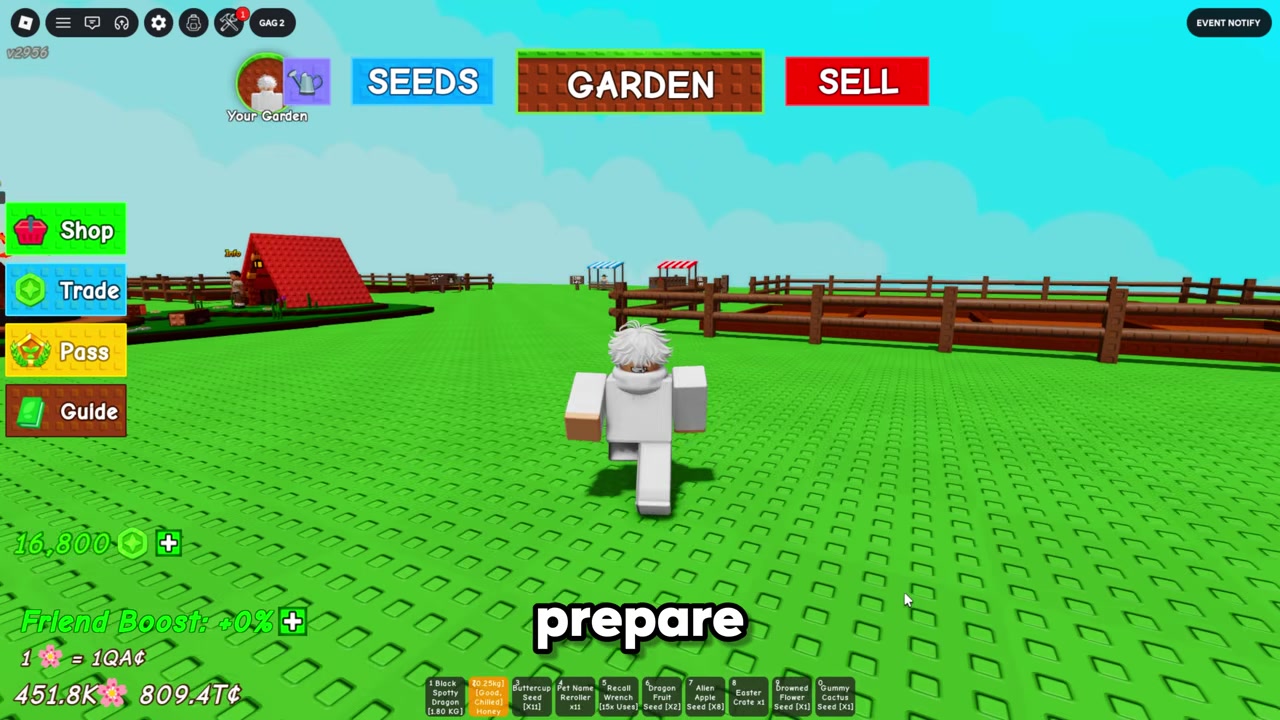
Rush Sheckles early — but funnel them straight into bamboo, sprinklers, and Deer pets; the real mistake isn’t going fast, it’s hoarding cash or chasing billions before you’ve built the engine that earns them.
Every new Grow a Garden 2 player hits the same fork within an hour: grind hard for Sheckles right away, or wander, dabble, and let the money come slowly. The debate is loud because the game is brand-new and the “right” answer is still being argued out in the community — and because the fast path and the slow path lead to very different gardens a week later.
The case for rushing
The strongest argument for rushing is simple: the money in this game is multiplicative, and the multipliers are gated behind Sheckles. The core loop everyone agrees on is buy seeds, plant, harvest on time, sell, and immediately reinvest — never leaving plots empty. The faster you cycle that, the faster you reach the tools that make every future cycle bigger.
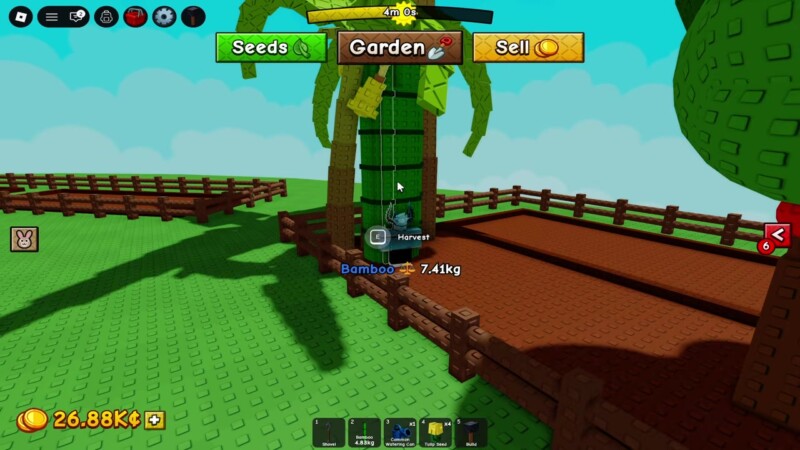
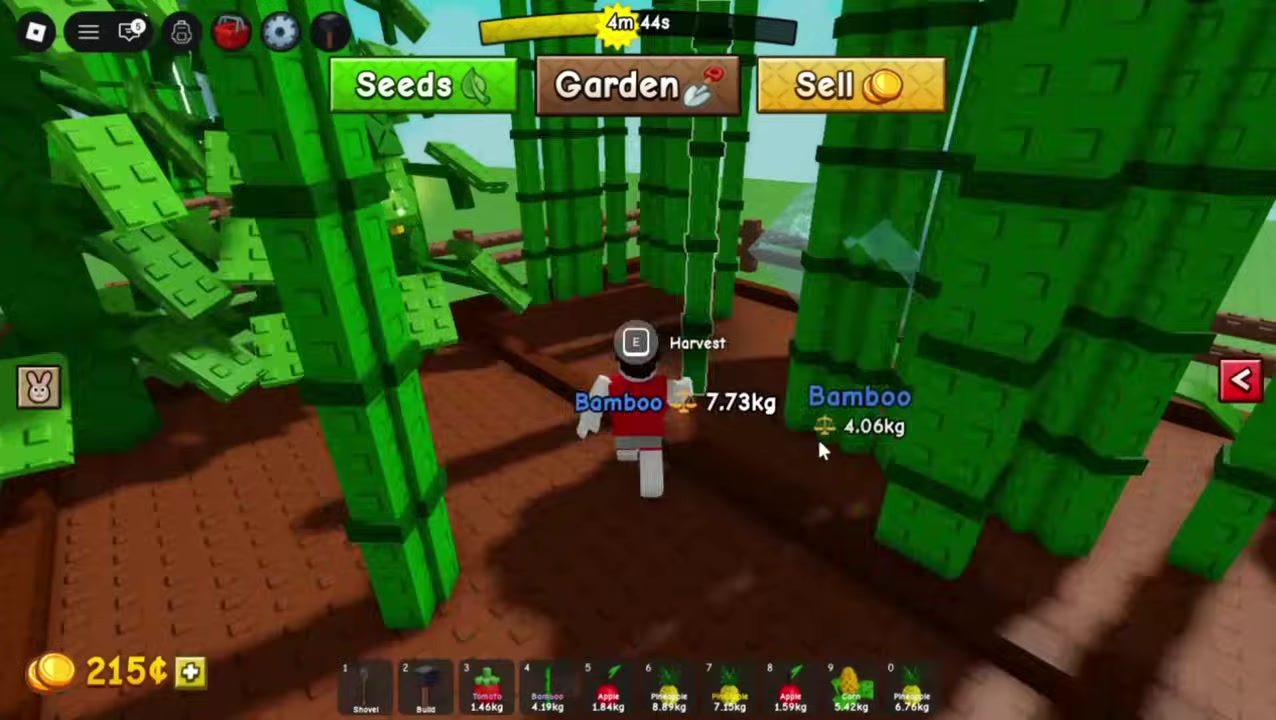
Community guides converge hard on one early path: finish the tutorial, pivot into higher-value short crops, use tulips as a bridge, then rush bamboo. Bamboo is the centerpiece because players say it grows in roughly ten seconds and is cheap enough to buy out of the shop on every restock, so you can plant-harvest-sell on repeat. Stockpile bamboo seeds once you have a cushion (community figures put this around 15,000–20,000 Sheckles), then mass-plant them under sprinklers during a weather event for stacked mutations.
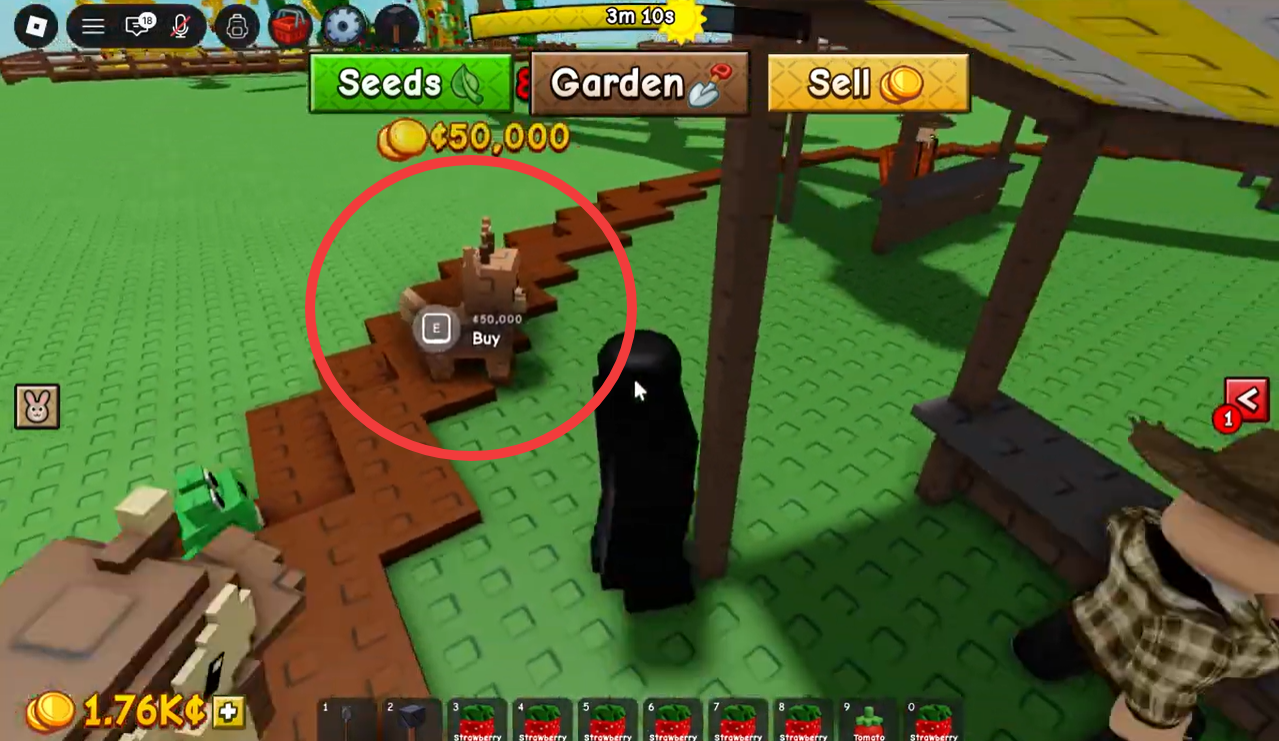
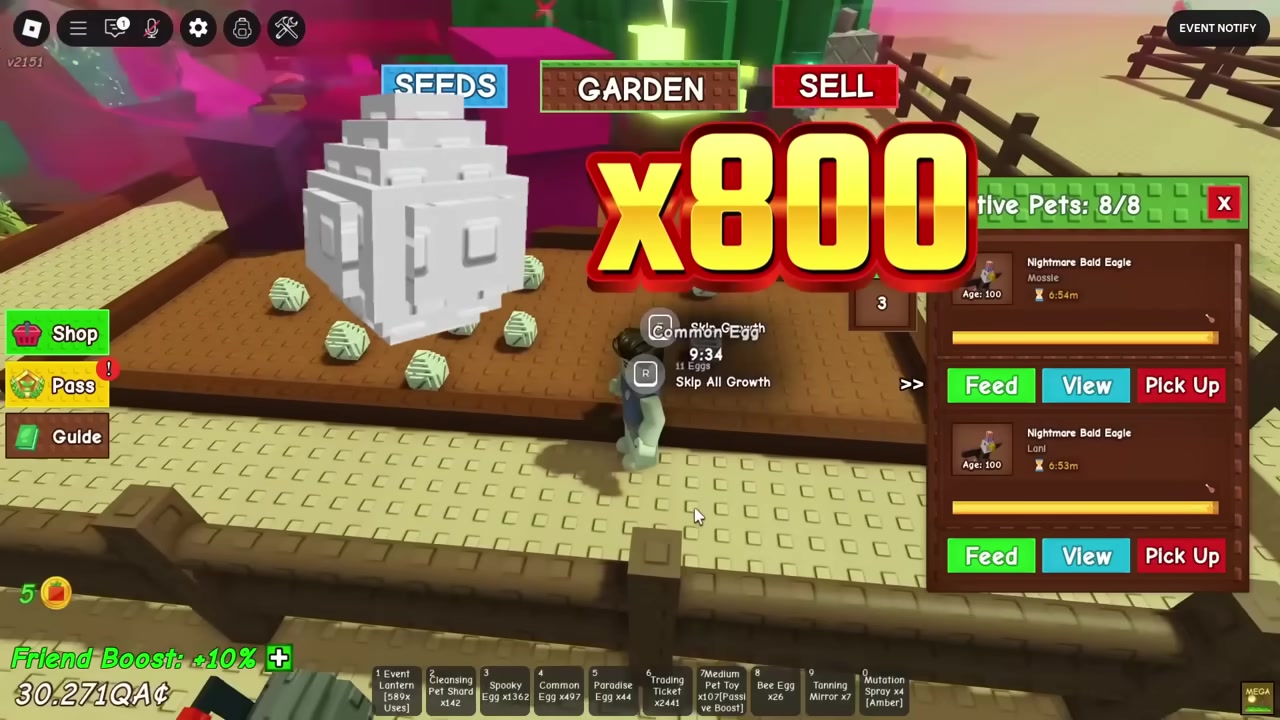
From there, Deer pets — reportedly about 50,000 Sheckles each for roughly +10% growth speed that stacks — turn the whole engine exponential. Play slow and all of that simply arrives later. On pure efficiency, rushing wins, and it isn’t close.
The case for slowing down
Here’s the honest catch: “rush” gets misread, and the wrong version of it is genuinely worse than playing slow. The danger isn’t speed — it’s what you rush into. The most-cited beginner mistakes are pouring early cash into one-harvest crops (one widely-shared guide lists pumpkins, melons, and carrots here, though that same guide oddly also tells beginners to buy carrots, so treat that point as unsettled), buying flashy seeds for the look, harvesting golden or rainbow fruit too early, and — the big one — chasing billion-Sheckle methods from videos before the economy can support them. Those billions-fast claims are not verified for Grow a Garden 2 specifically, so it’s fair to treat them as unconfirmed.
There are real reasons to take it easy, too. Players complain the wider game leans grindy and pay-to-win, with event stock and rare pet odds causing frustration. Public servers can be raided at night, so the AFK-and-rush approach carries actual risk unless you move to a private server. And because the game just launched, much of the “rush meta” — event timing said to be roughly every ten minutes, exact costs, multipliers — is community-observed, not confirmed, and could shift with a patch. If you’re here to relax rather than optimize, slow play works fine; it’s just less Sheckle-efficient.
Who it’s for (and who should wait)
Rush if you’re the optimizer — you want the biggest garden possible, you’ll check both shops on every restock, you can play on a private server, and you find the reinvestment loop satisfying rather than stressful. That player will feel the exponential payoff fast and never look back.
Slow down if you mostly play public servers and can’t babysit your plot, if the grind sounds exhausting, or if you’re prone to FOMO and would burn your whole bankroll on a billion-Sheckle YouTube method you can’t yet sustain. For that player, careful, casual planting is genuinely the better call — and there’s no shame in it.
The verdict
Rush Sheckles early — but rush them into the economy, not into a pile. Cycle into bamboo, place sprinklers, grab Deer pets, and reinvest everything; that’s the fast path the community actually agrees on, and it beats slow play on every efficiency metric. The mistakes people blame on “rushing” — hoarding cash, chasing billions, buying flashy junk — aren’t rushing at all; they’re just bad reinvestment. The one condition that flips this: if you’re playing for relaxation rather than a big garden, slow is the right answer, and either way you should treat the specific numbers floating around as provisional until the game settles.
Going fast only pays if every Sheckle goes back into bamboo, sprinklers, and Deer pets — hoarding cash or chasing billions too early is the actual rookie mistake.
Frequently Asked Questions
Is bamboo really the best early crop?
Should I buy the Robin pet for income?
Most players say no, at least early. The Robin reportedly eats your ripe fruit and only sometimes drops a seed in return, which makes it a poor money investment compared with a Deer. Prioritize Deer pets for Sheckle farming.
How much does a Deer pet cost, and is it worth it?
Community figures put Deer at roughly 50,000 Sheckles each, for about +10% plant growth speed that stacks across multiple Deer. If those numbers hold, it’s the cleanest way to compound your earnings — but treat the exact values as unconfirmed for now.
Should I try the billion-Sheckle methods I’ve seen in videos?
Not early, and not on faith. Those methods aren’t verified for Grow a Garden 2 specifically, and trying to force them before your economy can support them is one of the most common ways new players stall out. Build the bamboo-and-sprinkler base first.
Is it safe to AFK and rush on a public server?
Risky. Players report gardens can be raided and stolen from, especially at night. If you’re running the sprinkler-and-mutation setup or leaving valuable crops growing, do it on a private server.
Based on multiple Grow a Garden 2 community sources and early hands-on impressions. We’ll revisit as the game evolves.