

The New York Times Connections puzzle challenges players to sort 16 seemingly unrelated words into four connected groups. Each group shares a hidden link. Today’s grid blends physical actions, clever rearrangements, and nostalgic references, making it both playful and slightly deceptive. Below you’ll find gentle hints to guide your thinking, followed by the complete solutions once you’re ready to check your work.
NYT Connections Puzzle Overview: 15 April 2026
The grid today balanced concrete items with more abstract ideas, making it easy to second-guess early groupings. Some words naturally seemed to belong together but actually fit better elsewhere. The puzzle rewarded patience and careful comparison, especially when distinguishing between literal objects and more conceptual similarities.
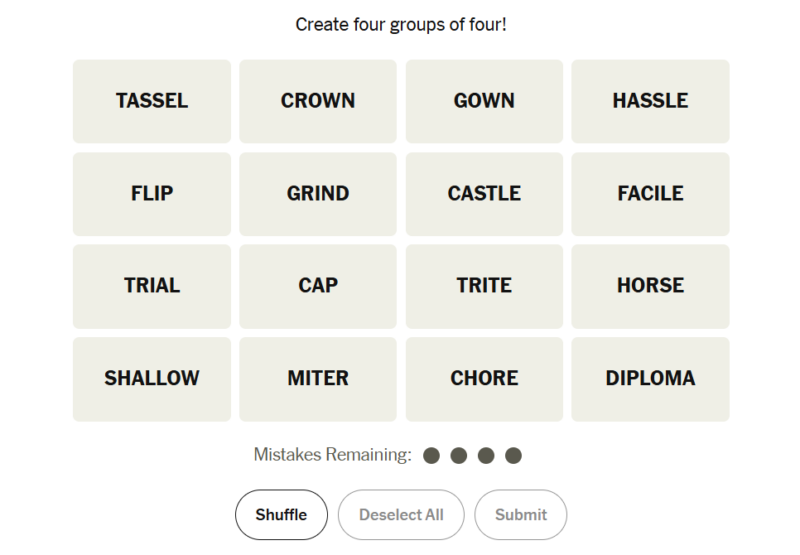
NYT Connections Hints: 15 April 2026
Category 1:
- Think of a major life milestone ceremony
- Items you might see on stage during a celebration
- Often associated with academic achievement
- Worn or received at the end of studies
Category 2:
- Tasks that feel repetitive or draining
- Work you usually don’t look forward to
- Could describe something time-consuming
- Everyday struggles or burdens
Category 3:
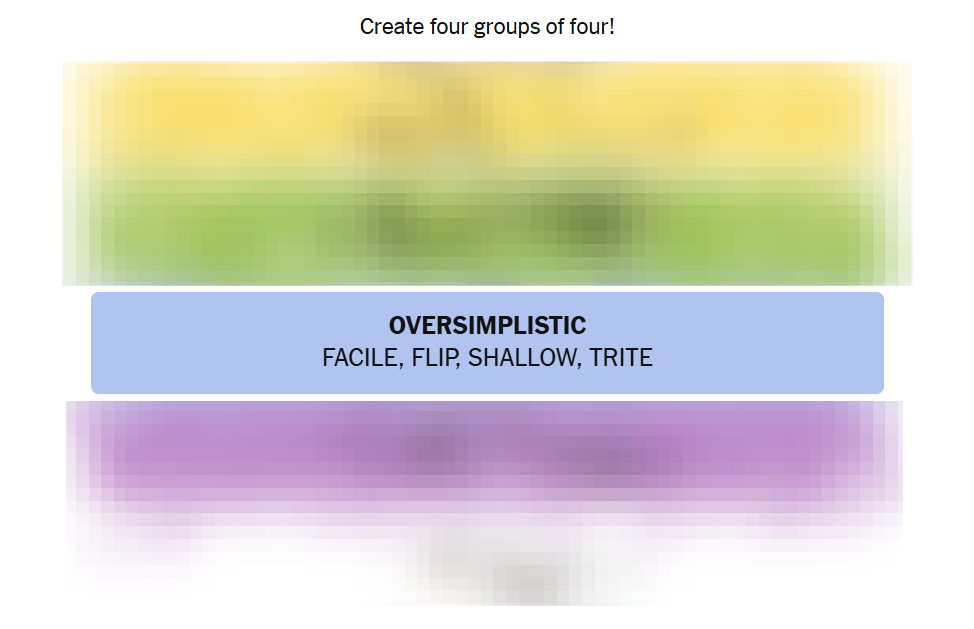
- Describes something lacking depth
- Can refer to ideas or explanations
- Often used critically in writing or speech
- Suggests something overly simple
Category 4:
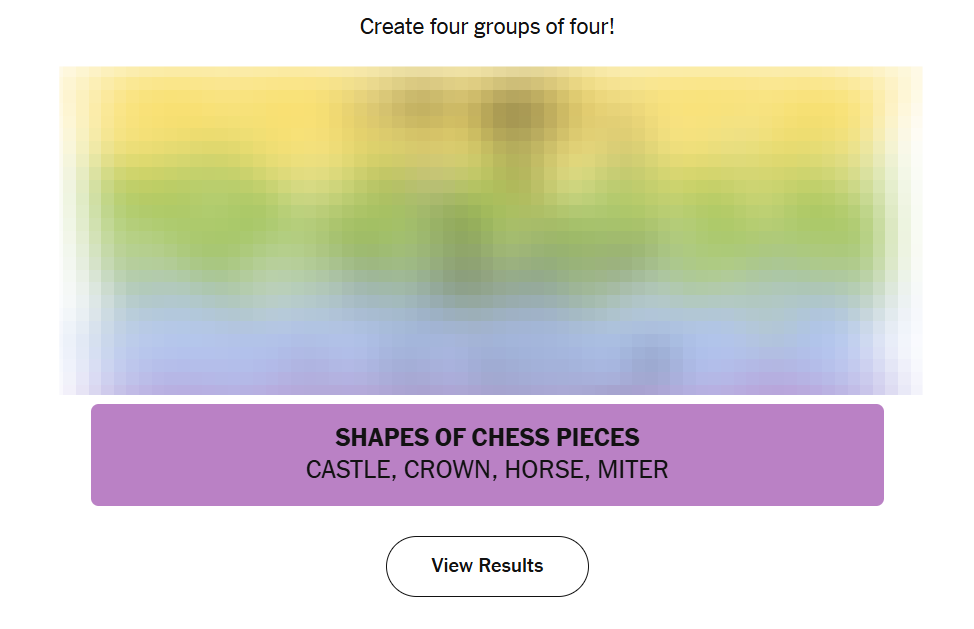
- Visual traits of classic board game pieces
- Inspired by historical or symbolic figures
- Shapes you might recognize from a strategy game
- Each corresponds to a unique role
NYT Connections Answers: 15 April 2026
Here are the answers, grouped by category.
Category 1:
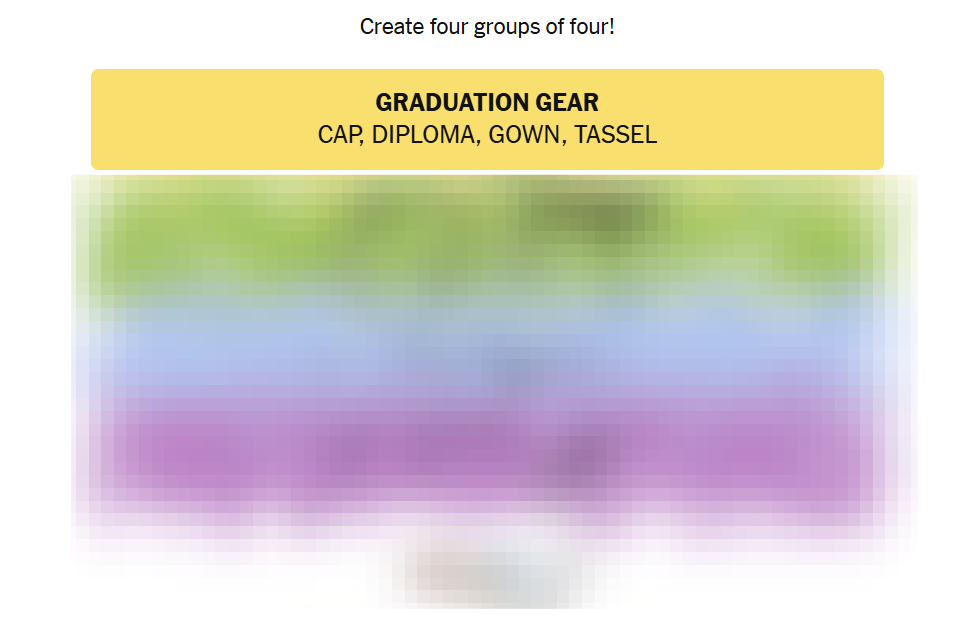
Category 2:
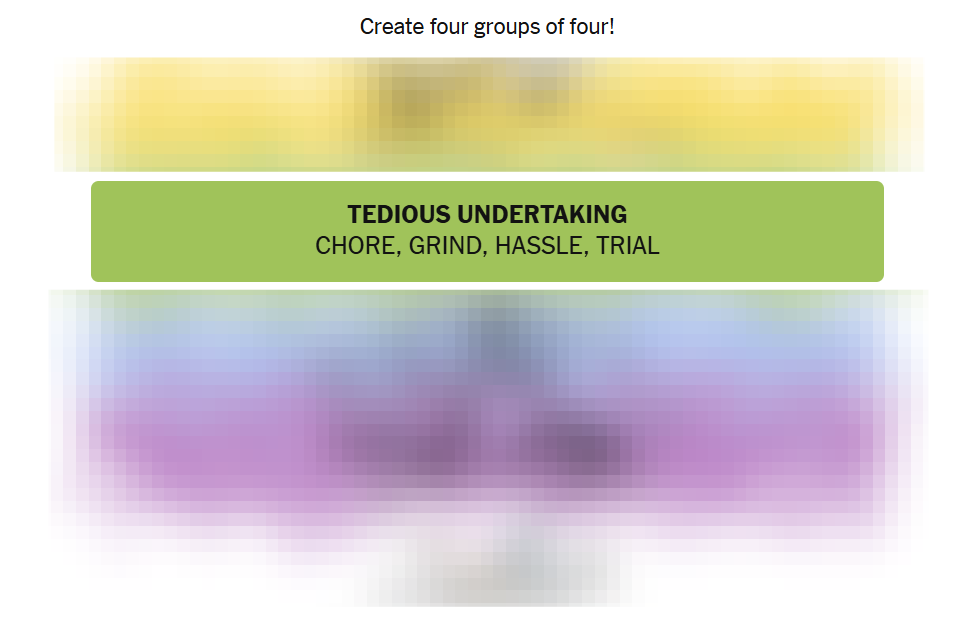
Category 3:
Category 4:
Conclusion & Quick Strategy Tip
The 15 April 2026 Connections puzzle balances straightforward action words with trickier conceptual links, making it satisfying once everything clicks. Quick strategy tip: lock in obvious verb groups early, then examine remaining words for structural patterns or shared cultural references.
Leave a Reply