What to know
- ASUS’s 2026 launches emphasize AI acceleration and next-gen gaming gear.
- ROG Zephyrus G14 and G16 laptops bring cutting-edge chips and OLED visuals.
- A fresh creator lineup debuted in India today.
- New form factors like limited-edition devices and experimental hardware broaden the range.
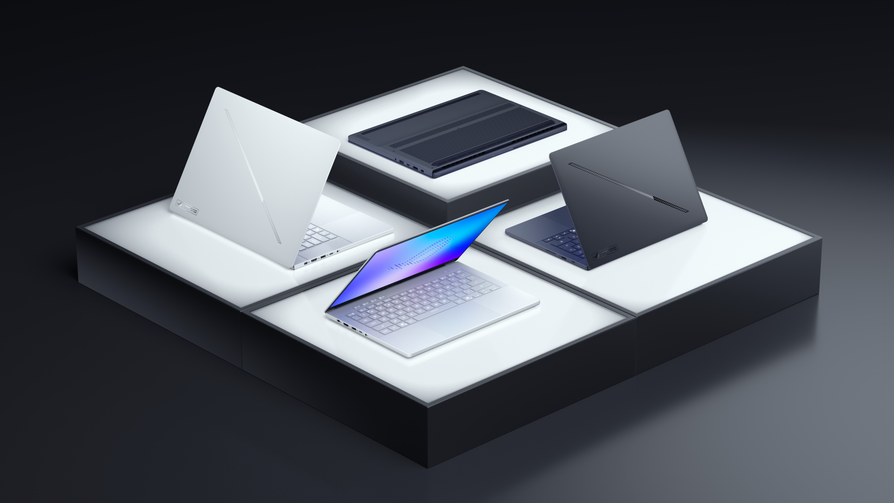
When you look at ASUS’s latest hardware for 2026, the theme is simple: powerful performance blended with smarter computing. At global events like CES 2026, the company made clear its strategy of pushing AI-ready systems for productivity, creativity, and gaming, while also refreshing established design lines with modern silicon and displays.
Below is a consolidated comparison table to help you understand where each major device fits within ASUS’s 2026 lineup.
| Device | Category | Processor Options | Graphics | Display | Key Focus |
|---|---|---|---|---|---|
| ROG Zephyrus G14 (2026) | Premium gaming / creator | Intel Core Ultra / AMD Ryzen AI | RTX 50-series laptop GPUs | 14” Nebula HDR OLED | Portable high-performance gaming |
| ROG Zephyrus G16 (2026) | High-end gaming | Intel / AMD next-gen | RTX 50-series laptop GPUs | 16” OLED high-brightness | Sustained AAA performance |
| ProArt PX13 GoPro Edition | Creator laptop | AMD Ryzen AI Max+ | Integrated / RTX options | 3K OLED color-accurate | Video editing & media workflows |
| ROG Flow Z13 Kojima Edition | Gaming tablet / 2-in-1 | High-end AI-ready CPUs | Dedicated RTX graphics | Touch display high refresh | Hybrid gaming & creative use |
| TUF Gaming A14 (2026) | Durable gaming | AMD Ryzen AI | RTX laptop GPUs | High-refresh IPS/OLED | Affordable gaming power |
Across the entire 2026 lineup, three themes define ASUS’s direction. First, AI is built into the hardware layer, not treated as a software add-on. Second, OLED and high-brightness panels are becoming standard, even outside ultra-premium tiers. Third, ASUS is segmenting its devices more clearly — gaming, creator, hybrid, and durable mainstream — so you can choose hardware aligned with how you actually work and play.
ASUS’s approach puts AI acceleration and high performance at the center of nearly every device. From ultralight laptops to heavy-duty gaming machines, the new products aim to improve everyday workflows — whether you’re editing video, streaming games, or running complex creative applications.
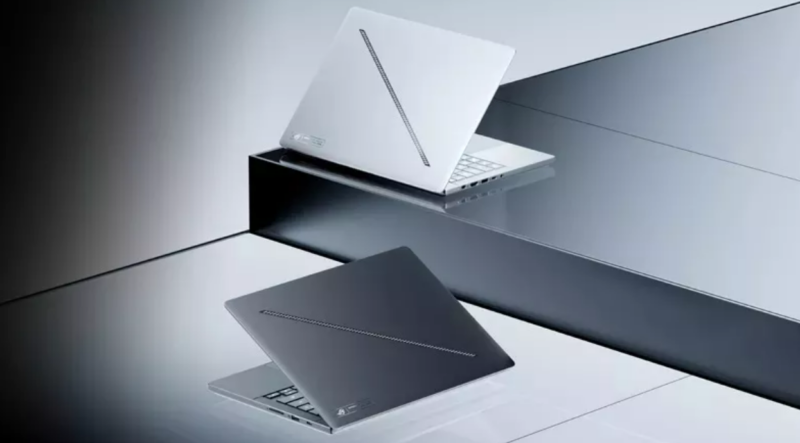
One of the key highlights is from the Republic of Gamers (ROG) brand. The newly announced ROG Zephyrus G14 and G16 laptops are emblematic of this generation’s focus on performance and visuals. Both models pair next-generation processors with NVIDIA’s RTX 50-series laptop GPUs for significantly faster performance than previous generations, and they use advanced Nebula HDR OLED displays with high brightness, fast response times, and rich colours that make them just as effective for creators as they are for gamers.
Beyond raw speed, these gaming machines also represent a shift toward AI-aided computing. The ROG Zephyrus units include neural processing units (NPUs) that can accelerate tasks like voice transcription, AI-assisted editing, and on-device inferencing without needing cloud resources. These capabilities help bridge the gap between traditional gaming laptops and devices meant for creative or professional use.
Another part of ASUS’s 2026 strategy is enabling creators with purpose-built hardware. In India today, ASUS officially unveiled a 2026 creator lineup under the “Built for Originals” initiative, featuring three notable designs: the ProArt GoPro Edition PX13, the ROG Flow Z13 Kojima Productions Edition, and an updated TUF Gaming A14. These devices share AMD’s Ryzen AI Max+ processors, pushing efficiency and performance for creative workflows such as video editing, 3D design, and multimedia production.
The ProArt GoPro Edition PX13 targets content producers directly with a 3K OLED display, up to 128 GB RAM, and a GoPro-centric workflow that simplifies media handling. The ROG Flow Z13 Kojima Productions Edition celebrates a unique design collaboration, blending gaming hardware with cinema-inspired aesthetics and high-end specs in a portable tablet form factor. Meanwhile, the TUF Gaming A14 offers durable construction, solid gaming power, and AI-enhanced performance at a more accessible price point.
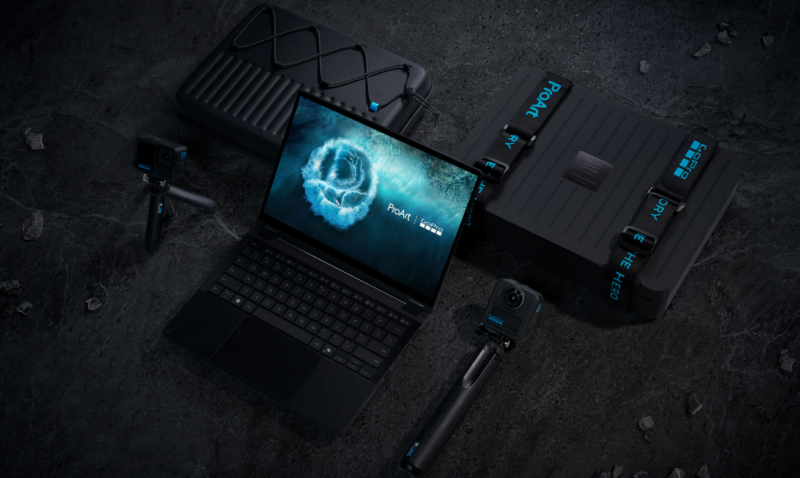
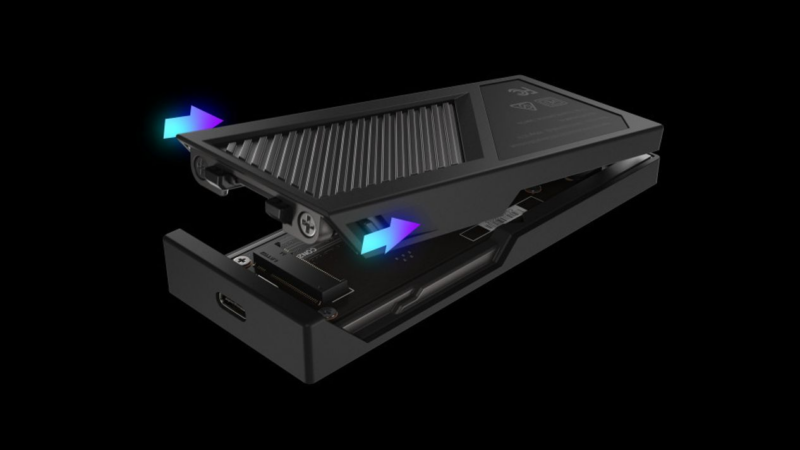
ASUS didn’t stop at laptops. At CES, the company showcased a wider array of AI-powered PCs, desktops, mini-PCs, and accessories — from dual-screen Zenbook DUO systems to new ProArt monitors and USB AI accelerators — reflecting a vision where AI features are a core part of every product segment.
One notable expansion is into experimental form factors and peripherals. For example, ASUS and ROG unveiled new gaming monitors with advanced OLED tech, AR glasses, and even concept desktop designs with bold cooling systems and unique visual elements that speak to future directions in computing hardware.
If you are upgrading in 2026, ASUS’s new lineup gives you multiple paths: ultra-portable gaming, creator-grade editing machines, experimental hybrids, or durable mid-range systems — all built around AI-accelerated computing.