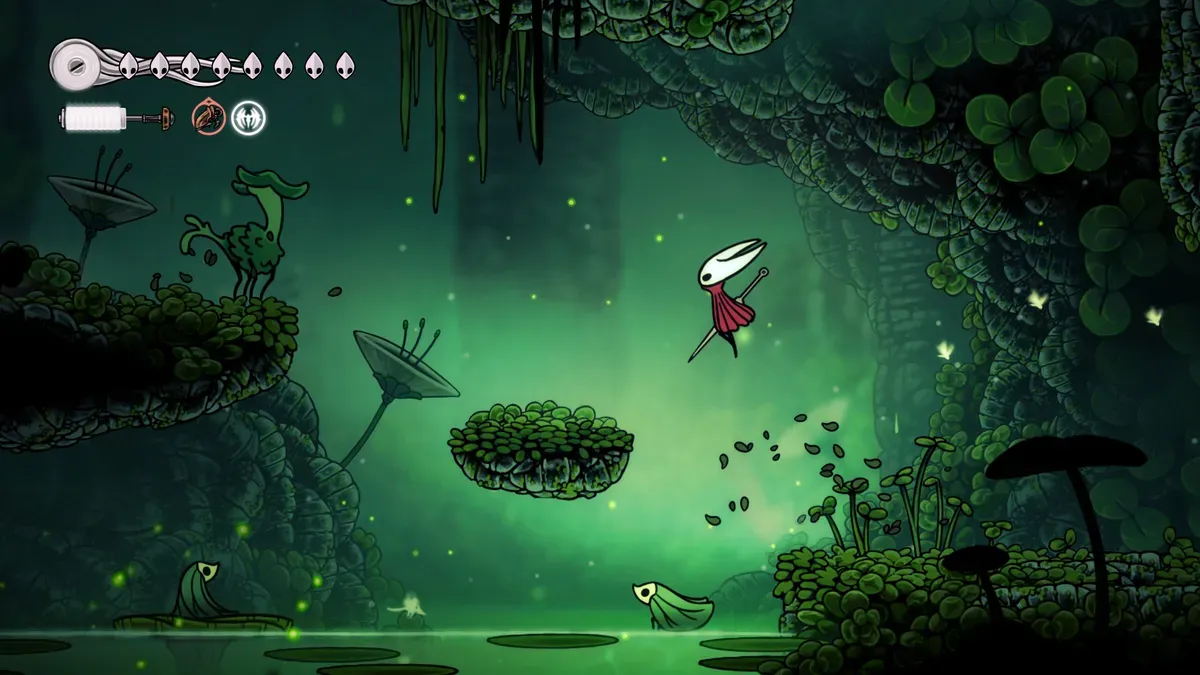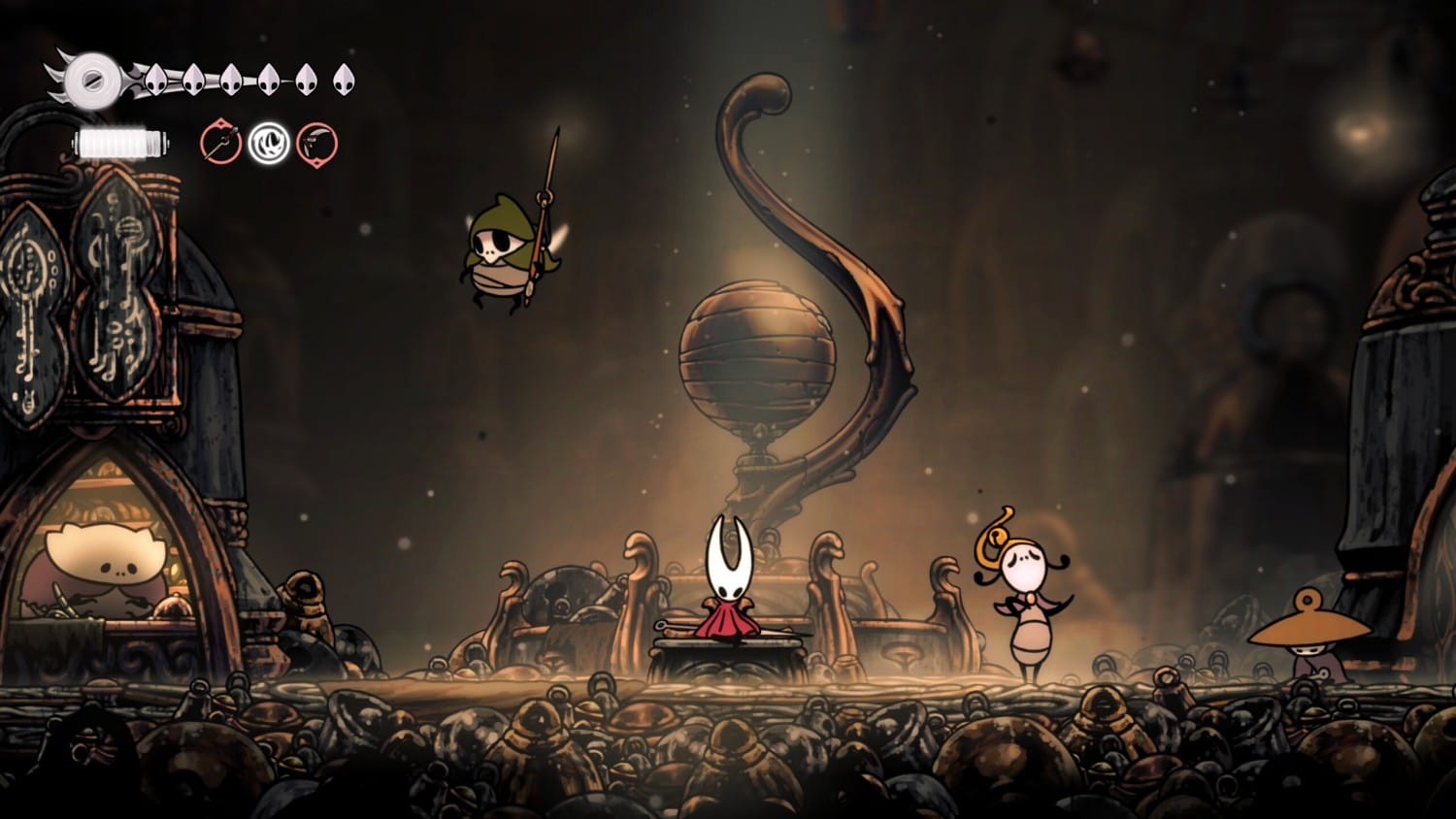
Silksong elevates the metroidvania challenge with faster combat, agile movement, and tougher foes. Its refined mechanics demand precision and adaptability—making journeying through Pharloom a thrilling, heart-pounding test of skill.
What to know
- Silksong introduces faster, more aggressive combat and traversal compared to Hollow Knight.
- Hornet’s agility and new healing mechanics shift how challenges are approached.
- The sequel is notably larger in scale with more enemies, bosses, and save points.
- Fans report a steeper initial difficulty, though accessibility remains in design ethos.
The original Hollow Knight built its reputation on rewarding precision, punishing mistakes, and emotional storytelling. Silksong doesn’t abandon that legacy—it sharpens it. Early hands-on impressions highlight Hornet’s movement speed, aggressive combat demands, and refined tools that reward quick thinking in heated fights.
Movement and combat that don’t wait for you
Hornet’s acrobatic flair brings agility that changes both exploration and battle. Faster movement and mechanics like a silk-based healing system that instantly heals health mid-combat introduce a unique dimension. These refinements enrich gameplay but leave little room for indecision. So yes, it can be unforgiving, but for those who can match its rhythms, there are rewards galore as well.
A grander world—and tougher enemies
Silksong dwarfs Hollow Knight in scale: over 200 new enemy types, more than 40 bosses, and nearly double the number of benches (around 100), compared to the original’s 140, 30, and 51 respectively. These additions expand challenge and opportunity, as well as bring layers of nuance and complexity that are inherent to all great games.

Boss encounters and difficulty spikes from the start
Players report encountering steeper difficulty curves earlier in the game. Some forums mention aggressive early bosses and traps, and a sharper learning curve than the first title. Despite this, the core design intent remains inclusive—Silksong is pitched as a solid entry point for new players, too.
Comment
by
u/donlano from discussion
in
HollowKnight
Accessibility versus uncompromising demand
Team Cherry designed Silksong to match Hollow Knight’s difficulty—but to also welcome newcomers. This balance means the core game feels tough yet fair. Meanwhile, a post-game mode—Silk Soul (akin to Steel Soul mode)—ratchets up the challenge for those seeking it.
Quick-reference comparison table
| Feature | Hollow Knight | Silksong |
|---|---|---|
| Release size | ~140 enemies, 30 bosses, 51 benches | ~200 enemies, 40+ bosses, ~100 benches |
| Combat style | Measured, precise | Fast, agile, demanding |
| Movement | Standard Metroidvania | Highly fluent and responsive |
| Healing mechanics | Hold-to-heal, risk-reward | Instant heal via Silk gauge |
| Difficulty accessibility | Strict, but fair | Still inclusive, but tougher early |
| Post-game mode | Steel Soul | Silk Soul (harder rematch mode) |
What’s different—and why you must know this
Silksong builds on its predecessor by increasing mobility, tightening combat pacing, and introducing systems that reward aggressive play. The Silk healing system, for instance, encourages bold decisions instead of defensive turtling, shifting the player mindset toward momentum and flow. These differences matter because they define not just difficulty—but how you experience the world of Pharloom itself.

Silksong isn’t just harder—it’s smarter. Every leap, swing, and boss encounter tests adaptability and rhythm in new ways. Yet that challenge carries purpose. It reflects Team Cherry’s commitment to evolution: offering fans what they loved about Hollow Knight, while pushing both newcomers and veterans into a brighter, faster, more intricate journey.