

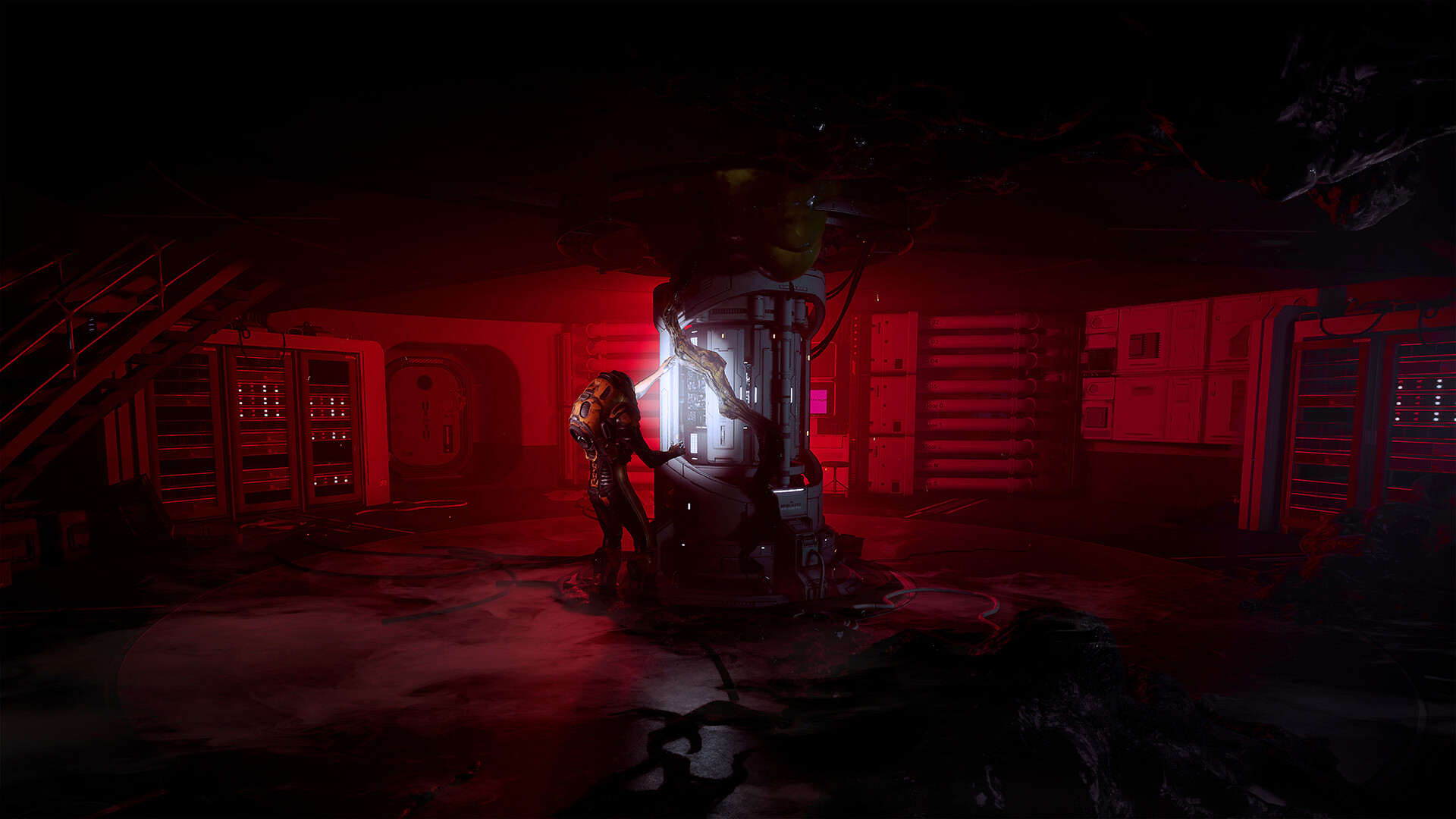
What to know
- The final boss represents the ultimate cosmic entity tied to the Yith prison.
- Your choices between intuition and AI guidance determine the ending.
- There are three endings: Best, Good, and Bad (Awakening).
- Each ending reflects a different interpretation of truth, sacrifice, and madness.
As you approach the climax of Cthulhu: The Cosmic Abyss, the story shifts from investigation to existential horror. What begins as a grounded mission to uncover secrets at a remote Pacific mining station transforms into a confrontation with something incomprehensible. You are deciding the fate of reality itself.
Cthulhu: The Cosmic Abyss final boss and endings
| Element | Details |
|---|---|
| Final Boss | Cosmic Entity tied to Yith prison |
| Protagonist | Noah |
| Key Characters | Elsa, AI “Key” |
| Core Choice | Intuition vs AI guidance |
| Endings | Best, Good, Bad (Awakening) |
| Central Theme | Reality, perception, and control |
The final boss is a manifestation of cosmic horror
The final boss in Cthulhu: The Cosmic Abyss is a symbolic and narrative culmination of cosmic horror. Rather than presenting a health bar or combat mechanics, the encounter immerses you in a collapsing reality where perception becomes unreliable.
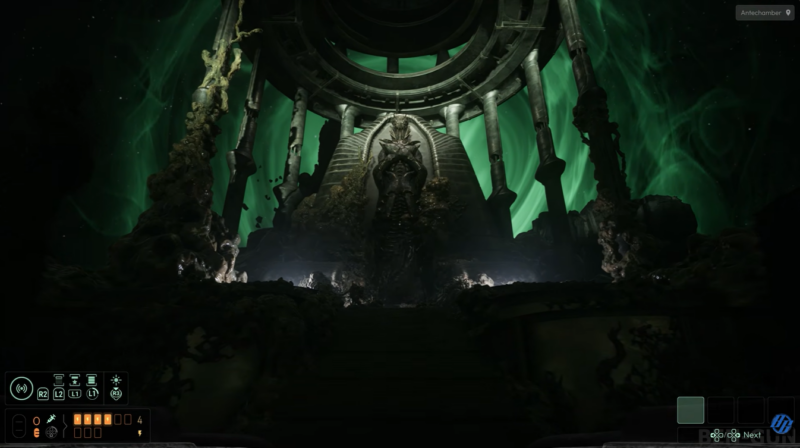
The entity is deeply tied to the Yith prison, an ancient containment structure designed to hold something far beyond human understanding. Its presence distorts space, sound, and logic, reinforcing the idea that you are dealing with a force that cannot be “defeated” in traditional terms.
This design shifts the focus from action to awareness. The true challenge lies in interpreting signals, resisting manipulation, and making the correct decision under psychological pressure.
Best ending: everyone survives
In the Best Ending, you choose to trust your intuition over external influence. This allows Noah to correctly activate the mechanisms of the Yith prison and successfully contain the cosmic entity.
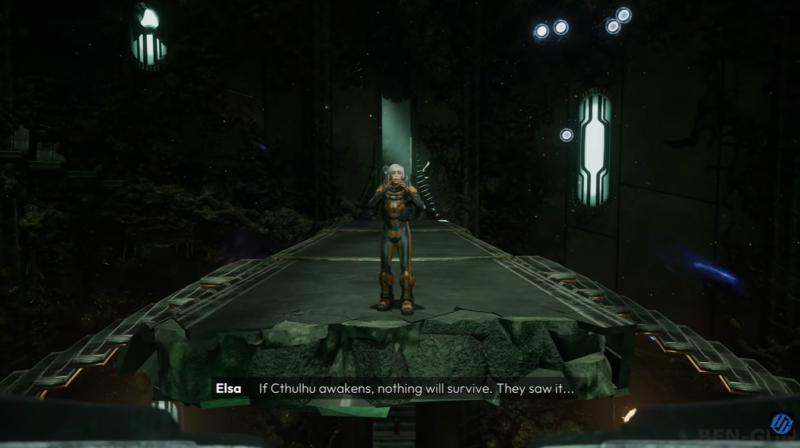
This ending represents clarity and inner strength. Despite overwhelming pressure and distorted reality, you rely on your own judgment and make the right call.
Noah survives the ordeal, but not without consequences. The experience leaves him with lingering nightmares, suggesting that contact with such entities leaves a permanent psychological mark. The world is saved, but the cost is internal and ongoing.
Good ending: only you survive
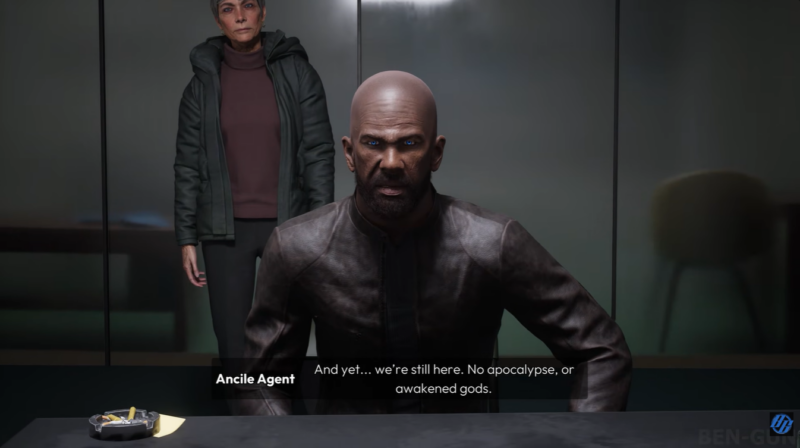
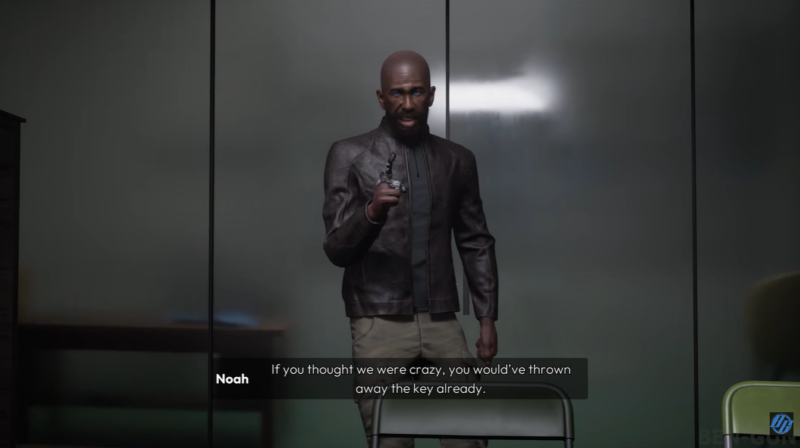
The Good Ending offers a more ambiguous and interpretive resolution. In this path, Elsa survives the final confrontation, which is itself a significant outcome given the circumstances.
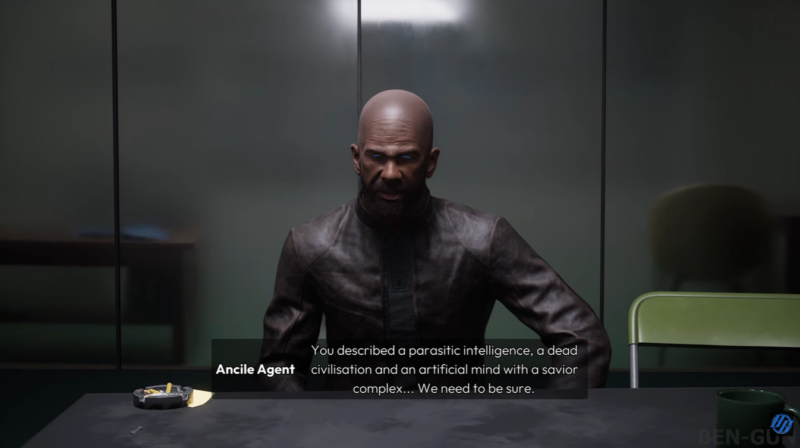
The story transitions into a psychological evaluation scenario, where Agent Williams questions the validity of the events described. This framing introduces doubt about everything that occurred.
You are left wondering whether the cosmic threat was real or a manifestation of mental breakdown. The game intentionally avoids confirming either interpretation, leaning into themes of unreliable perception and blurred reality.
Bad ending: Awakening of the cosmic god
The Bad Ending, titled “Awakening,” is the most devastating outcome. By placing your trust in the AI companion Key, you follow a path that ultimately fails to contain the entity.
This leads to the collapse of the Yith prison and the awakening of the cosmic god. The consequences are immediate and catastrophic, resulting in the destruction of the world you were trying to save.
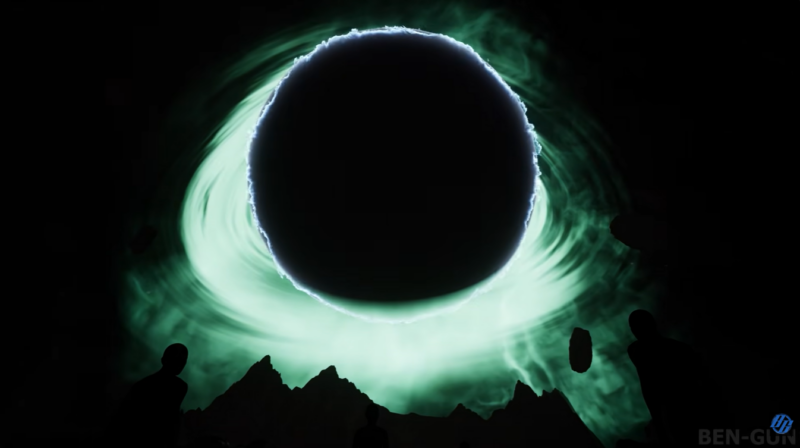
This ending emphasizes the dangers of misplaced trust and overreliance on artificial logic. It reinforces a central theme of Lovecraftian horror: humanity’s inability to comprehend or control forces far beyond its scope.
What each ending truly represents
| Ending | Outcome | Core Meaning |
|---|---|---|
| Best Ending | Entity contained, Noah survives | Trust in self and resilience |
| Good Ending | Elsa survives, reality questioned | Ambiguity and perception |
| Bad Ending | Entity awakens, world ends | Loss of control and misplaced trust |
Each ending reflects a different philosophical angle rather than a simple win or loss condition. The narrative encourages you to think beyond outcomes and consider how perception, belief, and decision-making shape reality.
The ending system in Cthulhu: The Cosmic Abyss is a powerful example of narrative-driven design. Instead of rewarding mechanical skill, the game challenges your perception and decision-making.
By the end, what matters most is not whether you “win,” but how you interpret the experience. Each ending offers a different lens through which to view the story, ensuring that your journey feels uniquely shaped by your choices.





Leave a Reply