

What to know
- Fable is a full reboot of the franchise, not a direct sequel to Fable 3.
- The game features seamless open-world exploration, dynamic NPC reactions, and player-driven choices.
- Combat combines melee, ranged weapons, and magic with fluid switching between styles.
- Property ownership, jobs, romance, and morality systems are all returning with expanded depth.
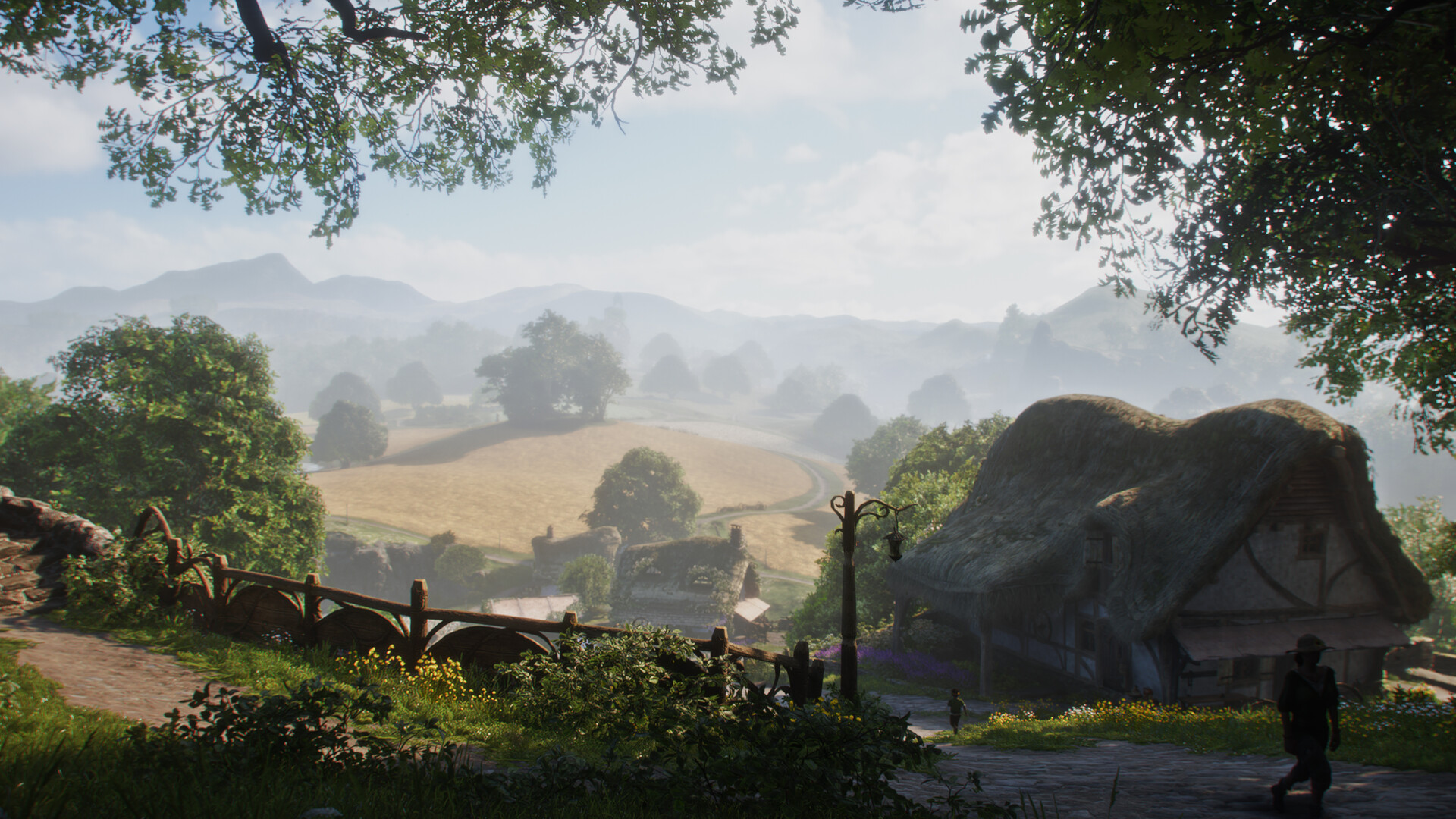
The long-awaited reboot of Fable finally received a major gameplay showcase during Xbox Developer Direct 2026, giving players their clearest look yet at how the modern version of Albion will work. After years of teasers and cinematic trailers, Playground Games revealed core gameplay systems including combat, exploration, morality, NPC interactions, professions, and open-world design.
Unlike previous entries, this new Fable is designed as a full reboot rather than Fable 4. Playground Games described it as a “new beginning” for the series while still keeping the humor, charm, and player freedom that defined the original games.
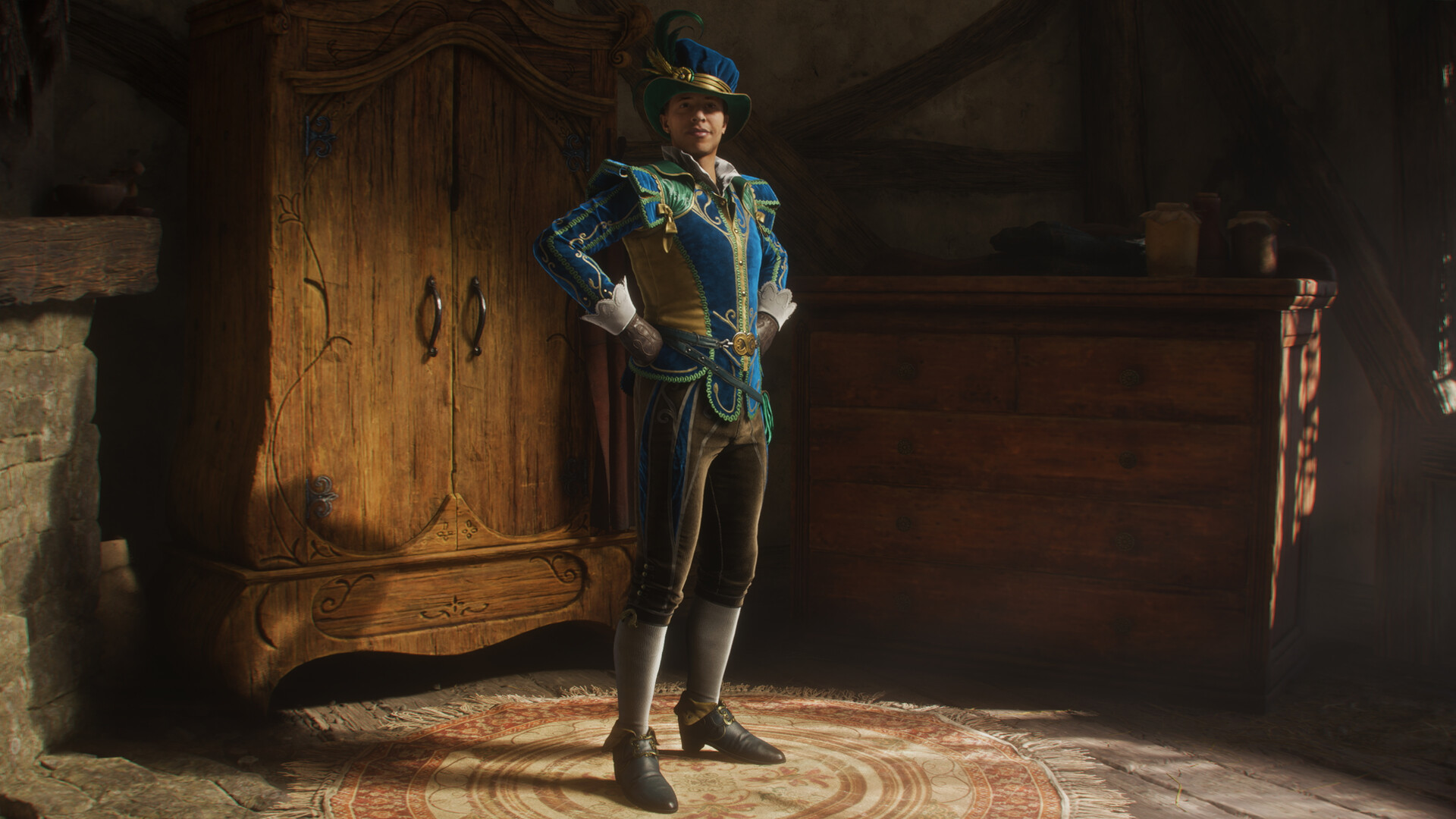
The biggest change is the scale of Albion itself. The reboot introduces a seamless open world filled with more than 1,000 fully voiced NPCs. According to the developers, every NPC has routines, reacts to your behavior, and contributes to the game’s reputation system. The world is meant to feel reactive rather than scripted, with choices affecting how townspeople treat your character over time.
Combat appears significantly more action-focused than earlier Fable games. Gameplay footage showed fast melee attacks, dodging, archery, and magic abilities all flowing together during encounters. Players can switch between swords, ranged weapons, and spells dynamically instead of committing to a single combat style. The reboot also includes lock-on targeting and more fluid enemy encounters that resemble modern action RPGs while still preserving the series’ fantasy tone.
Magic seems to play a larger role in combat variety. The gameplay overview showcased elemental spells and environmental interactions during fights, suggesting that combining attacks may become a key part of higher-level gameplay. Playground Games also confirmed that players can customize their hero extensively and shape builds around different combat preferences.
Outside combat, the reboot heavily emphasizes life simulation systems. Players can buy homes, own multiple properties, work jobs such as blacksmithing, form relationships, marry NPCs, and influence local economies. These systems echo mechanics from earlier entries but appear more interconnected in the reboot. Developers stated that your actions can change how settlements behave economically and socially.
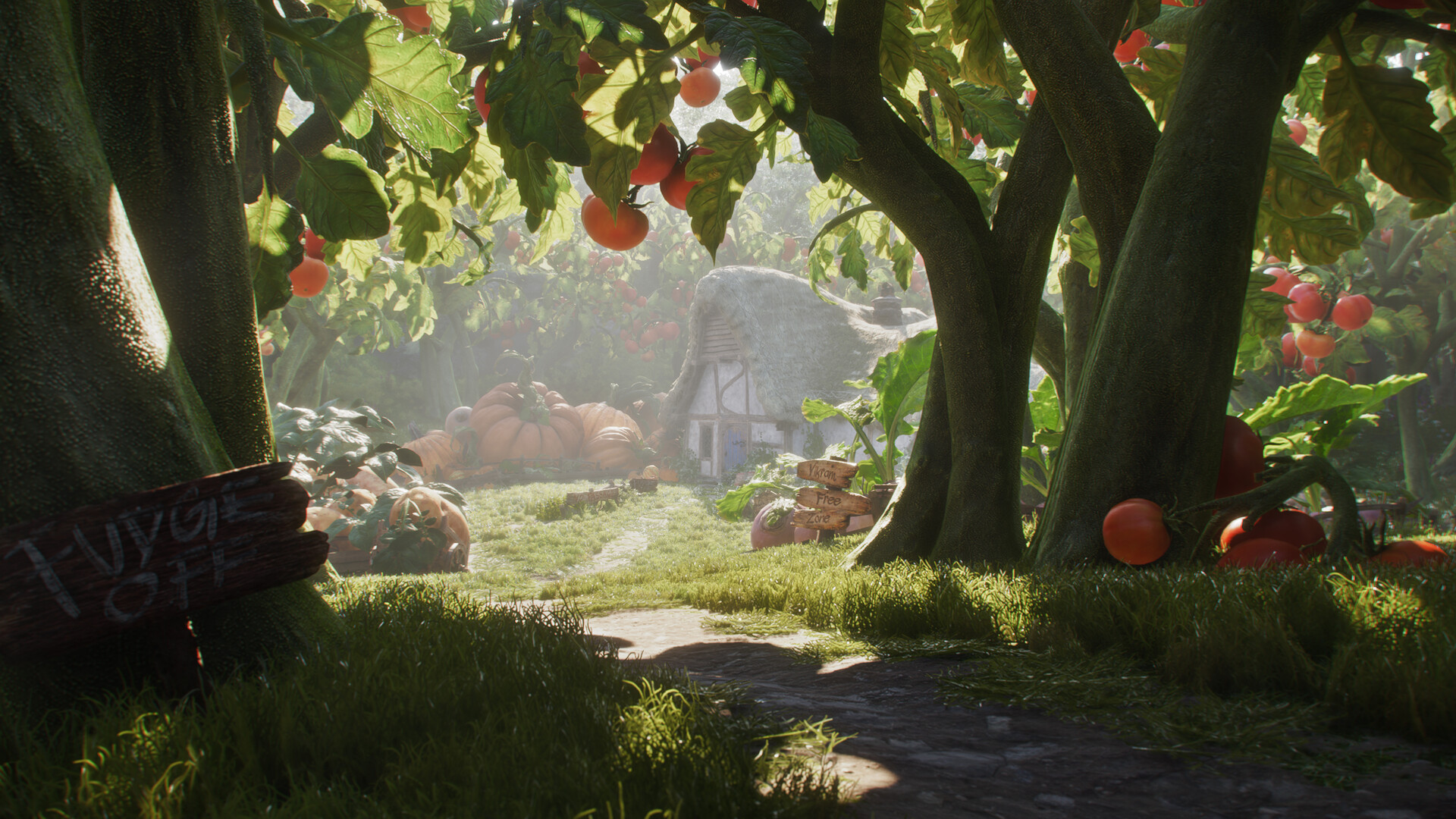
The game is currently scheduled for Autumn 2026 on PC, Xbox Series X|S, and PlayStation 5, making it the first Fable release to launch simultaneously on a PlayStation console. It will also arrive day one on Xbox Game Pass.
For longtime fans, the gameplay reveal suggests that Playground Games is aiming to modernize the franchise without abandoning what made Fable distinct. The mix of humor, morality systems, open-ended exploration, and player-driven world interactions appears to remain central to the reboot’s identity. Whether the final game can fully deliver on those ambitions will become clearer as more gameplay footage and hands-on previews arrive closer to launch.





Leave a Reply