

- What to know
- Directive 8020 endings
- How Directive 8020 builds its different endings
- Homeward Bound everyone lives ending
- Hitchhiker ending: the dark twist on success
- Homeward Bound Massacre ending
- Homeward Bound Masks Off ending
- Docked ending: safe arrival without intruders
- Docked Not Alone ending
- Game Over ending when no one is left
- Bad ending: everyone dies and the Horror continues
- Forever and Ever epilogue: the hopeful mission reel
- Beacon epilogue: the warning instead of a dream
- Eisele the Humanitarian post credit scene
- Eisele the Scientist post credit scene
- How to aim for specific endings in practice
- Rewards and what each ending gives you
- Why Directive 8020 endings make every choice feel heavy
What to know
-
Directive 8020 has one main finale structure with multiple branches that convert into Homeward Bound, Docked, Hitchhiker, Massacre, Masks Off, Horror and Game Over style outcomes.
-
Epilogue and post credit scenes such as Forever and Ever, Beacon, Humanitarian and Scientist reframe the whole story around clones, repeated cycles and the real intention behind Directive 8020.
-
Who survives depends on earlier destinies, trust, mimic exposure and how many quick time events you pass in the final episode, which alone holds more than twenty possible death scenes.
-
There is no simple fail state: even disastrous runs roll forward into their own endings, including everyone dies outcomes where the alien threat continues toward Earth.
Directive 8020 is built around mistrust, identity, and sacrifice, and its endings turn your long list of choices into very different futures for Earth and the Cassiopeia crew. This guide will walk through every ending, explain who lives or dies in each branch, and connect those scenes back to the wider lore and themes of Directive 8020.
Directive 8020 endings
How Directive 8020 builds its different endings
Directive 8020 is set on the colony ship Cassiopeia, which crash lands on Tau Ceti f while humanity searches for a new home after Earth begins to fail.
Most of the crew are in hypersleep while a smaller team deals with the crash, only to realise that an alien organism capable of mimicking people has boarded the ship and begun infiltrating the crew.

Several systems control how your run ends:
-
Destinies for each main character, which track long term behavioural patterns and steer them toward specific fates in the last episode.
-
Trust and relationship states, which decide whether characters cooperate, save each other or abandon one another in the final act.
-
A mimic exposure layer, which determines when a character can secretly be replaced or infected, feeding into the Not Alone and Hitchhiker style variants.
-
A Turning Points story tree that lets you rewind major branches to test different outcomes and collect all endings from a single base file if you wish.
The final episode has a dense concentration of possible deaths, and even one failed sequence can push the story into Massacre, Horror or Game Over territory.
Homeward Bound everyone lives ending
This is the most positive version of Directive 8020: the crew fight through a last boss style encounter, stabilize the ship and leave Tau Ceti f with everyone who was still alive going into the finale.
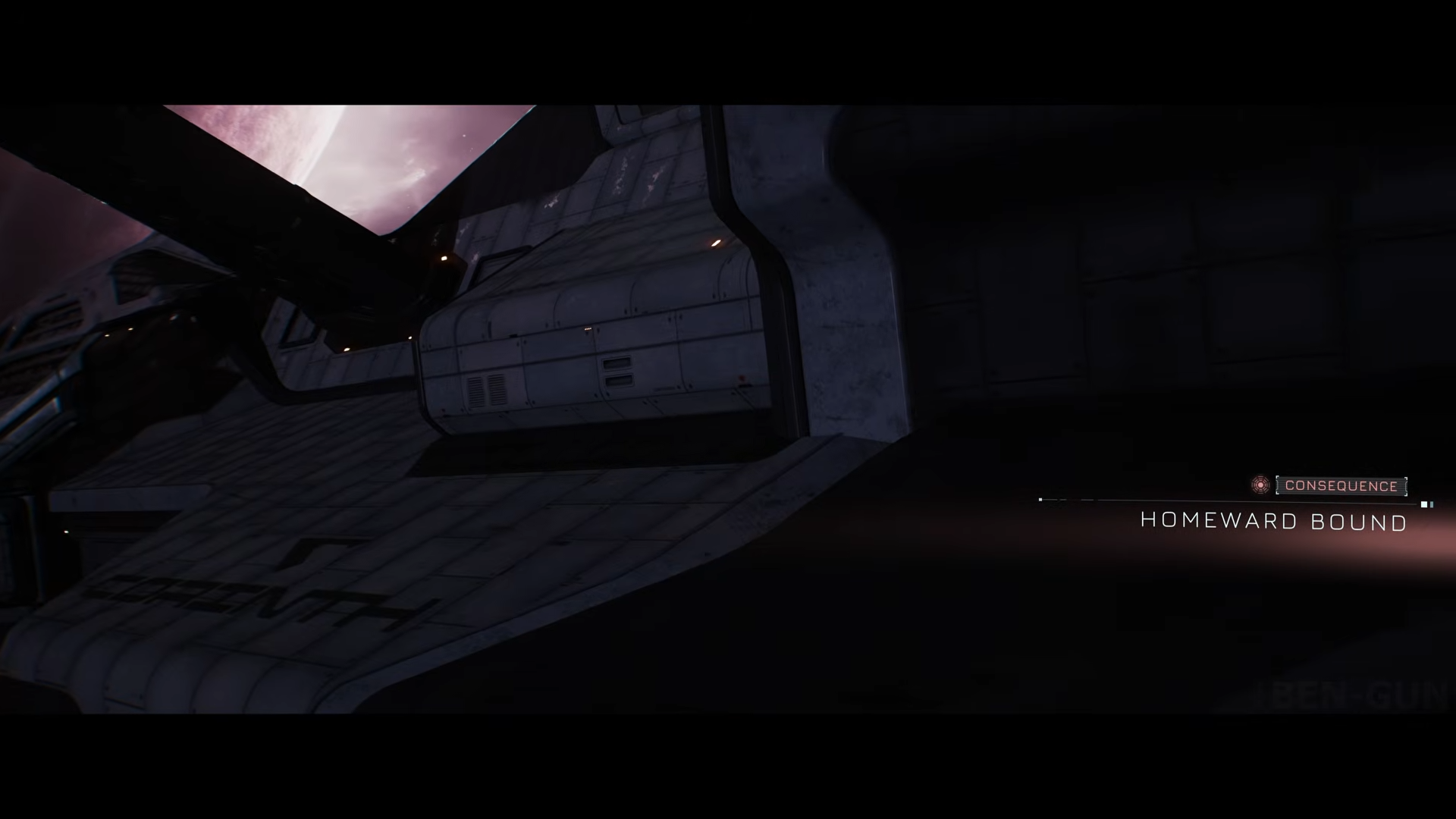
You see the alien finally neutralized or contained, systems stabilize and the survivors share a brief moment of relief before the story transitions into the Forever and Ever style epilogue.
Step 1: Protect as many characters as possible before Episode 8
The everyone lives Homeward Bound ending assumes that most or all playable crew members reach the last episode alive, because late sequences constantly check whether someone is available to hold a door, patch a system or take a risk.
-
Pass stealth and chase sequences earlier in the game whenever they involve a direct life or death failure state.
-
Maintain reasonable trust between key pairs such as Young and Carter so they are willing to help one another when the pressure spikes.
Step 2: Prioritize survival focused choices in Come True
The final episode, often titled Come True, calculates destinies and funnels you into specific routes based largely on the path you have built for Young.
-
When given a clear choice between sacrificing someone or taking a more careful option that slows the group down, lean toward teamwork and survival over ruthless efficiency.
-
In dialogue checks where you can focus on humanity or cold mission logic, push Young toward loyalty and care rather than self interest, which reinforces a survivorship focused destiny.
Step 3: Win the reactor and launch sequences
From the Ben Gun footage you can see that the last stretch combines a meltdown countdown, a rush to fuel the getaway and a manual targeting segment where failure can wipe the crew in seconds.
-
Pass the repeated reactor and launch quick time events where missing one input can lead to fire or explosion deaths.
-
Handle any heartbeat or keep calm segments cleanly so you are not caught by the creature during final escapes.
If you hold the team together through this gauntlet you see the Homeward Bound outcome: the Cassiopeia or attached vessel clears orbit, the alien threat is left behind or destroyed and the tone of the closing scenes is tense but hopeful.
Hitchhiker ending: the dark twist on success
The Hitchhiker ending is a twist on the Homeward Bound route where you seem to have achieved a good escape, but one extra shot or reveal shows that the alien has made it aboard in disguise.

The ending shows the ship leaving while an unseen presence or figure indicates that humanity is not truly safe, which recontextualizes the entire run as a setup for a wider outbreak rather than a clean rescue.
Step 1: Allow an ambiguous or suspicious survivor through
To reach Hitchhiker, the game needs at least one character whose status as human or mimic has not been fully resolved by the time the escape sequence happens.
-
Take routes where a separated crew member reappears without thorough decontamination or verification.
-
Miss evidence that would let you fully clear or condemn that character before boarding.
Step 2: Succeed at escape, but do not fully neutralise the threat
Hitchhiker tends to appear when you succeed at most mechanical challenges but fail to shut down the conditions that allow the mimic to follow you.
-
Win the launch or docking sequences so that the ship survives.
-
Avoid choices that clearly prioritise containment above personal survival, such as scorched earth options that would destroy the vessel.
The result is an ending that looks like a victory on the surface yet ends on a frame or two that shows a stowaway, hinting that Directive 8020 has merely postponed the disaster by carrying the threat toward human space.
Homeward Bound Massacre ending
In the Massacre variant, the ship or shuttle does lift off, but you have allowed too many failures on the way, so most of the crew die during the final sprint.
The end cutscene leans into the cost of survival: you may see a lone or near lone survivor framed against the void while the losses hang over what would otherwise have been the same Homeward Bound escape.

Step 1: Let deaths stack up before the finale
Massacre depends on a very low survivor count when you enter Episode 8 or on losing multiple characters during that episode.
-
Fail some chases, stealth segments or trust decisions in earlier chapters so that only a subset of the crew make it to the reactor and launch sequences.
-
Alternatively, lose several quick time events during the last episode, triggering the many contextual death scenes that can still leave one playable character alive to hit the final switch.
Step 2: Still complete the escape itself
Despite the casualties you still need to succeed at the core escape objective: fuelled engines, proper targeting and a launch that clears the danger zone.
That combination gives you a haunting version of Homeward Bound in which the mission technically succeeds, but at the price of almost everyone on the crew.
Homeward Bound Masks Off ending
Masks Off is another Homeward Bound branch, but here the focus is on exposing the mimic rather than keeping everyone alive.

The ending emphasises moments where surviving crew members confront impostors, reveal the truth about who was human and choose whether to destroy or abandon the creature, even if that means a smaller survivor pool.
Step 1: Gather strong evidence about the mimic
To pull off Masks Off you need to lean into investigation throughout the game.
-
Search optional terminals, labs and crew quarters for logs that hint at replacement incidents or contradictions in memories.
-
Pay attention to premonitions and visual clues that foreshadow which crew members are at risk of being copied.
Step 2: Choose confrontation over denial late in the story
When the narrative offers you a chance to confront, accuse or interrogate potential impostors, use those options instead of letting doubts slide.
-
Support characters who push for a hard truth approach rather than those who simply want to flee.
-
In final conversations, back choices that prioritise revealing what happened, even when that puts relationships at risk.
Masks Off then turns the final Homeward Bound framing into a moment of clarity rather than simple escape: the survivors leave Tau Ceti f having faced what the life form is and what it did to the original crew.
Docked ending: safe arrival without intruders
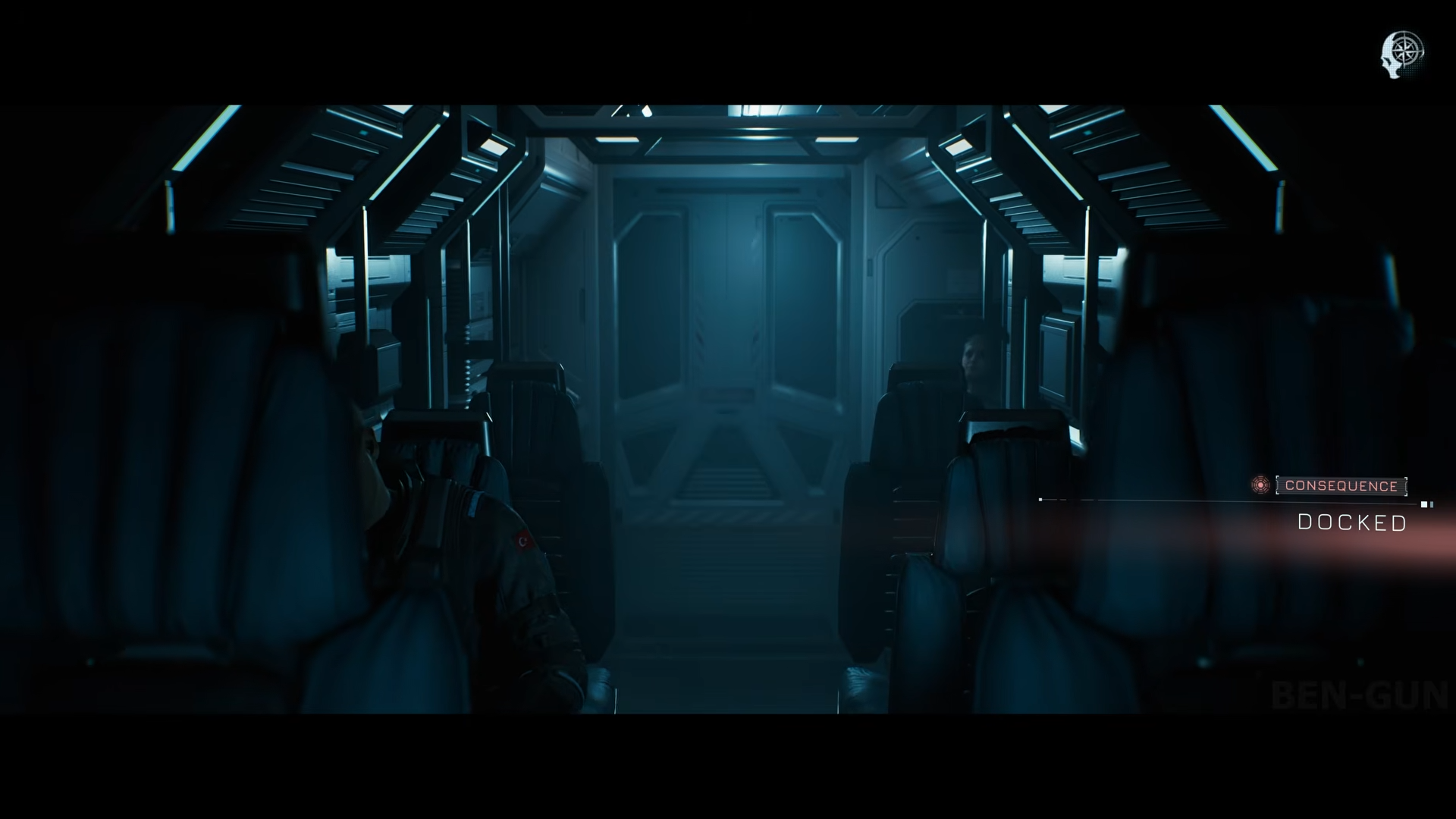
The Docked ending shifts the focus from open space escape to a docking sequence, most likely involving the sister ship Andromeda or another human vessel responding to the Cassiopeia distress signal.
In the benign Docked variant, the crew manage to connect without an obvious alien presence aboard, so the tone mixes relief with uncertainty about what will happen once everyone has told their story.
Step 1: Successfully send or respond to a rescue signal
Mid to late game choices about communication determine whether someone can pick you up at all.
-
Choose actions that support getting a beacon or message out rather than going fully dark.
-
Protect the crew member responsible for communications so that they survive to handle docking instructions.
Step 2: Avoid bringing clear contamination aboard
To stay in the safer Docked branch, you need to avoid late decisions that knowingly risk docking with an obviously infected person or cluster.
-
Use whatever diagnostic tools you have restored to screen people before final boarding.
-
Fail fewer stealth segments so that the alien presence is not roaming the corridors at the moment of docking.
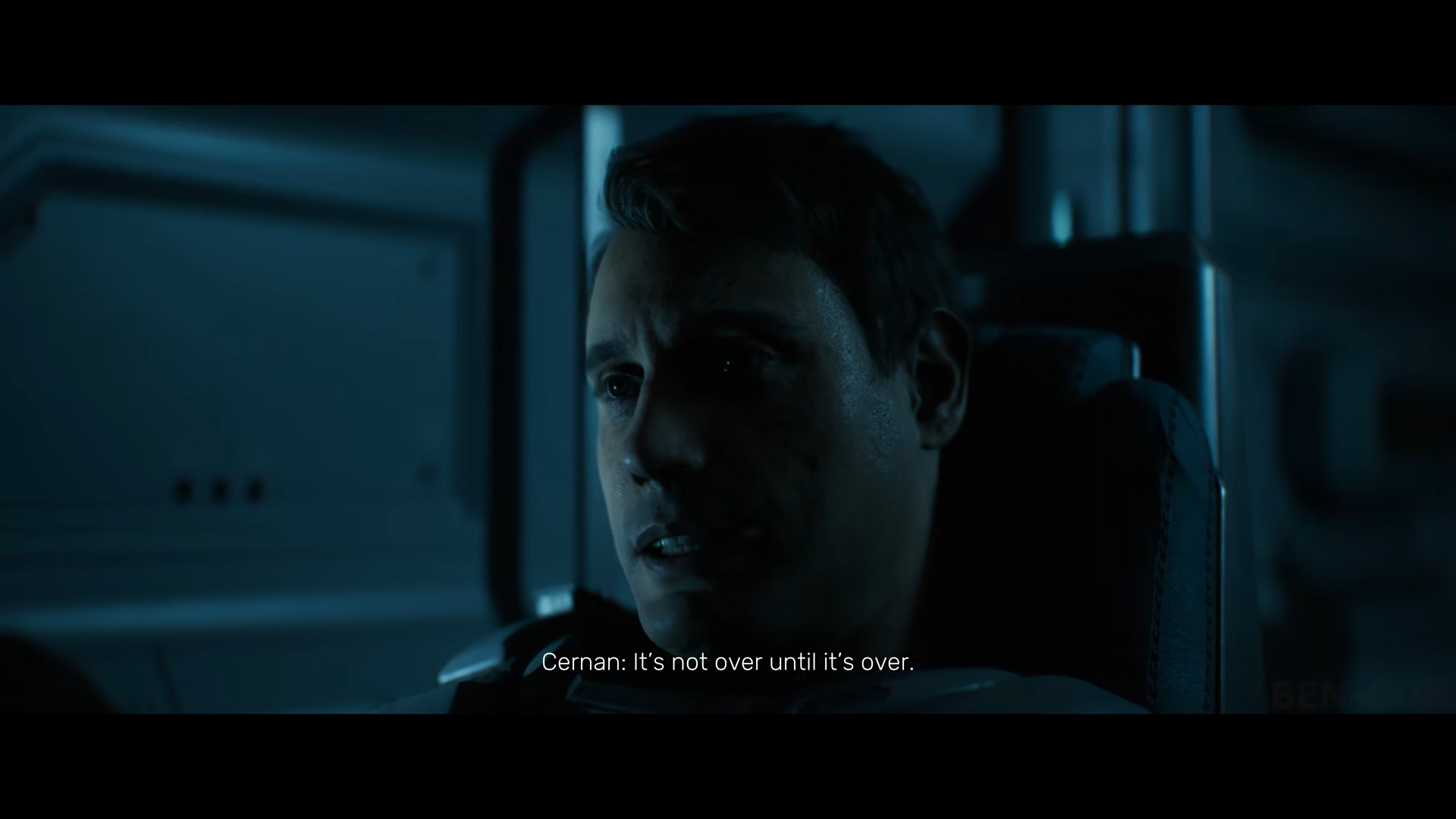
The result is a quieter ending than Homeward Bound, with the Cassiopeia or a smaller vessel simply arriving and locking on, leaving the aftermath to the imagination.
Docked Not Alone ending
Docked Not Alone uses nearly the same setup as Docked, but ends on a reveal that something inhuman has made it through despite precautions.
You might see a shot of an intruder in a corridor, a hint of mimic movement in the background or another visual that makes clear you have just delivered the threat to the rescuers.

Step 1: Make the docking happen as above
The structural requirements are the same as the safe Docked outcome: a functioning vessel, a working signal and at least one capable survivor to handle the approach.
Step 2: Allow a gap in your security
To flip from Docked to Docked Not Alone, let your mimic control slip at the last moment.
-
Trust a returning crew member whose behavior has been suspicious.
-
Skip evidence, miss a scan or fail an interrogation that would have exposed the intruder before boarding.
This ending is one of the most unsettling because it undercuts the apparent safety of docking with a very small visual change at the end.
Game Over ending when no one is left
If all playable characters die before they can reach the final showdown, the game rolls into a comparatively short Game Over style ending rather than a full cinematic branch.

You see failure text and short scenes that imply the mission collapsed long before it could meaningfully affect the wider conflict between humanity and the life form.
Step 1: Lose too many key characters early
The Game Over outcome reflects a run where major failures stack up across episodes.
-
Multiple key protagonists die through missed quick time events or deliberate sacrifices.
-
Crucial roles such as pilot, engineer or communicator are gone, so the story no longer has a credible way to reach launch or docking.
Step 2: Trigger the no path state in the last episode
By the time you hit Come True, the story tree can reach a point where every remaining branch requires characters you no longer have.
Once that happens, the game has no survivor route to push you down, and the Game Over outcome plays.
Bad ending: everyone dies and the Horror continues
The worst fully cinematic conclusion is the bad ending where everyone dies and the alien threat clearly survives and continues toward human space.

The Ben Gun capture labels it as Everyone dies and The Horror, and the footage shows the crew wiped out by meltdown, creature attacks or both, followed by a final image of the organism escaping the wreckage or hitching a ride on another vessel.
Step 1: Fail the final confrontation
To get this route, you usually push through to the final sequence with at least some characters alive, then fail the decisive action that would have contained the threat.
-
Miss key inputs while venting the reactor, aiming weapons or sealing off infected areas.
-
Make high risk choices that prioritise speed and aggression over control and containment.
Step 2: Allow no one to escape
The bad ending is distinguished from Massacre by the total absence of survivors and by the clear continuation of the alien.
-
Let last chance rescue options fail or simply are not available because of earlier decisions.
-
Ensure there is no lifeboat sequence that ends with a human character alive.

The Horror outcome lands hardest when you know how much effort is needed to earn a Homeward Bound or Docked success, since it shows how easily the same structure can tilt into extinction.
Forever and Ever epilogue: the hopeful mission reel
After the main ending, Directive 8020 can play one of two epilogue scene montages, labelled as Forever and Ever and Beacon.
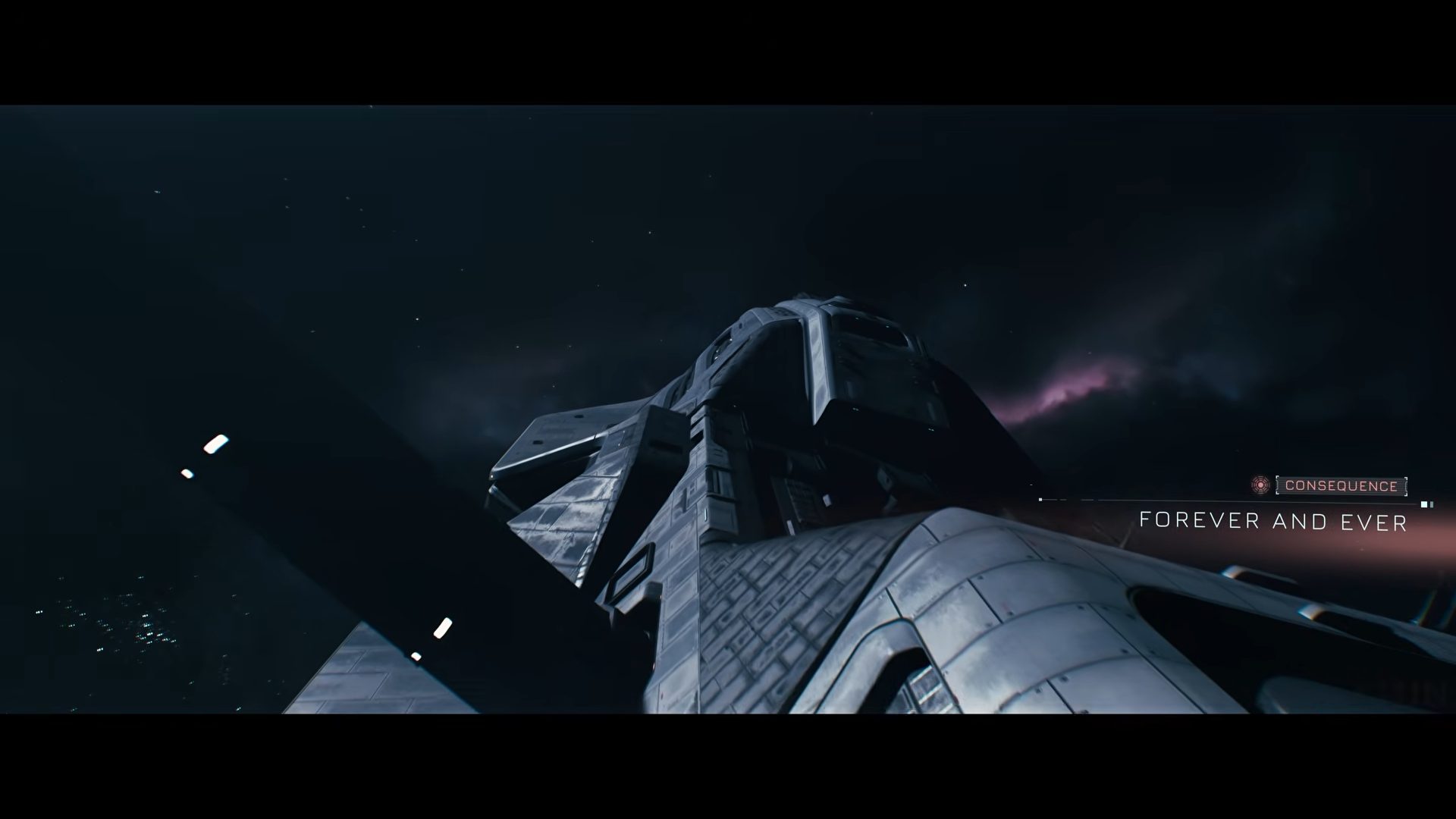
Forever and Ever presents mission footage, personal logs and interviews with the crew that emphasise unity, idealism and a belief that the mission to Tau Ceti f will give humanity a new world.
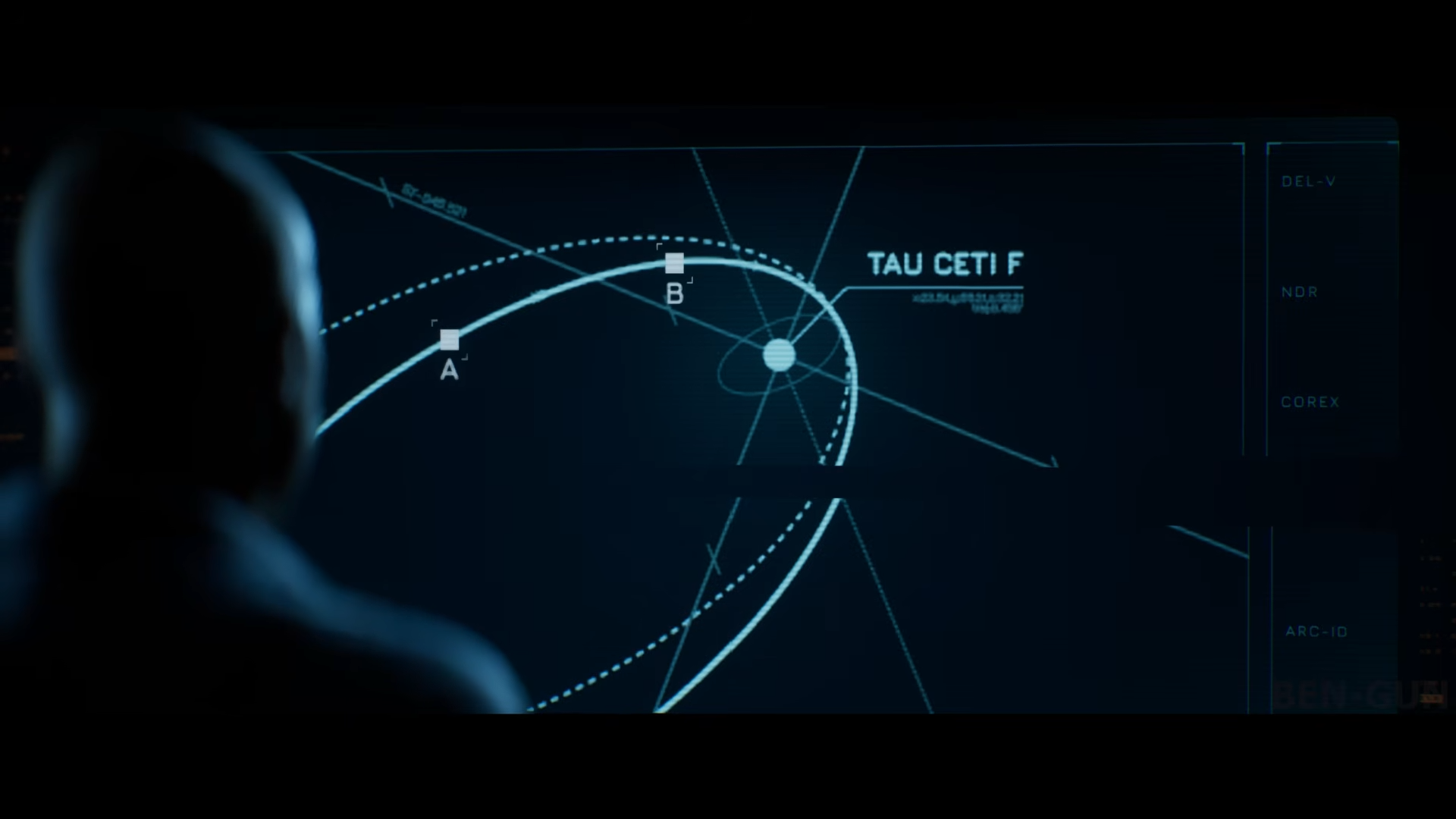
You hear Young and others talk about loving spaceflight, wanting to start families and bringing hope to people facing disaster on Earth, all delivered over calm visuals of the Cassiopeia and life before the crash.
This epilogue plays most naturally after more hopeful endings such as everyone lives Homeward Bound or safer Docked outcomes.
Beacon epilogue: the warning instead of a dream
Beacon is an alternate version of the same structure that emphasises warning and sacrifice instead of simple optimism.
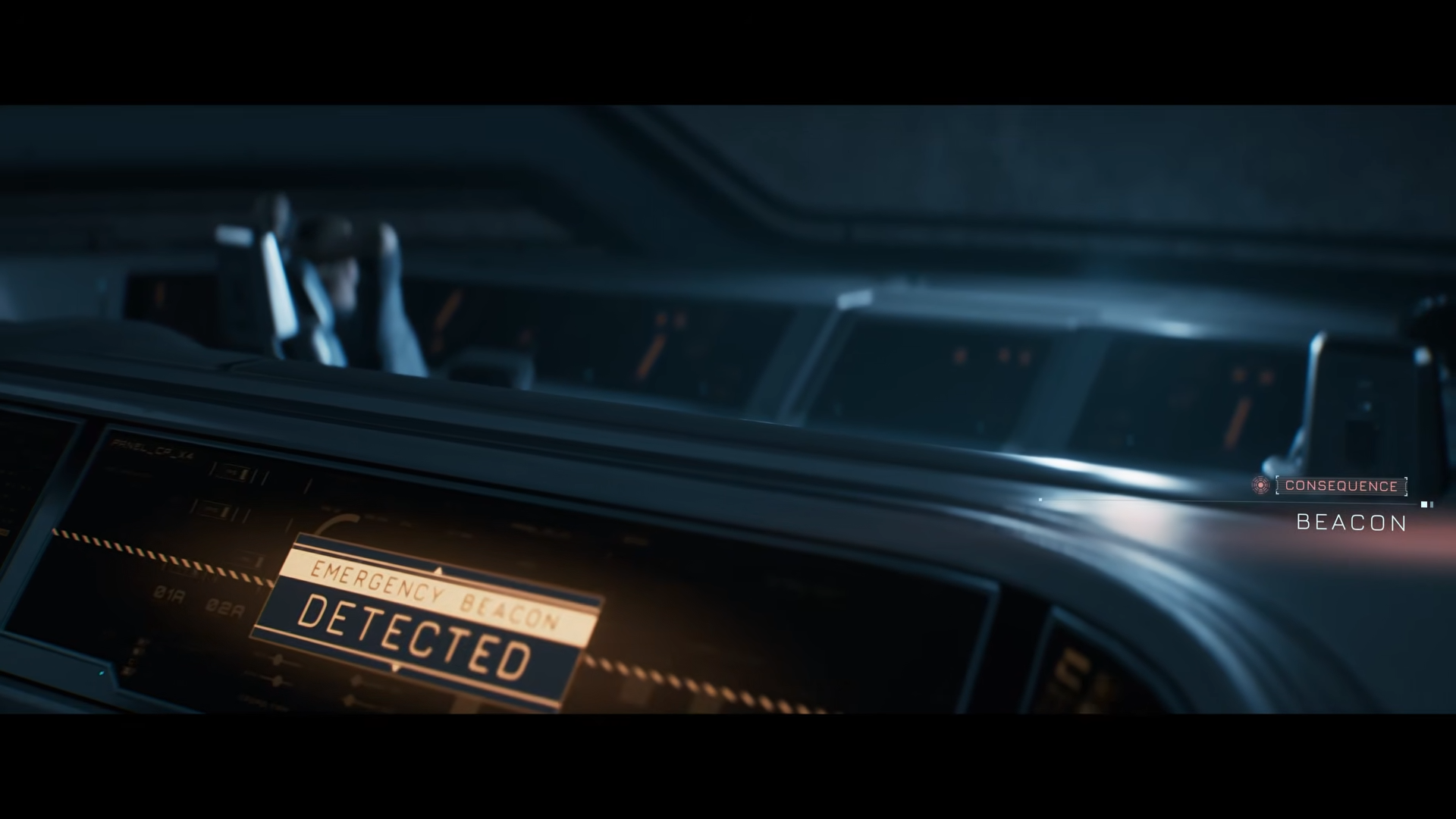
The voice over lines shift to stress the idea that the distress signal from a previous cycle was a warning rather than a request for rescue, and that the crew put humanity first even as they faced their own deaths.
In one version of the Eisele narration, eight souls escape the surface in an abandoned Cassiopeia from a previous cycle and set course for Earth, while in the darker variant only two survive long enough to hide in the booster ring rather than risk spreading the life form.
Beacon tends to align with endings where the cost of survival is obvious or where the alien has been contained at huge personal expense.
Eisele the Humanitarian post credit scene
After the epilogue, you can see one of two extended post credit monologues from Eisele, the figure behind the Directive 8020 program.

In the Humanitarian version, Eisele speaks about how the project began as a way to secure the future of humanity, but insists that survival must not come at the cost of compassion, kindness and the basic meaning of the word humanity.
Eisele rejects the idea of hiding endlessly behind disposable clone crews and calls for facing death together, implying that the project has reached a moral limit and that human values have to be defended even in the face of extinction.
This version fits best with outcomes where you choose to protect Earth even if that means destroying yourself and your immediate allies.
Eisele the Scientist post credit scene
In the Scientist version, many of the same facts are repeated, but Eisele leans into a very different conclusion.
Here Eisele describes the clone project as the only real hope for survival and argues that, given enough cycles, one run will succeed and build a future for generations to come.

The monologue frames the life form as something to be studied and possibly weaponised or repurposed, and treats the repeated deaths of clone crews as an acceptable price, making this a coldly utilitarian take on Directive 8020.
Which version you see depends on how your choices resolve the tension between saving yourselves, saving Earth and embracing or rejecting the ethics behind the clone cycles.
How to aim for specific endings in practice
Because the game lets you rewind Turning Points, you can often build a single strong base run and then branch to test different finales without replaying from the start.
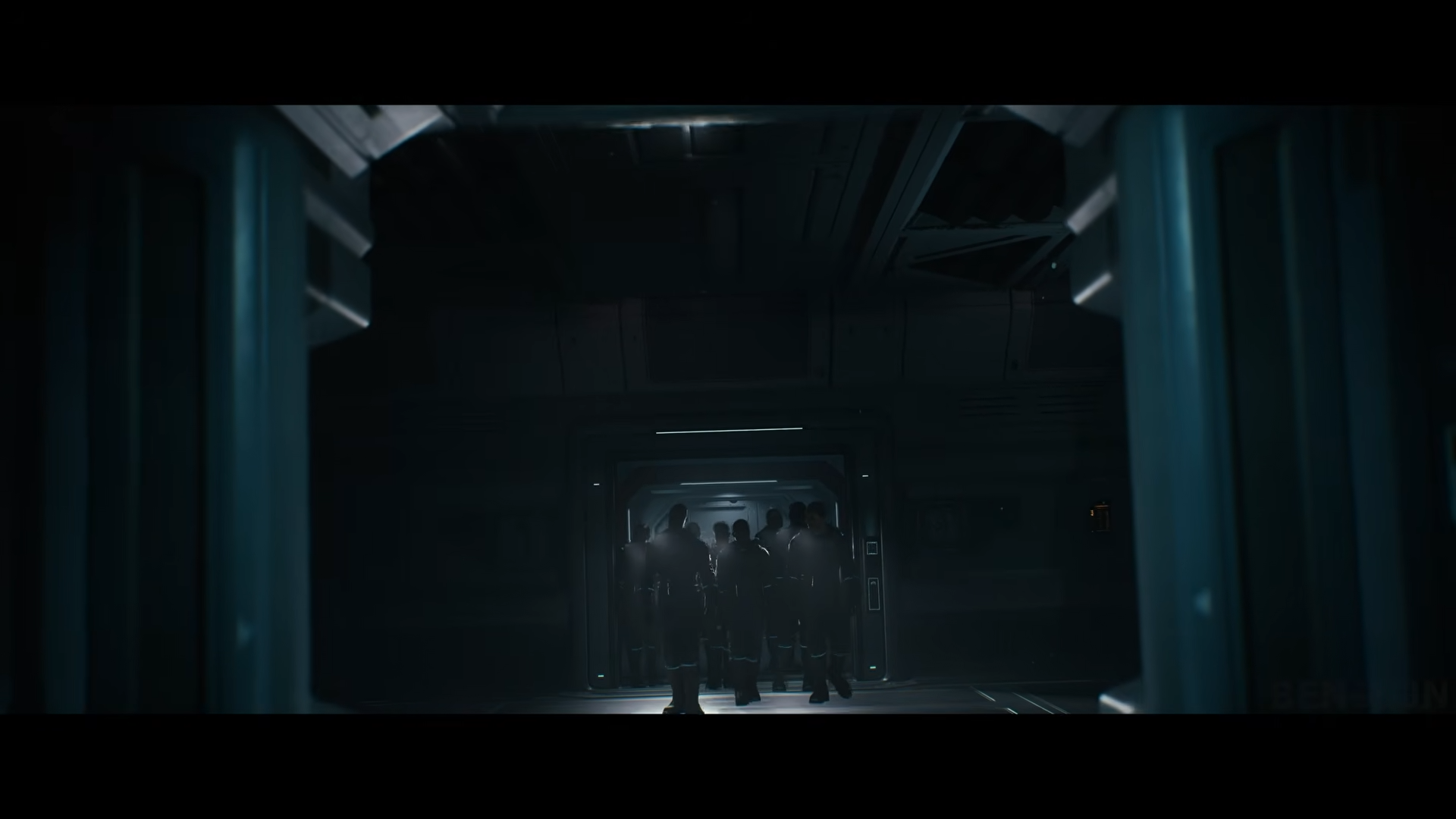
Below is a condensed route planning guide focused on the final episode.
Step 1: Build a strong base file
-
Keep as many people alive as possible through careful play and by avoiding obviously reckless choices.
-
Collect evidence and premonitions so that late game checks about the mimic have more options.
Step 2: From the last safe Turning Point, branch toward survival
-
For Homeward Bound everyone lives, pick paths where Young and others choose teamwork and long term safety for Earth.
-
Play quick time events carefully in the final fight and launch to avoid late deaths.
Step 3: From the same Turning Point, branch toward dark twists
-
For Hitchhiker or Not Alone, allow a suspicious survivor through security while still winning the mechanical escape.
-
For Massacre, deliberately fail some high risk saves but still finish the core objective.
Step 4: Explore failure states
-
For Game Over, test what happens if key people die before Come True so that the story cannot reach any proper finale.
-
For the Horror, push through to the final choice and then fail it, ensuring no one survives and the alien continues.
Step 5: Clean up epilogues and post credits
-
After a more hopeful ending, check which epilogue plays and note whether Eisele delivers the Humanitarian or Scientist speech.
-
Use Turning Points to adjust whether you send warnings, embrace sacrifice or double down on experimentation and see how the final commentary changes.
In this way you can gradually fill in every branch seen in the endings compilation without losing your original best route.
Rewards and what each ending gives you
While the exact trophy names differ by platform, the endings also function as rewards in terms of emotional payoff and lore context.
Working through all of them not only completes your ending checklist but also reveals how much of the story sits outside any one playthrough.
Why Directive 8020 endings make every choice feel heavy
Directive 8020 structures its endings so that small decisions many hours earlier can have dramatic consequences in the final twenty minutes, especially once destinies and mimic conditions lock in.
Seeing the entire spread from everyone lives Homeward Bound through Hitchhiker, Docked Not Alone and the Horror ending underlines how thin the line is between saving humanity, damning it or simply delaying the inevitable.
By tying those outcomes to both big ethical choices and the minute demands of stealth, heartbeat and chase sequences, the game turns almost every scene into a potential pivot point toward a different ending path.





Leave a Reply