
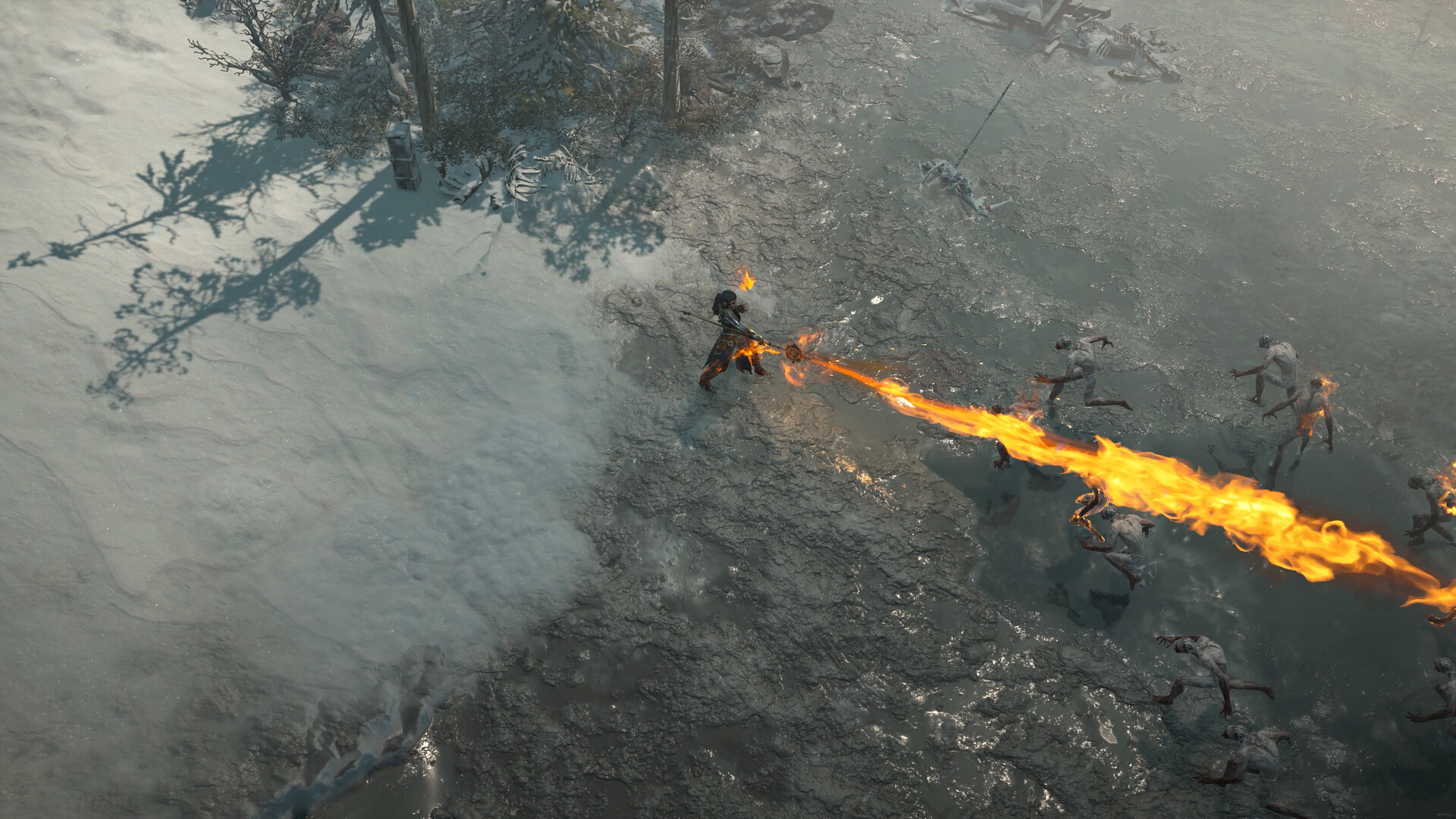
What to know
-
Barbarian benefits hugely from multi-weapon scaling and DoT upgrades like bleed and burn, promising late-game dominance.
-
Necromancer receives massive buffs in mobility and minion customization, transforming from clunky to fast and versatile.
-
Warlock, the new class, arrives intentionally overpowered with complex interactions for high-end potential.
-
Paladin remains a stable, straightforward powerhouse with minimal changes needed
Diablo 4’s Lord of Hatred expansion shakes up class balance at launch, with no fixed tier lists yet but strong potential across all options. Expansion changes emphasize DoT multipliers, refined item progression, and skill tree flexibility for damage or utility paths, setting the stage for diverse builds in Season 13.
Barbarian
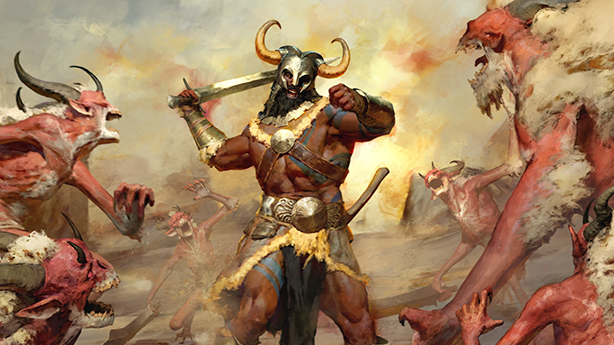
Barbarian stands out with access to six weapons, perfectly suited for new multi-damage affixes on dual-wield and two-handers. Skill tree snippets reveal strong bleed and burn DoTs, alongside upgrades to basics like kick and ground stomp, core skills, and even Whirlwind or War Cry for standalone power. High mobility from Leap, Charge, and Lunge keeps pace, though melee range demands pulls like Goldskin or Cry runes. Expect a season-zero-like curve: solid early, explosive late as gear stacks.
Druid
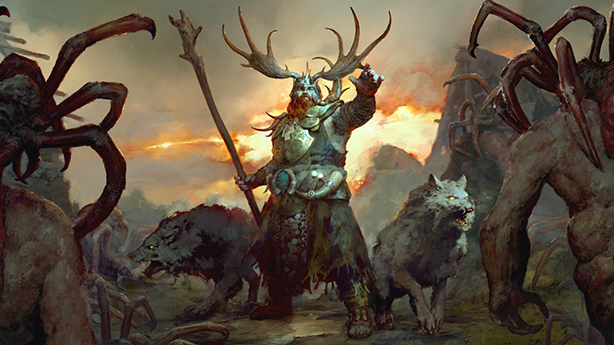
Druid gains revolutionary form choices—human, wolf, or bear—for nearly every skill, baked directly into the tree with inherent bonuses per form. Spellcasting like Tornado and Lightning Storm receives viability boosts, promising OP combos beyond Pulverize dominance. Trample evolves into a leaping mobility tool (11s cooldown, mitigable via uniques for triples), while bears offer tankiness; wolves and humans may need defensive tweaks. This wild card invites experimentation, ensuring something breaks through.
Necromancer
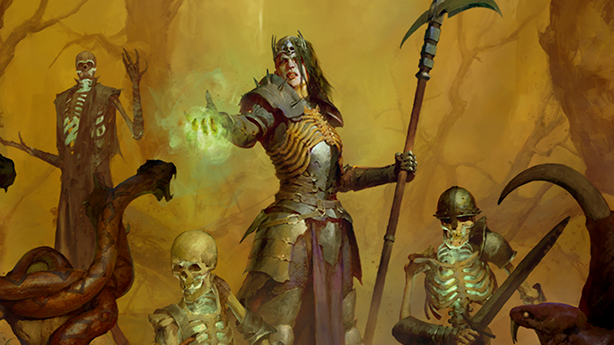
Necromancer leaps from bottom-tier to contender with vastly expanded mobility—Sever integrates Inexorable Reaper for resource-based teleports, plus likely Blood Rush. Minions customize via tree and Book of the Dead for active/passive roles, debuffs, or resources, distinguishing it from Warlock’s temporary summons. Curses like Iron Maiden enhance options, but lost barrier passives (e.g., Necrotic Fortitude) shift reliance to minions or bone skills. Speed and summoner identity make it a zero-to-hero story.
Paladin
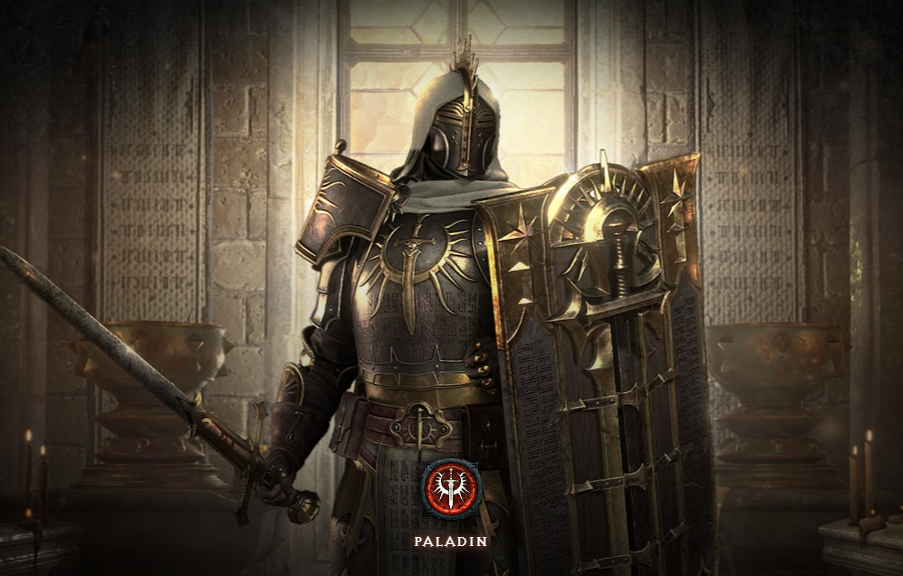
Paladin changes least, retaining 15+ viable builds for easy, fun playstyles across solo and group. As an expansion class (early access tuned down from Season 11 peaks), it carries a subtle edge with stable uniques and minor tree tweaks. No major reworks needed—plug in and progress through Torment confidently.
Rogue
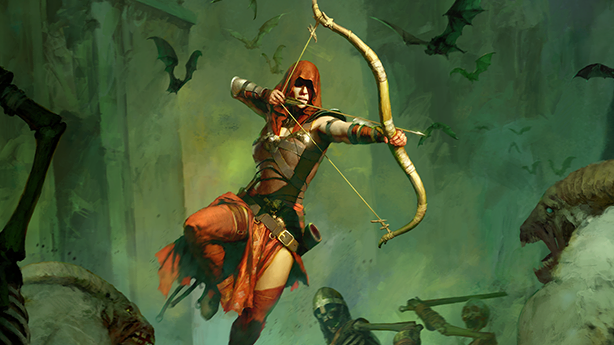
Rogue thrives on weapon affixes and gems, with combo points and Inner Sight returning due to tougher resources. Imbuements shift to duration-based for constant uptime, even on basics or non-imbuables like Death Trap; poison shines alongside reworked Call of the Nameless. Ranged cores (Rapid Fire, Barrage as D3 Multishot) and classics like Twisting Blades loom large, with Invigorating Strike and Shadow Step for flight. Shadow clones (shade skills) risk targeting issues; defenses require investment sans passives like Second Wind.
Sorcerer
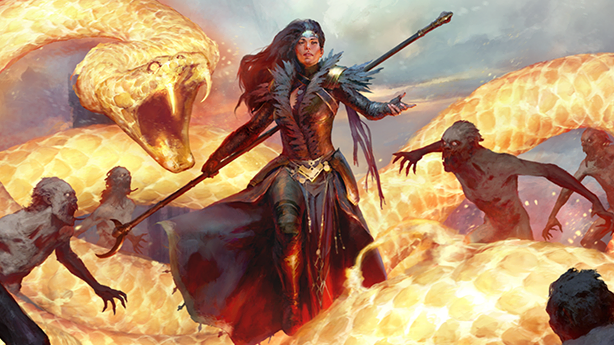
Sorcerer breaks its single-build curse—core/mastery skills now compete, enchantments gain utility weight (e.g., Frozen Orb support, Meteor procs, Ball Lightning black holes). Teleport endures as elite mobility, scaling insanely late. Heavy survivability hit from axed passives (Mana Shield, Protection, Align Elements) demands LoH, Tearity, or fire healing; bar space for defenses is tight early.
Spiritborn
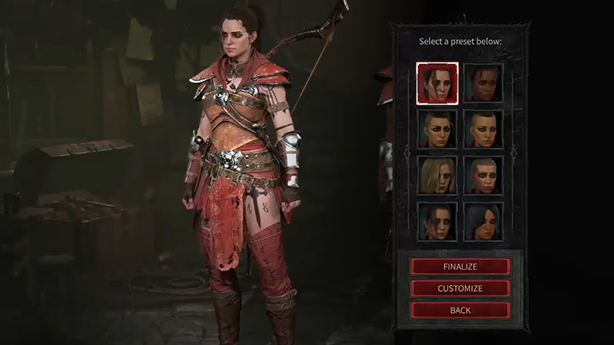
Spiritborn loses no key defenses, addressing its top weakness—Vortex/Scourge add reductions, passives stay intact. Centipede (green) skills and DoTs like Devourer/Noxious Resonances finally develop, fueling unstoppable uptime and 100% block. Izzy Evade evolves (e.g., Rushing Claw), maintaining top-tier speed and builds without overhaul.
Warlock
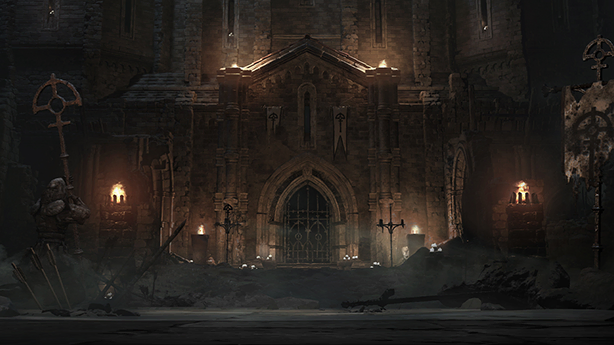
Warlock debuts OP by design, with full tree knowledge enabling pre-launch guides across archetypes. Soul Shards and skills offer cool visuals and depth, but complexity (tags, interactions) suits theorycrafters. Mobility via Nether Step (CD) and Rampage (late spam) competes; no tree defenses force item investment (LoH, Tearity, life-consume). Skill bar pressure is real, but intentional tuning ensures Torment viability.
Launch predictions
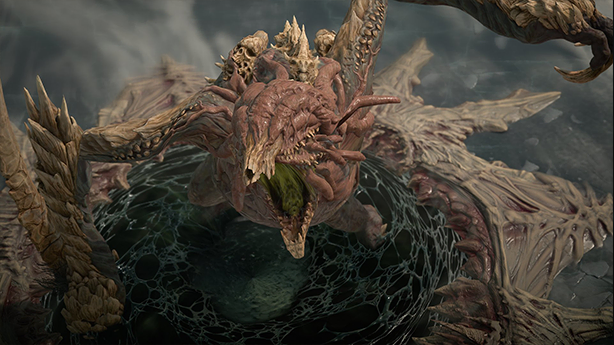
All classes promise Torment 12 clears with viable paths—Warlock draws crowds, Barb/Necro scale hardest, Paladin/Spiritborn deliver stability. DoTs and customization favor experimentation; check updates as trees, paragons, and hidden changes emerge. Pick by playstyle: melee bruisers (Barb), summoners (Necro), ranged flyers (Rogue/Spiritborn), or fresh complexity (Warlock).


Leave a Reply