

What to know
- You must gather clues from seven NPCs before answering.
- Each question tests your interpretation of dialogue hints.
- Wrong answers can delay progression but can be retried.
- Correct deductions point toward inconsistencies in supply and behavior.
After collecting testimonies around Calphadean Territory, Hernand of Crimson Desert, regarding the ore distribution issues, you are presented with a deduction phase. This is where your observations are tested through a sequence of questions, and selecting the right answers ensures you correctly identify the culprit without unnecessary backtracking.
Here is a quick overview of the deduction sequence in Crimson Desert’s Deduction and Revelation quest:
| Step | What Happens | What You Should Focus On |
|---|---|---|
| Investigation | Speak to 7 NPCs | Note suspicious behavior and contradictions |
| Deduction Phase | Answer 6 questions | Interpret clues logically |
| Revelation | Culprit is identified | Based on consistent suspicious patterns |
| Outcome | Quest progresses | Unlocks next story segment |
How the deduction works in Calphade’s Investigation
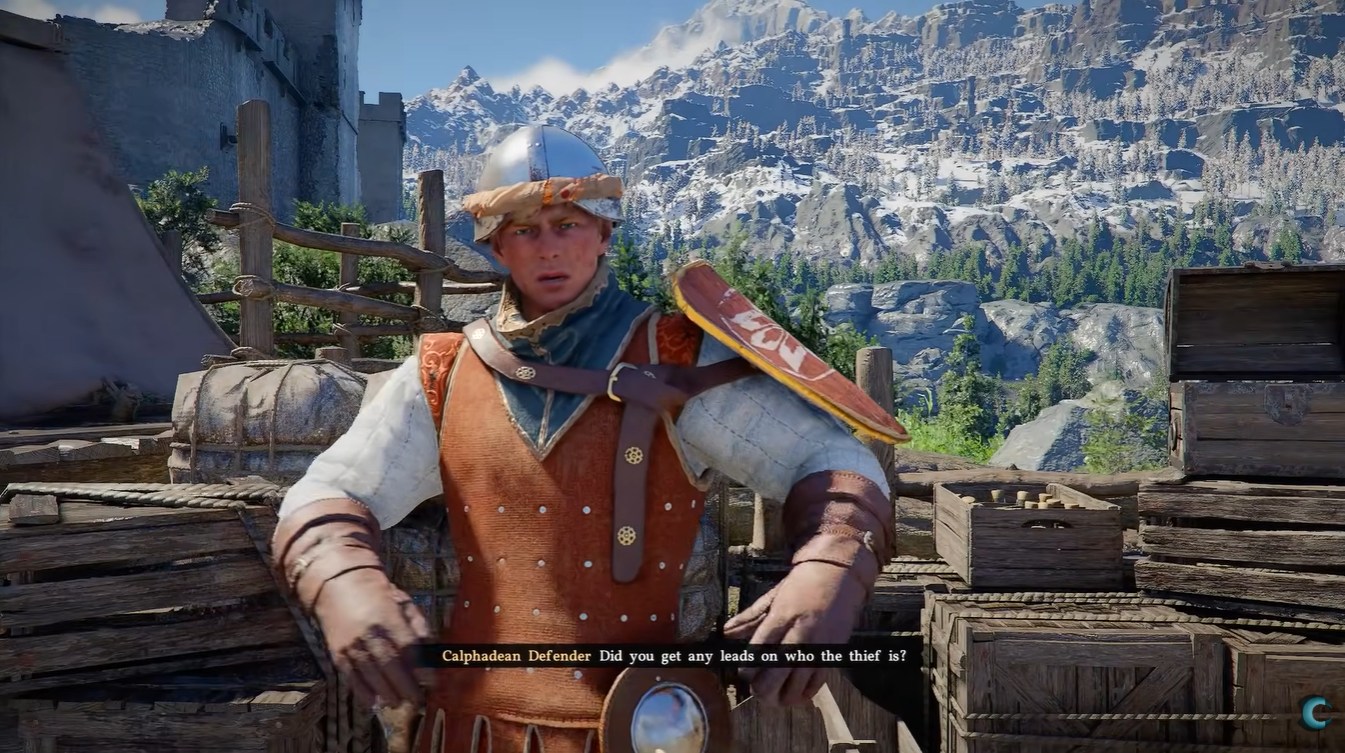
Once you’ve spoken to Calphadean Defender NPCs, the game transitions into a structured deduction sequence where you must answer six questions correctly. Each question reflects specific dialogue hints you encountered earlier. Your goal is to connect behavioral clues, inconsistencies, and motives rather than guess randomly.
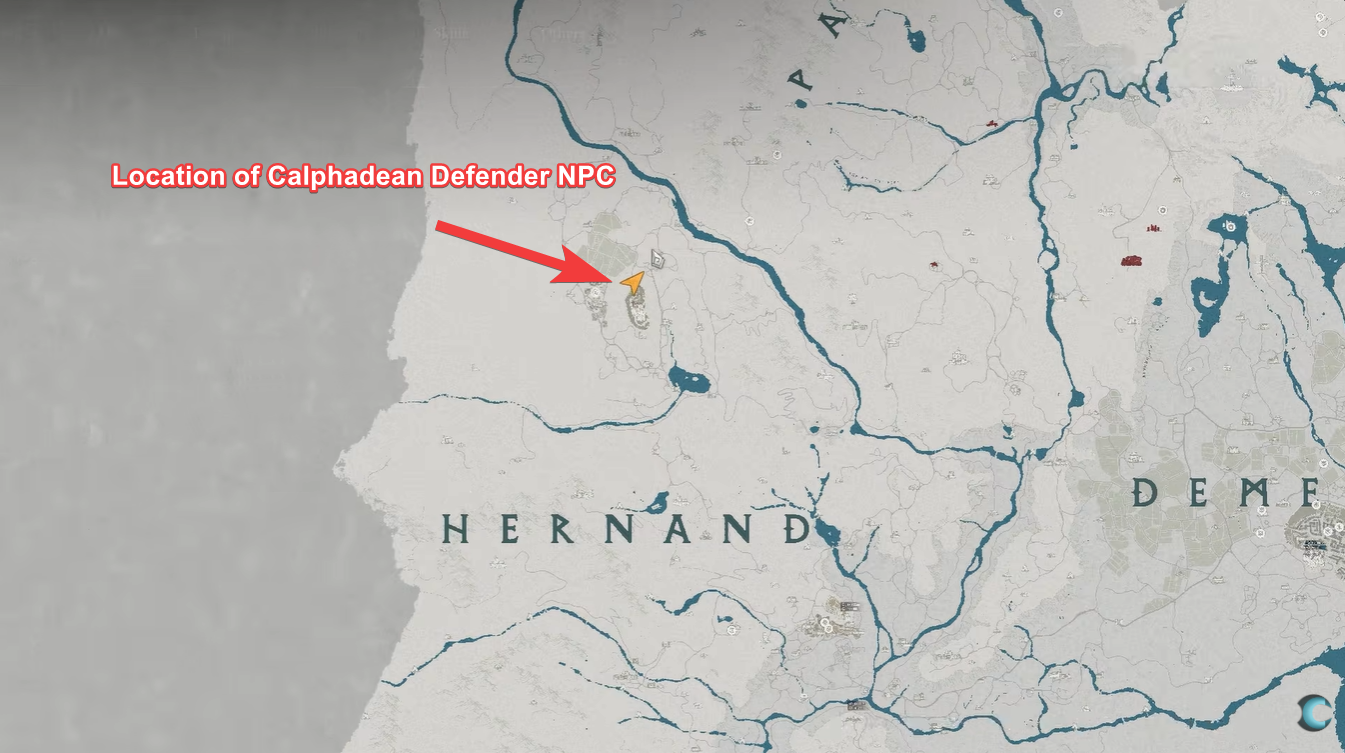
You’ll notice that most correct answers highlight suspicion, dissatisfaction, or inconsistencies in supply quality and character attitudes. This means the game is testing your ability to identify patterns rather than isolated facts.
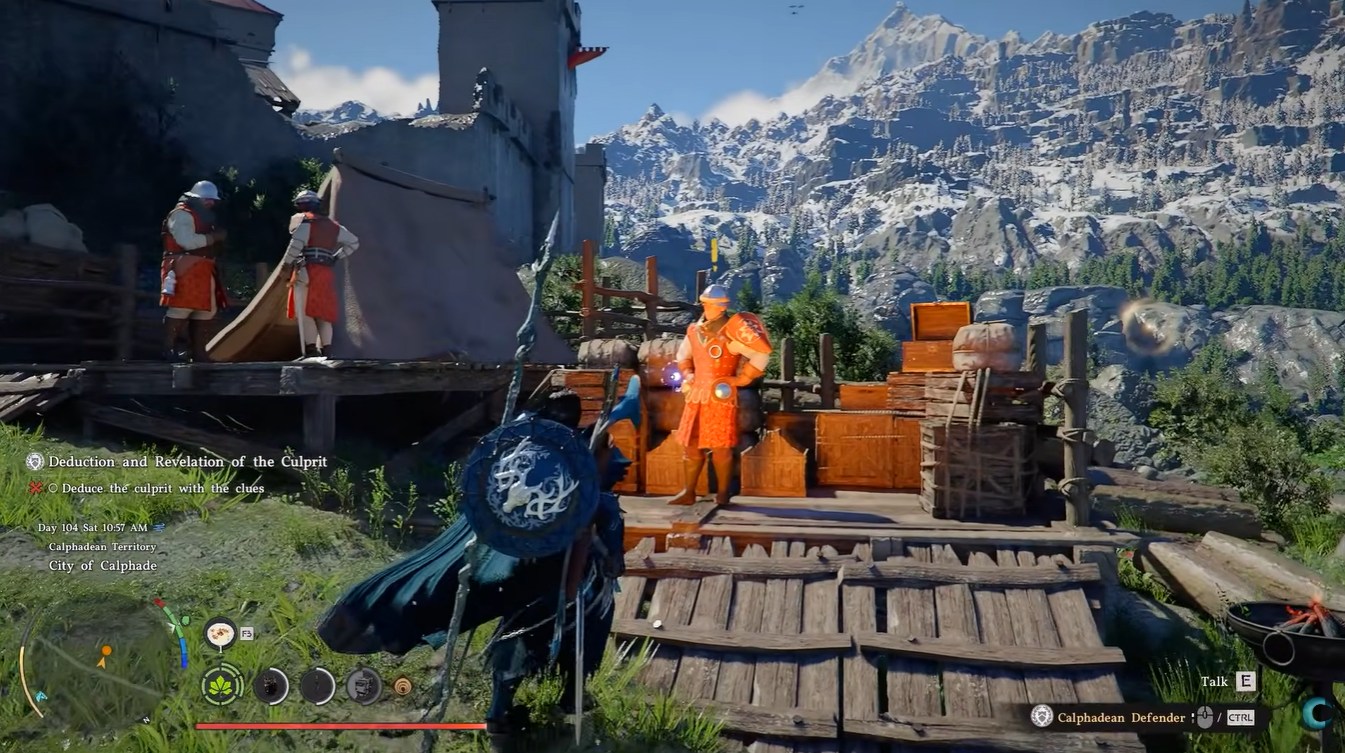
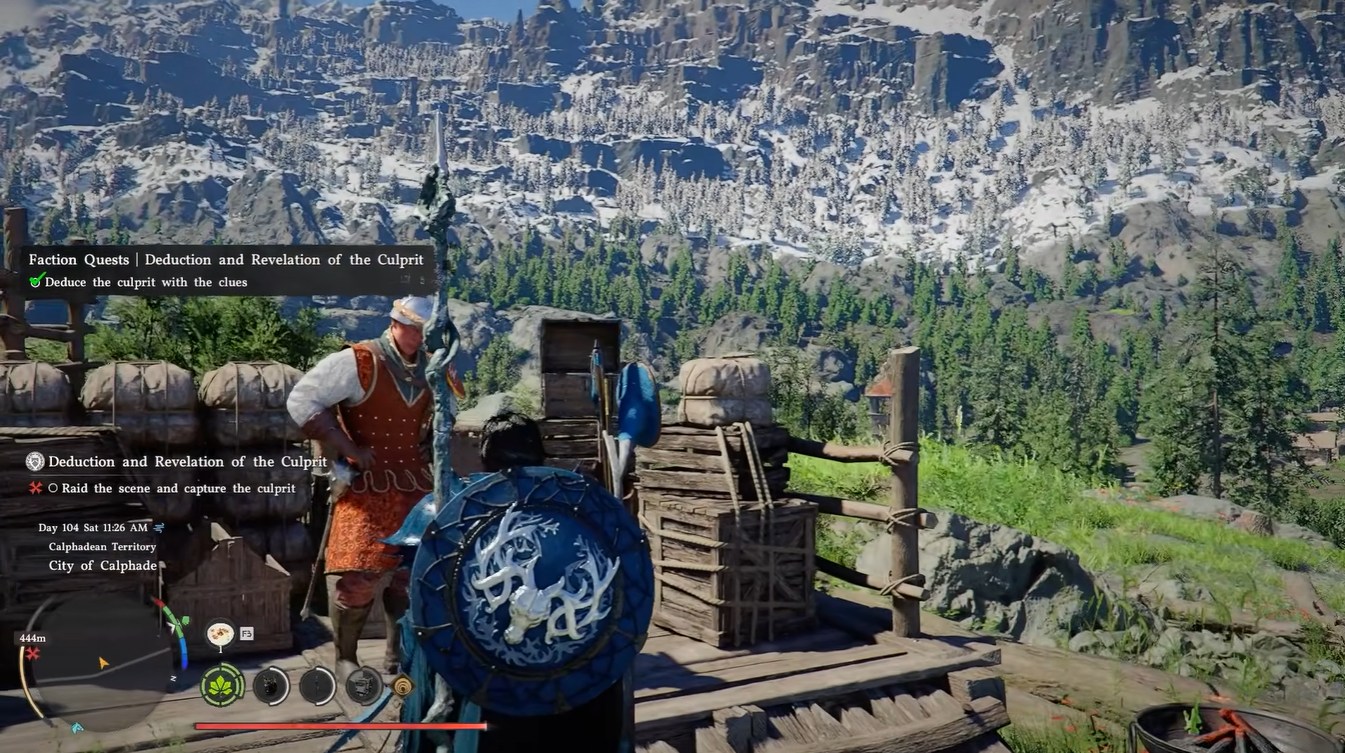
Deduce the Culprit with Clues all answers
Answer 1
Select the first option: “The quartermaster and the merchant are suspicious.”
This answer works because both roles are directly tied to ore distribution, making them logical suspects when irregularities arise.
Answer 2
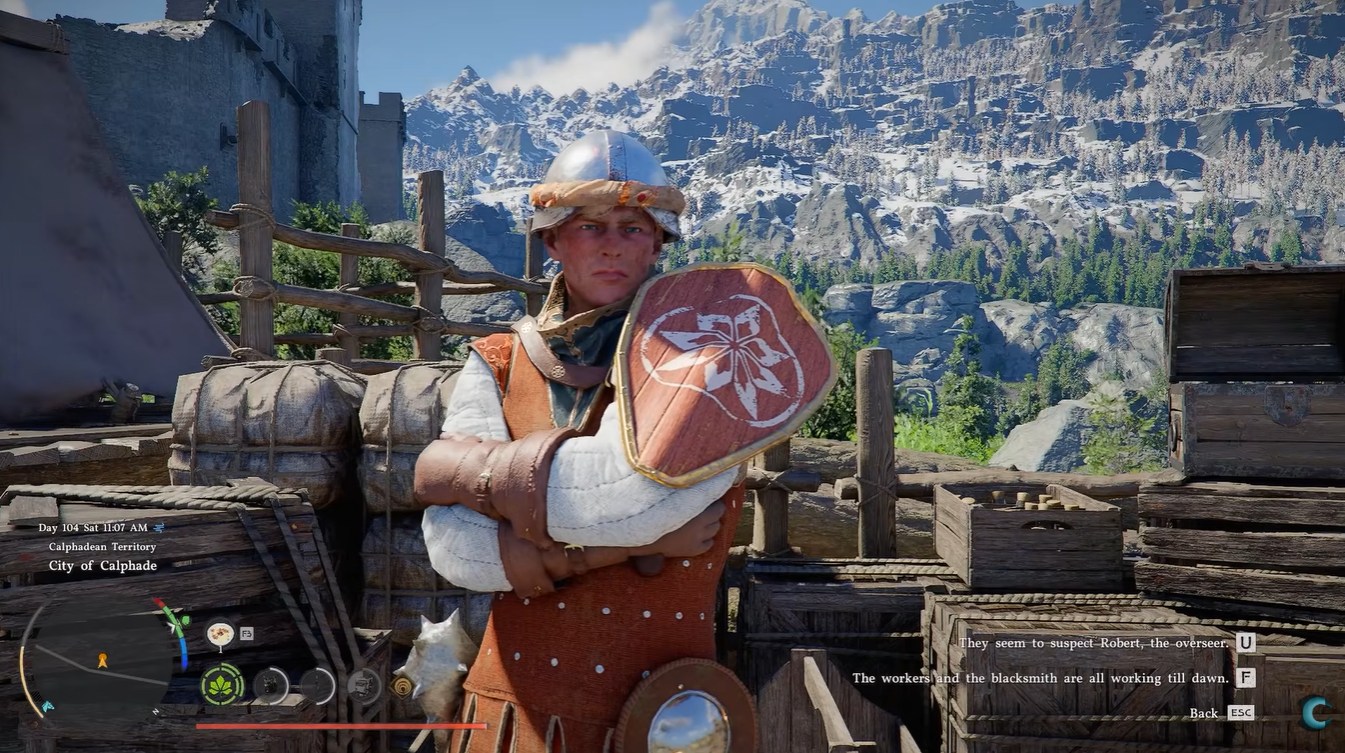
Select the second option: “The workers and the blacksmith are working till dawn.”
Here, the extended working hours suggest effort rather than wrongdoing, helping eliminate them as primary suspects.
Answer 3
Select the second option: “Didn’t look too happy with Casper.”
This reflects interpersonal tension, which is often a subtle clue pointing toward underlying conflict.
Answer 4
Select the first option: “The lad seemed much troubled with all the iron coming from who knows where.”
This statement highlights uncertainty about the ore’s origin, a key clue suggesting something suspicious in the supply chain.
Answer 5
Select the first option: “The supplies they received were in poor condition.”
This is one of the strongest indicators, as poor-quality supplies directly confirm that something is wrong with distribution.
Answer 6
Select the second option: “He seems to take pride in the things he crafts.”
This helps rule out the blacksmith, reinforcing that the issue lies elsewhere rather than in production.
Rewards for completing the deduction correctly
| Reward Type | Details |
|---|---|
| Quest Progression | Unlocks the next phase of the storyline |
| Narrative Insight | Reveals the true culprit behind ore issues |
| Experience / Currency | Standard quest completion rewards (varies by progression) |
Each correct answer builds toward a consistent narrative: the issue is not with production but with distribution and handling. By eliminating hardworking characters and focusing on suspicious roles tied to logistics, you narrow the culprit down logically rather than through trial and error.
You’ll notice that the game subtly guides you toward distrusting supply chain roles while reinforcing the innocence of those who show dedication and pride in their work. This layered approach makes the quest feel more like actual detective work rather than simple guessing.
Mastering this quest comes down to careful listening, logical thinking, and memorization. If you pay attention to tone, behavior, and inconsistencies, you can solve the deduction smoothly on your first attempt. This quest stands out because it encourages you to engage with the world and characters more deeply, making the final revelation feel earned rather than scripted.



Leave a Reply