

What to know
- Custom clothes are supported through design tools
- You modify outfits using patterns, colors, and decorations
- Creative tools are accessed through special in-game locations
- The system focuses on accessibility over full 3D customization
Short answer: Yes — you can create custom clothes in Tomodachi Life: Living the Dream, but it works through design tools rather than traditional “from-scratch tailoring.”
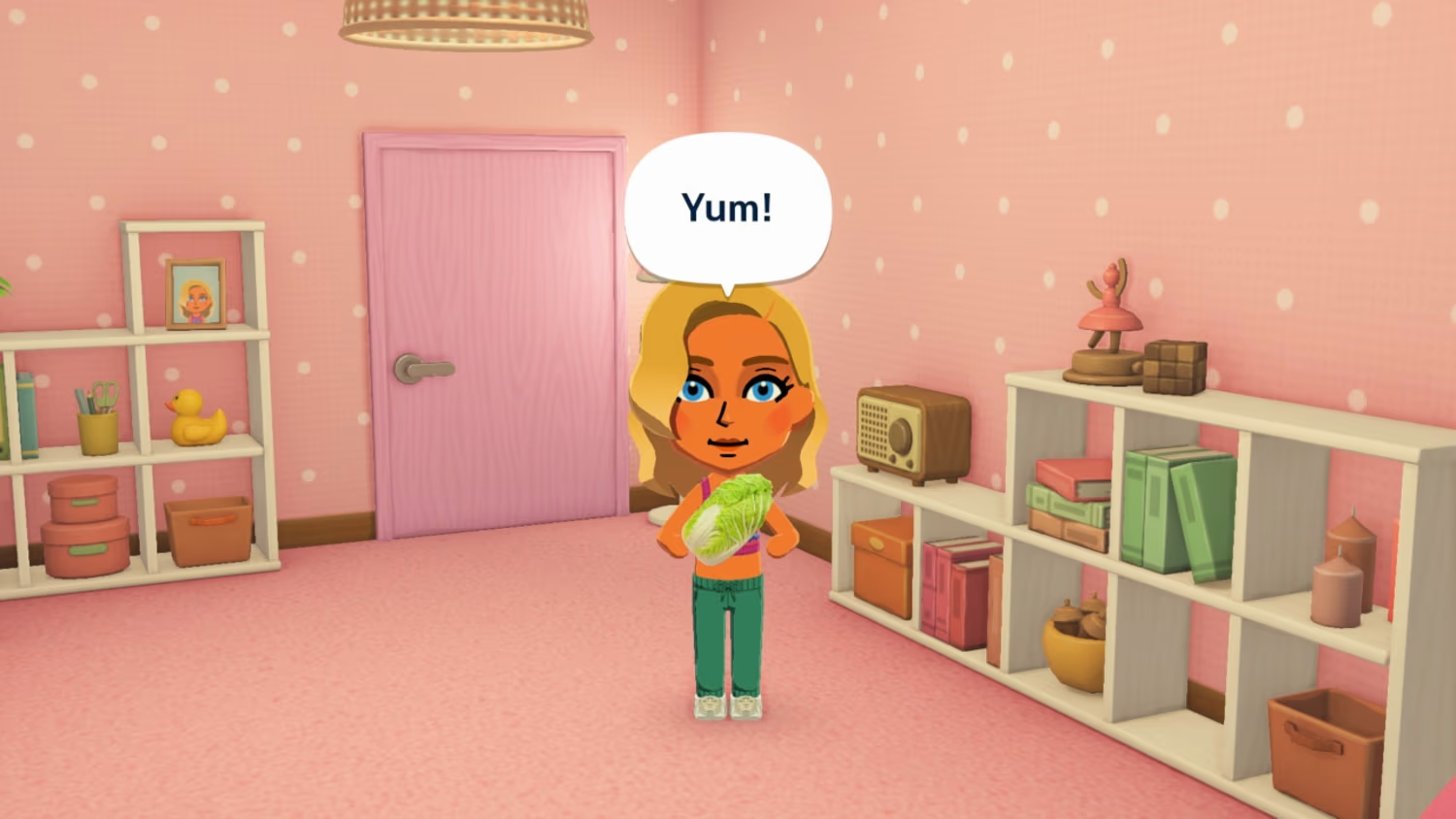
If you’ve played the original Tomodachi Life, you’ll immediately notice how much more control you now have over your Miis’ appearance. Clothing is no longer just something you buy and assign. Instead, you actively shape how outfits look, giving your island a more personal identity.
Custom Clothing in Tomodachi Living the Dream explained
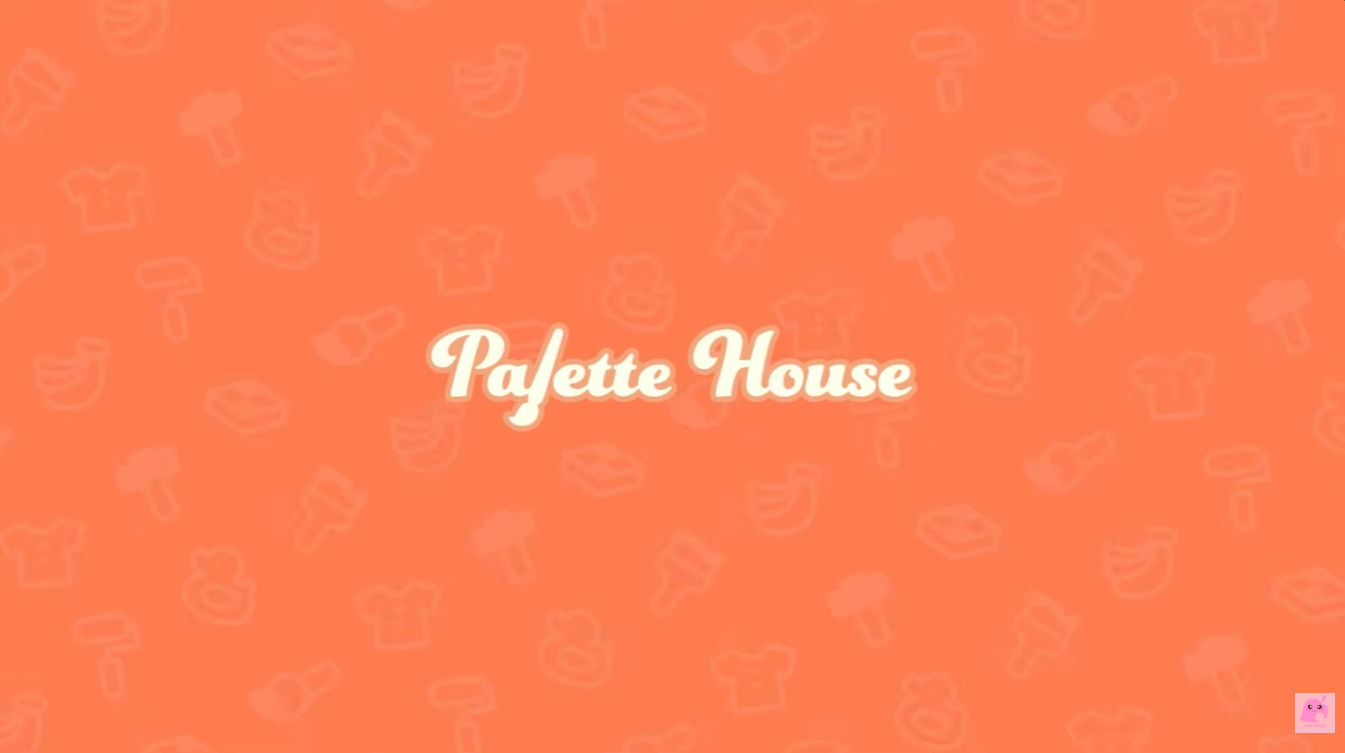
The customization system in Tomodachi Life: Living the Dream revolves around editing and enhancing existing outfits. When you access the creative tools from Palette House, you are given a canvas-like interface that lets you draw and apply designs directly onto clothing items.
This means you can transform a simple shirt into something completely unique just by changing its visual identity.
| Feature | Details |
|---|---|
| Custom clothing support | Yes |
| Customization method | Pattern and design editing |
| Main areas | Palette House / Studio Workshop |
| Full outfit creation | Limited to templates |
| Creative flexibility | High for visual design |
| Ease of use | Beginner-friendly |
As you experiment with the tools, you’ll notice that the system feels similar to a pixel-art editor, where you can carefully design patterns, symbols, or even recreate real-world fashion ideas. Once your design is ready, it can be applied to compatible clothing pieces and instantly worn by your Miis, making the results feel immediate and satisfying.
How to design custom clothes in Tomodachi Living The Dream
Step 1
Begin by unlocking or entering the Palette House, which acts as the main creative hub for customization features across the island.
Step 2
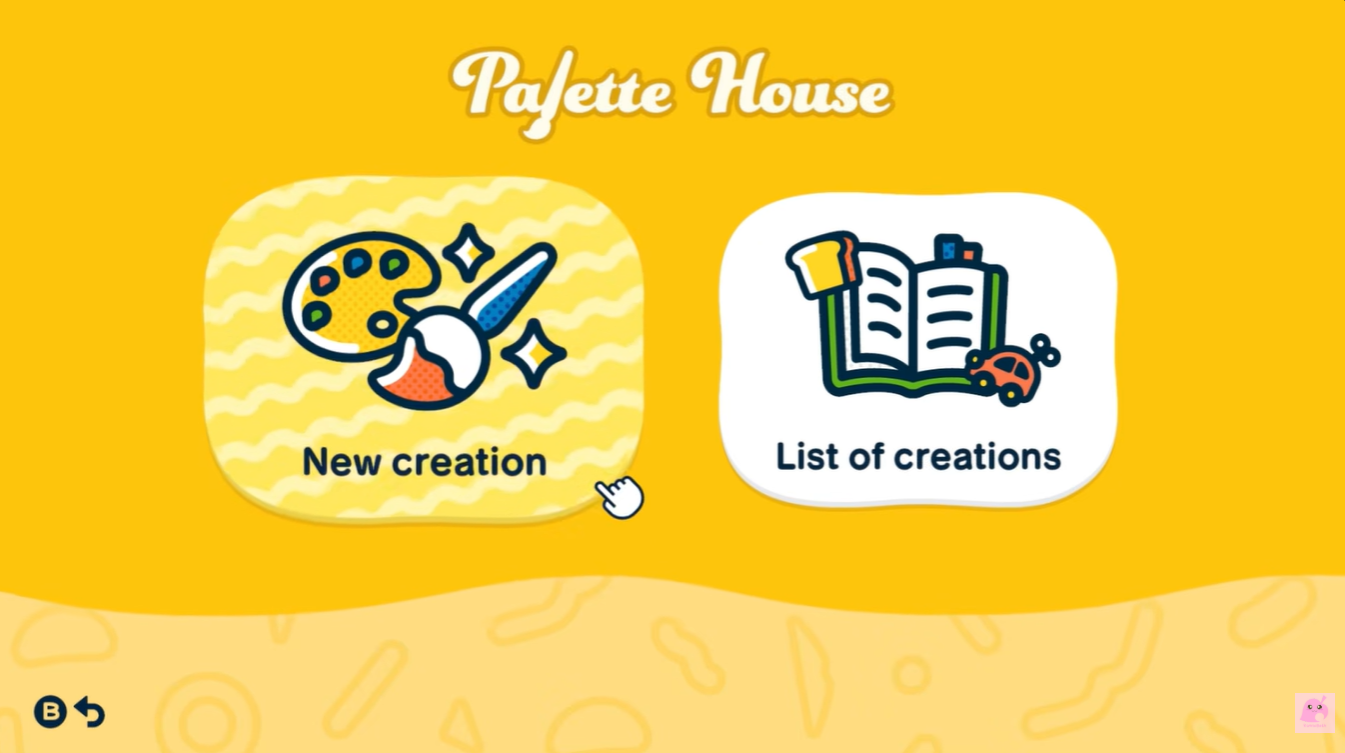
Inside this hub, move into the New Creation, where all design-related tools are available for use.
Step 3
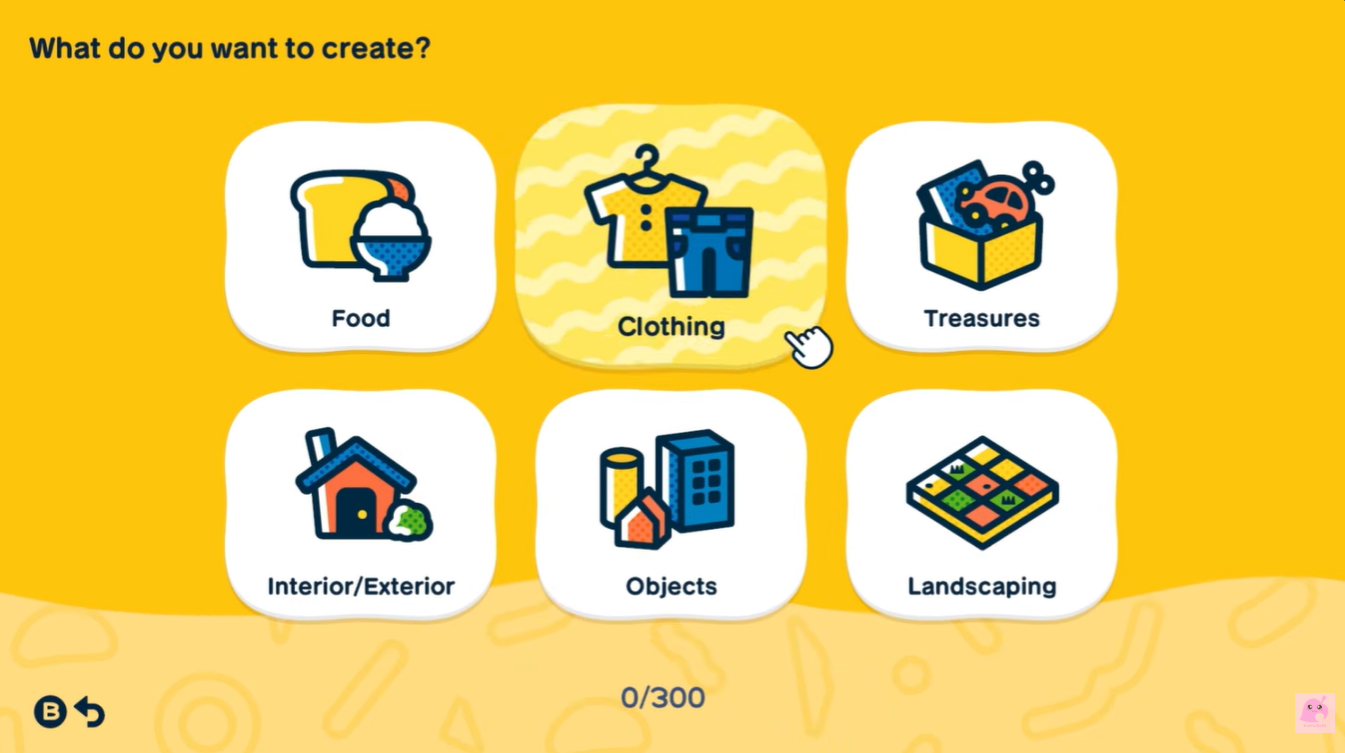
Select the clothing design option, which opens up the editing interface tied specifically to wearable items.
Step 4
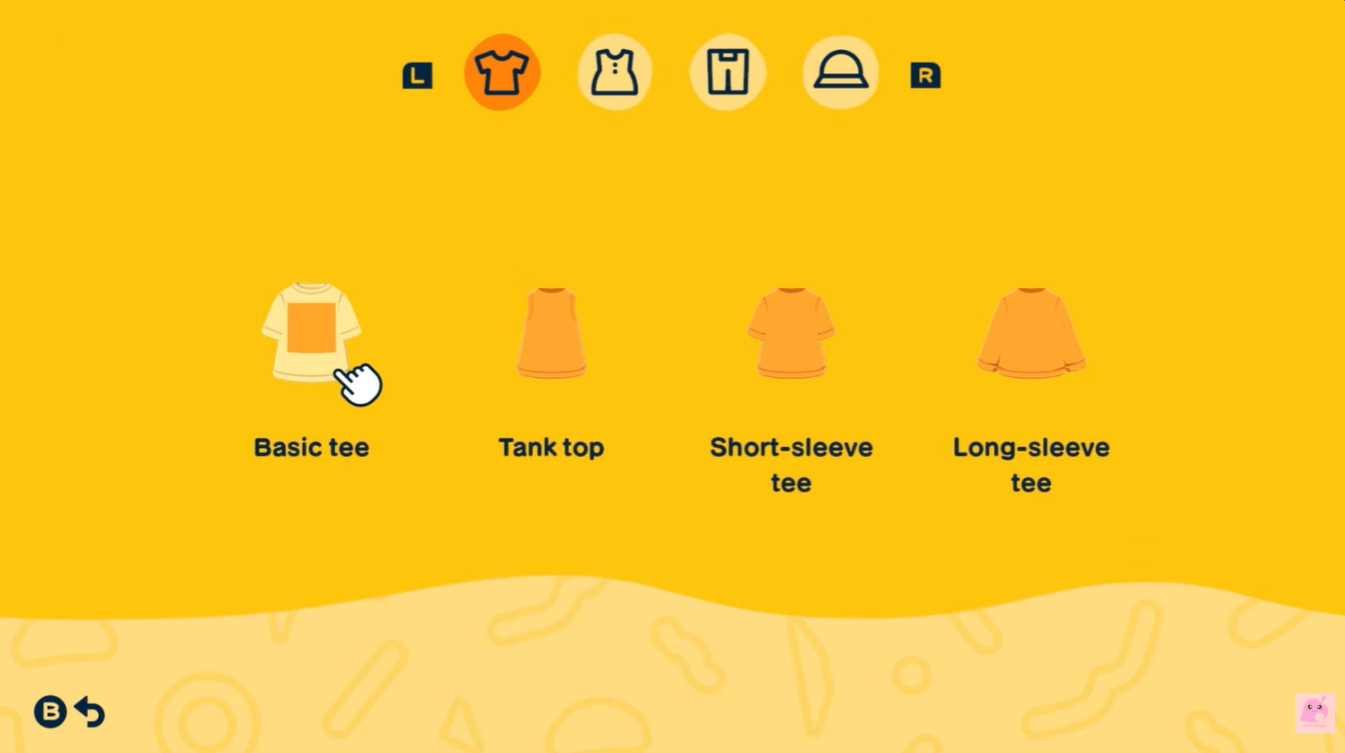
Select the type of clothing you want to create, carefully placing colors and shapes to build your desired look.
Step 5
Once satisfied, apply the design to an existing outfit template, effectively transforming its appearance.
Step 6
Give the customized clothing to your Mii, allowing you to see the design come to life during normal gameplay interactions.
Comparing with Tomodachi Life’s previous version
In the original Tomodachi Life, clothing was entirely preset, leaving no room for creative input beyond selection. In contrast, Living the Dream introduces a layer of personalization that changes how you interact with fashion in the game. You are no longer just choosing outfits—you are influencing them.
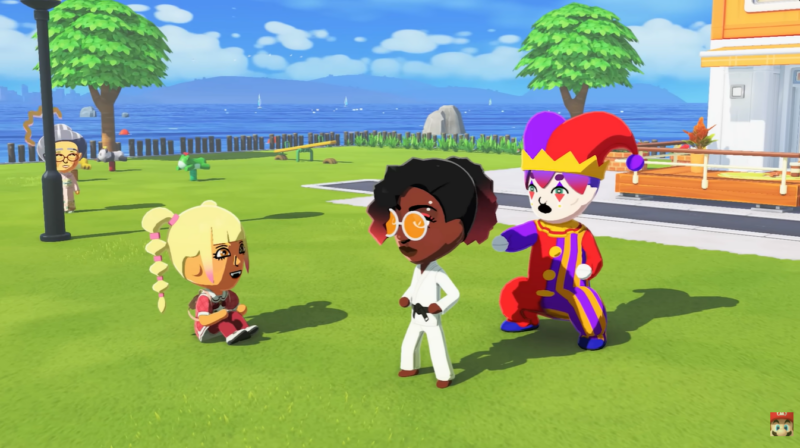
This shift makes the experience feel more creative and expressive. Even though the base outfit shapes remain fixed, the ability to customize their visual style adds a surprising amount of depth. Over time, your island begins to reflect your personal taste rather than relying on randomized shop inventories.
How far clothes customization actually goes
The customization system is designed to be flexible without becoming overly complex. You can design patterns, experiment with colors, and give your Miis a signature style that feels distinct. At the same time, the game avoids overwhelming you with advanced tools like fabric physics or structural editing, keeping the experience approachable.
This balance is intentional. Tomodachi Life: Living the Dream leans heavily into user-generated creativity, allowing you to shape not just clothing but also other aspects of your island. Clothing becomes one piece of a larger creative ecosystem where your ideas directly influence the world around you.
Understanding the limitations of clothing design
While the system is creative, it does have clear boundaries. You are working within predefined outfit templates, which means you cannot change the physical structure of clothing such as sleeve length or overall shape. The focus remains on visual customization rather than technical design.
However, this limitation rarely feels restrictive in practice, because the design tools provide enough flexibility to create a wide range of styles. Whether you want something simple or highly detailed, the system gives you the freedom to experiment without requiring advanced design skills.
We hope this guide offered all the clarity you were looking for and made your experience smoother. If you have any feedback, suggestions, or questions, drop them in the comments below. We actively read and respond, so feel free to reach out whenever you need extra help or guidance.

Leave a Reply