

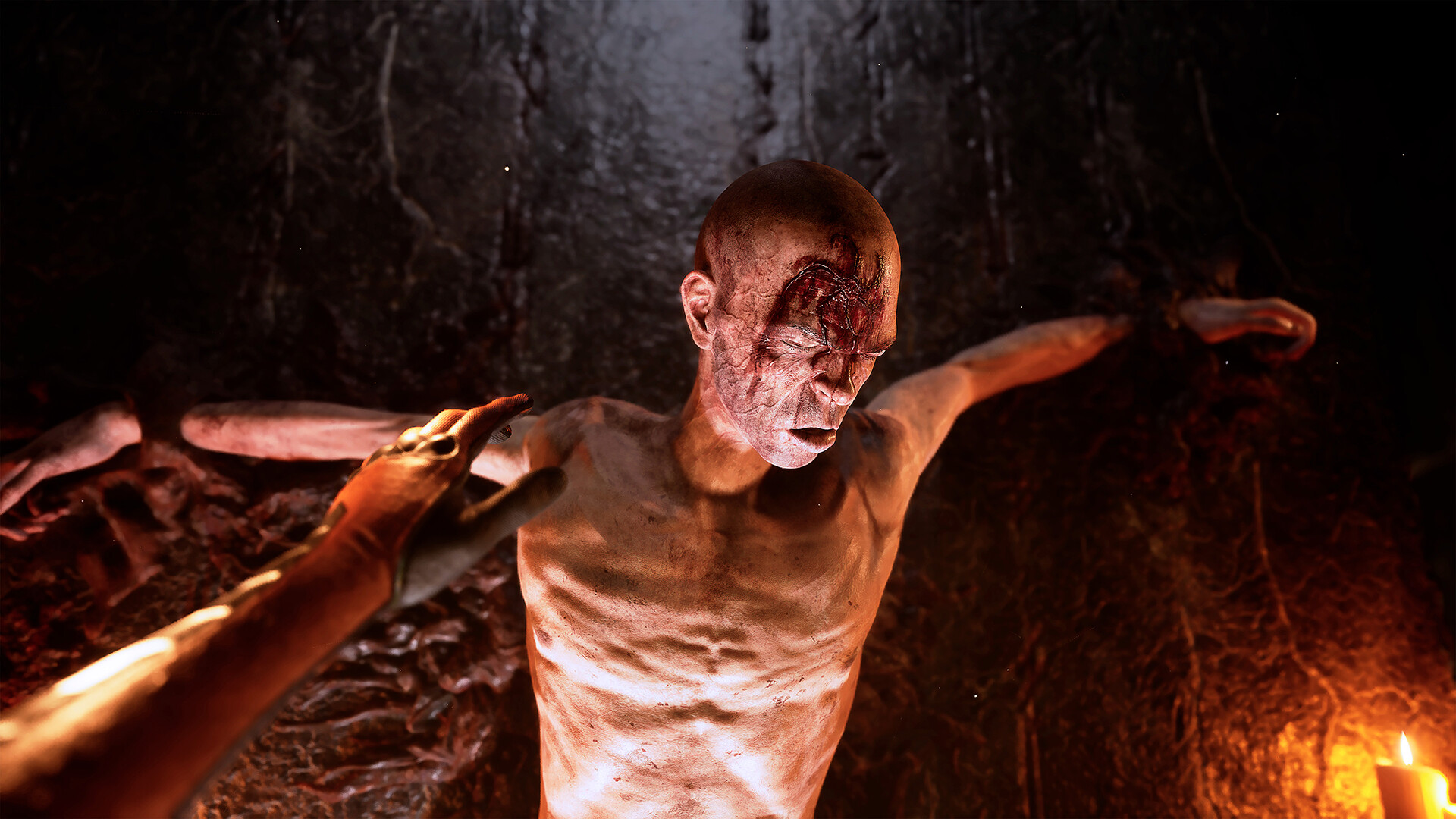
What to know
- Every entity in the game serves a narrative and psychological purpose
- Boss encounters often offer multiple paths beyond combat
- Locations are tightly tied to lore and progression
- Understanding what each character represents is key to interpreting the story
As you move deeper into Cthulhu The Cosmic Abyss, you quickly realize that each encounter is carefully designed to reflect the game’s themes of madness, control, and insignificance. Instead of traditional enemy design, the game presents entities that challenge your perception of morality, sanity, and survival. Below is a fully structured guide covering every major NPC, entity, and boss—focusing on where you find them, what they symbolize, and how their paths unfold.
Cthulhu: The Cosmic Abyss All Bosses and NPCs explained
| Name | Type | Location | Key Theme |
|---|---|---|---|
| Mindwashed Humans | Hostile NPC | Cave Entrance | Loss of identity |
| Dreamers | Passive Entity | Dimensional Spaces | Collective consciousness |
| Human Offering | NPC | Altar of Flesh | Sacrifice |
| Pregnant Lady | Passive Entity | Temple Depths | Vessel of horror |
| Deep One | Boss | Ritual Chamber | Moral divergence |
| Guardian | Boss | Star Chamber Gate | Control vs force |
| Andrew Marsh | NPC | Star Chamber | Human arrogance |
| Warden | Entity | Core Chamber | Failing system |
1 – Mindwashed Human (Hostile NPC)
Where it is found:
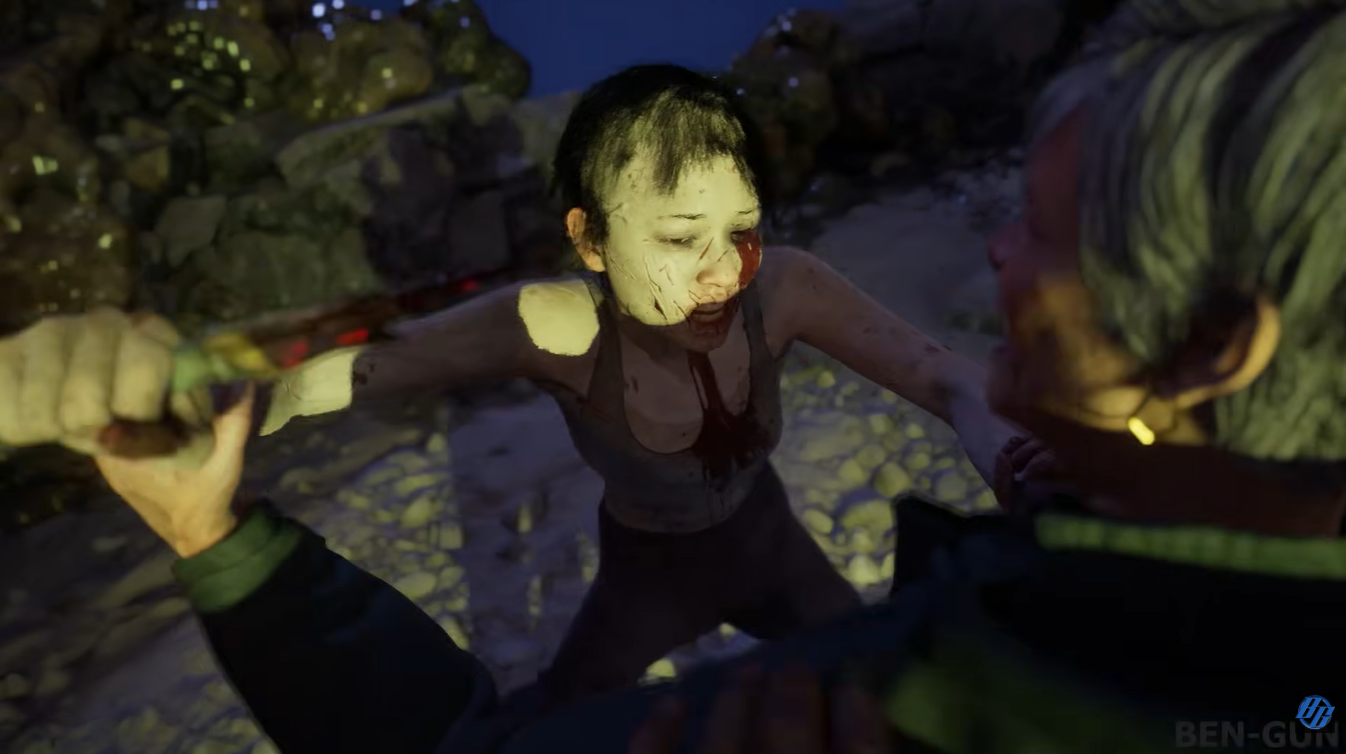
You encounter the Mindwashed Humans right at the entrance of the abyssal caves, often wandering aimlessly near the first descent zones.
What it represents:
These figures embody the complete erosion of self under cosmic influence. They are not just enemies, but a warning. Their presence tells you that the abyss does not simply kill—it consumes identity and replaces it with obedience to something unknowable.
Paths:
There are no branching paths here. However, your interaction sets the tone—whether you treat them as enemies or victims subtly shapes your interpretation of the world.
2 – Dreamers (Passive Entities)
Where they’re found:
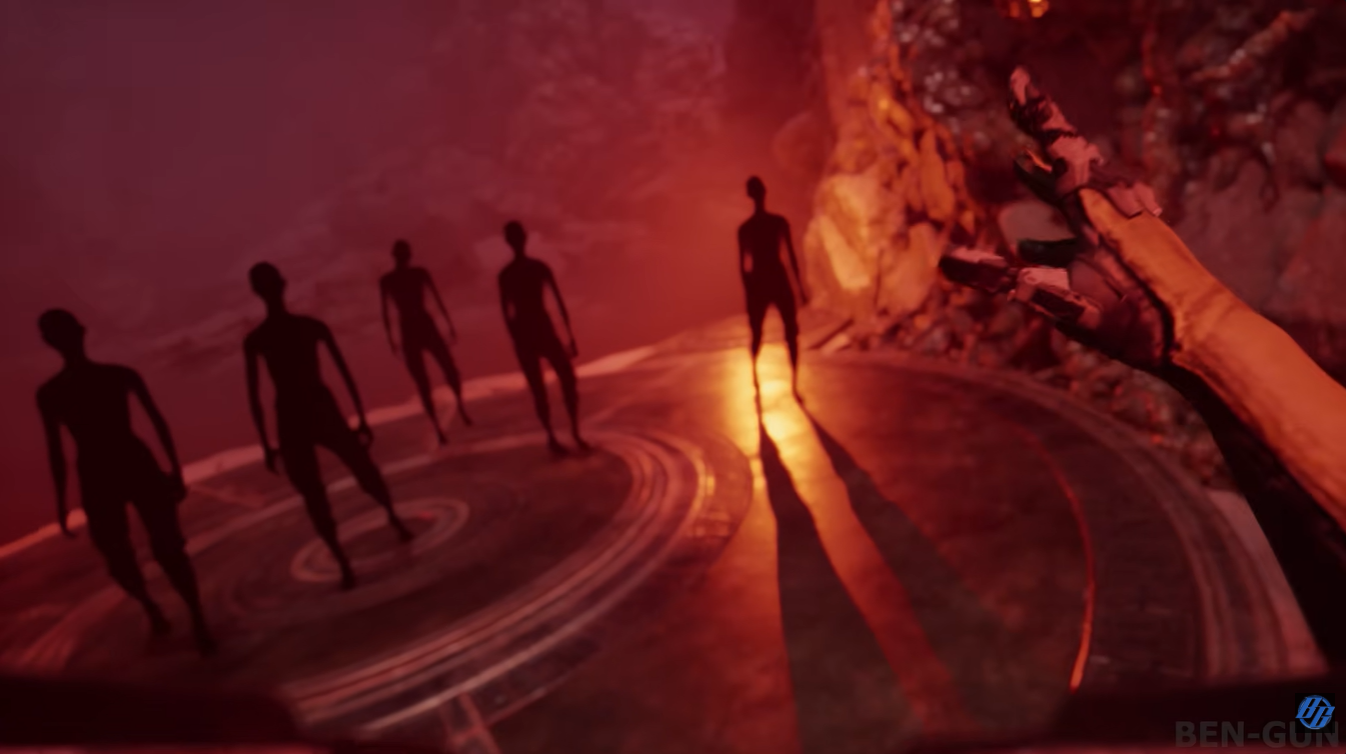
Dreamers exist in fragmented dimensional pockets and hallucination sequences, often encountered during moments of psychological distortion.
What it represents:
They symbolize a shared consciousness trapped within the abyss. These entities are the source of the whispers and voices you hear, reinforcing the idea that the abyss is not just a place—it is a living, thinking collective.
Paths:
No direct paths exist, but understanding them changes how you interpret later events. Ignoring or acknowledging their presence affects your immersion in the narrative reality.
3 – Human Offering (The Altar Victim NPC)
Where it is found:
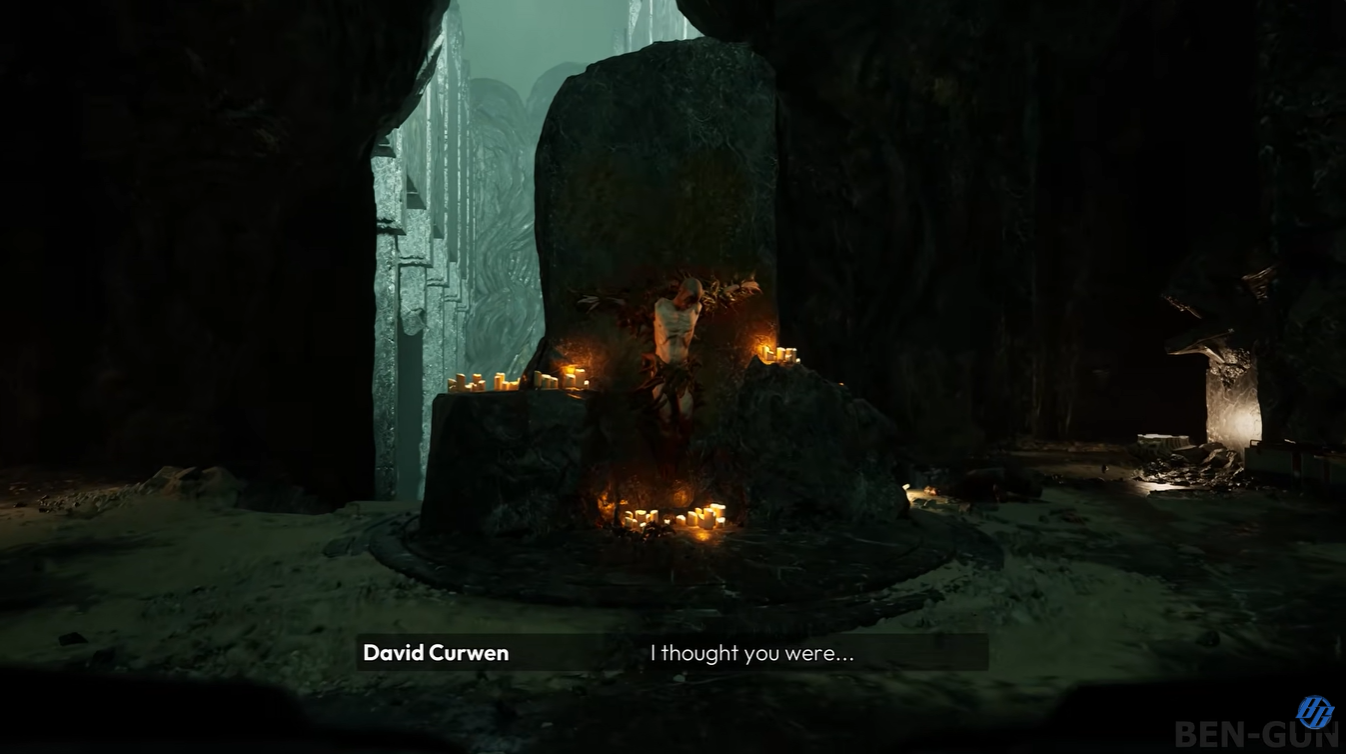
Located within the Altar of Flesh inside the temple complex, this figure is embedded directly into the structure.
What it represents:
The Human Offering represents the brutal cost of attempting to control cosmic forces. His existence is literal proof that the temple runs on sacrifice, and that human ambition often leads to irreversible suffering.
Paths:
There are no mechanical paths, but the interaction is deeply narrative-driven. Listening to him reveals critical lore about Marsh and the failed ritual, while ignoring him leaves gaps in understanding the temple’s purpose.
4 – Pregnant Lady (Passive Entity)
Where it is found:
You discover Selina Fyre, the Pregnant Lady, in the deeper sections of the temple, suspended in a stasis-like state surrounded by organic structures.
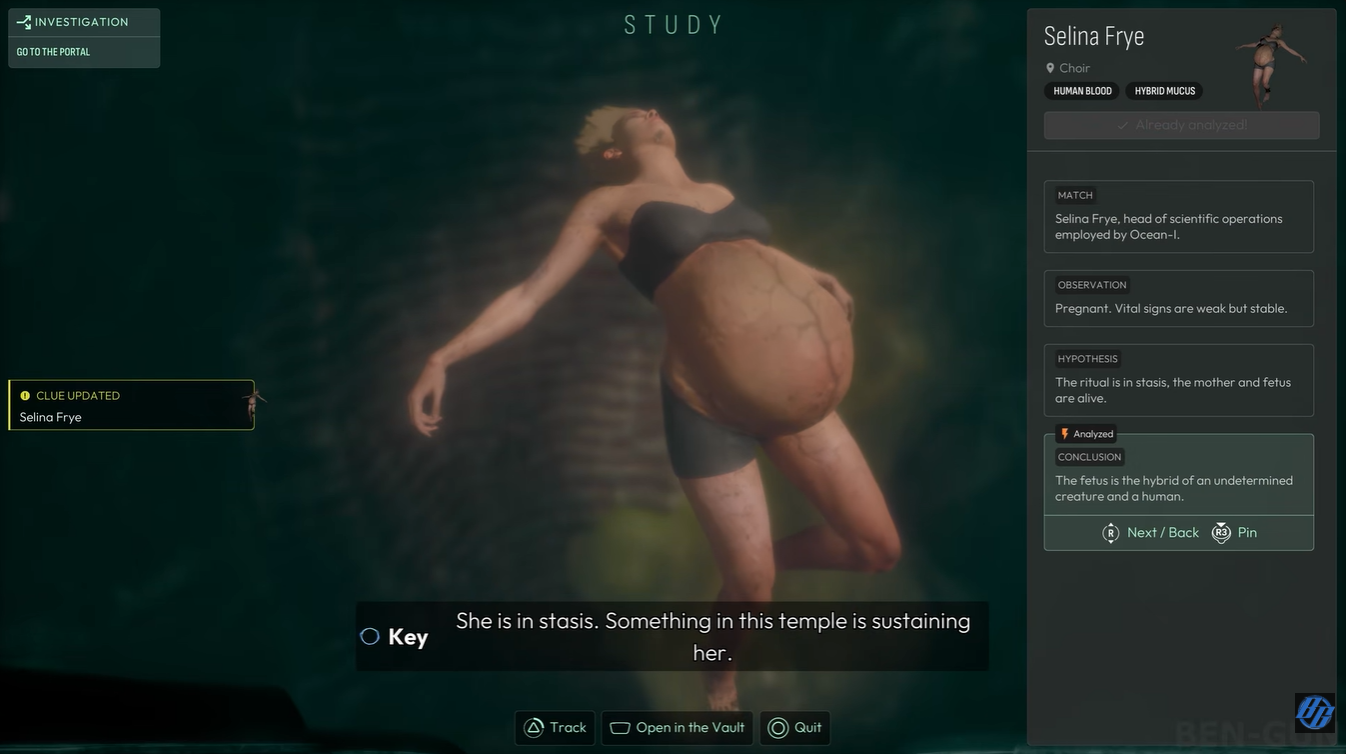
What it represents:
She symbolizes unnatural creation and the manipulation of life by cosmic forces. Her presence suggests that the cult was not just worshipping—but attempting to create or host something beyond human comprehension.
Paths:
No direct interaction paths exist. However, her presence adds to the environmental storytelling, reinforcing the horror of biological experimentation tied to the abyss.
5 – Deep One (Boss Encounter)
Where it is found:
The Deep One is encountered in the ritual chamber, a central location tied to the cult’s ceremonies.
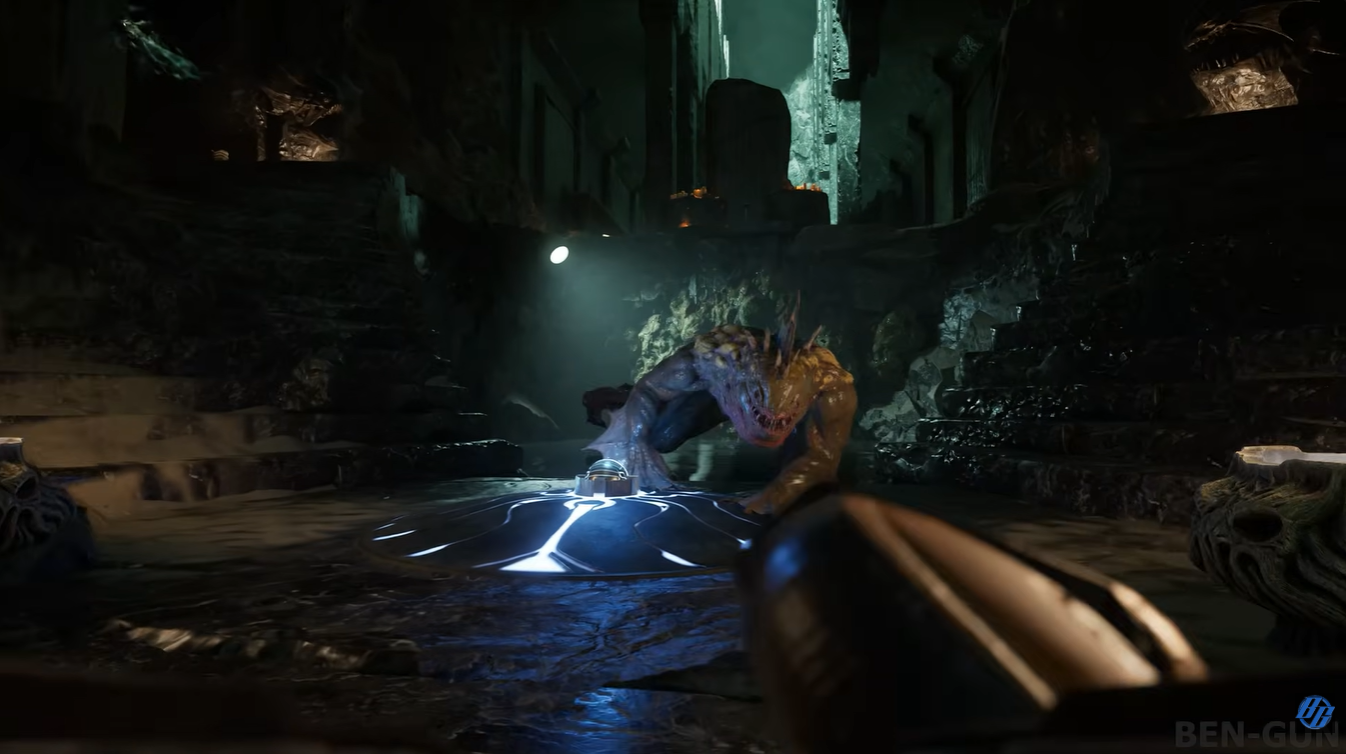
What it represents:
This entity represents the first true test of your alignment—resistance versus acceptance of the abyss. It marks a turning point where your decisions begin to carry long-term consequences.
Paths:
- Seal It Path:
You use ancient mechanisms to trap the creature, choosing containment over interaction. This reflects a mindset of resistance and caution, prioritizing safety. - Finish Ritual Path:
You allow the ritual to complete, and the creature accepts your presence. This avoids combat but signals a psychological shift toward embracing the abyss, affecting how the world responds to you later.
6 – Guardian (Boss Encounter)
Where it is found:
The Guardian stands at the entrance to the Star Chamber, acting as the final barrier before the inner sanctum.
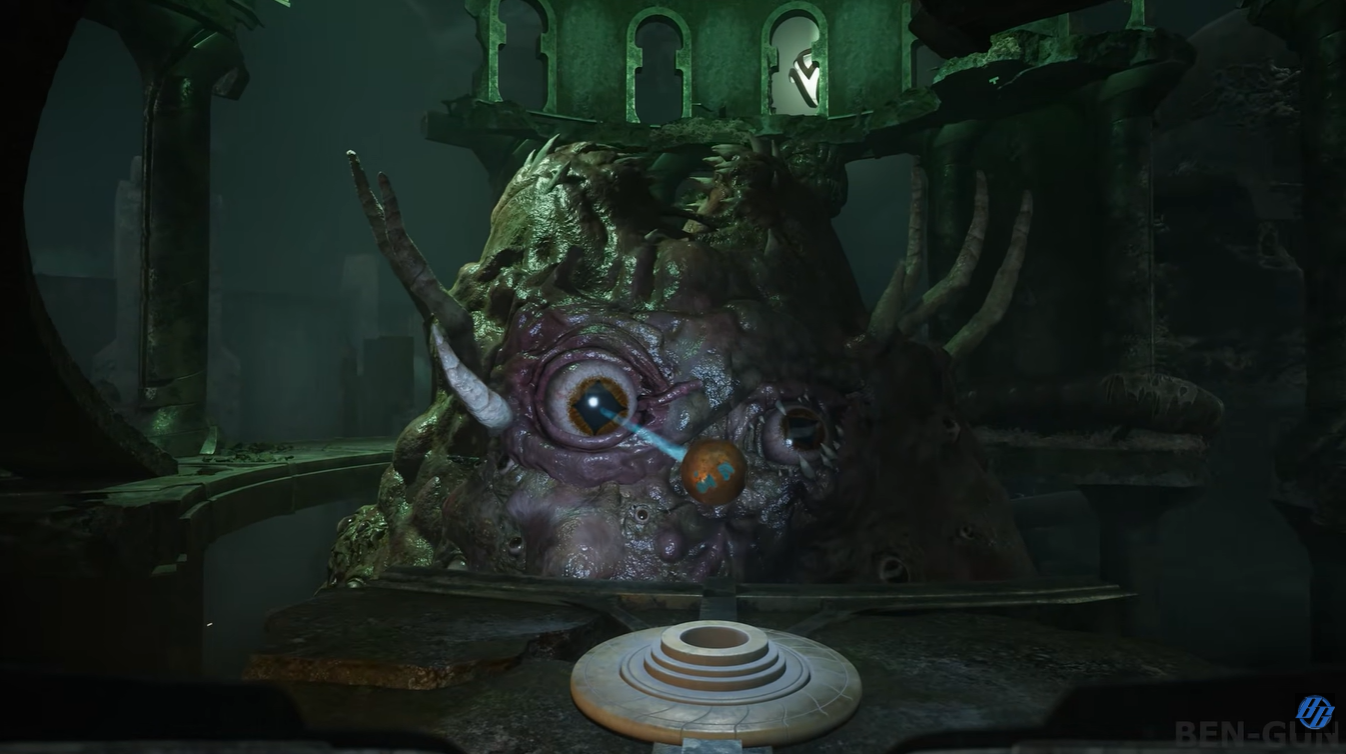
What it represents:
The Guardian symbolizes the threshold between understanding and destruction. It tests whether you rely on knowledge and observation or brute force.
Paths:
- Hypnotize Path:
By using environmental stimuli such as heat pulses, you can put the Guardian into a trance. This path emphasizes intelligence and adaptation, allowing you to bypass the encounter entirely. - Kill Path:
Engaging the Guardian directly leads to a difficult battle. While it appears defeated, the game implies that such entities are never truly destroyed, highlighting the futility of violence.
7 – Andrew Marsh (Narrative NPC)
Where it is found:
You find Andrew Marsh in the Star Chamber, near the core artifact, where he lies dead.
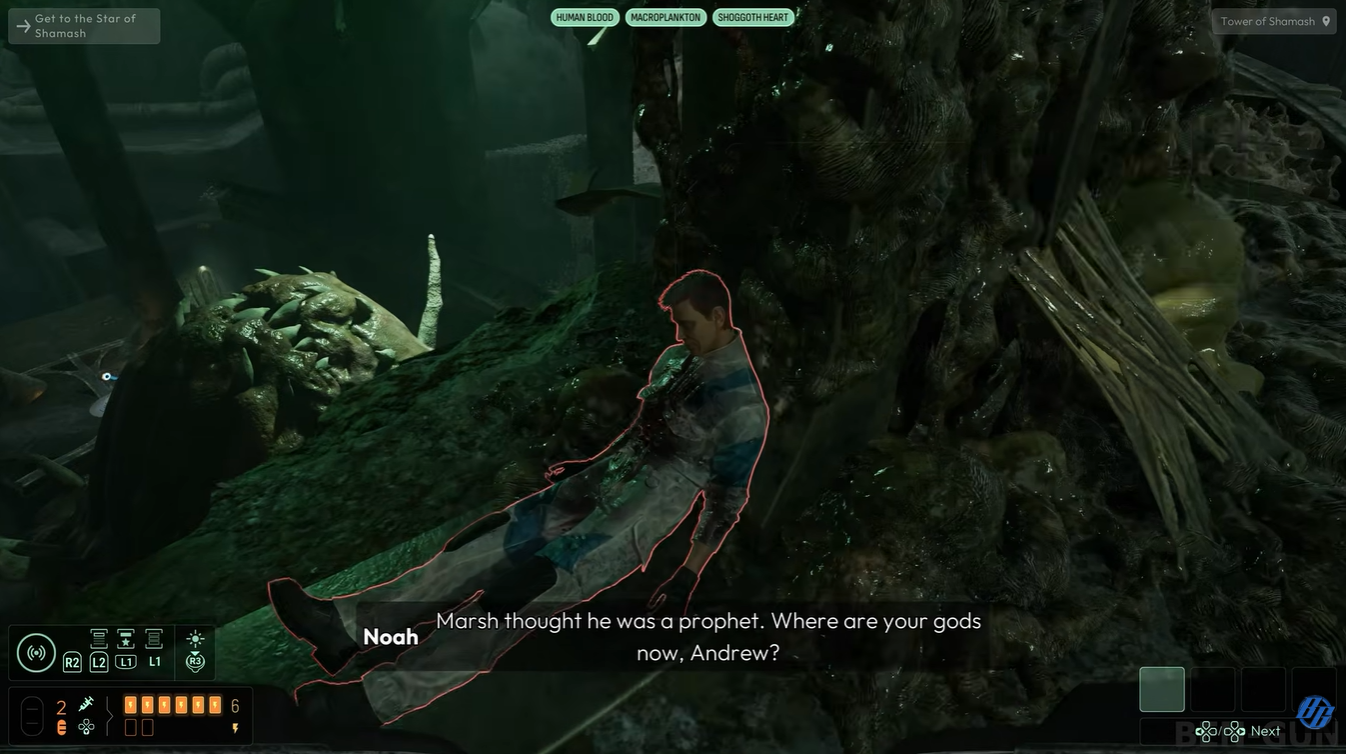
What it represents:
Marsh represents the ultimate failure of human arrogance. Throughout the game, he is portrayed as a prophet who believed he could command the abyss. Finding him as a corpse reveals that no human, no matter how devoted, can truly control cosmic forces.
Paths:
There are no interaction paths, but his discovery acts as a narrative turning point. It reframes your journey as one that mirrors his failed ambition.
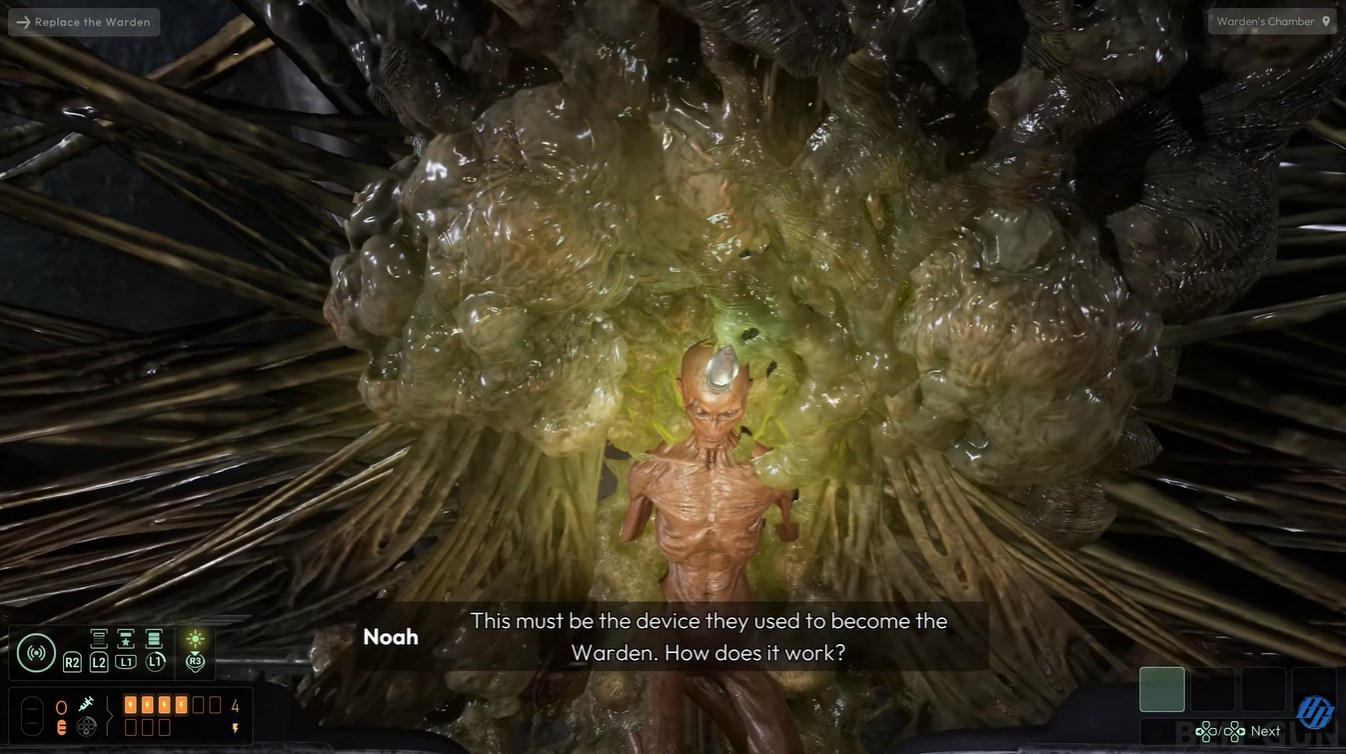
8 – Warden (Ancient Entity)
Where it is found:
The Warden resides in the core chamber of the abyss, at the heart of the containment system.
What it represents:
The Warden symbolizes decay within a system that once maintained balance. It has held the abyss in check for thousands of years, but is now failing, showing that even ancient, powerful systems eventually collapse.
Paths:
While not a traditional boss, the Warden is central to the narrative. Its condition directly reflects the state of the world and sets the stage for what comes next.
9 – Cthulhu (Final Entity / Cosmic Boss)
Where it is found:
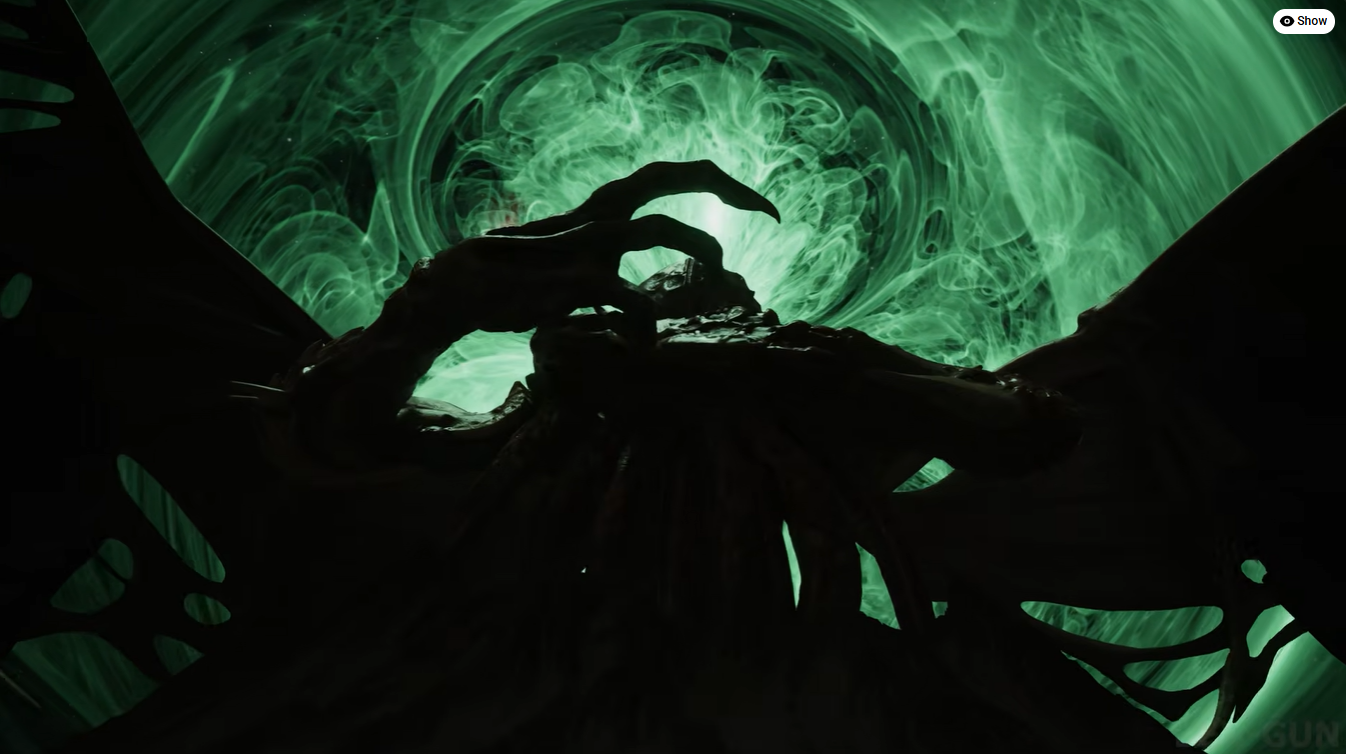
Cthulhu is not encountered in a traditional arena but rather manifests within the core of the abyss during the final sequence near the Heart of Yithion, where the prison system begins to collapse.
What it represents:
Cthulhu represents the ultimate embodiment of cosmic inevitability and insignificance. Unlike earlier entities that test your choices or morality, this presence reinforces a harsher truth—humanity is not meant to understand or oppose such forces. It is less a boss and more a cosmic event, symbolizing the collapse of all boundaries between reality and the abyss.
Its presence confirms that everything you’ve encountered—the Dreamers, the rituals, the failing Warden—has been leading to this singular point. Cthulhu is not the cause of chaos, but the inevitable result of it.
Paths of endings:
- Containment Outcome:
While not a direct interaction with Cthulhu itself, your earlier decisions determine whether its awakening is delayed or prevented. This path reflects resistance against inevitability, where the entity remains imprisoned through external intervention. - Acceptance Outcome:
If you align with the abyss through prior choices, Cthulhu’s presence becomes less hostile and more inevitable. This path represents submission to cosmic truth, where resistance is replaced by understanding—or surrender. - Awakening Outcome:
When containment fails, Cthulhu begins to rise. This is not a fight but a realization—the abyss cannot be stopped, only postponed. This path emphasizes total collapse, where human actions ultimately prove meaningless against cosmic forces.
Unlike other bosses, there is no combat solution here. Cthulhu cannot be defeated, only faced, delayed, or accepted, making it the most thematically powerful “encounter” in the game.
Understanding the abyss through its inhabitants
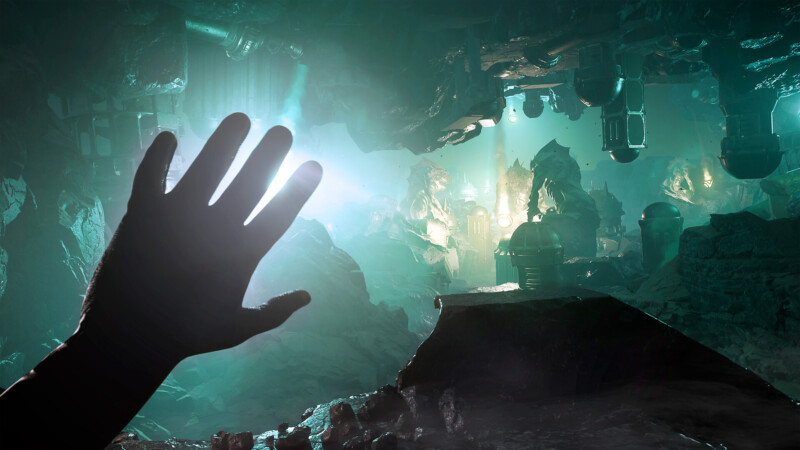
Every entity in Cthulhu: The Cosmic Abyss is a reflection of a larger idea—loss, control, sacrifice, and inevitability. By examining where you find them and what they represent, you start to see that the game is about confronting the limits of human understanding.
The deeper you go, the clearer it becomes that these are not just encounters—they are warnings, echoes, and consequences of those who came before you.




Leave a Reply