The New York Times Connections puzzle challenges players to sort 16 seemingly unrelated words into four connected groups. Each group shares a hidden link. Today’s grid blends physical actions, clever rearrangements, and nostalgic references, making it both playful and slightly deceptive. Below you’ll find gentle hints to guide your thinking, followed by the complete solutions once you’re ready to check your work.
NYT Connections Puzzle Overview: 19 June 2026
Today’s puzzle felt balanced but deceptive. Some categories were fairly straightforward once a theme emerged, while others relied on noticing hidden word patterns rather than direct meanings. Solvers likely found themselves bouncing between obvious associations and more subtle linguistic connections before everything finally clicked into place.
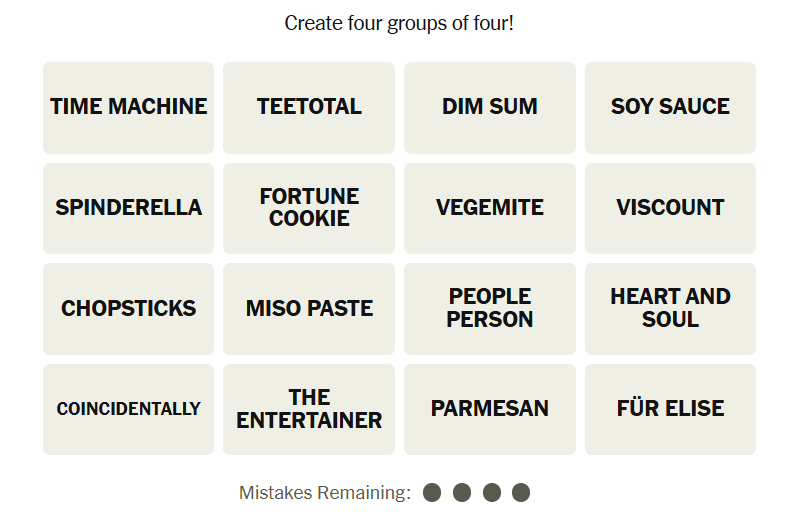
NYT Connections Hints: 19 June 2026
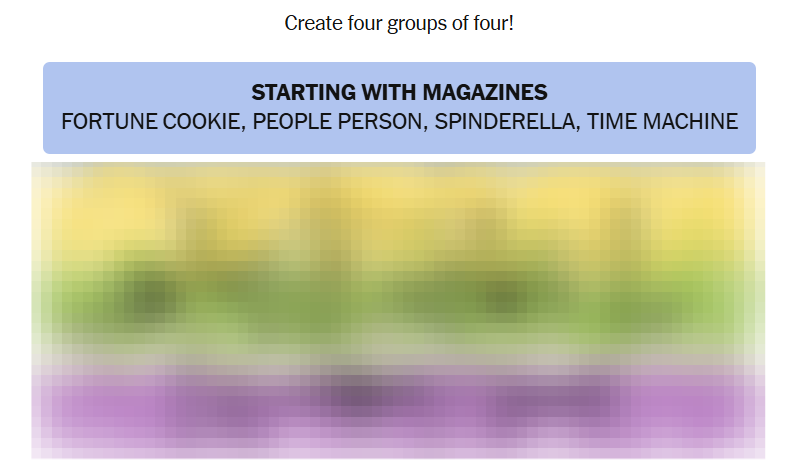
Category 1:
- Think about well-known publications found on newsstands.
- Each answer becomes relevant after adding a word at the front.
- The added word is identical across all four entries.
- The completed phrases are recognizable magazine titles.
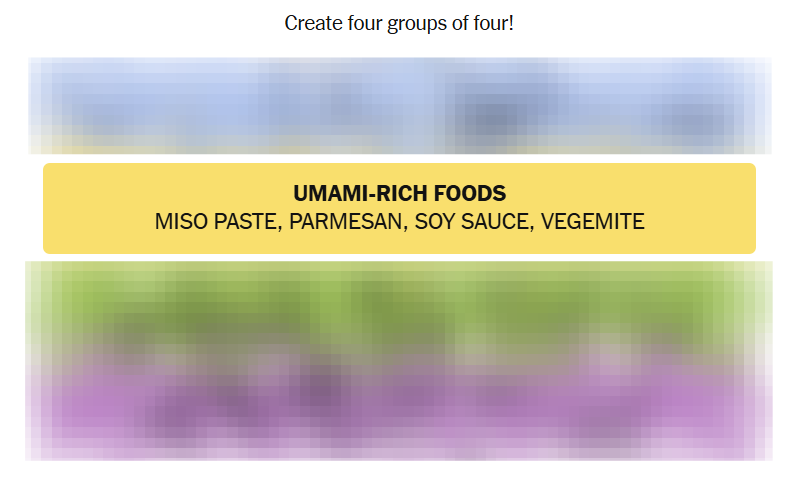
Category 2:
- These items are often praised for their savory depth.
- Food enthusiasts frequently describe them with a specific Japanese loanword.
- Several are common ingredients or condiments.
- They can add richness without necessarily adding sweetness.
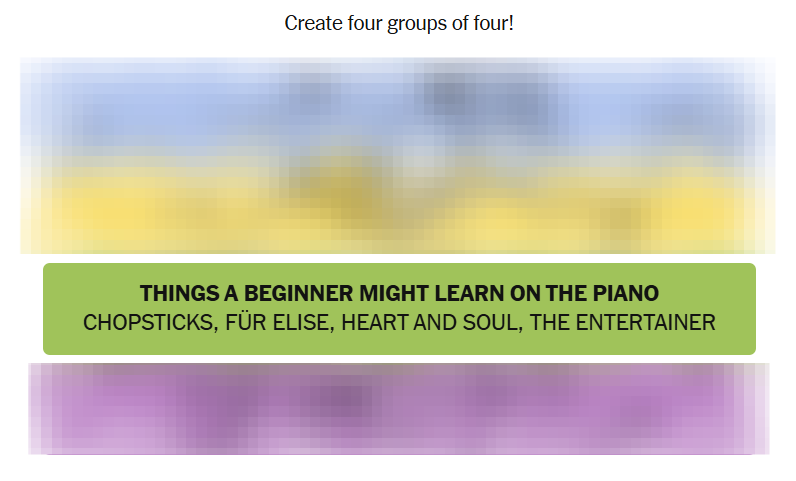
Category 3:
- New piano students often encounter these early on.
- They are familiar pieces rather than technical terms.
- Some are classical, while others are more contemporary.
- You might hear them during beginner recitals.
Category 4:
- Focus on the ends of the words rather than their meanings.
- The final syllables share a hidden connection.
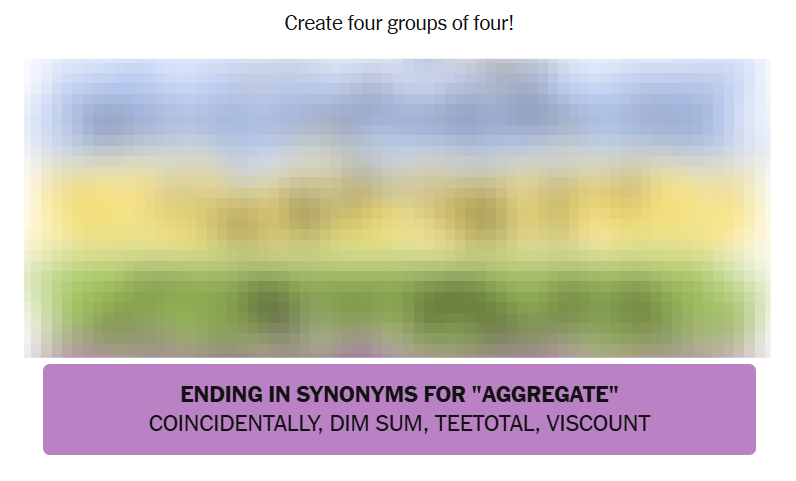
- Those endings are all terms meaning “to gather together.”
- Wordplay is more important than definition here.
NYT Connections Answers: 19 June 2026
Here are the answers, grouped by category.
Category 1:
Category 2:
Category 3:
Category 4:
Conclusion & Quick Strategy Tip
The 19 June 2026 Connections puzzle balances straightforward action words with trickier conceptual links, making it satisfying once everything clicks. Quick strategy tip: lock in obvious verb groups early, then examine remaining words for structural patterns or shared cultural references.