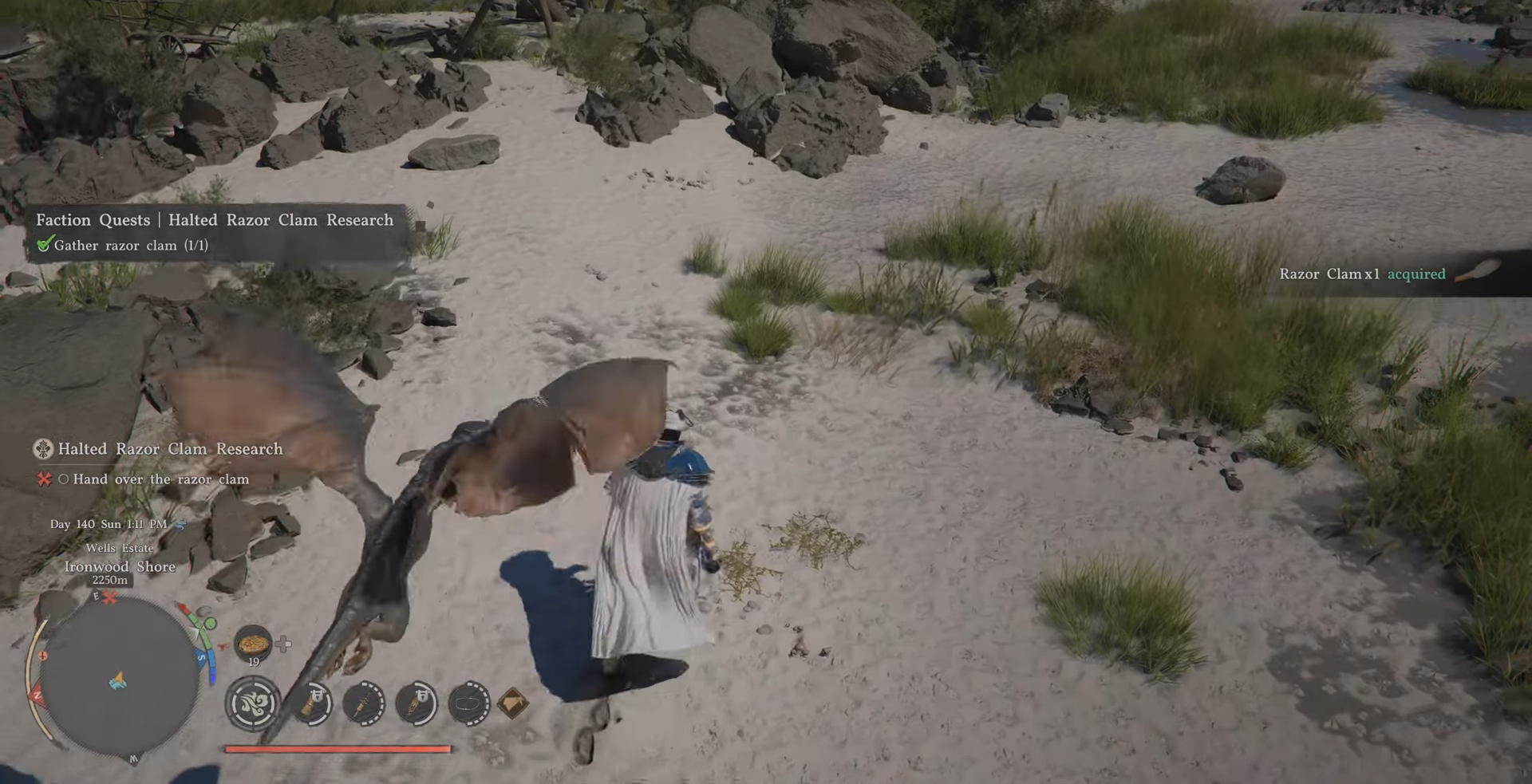
In Crimson Desert, the only reliable way to gather Razor Clams is to sprinkle salt into small beach‑holes along the coast, then harvest the clam that pops out; they cannot be dug up or fished normally.
Razor Clam details
How to gather Razor Clams in Crimson Desert
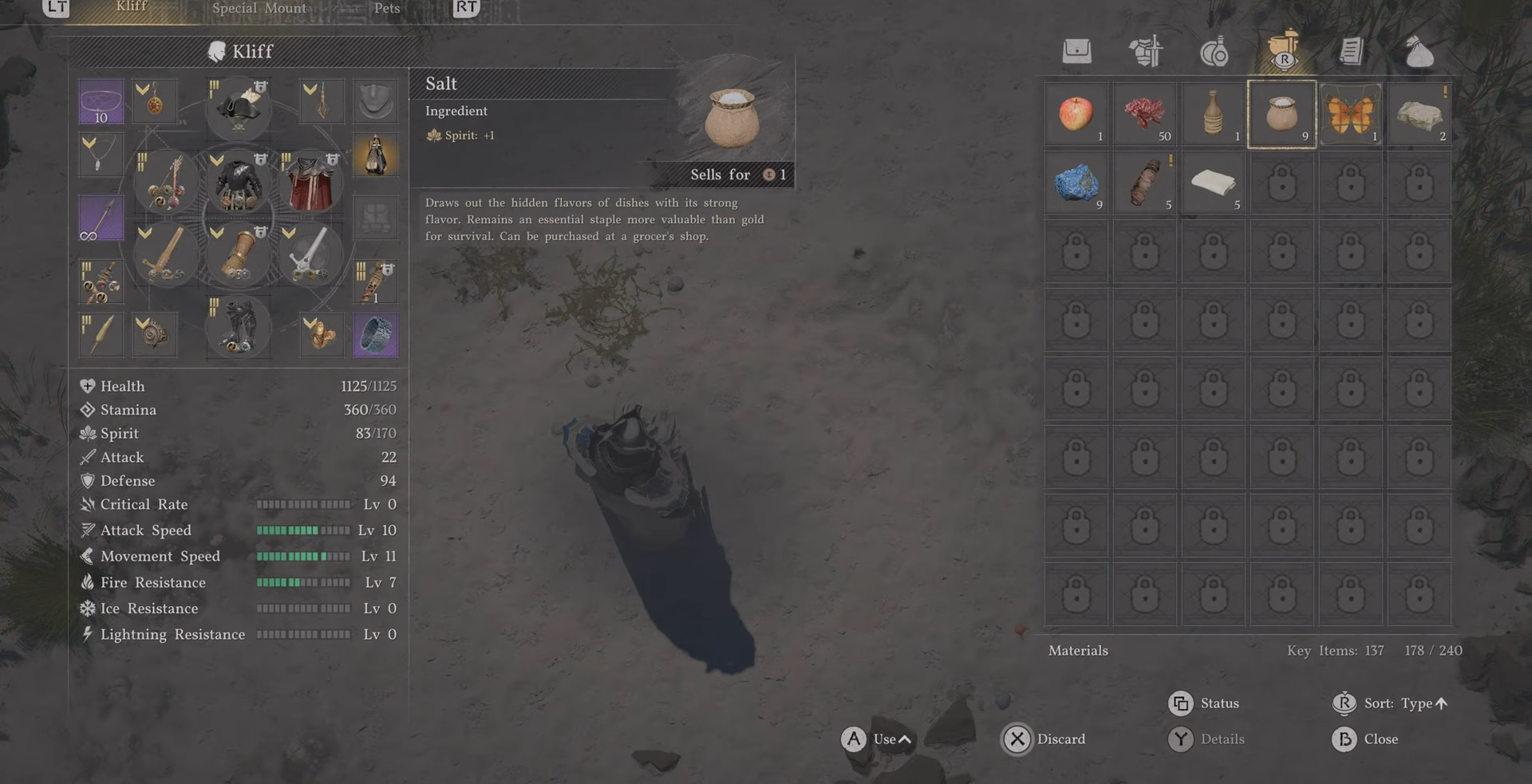
Step 1: Get salt into your inventory
Before heading to the beach, make sure you have at least one stack of salt in your inventory.
-
You can usually buy salt from coastal traders or general‑store vendors near Dewhaven and Ironwheel.
-
If you’re mid‑quest, check quest‑starter NPCs’ suggested costs; they often list “1 salt” as a prerequisite.
Step 2: Travel to a Razor Clam beach
Go to any sandy coastal stretch with small, glowing‑-edged holes in the sand or mud.
-
The Ironwheel–Dewhaven coastal zone is the canonical spot tied to the Razor Clam Research questline.
-
Look for tidal flats and estuary‑style edges where water meets sand; these yield the highest density of clam holes.
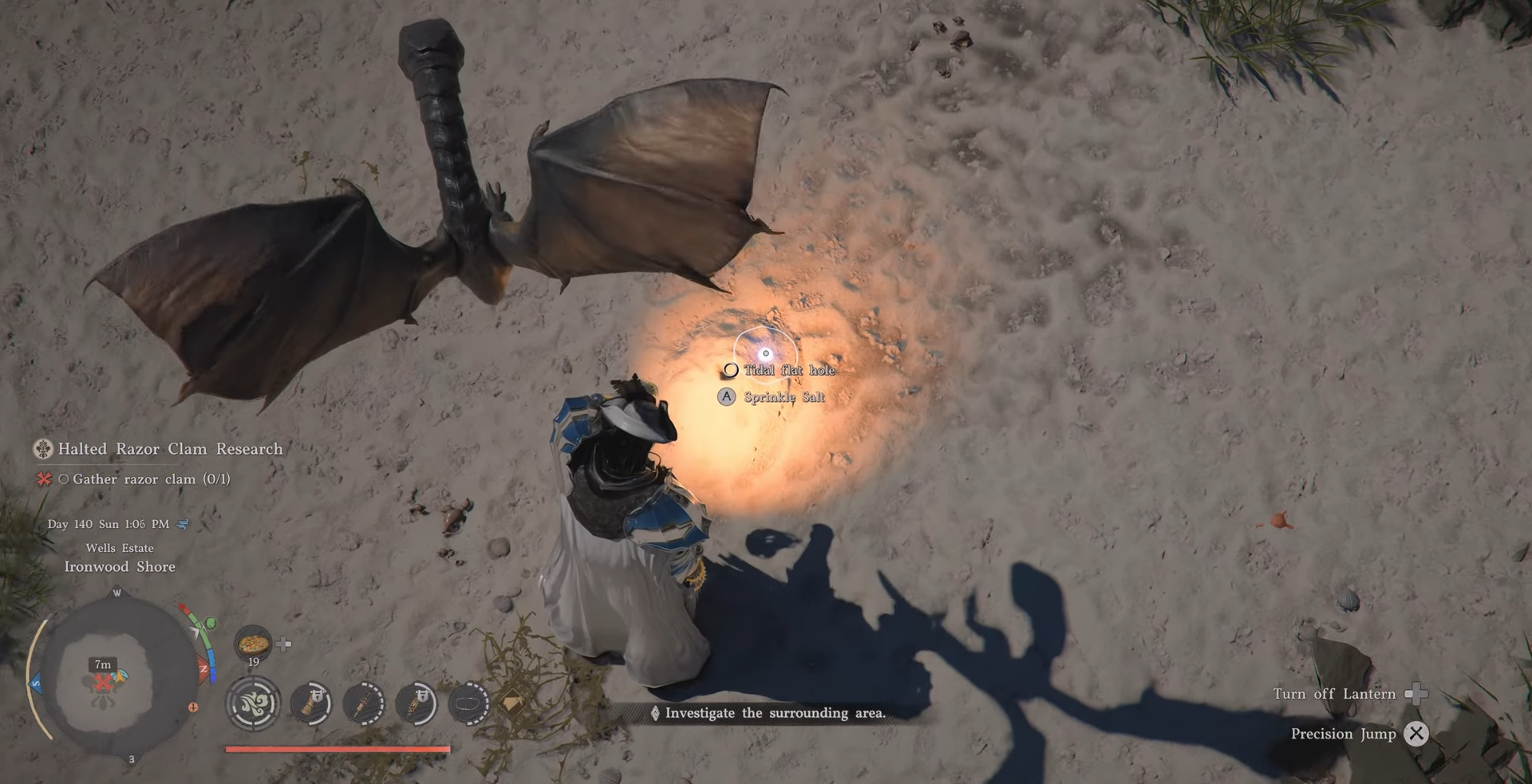
Step 3: Spot the clam holes
Razor Clams hide entirely underground, so you must identify the right holes before using salt.
-
Walk along the shoreline until the game highlights a small circular opening in the sand/mud.
-
These holes often glow faintly or have a subtle shader effect; they do not look like ordinary rocks or footprints.
Step 4: Sprinkle salt on the hole
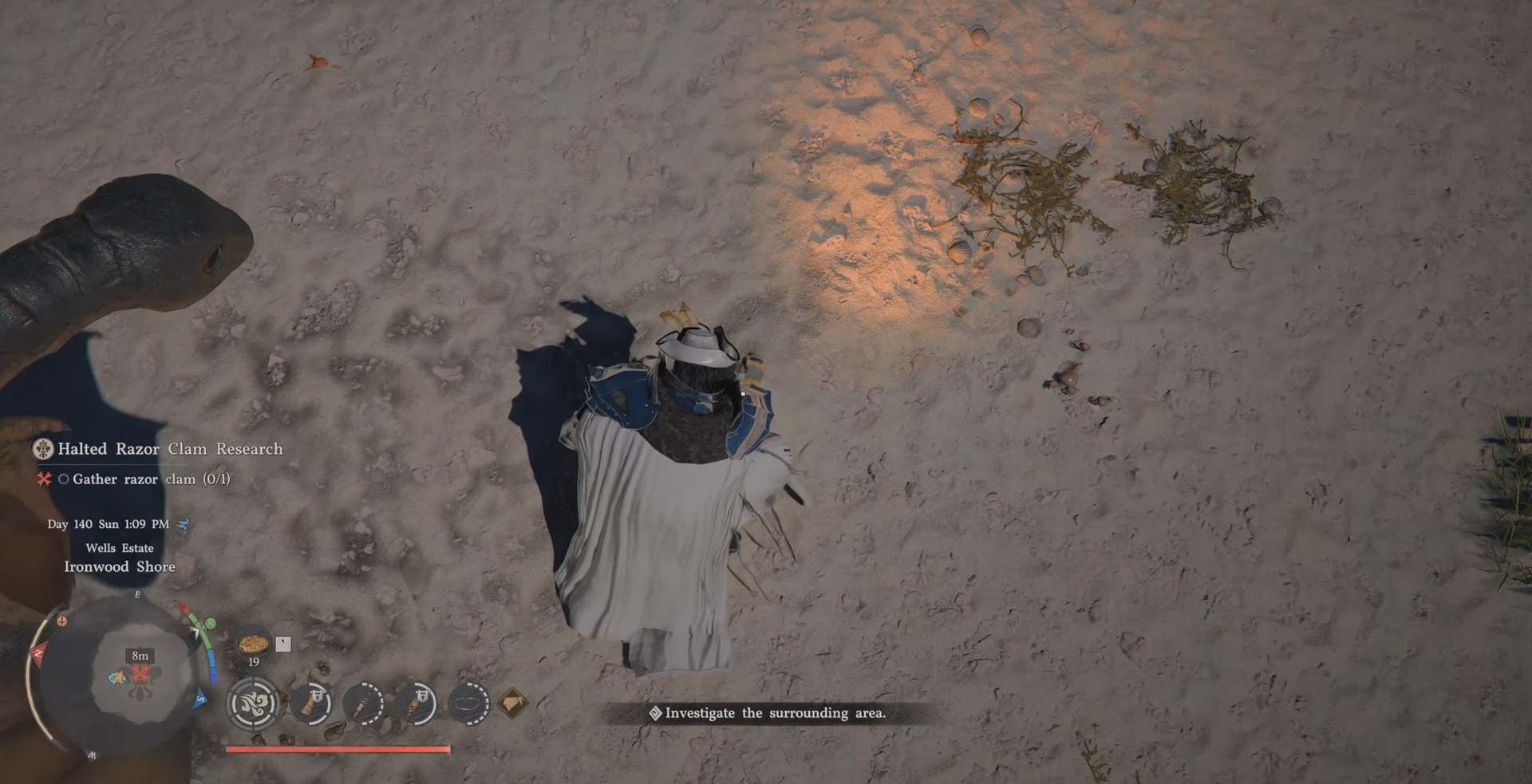
When you’re aligned with a valid hole, equip salt and use the Sprinkle Salt prompt.
-
Do not try using garden tools, insect nets, or fishing rods here; those interact with other resource types only.
-
If the prompt is missing, double‑check that you’re actually standing on a glowing hole and that salt is in your active thermo‑use slot.
Step 5: Wait and harvest the Razor Clam
After sprinkling salt, the hole will vibrate or emit a brief visual FX as the clam surfaces.
-
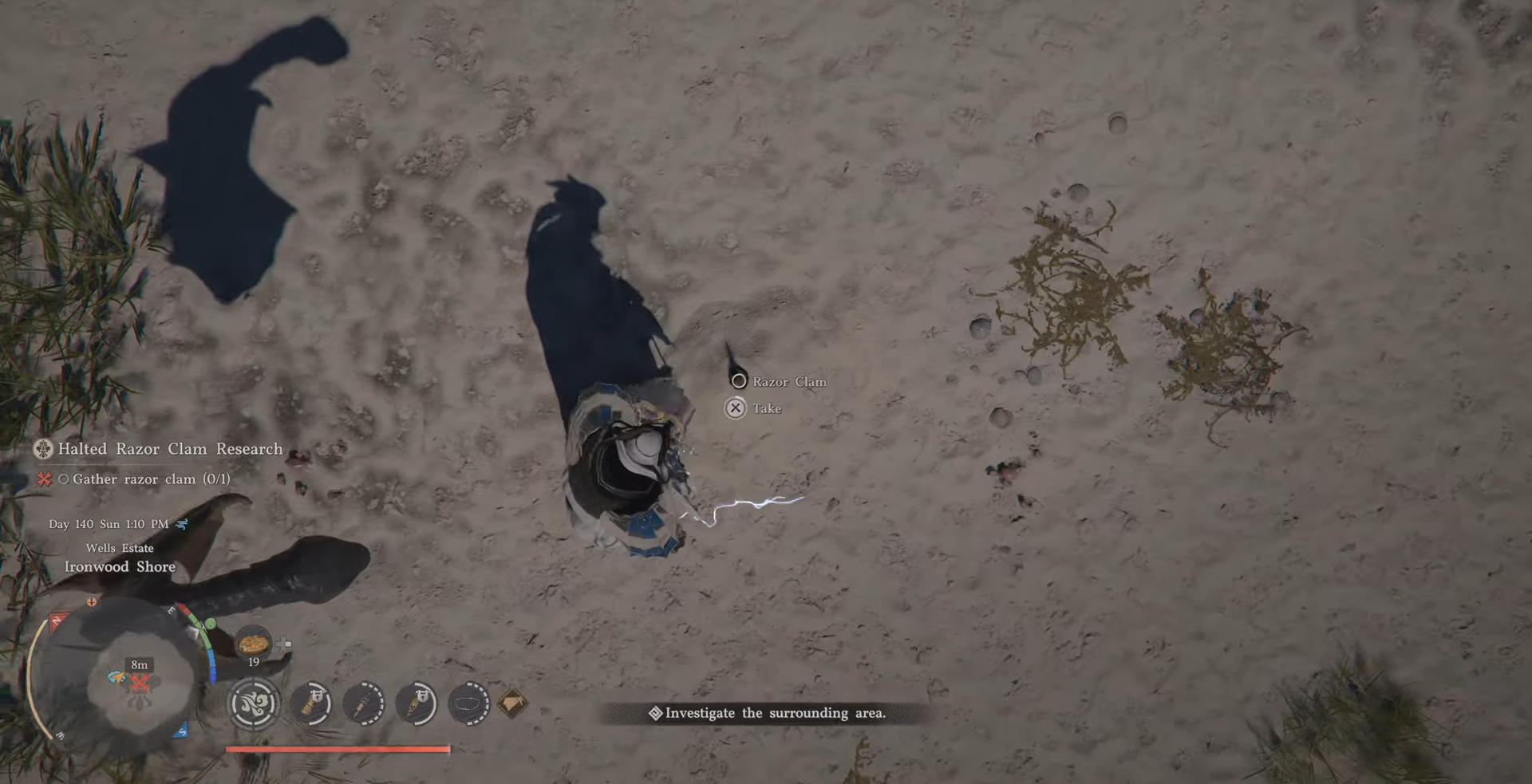
Within 2–4 seconds, an interact‑prompt will appear such as Razor Clam.
-
Press the interaction key to add 1 Razor Clam to your inventory; you can repeat this in the same area as long as you have salt.
Step 6: Repeat for quest or farming needs
If you’re on a quest like Halted Razor Clam Research, the objective will clearly state how many Razor Clams are required.
-
Keep moving along the beach and reuse the same salt‑sprinkle method on every hole until you meet the quota.
-
Save your salt for confirmed clam holes only; sprinkling on random sand or rocks yields nothing.
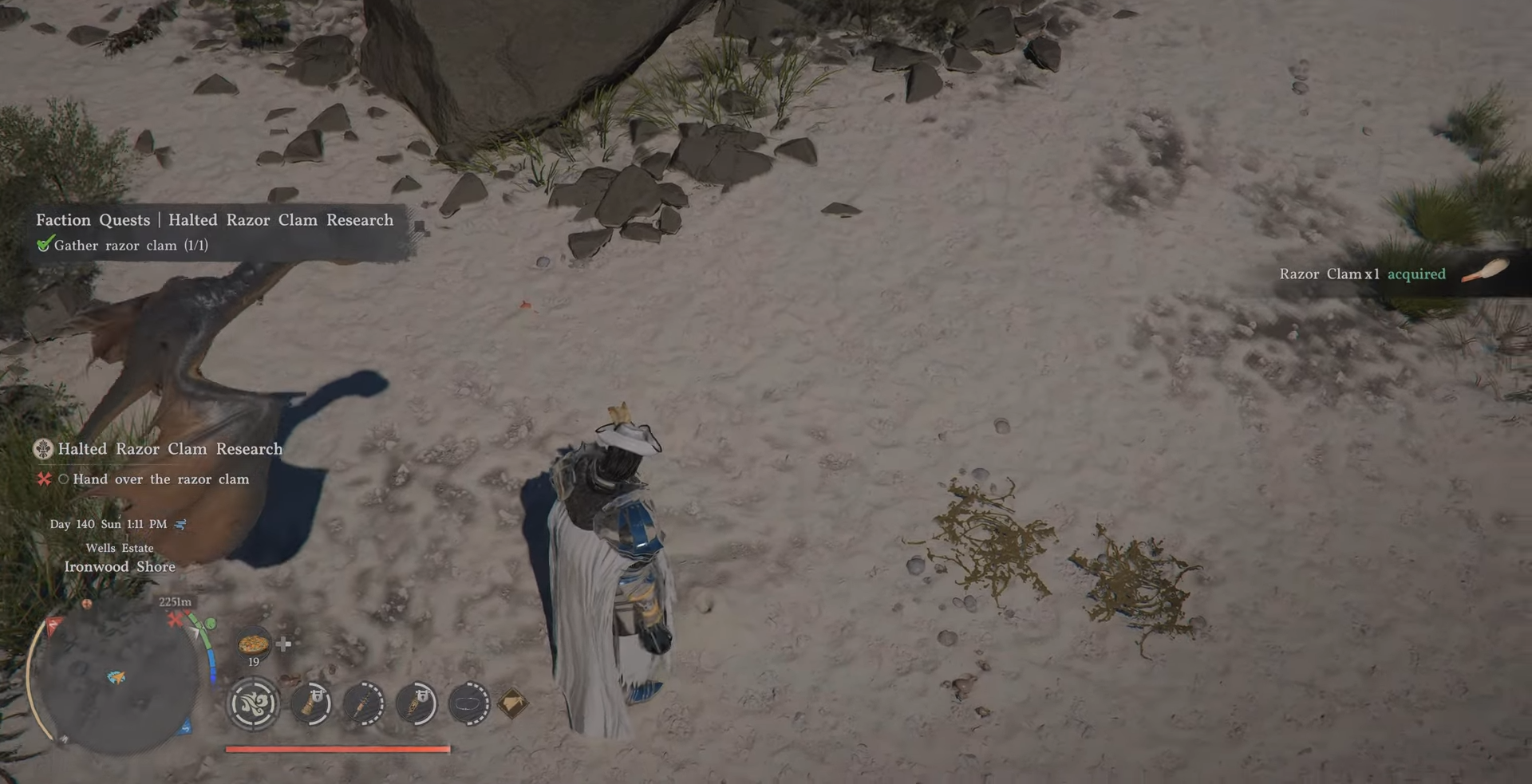
Major mistakes to avoid when gathering Razor Clams
-
Trying to dig or fish them up – Razor Clams cannot be harvested with normal digging or fishing mechanics; only salt‑sprinkle works.
-
Using salt on non‑glowing terrain – If you sprinkle on flat sand or rocks, you’ll simply waste salt without any reaction.
-
Ignoring the coastal‑hole visual cue – Many players miss the small glowing holes because they’re low‑contrast; zooming in slightly and circling the shoreline helps.
-
Assuming all beaches are equal – Some sandy stretches have no active clam holes; focus on research‑linked coasts like Dewhaven–Ironwheel for the most reliable spawns.
Gathering Razor Clams is a small but essential coastal mechanic that unlocks both quest progression and later research‑based recipes tied to the oceanic ecosystem. By mastering the salt‑sprinkle method on the right coastal holes, you save time on coastal research chains and avoid wasting inventory space on other, incorrect tools.