What to know
- Deepwing Eggs are dropped by Deepwing Leviathans, mainly around Axiom ruins and lava-zone cliff edges.
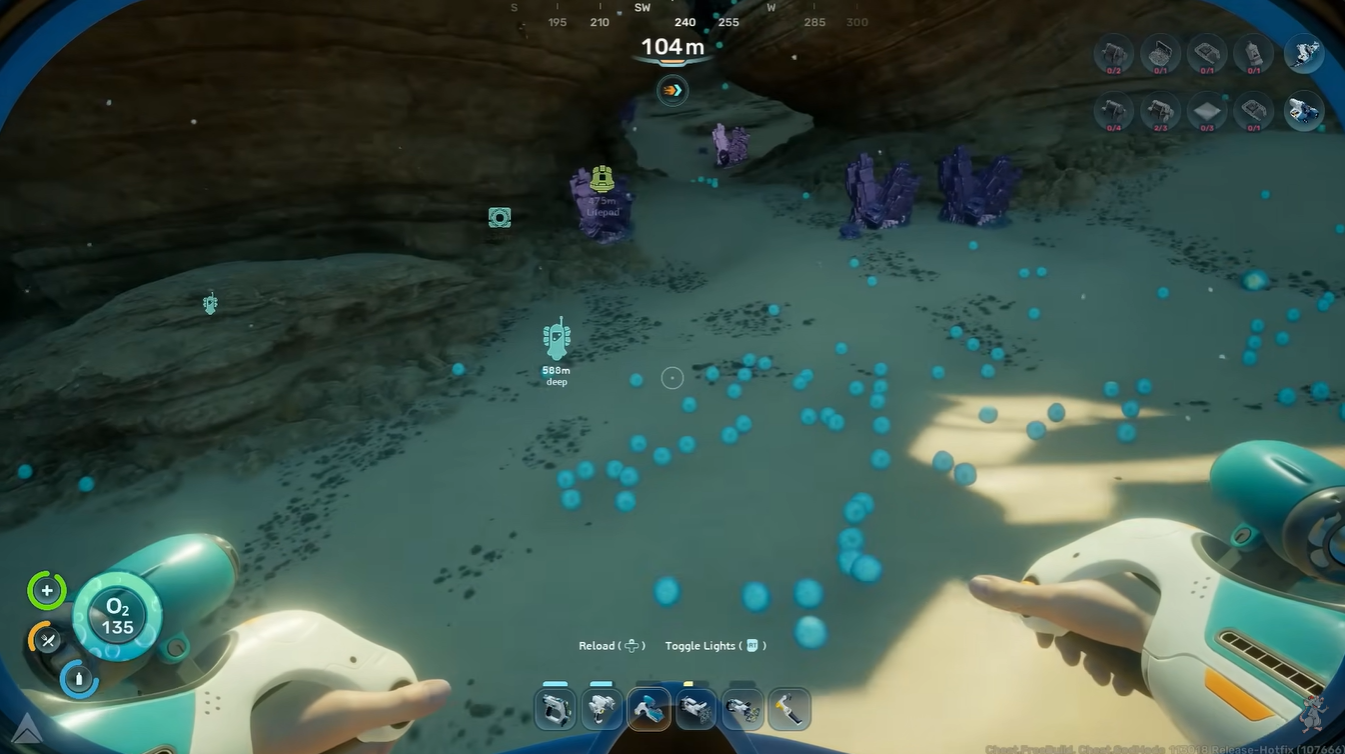
- The eggs fall from the sky like glowing blue orbs during a special “rain” event.
- Only the leading Deepwing Leviathan in a group can spawn eggs.
- You should save at least 10 eggs for possible late-game crafting recipes instead of consuming them all.
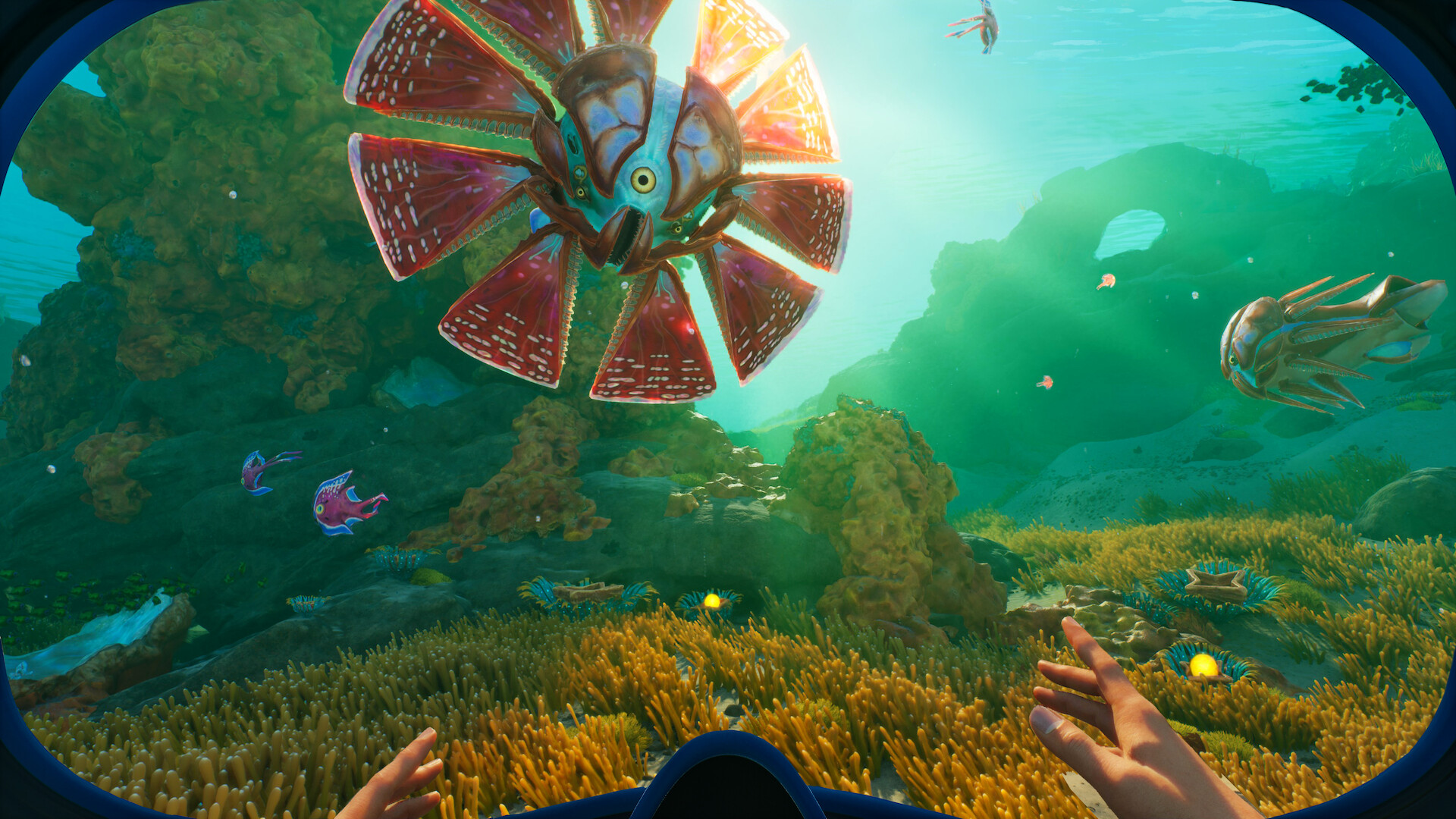
If you have been exploring the deeper regions of Subnautica 2, you may have noticed giant airborne creatures called Deepwing Leviathans patrolling the edges of the map. These creatures are currently the only known source of Deepwing Eggs, one of the rarer organic resources in the game. The process is unusual because the eggs are not gathered from nests or caves. Instead, the Leviathans actually drop them from above while flying through specific biomes.
Quick overview of Deepwing Eggs in Subnautica 2
| Feature | Details |
|---|---|
| Item Type | Organic Resource |
| Main Source | Deepwing Leviathans |
| Best Farming Areas | Axum ruins, cliff edges, lava/hot zones |
| Egg Appearance | Large light-blue glowing orb |
| Spawn Method | Falls from sky during “rain” event |
| Despawn Timer | Roughly a few minutes |
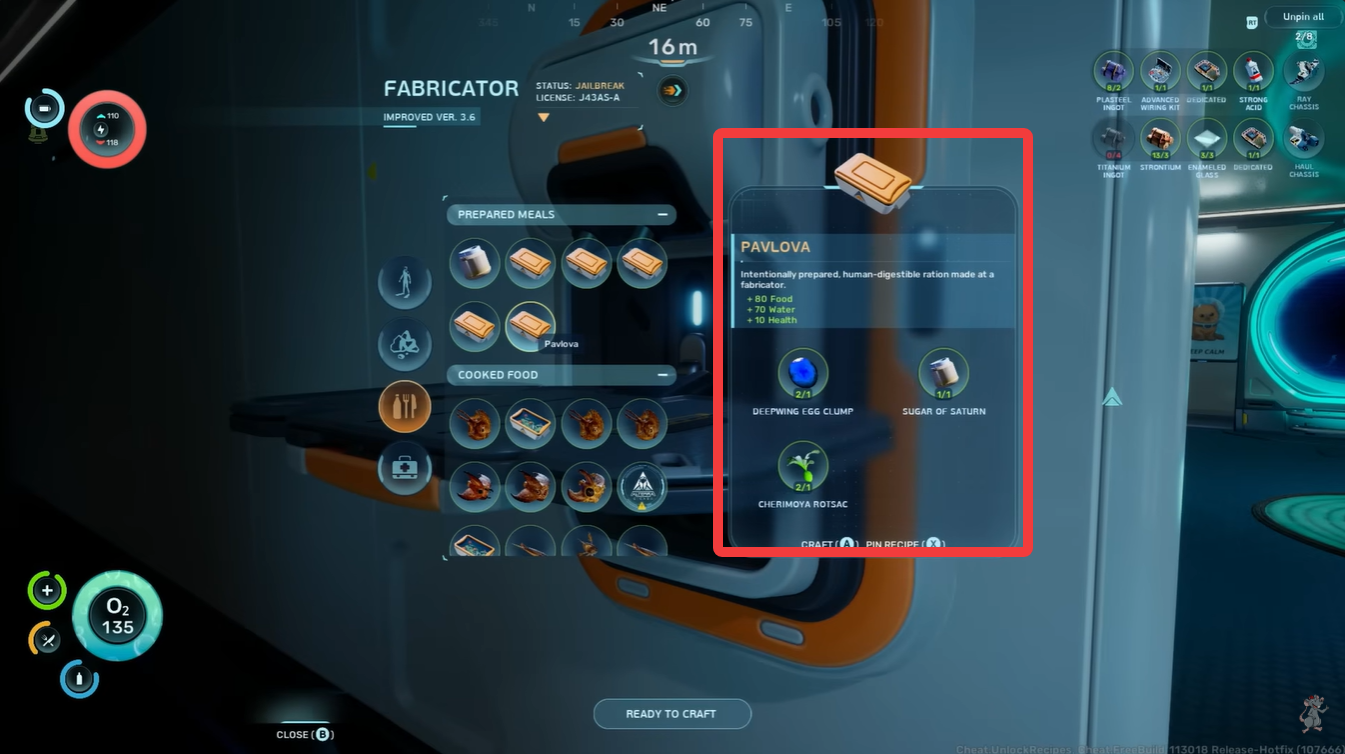
| Current Known Use | Pavlova food recipe |
| Recommended Storage | Save at least 10 for future crafting |
Where Deepwing Leviathans spawn most often
Deepwing Leviathans patrol several late-game regions, but players consistently report the highest spawn rates around the Axum ruins and the outer cliff zones that connect toward the volcanic or lava regions. These creatures are usually visible near the upper water layers, slowly circling large open spaces.
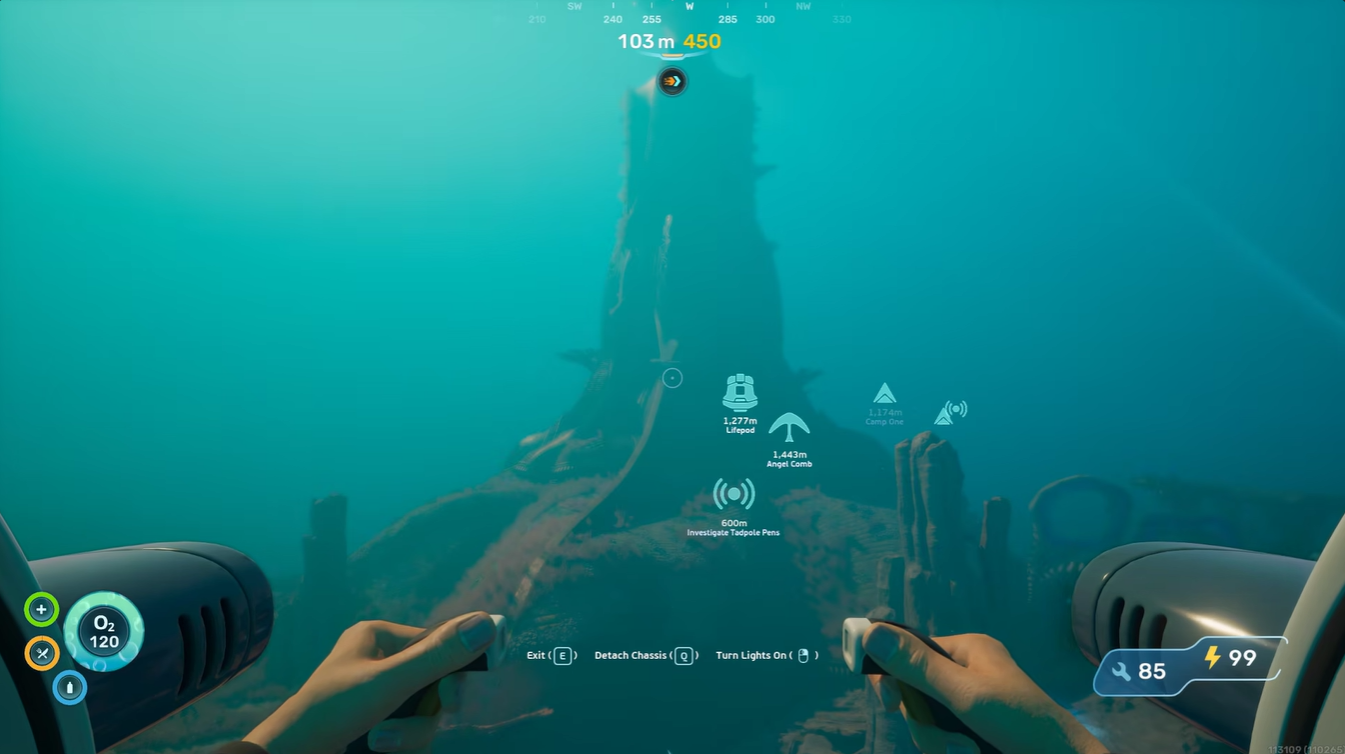
If you stay in these regions long enough, you may hear a strange environmental sound effect similar to heavy rain or objects splashing into the ocean. That sound is your cue that eggs are actively falling nearby.
How the Deepwing egg event works
Unlike standard resources in Subnautica 2, Deepwing Eggs are generated dynamically while the Leviathans are moving overhead. When the event starts, large glowing objects begin dropping from the sky and sinking toward the seabed.
The easiest way to recognize the event is by sound. Many players describe it as hearing “rain underwater.” Once you hear it, immediately look upward toward the surface and locate the nearest Deepwing Leviathan.
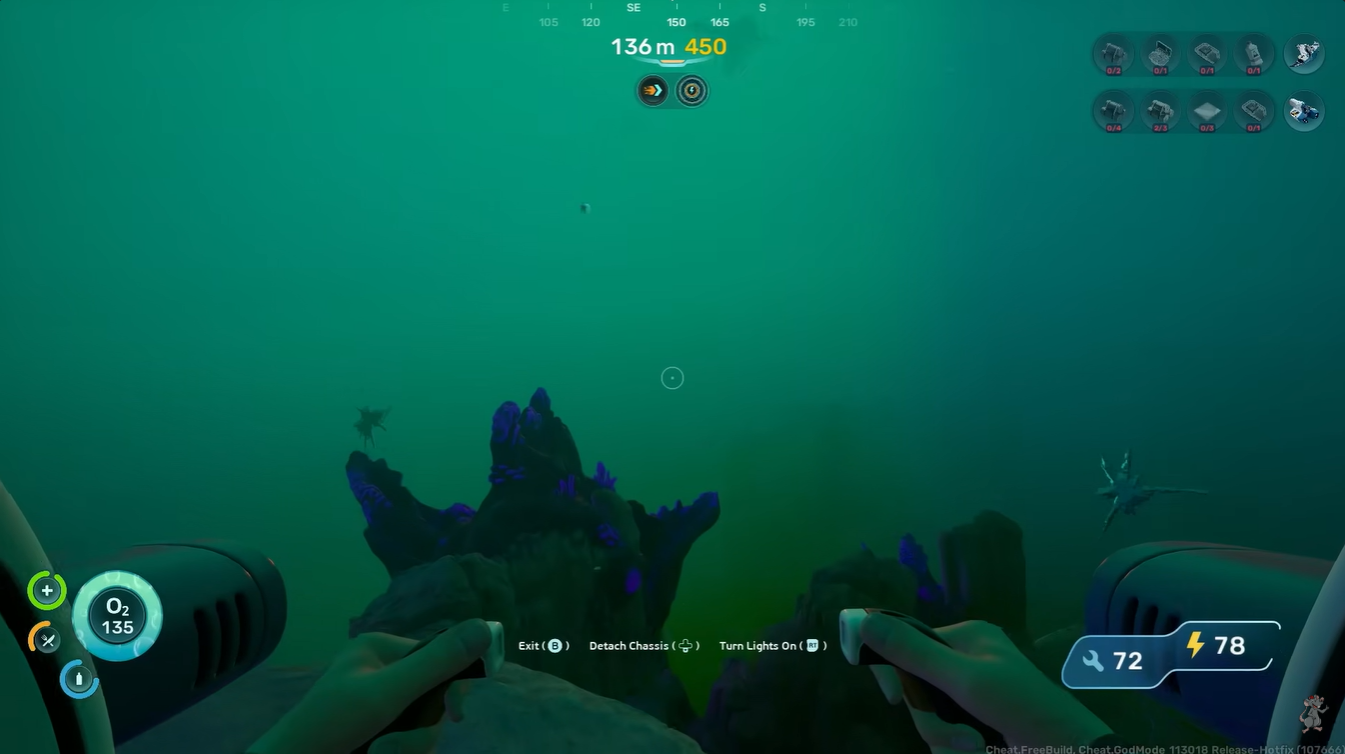
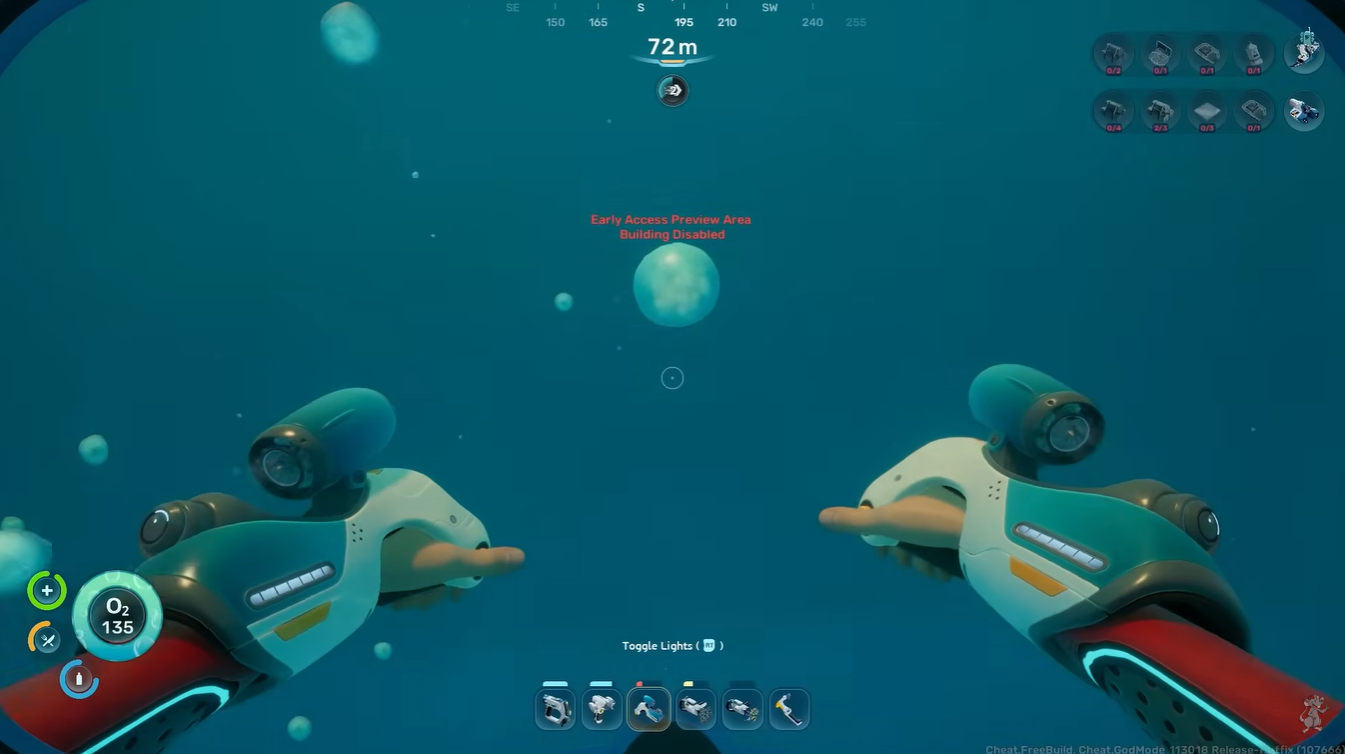
The falling objects can initially look like debris, but the actual eggs have several unique characteristics:
| Egg Identifier | Description |
|---|---|
| Color | Light blue glow |
| Shape | Flat orb-like object |
| Movement | Falls straight downward |
| Size | Larger than surrounding debris |
| Rotation | Minimal side-to-side movement |
Most nearby environmental debris drifts left and right in the water currents, but Deepwing Eggs descend almost perfectly straight down. This makes them easier to track once you identify the first one.
How to collect Deepwing Eggs efficiently
The biggest challenge is not finding the Leviathans. The difficult part is tracking exactly where the eggs land before they despawn.
A common mistake is swimming directly under the creature while the eggs are falling. This actually makes tracking harder because you lose sight of the trajectory. Instead, maintain some distance and carefully watch the descent path.
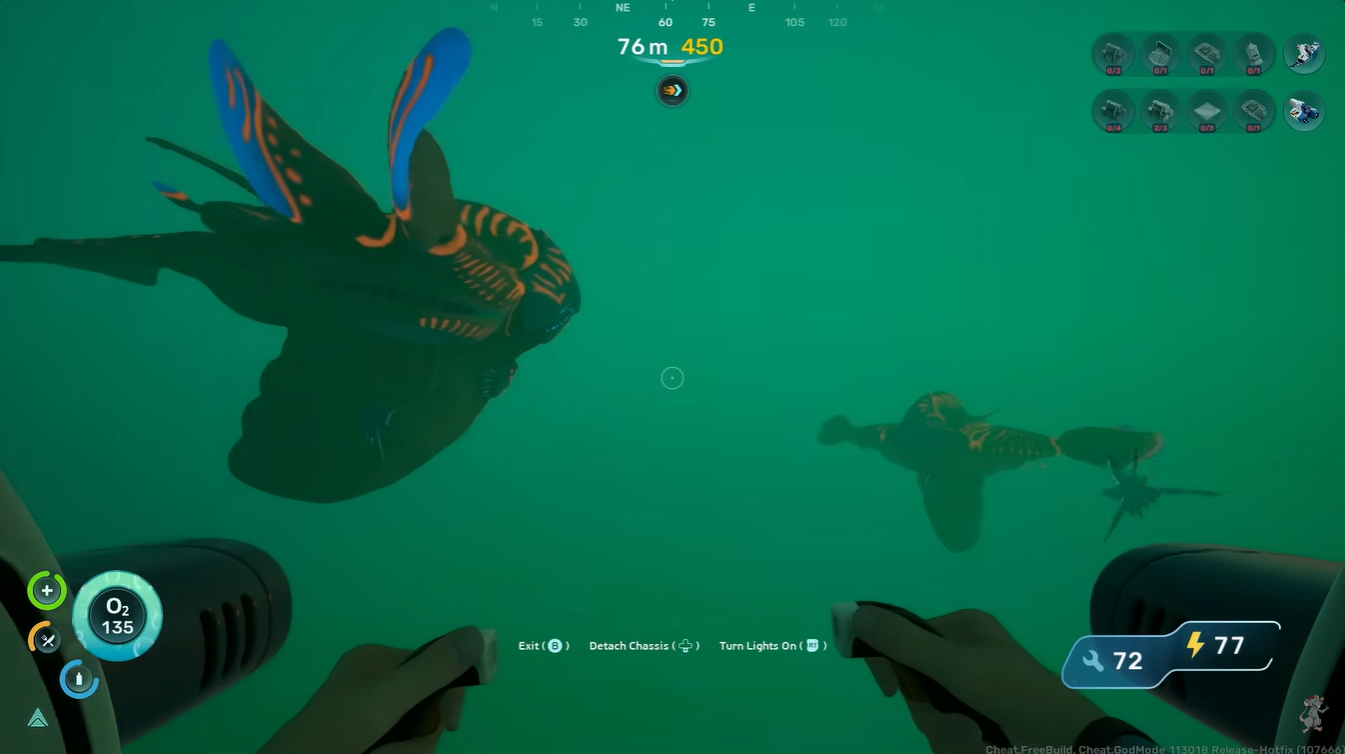
Wait and listen carefully for the “rainfall” sound effect. Once it starts, stop moving and look toward the surface. Identify the leading Deepwing Leviathan if multiple are present. Only the front-most creature in the group appears capable of spawning eggs.
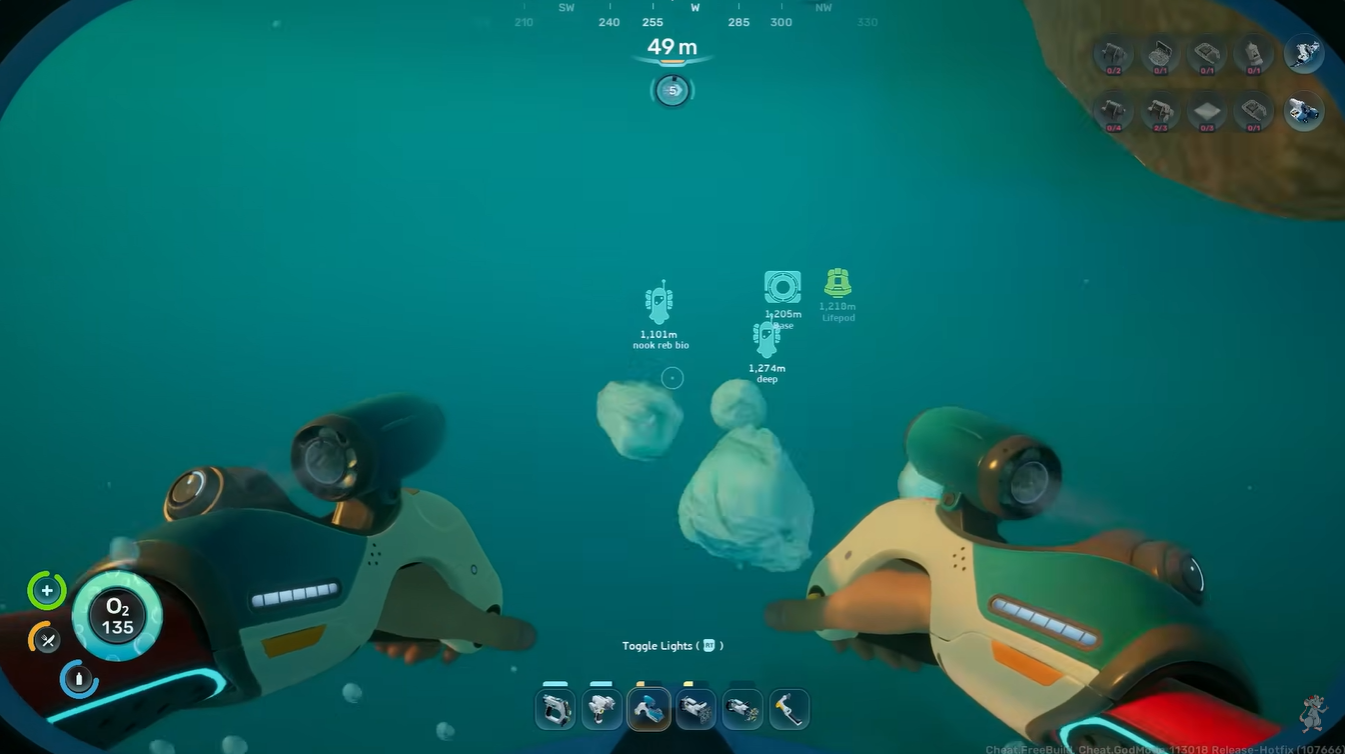
Swim to the landing area as soon as the egg reaches the seabed. The despawn timer is short, usually only lasting a couple of minutes.Collect the eggs immediately and store them safely in your base containers before continuing exploration.
Why you should avoid using all Deepwing Eggs as food
At the moment, one of the primary known uses for Deepwing Eggs is crafting Pavlova, a food item that provides decent nourishment benefits. However, many experienced players strongly recommend keeping a reserve stockpile instead of consuming everything you find.
Because Subnautica 2 is still evolving through updates and Early Access changes, rare biological materials often receive additional crafting purposes later in development. Deepwing Eggs already feel like a progression-sensitive resource, so storing at least 10 eggs is considered a smart precaution.
| Recommended Usage | Priority |
|---|---|
| Future crafting reserve | High |
| Food crafting | Medium |
| Selling/disposal | Not recommended |
Best preparation before hunting Deepwing Eggs
Deepwing farming works best when you already have decent mobility and storage upgrades. Since the eggs despawn quickly, fast traversal tools are extremely valuable.
Players typically have the easiest time farming these eggs with:
| Helpful Equipment | Benefit |
|---|---|
| High Capacity Air Tank | Longer tracking time |
| Fast Seaglide or vehicle | Faster collection |
| Beacon markers | Mark landing zones |
| Portable storage | Quick inventory management |
If you plan to farm multiple eggs in one trip, placing temporary beacons around active patrol routes can dramatically reduce search time during future runs.
The entire mechanic is heavily based on patience and visual tracking rather than combat or exploration difficulty. Once you learn how the falling pattern works, collecting Deepwing Eggs becomes surprisingly reliable. The key is recognizing the sound cue early, identifying the correct Leviathan, and tracking the straight downward movement of the glowing blue orb before it disappears.