- What to know
- How to find the Deepwing Brooder location
- Why daytime matters for this search
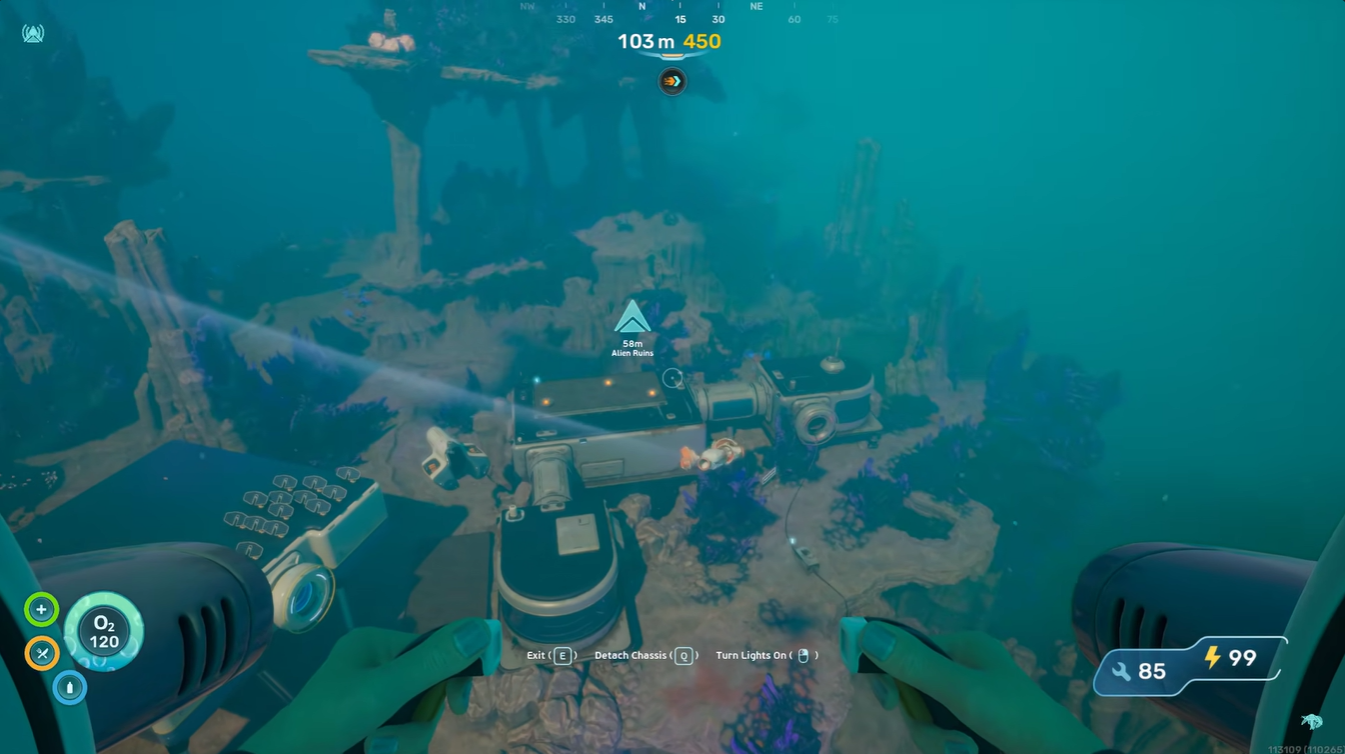
- What the alien ruins wreckage area looks like
- How to spot the Deepwing Brooder faster
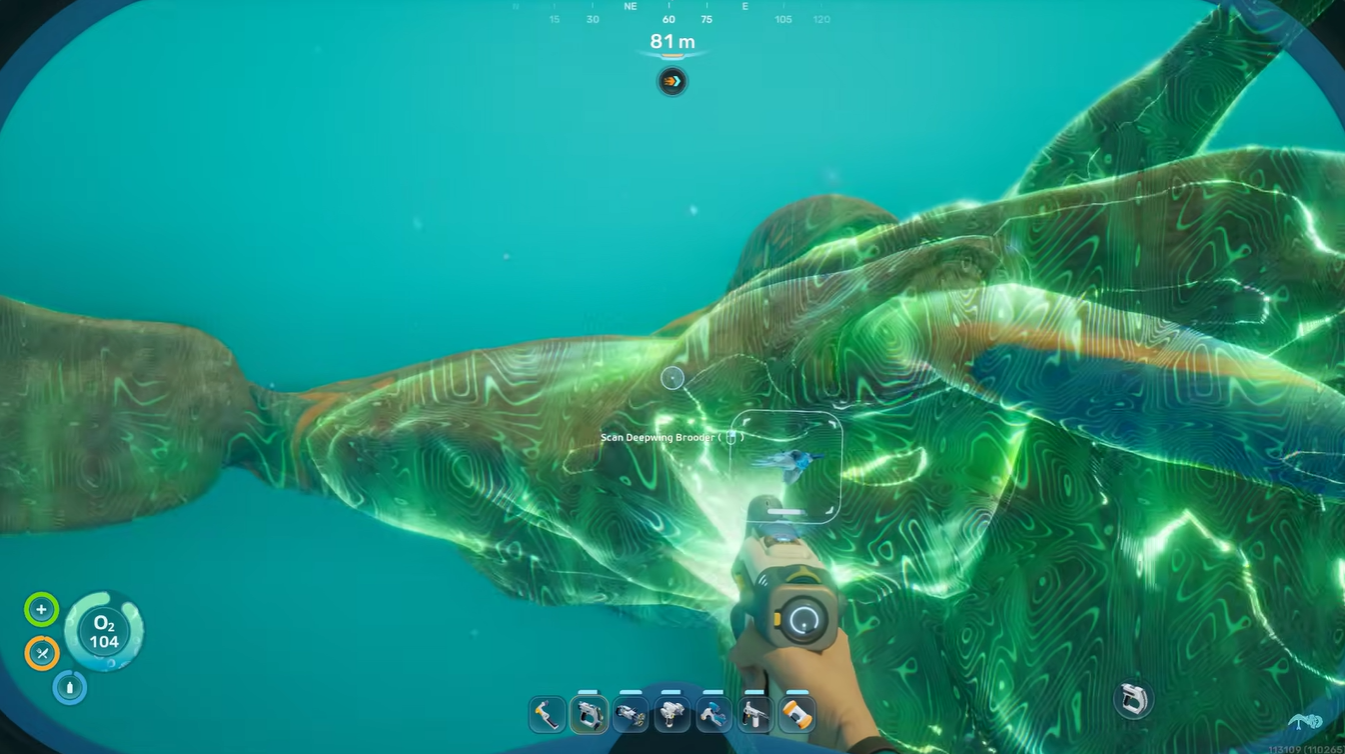
- What makes this leviathan unique
- Recommended equipment before heading east
- Dangers near the Deepwing Brooder
- Why you should visit this location
What to know
- Travel roughly 1200–1400m east from the starting lifepod to find the Deepwing Brooder.
- The spawn is much easier to spot during daytime because of improved deep-water visibility.
- The creature floats above the alien ruins wreckage biome rather than directly on the seabed.
- This is considered one of the most reliable currently known Deepwing Brooder spawn locations.
The Deepwing Brooder has one of the more consistent spawn locations currently discovered in Subnautica 2 Early Access. Players searching random trench systems often miss it because the leviathan does not patrol near the sea floor. Instead, it drifts high above the alien ruins wreckage zone in deep open water.
| Quick Overview | Details |
|---|---|
| Creature | Deepwing Brooder |
| Distance from Lifepod | 1200–1400 meters |
| Direction | East |
| Best Time to Search | Daytime |
| Main Landmark | Alien ruins wreckage |
| Spawn Position | Floating above the biome |
| Threat Level | Moderate environmental danger |
How to find the Deepwing Brooder location
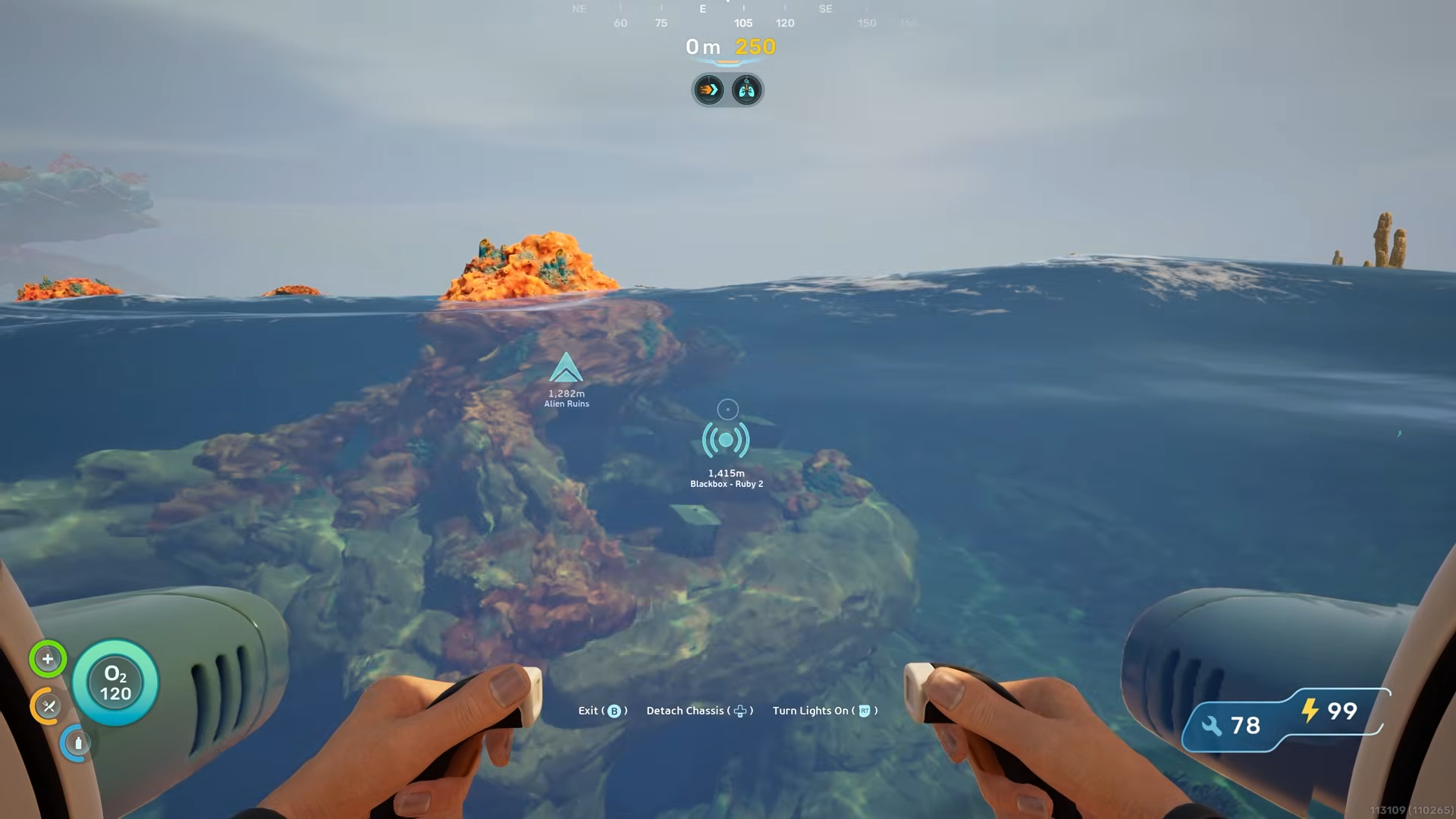
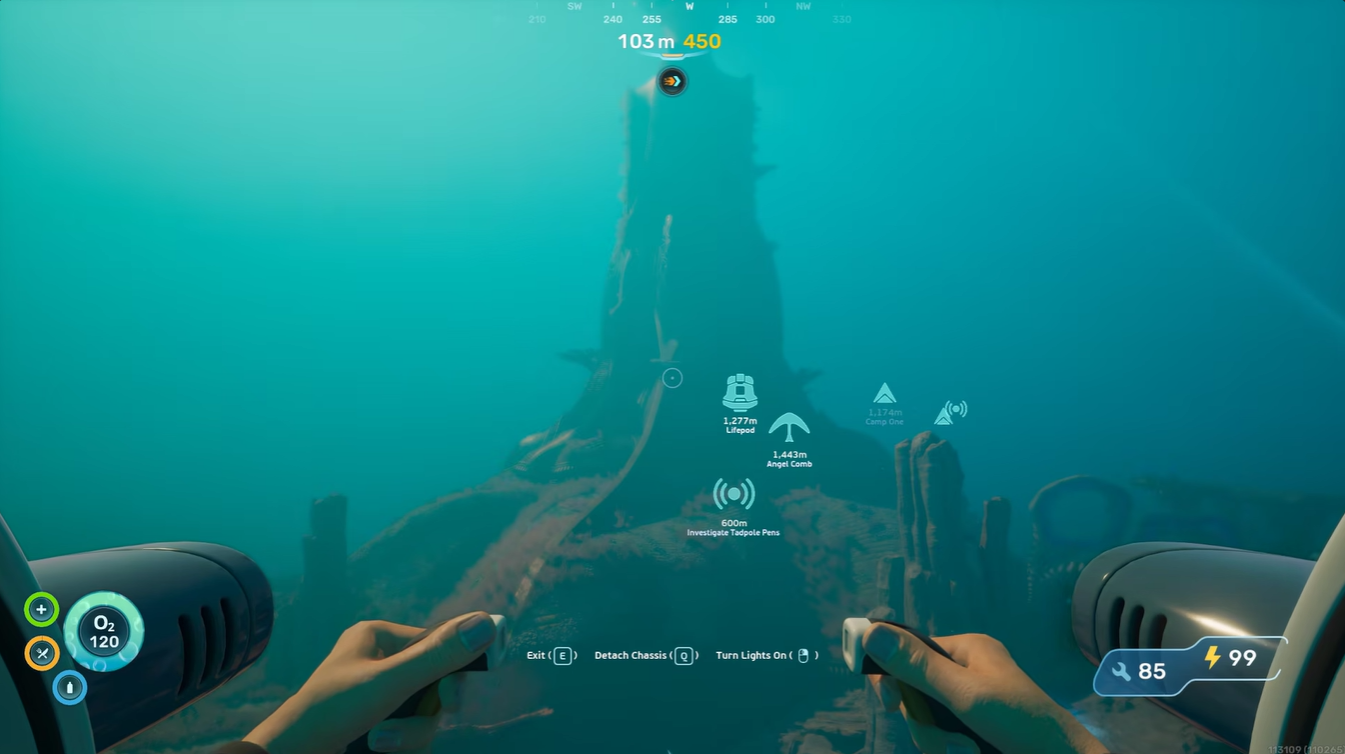
The easiest way to locate the creature is by using the starting lifepod as your reference point and traveling directly east. Once you move beyond the safer early-game zones, the terrain gradually opens into deeper water and ruined alien structures begin appearing below.
As you approach the 1200–1400 meter range, you should start seeing the large alien wreckage area underneath the open abyss. The Deepwing Brooder usually patrols above this region rather than inside the ruins themselves.
Why daytime matters for this search
Although the biome remains dark because of the depth, daytime significantly improves long-distance visibility in the surrounding water. During nighttime, the creature blends into the dark ocean extremely well, making it easy to swim directly past it.
The Deepwing Brooder’s silhouette becomes much easier to identify during daylight cycles because of:
- Better contrast against abyss water
- Easier visibility of floating eggs
- Improved spotting distance
- More visible movement patterns
If you arrive at night, it is often worth waiting before starting your search.
What the alien ruins wreckage area looks like
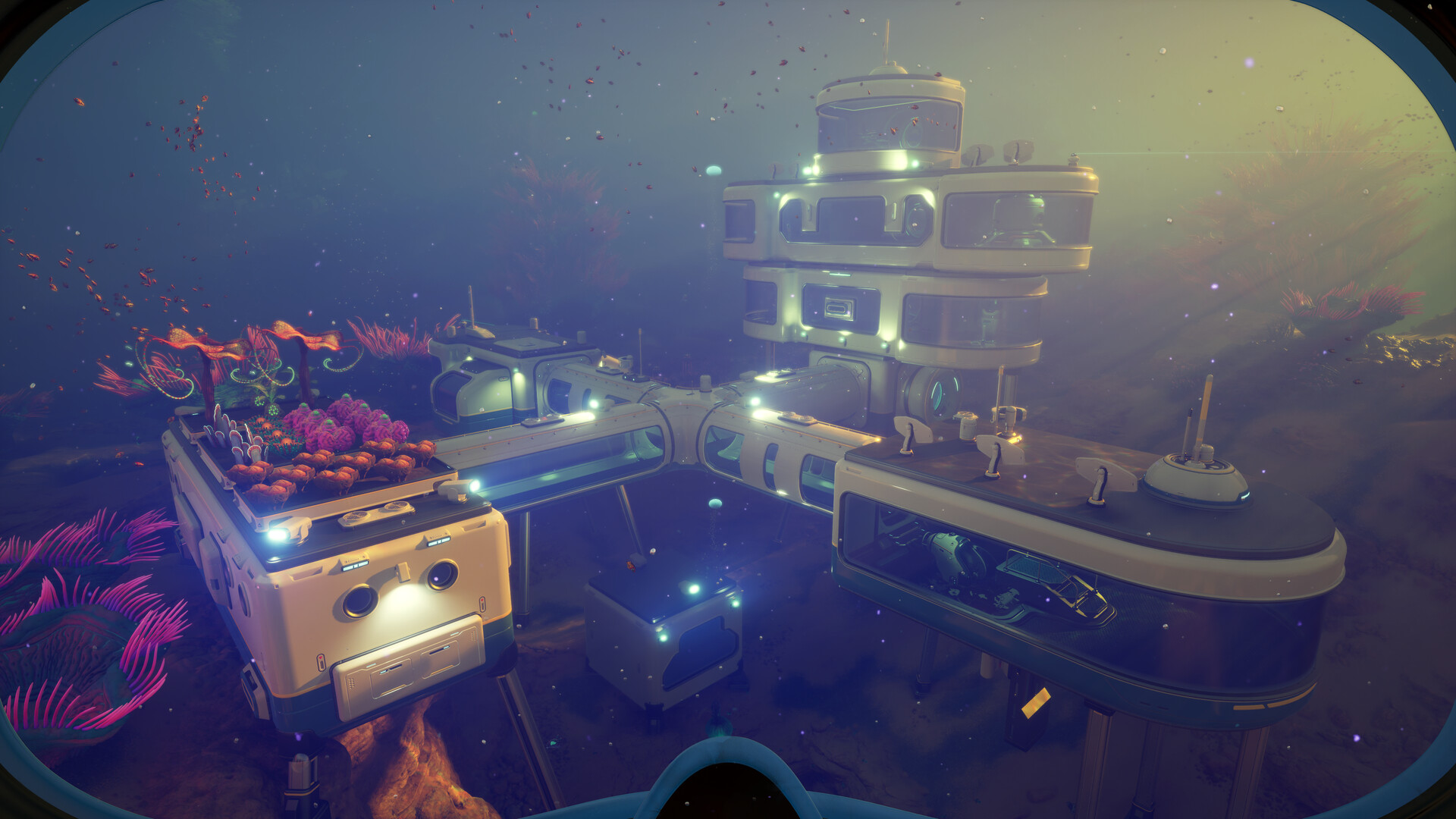
The surrounding biome contains large destroyed alien structures, metallic debris, broken platforms, and deep open-water gaps. The area feels noticeably different from standard resource biomes because the terrain is more vertical and sparse.
| Landmark Feature | Description |
|---|---|
| Alien Structures | Broken architectural ruins |
| Open Water Columns | Massive empty vertical spaces |
| Floating Debris | Wreckage suspended in water |
| Abyss Drop-offs | Extremely deep trenches nearby |
| Low Natural Light | Dark blue visibility conditions |
The Deepwing Brooder generally circles slowly above these structures in open water.
How to spot the Deepwing Brooder faster
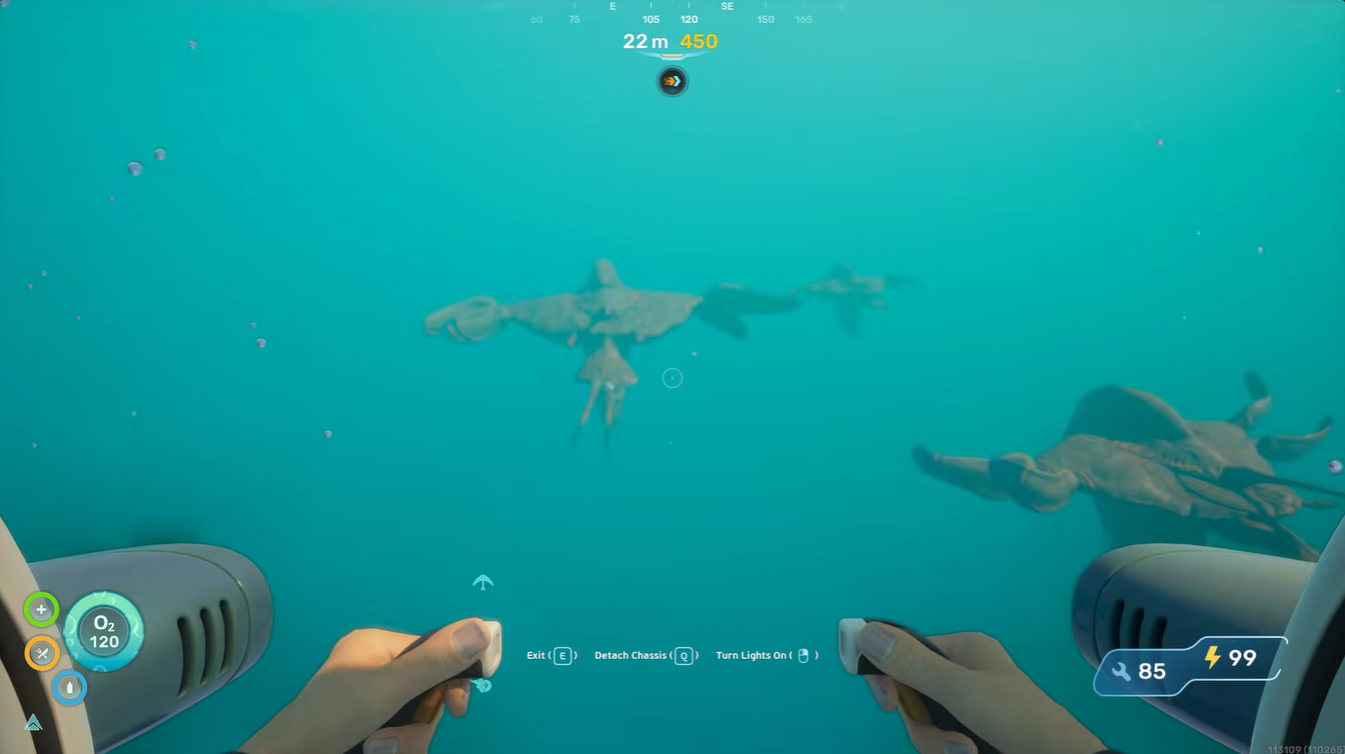
The creature is massive but surprisingly difficult to notice because of its slow movement and dark coloration. Instead of scanning the sea floor, focus your camera upward and outward into open water.
Watch for movement overhead
One of the easiest identifiers is its drifting motion above the alien wreckage. Unlike predators that patrol aggressively, the Deepwing Brooder moves slowly and steadily.
Look for floating egg clusters
The creature frequently leaves behind oily floating eggs or decoy sacs in the surrounding water. These are often easier to notice than the creature itself.
Stay above the ruins
Most players searching inside the alien wreckage completely miss the Brooder because it patrols higher in the water column.
What makes this leviathan unique
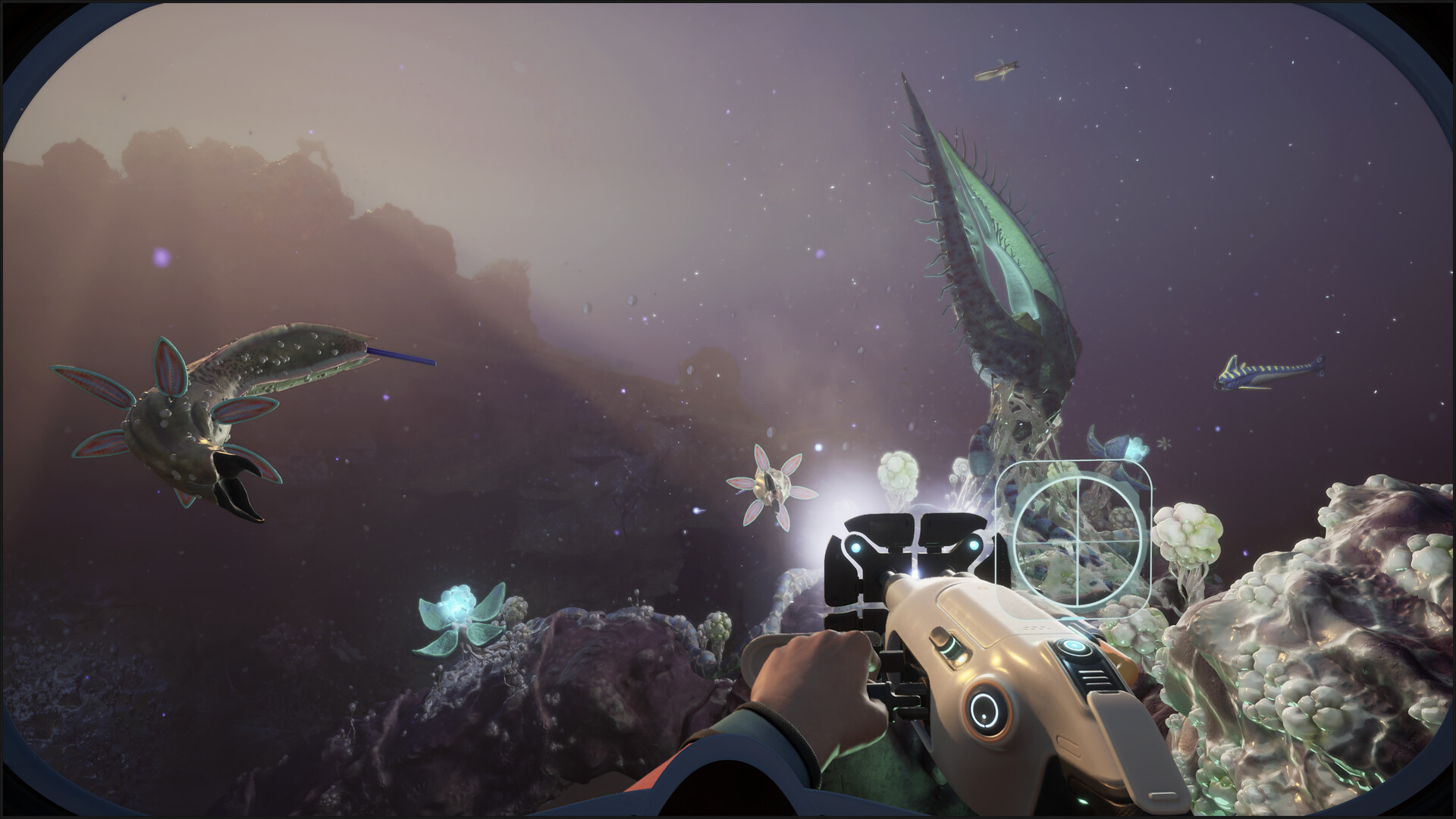
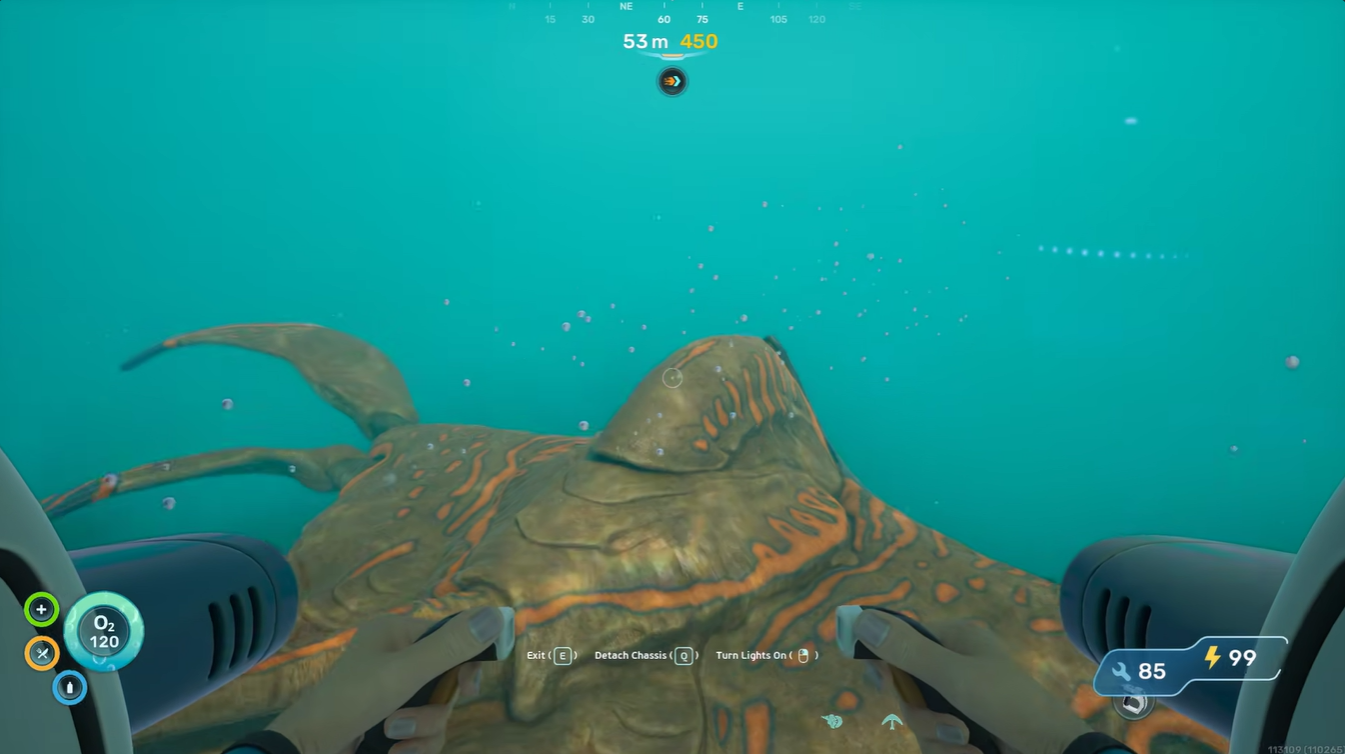
The Deepwing Brooder behaves differently from most large Subnautica predators. It appears to function more like a biological carrier organism than an active hunter.
| Behavior | Details |
|---|---|
| Aggression | Mostly passive |
| Movement Style | Slow drifting |
| Main Ability | Releases decoy eggs |
| Habitat | Deep open-water ruins |
| Encounter Style | Environmental leviathan |
Because of this, the creature creates a much more atmospheric encounter compared to aggressive leviathans.
Recommended equipment before heading east
Since the location is far from the lifepod and deep underwater, preparation matters heavily.
| Recommended Gear | Purpose |
|---|---|
| High Capacity Air Tank | Longer survival underwater |
| Depth Module Upgrades | Safe deep exploration |
| Portable Oxygen Generator | Emergency oxygen refill |
| Scanner Station | Easier navigation |
| Floodlights | Better deep-water visibility |
| Repair Tool | Vehicle maintenance |
Vehicles with stronger lighting systems help considerably in this biome.
Dangers near the Deepwing Brooder
Even though the Brooder itself is usually passive, the surrounding area remains dangerous because of nearby abyss fauna and difficult terrain.
The biggest risks include:
- Deep-water predators
- Poor visibility
- Navigation loss
- Vehicle crush depth
- Oxygen management problems
The alien ruins biome is designed as a later exploration zone, so newer players may struggle without upgraded equipment.
Why you should visit this location
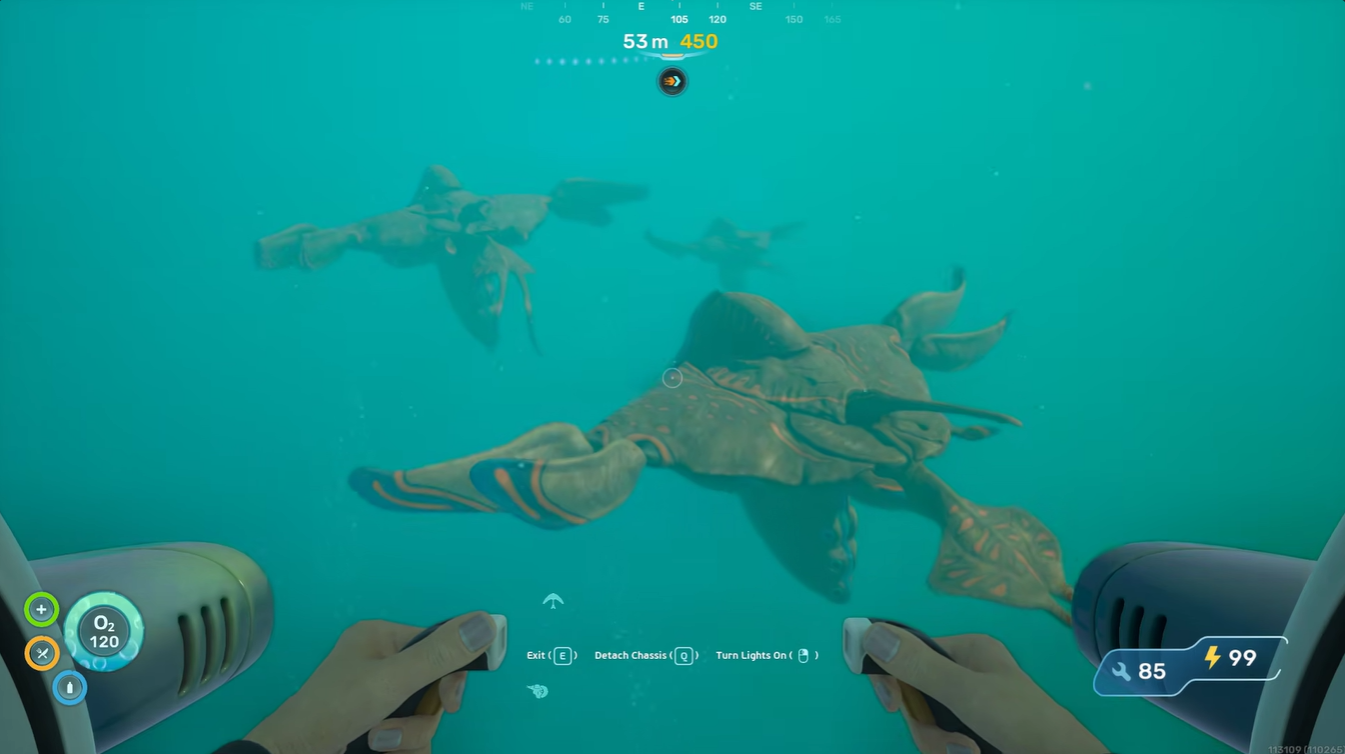
Many players search for the Deepwing Brooder because it is one of Subnautica 2’s most visually memorable creatures so far. The combination of giant floating leviathans, abandoned alien structures, and massive open-water environments creates one of the game’s strongest exploration moments.
The biome surrounding the creature also contains valuable exploration opportunities, including hidden wreckage, rare materials, and future lore-related discoveries.
The currently known Deepwing Brooder spawn near the alien ruins wreckage is one of the most reliable leviathan encounters in Subnautica 2. By heading east from the lifepod and searching during daytime, you can consistently locate the creature floating high above the deep alien structures below.