The New York Times Connections puzzle challenges players to sort 16 seemingly unrelated words into four connected groups. Each group shares a hidden link. Today’s grid blends physical actions, clever rearrangements, and nostalgic references, making it both playful and slightly deceptive. Below you’ll find gentle hints to guide your thinking, followed by the complete solutions once you’re ready to check your work.
NYT Connections Puzzle Overview: 10 May 2026
Today’s Connections grid leaned heavily on familiar everyday words, but the challenge came from figuring out how those words shifted meaning depending on context. Solvers likely spotted the music-themed words quickly, while the more abstract and metaphorical categories demanded extra thought before the final connections clicked into place.
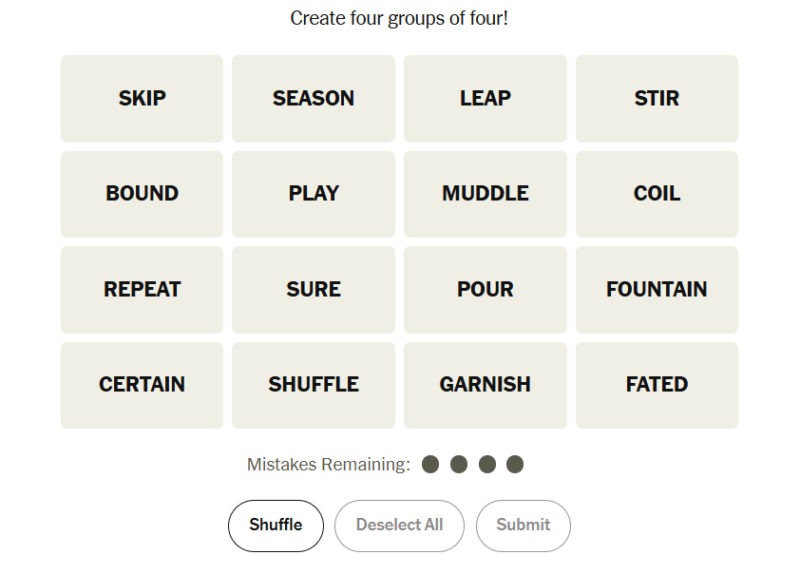
NYT Connections Hints: 10 May 2026
Category 1:
- Think about controls found on a digital entertainment device.
- These words are usually tapped or clicked.
- You would commonly see these symbols on a playlist screen.
- Every word relates to listening flow.
Category 2:
- This group focuses on certainty about the future.
- All four words suggest inevitability.
- These terms are often used dramatically in stories or speeches.
- Think of expressions connected to destiny.
Category 3:
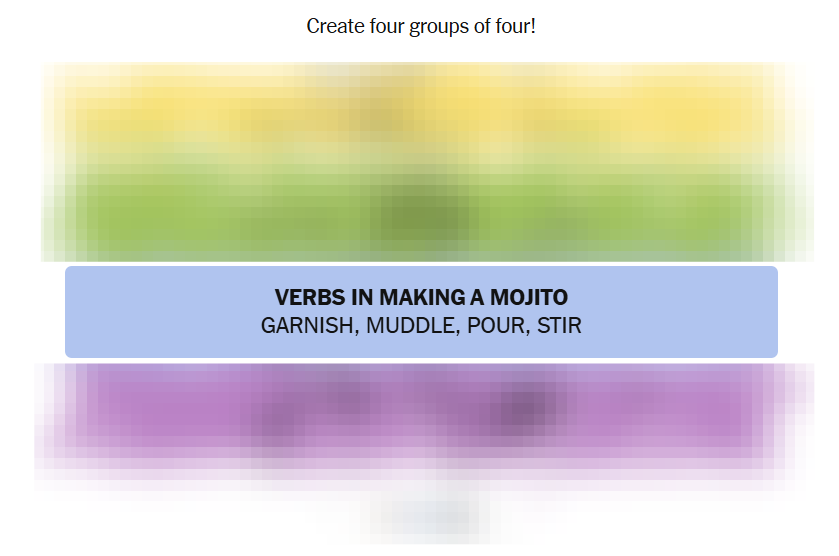
- Picture someone preparing a refreshing mixed drink.
- These are all action words.
- Each term describes a step during beverage preparation.
- One of the words involves combining ingredients gently.
Category 4:
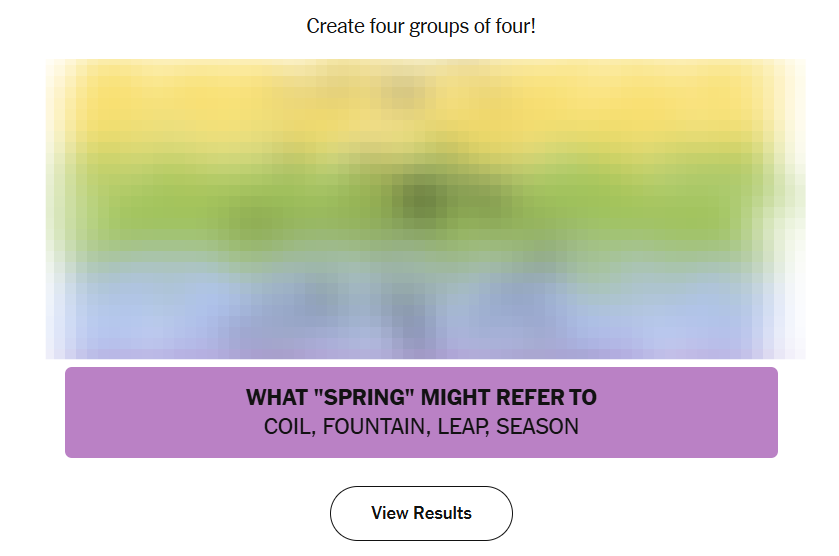
- One single word can have several very different meanings.
- This category revolves around a common seasonal term.
- Think mechanical objects, movement, and nature.
- Every answer could complete the same phrase.
NYT Connections Answers: 10 May 2026
Here are the answers, grouped by category.
Category 1:
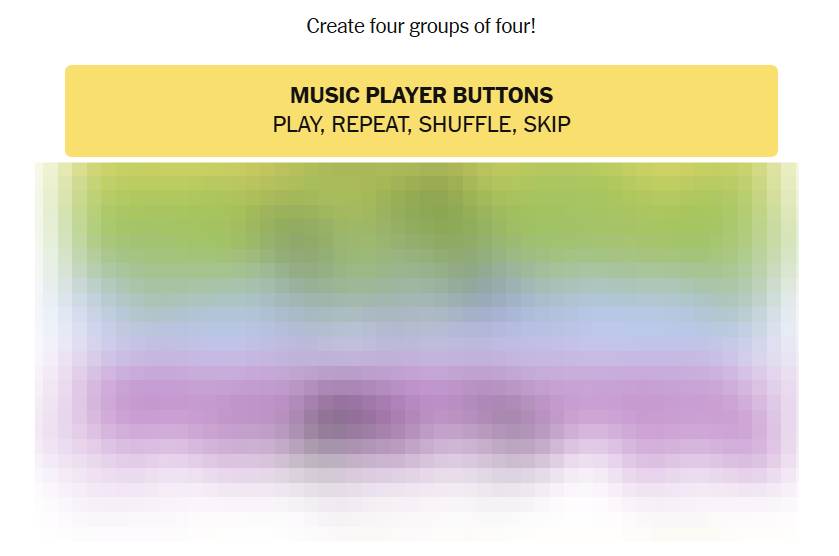
Category 2:
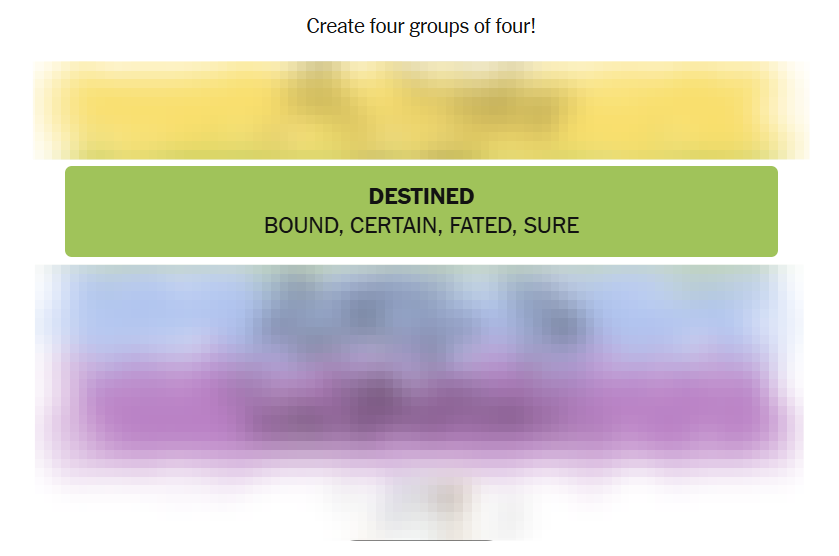
Category 3:
Category 4:
Conclusion & Quick Strategy Tip
The 10 May 2026 Connections puzzle balances straightforward action words with trickier conceptual links, making it satisfying once everything clicks. Quick strategy tip: lock in obvious verb groups early, then examine remaining words for structural patterns or shared cultural references.