The New York Times Connections puzzle challenges players to sort 16 seemingly unrelated words into four connected groups. Each group shares a hidden link. Today’s grid blends physical actions, clever rearrangements, and nostalgic references, making it both playful and slightly deceptive. Below you’ll find gentle hints to guide your thinking, followed by the complete solutions once you’re ready to check your work.
NYT Connections Puzzle Overview: 09 May 2026
Today’s Connections grid leaned heavily on language patterns and everyday objects, making it approachable at first but surprisingly deceptive once the overlap between clues appeared. Some groups felt instantly recognizable, while others required players to think about expressions and cultural references rather than direct definitions. It was the kind of puzzle that rewarded patience and careful elimination.
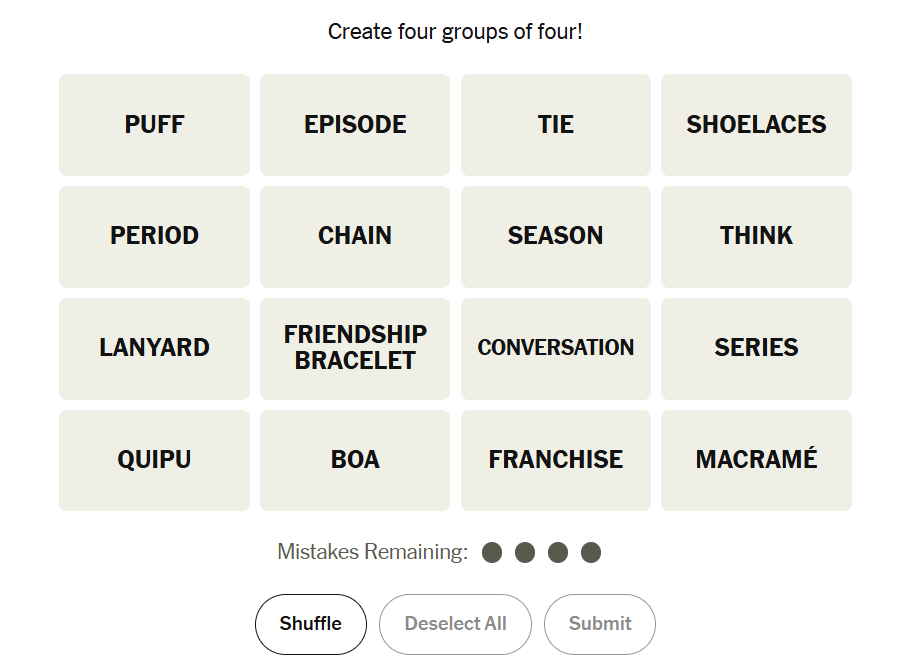
NYT Connections Hints: 09 May 2026
Category 1:
- Think about how long-running entertainment content is organized.
- These words often appear while browsing streaming platforms.
- Each one describes a different division of a television production.
- Fans discuss these often when following popular shows.
Category 2:
- All four items are commonly placed above the shoulders.
- Some are practical while others are decorative.
- One is frequently seen at workplaces or conventions.
- Formal events may involve one of these.
Category 3:
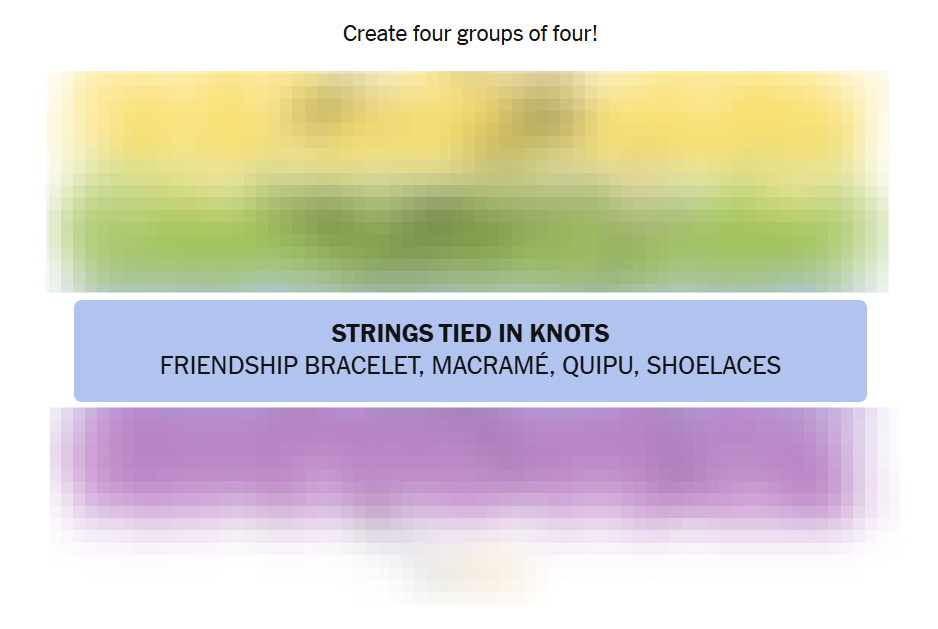
- These items involve cords or strings arranged in patterns.
- Knots play an important role in all four.
- One is linked to handmade crafts.
- Another is strongly associated with footwear.
Category 4:
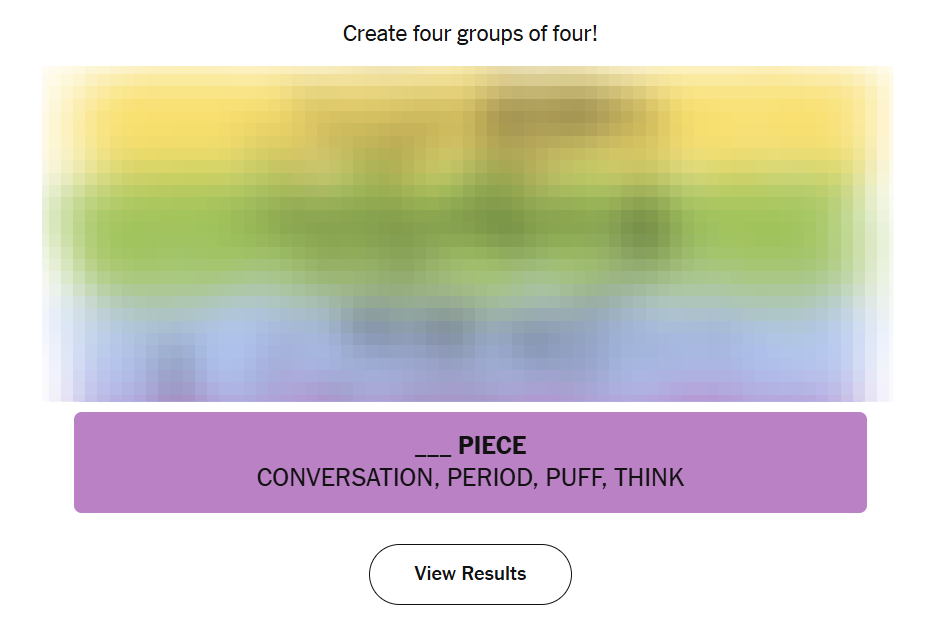
- Each word can appear before the same second word.
- The missing word creates a familiar phrase.
- One phrase relates to smoking.
- Another phrase involves deep reflection.
NYT Connections Answers: 09 May 2026
Here are the answers, grouped by category.
Category 1:
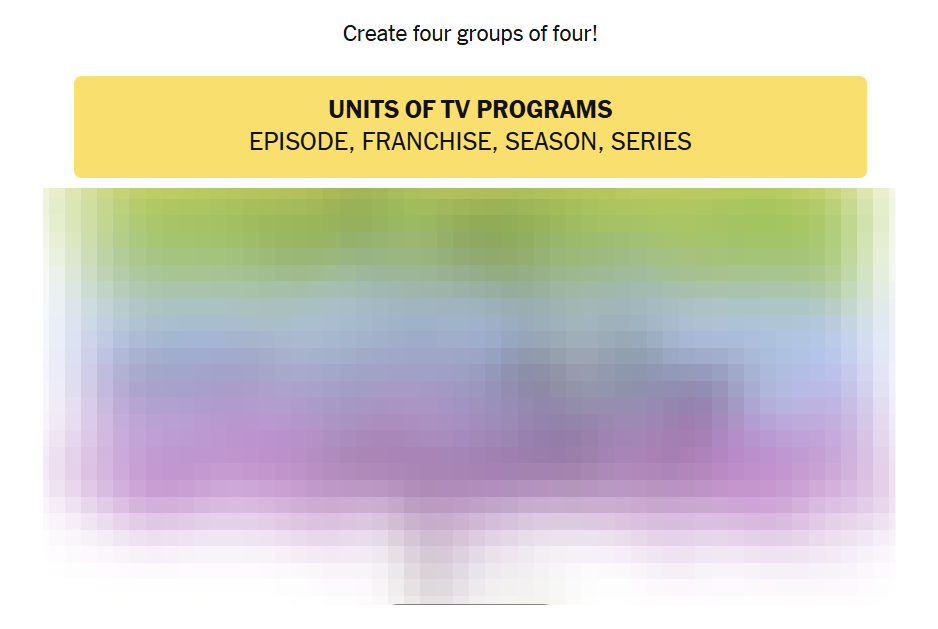
Category 2:
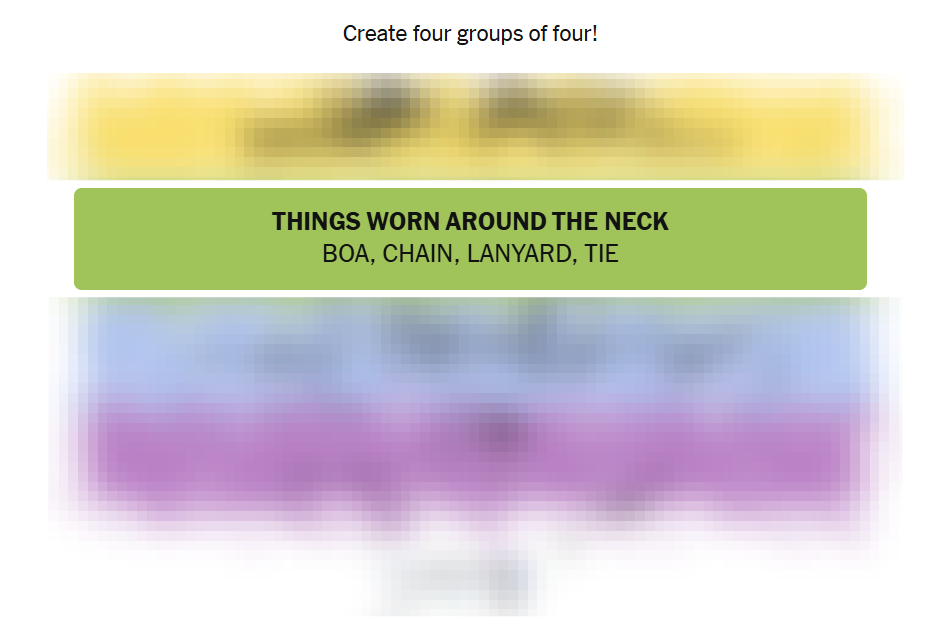
Category 3:
Category 4:
Conclusion & Quick Strategy Tip
The 09 May 2026 Connections puzzle balances straightforward action words with trickier conceptual links, making it satisfying once everything clicks. Quick strategy tip: lock in obvious verb groups early, then examine remaining words for structural patterns or shared cultural references.