The New York Times Connections puzzle challenges players to sort 16 seemingly unrelated words into four connected groups. Each group shares a hidden link. Today’s grid blends physical actions, clever rearrangements, and nostalgic references, making it both playful and slightly deceptive. Below you’ll find gentle hints to guide your thinking, followed by the complete solutions once you’re ready to check your work.
NYT Connections Puzzle Overview: 03 May 2026
Today’s puzzle leaned on recognizable themes but required careful interpretation to avoid traps. Some categories felt intuitive at first glance, while others depended on broader knowledge or abstract associations. Solvers likely found early wins before hitting a slightly trickier final grouping.
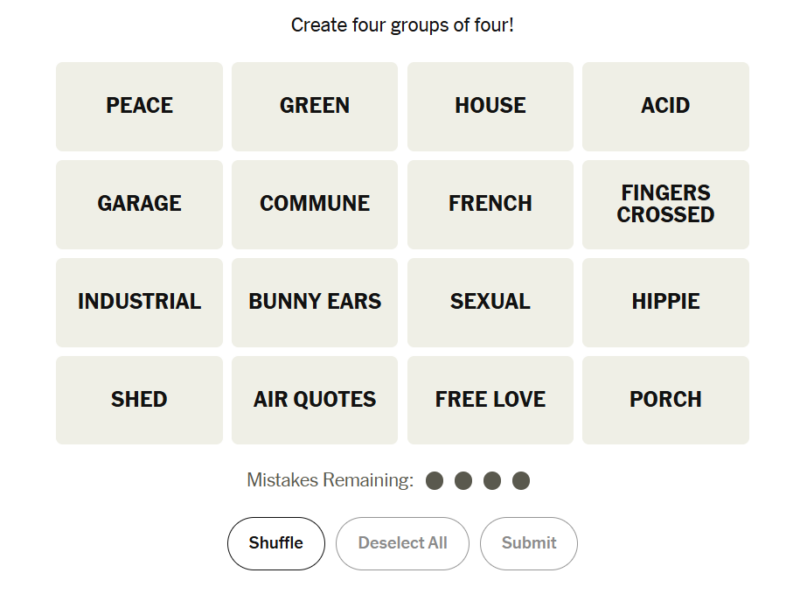
NYT Connections Hints: 03 May 2026
Category 1:
- Think of parts or areas commonly found around a residence
- These are physical spaces, not objects inside
- Often separate but related to a main building
- Everyday terms tied to where people live
Category 2:
- A cultural movement from a specific decade
- Associated with rebellion and alternative lifestyles
- Think social change and unconventional living
- Keywords tied to peace, love, and experimentation
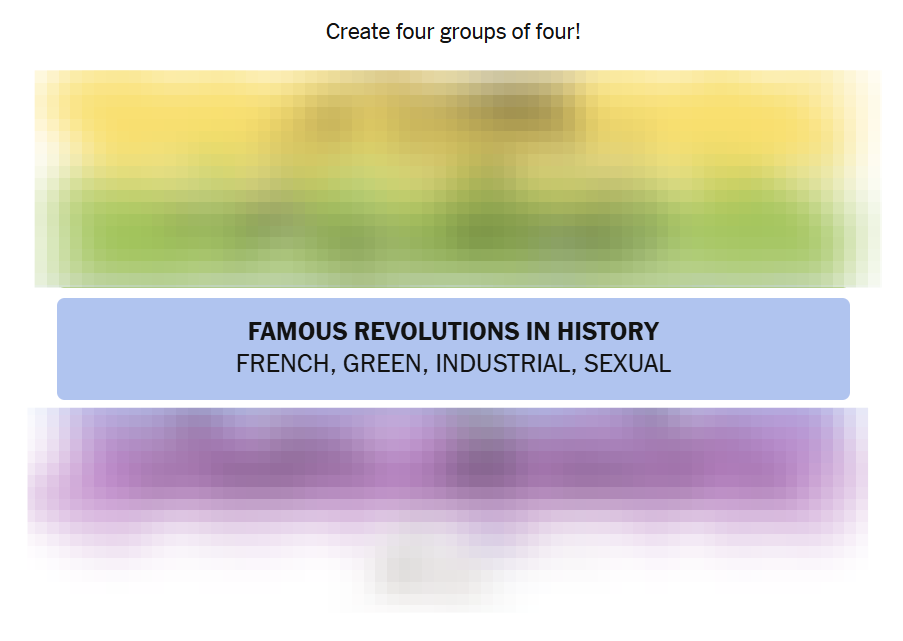
Category 3:
- Major turning points in global or societal history
- Each word completes a well-known phrase
- Think large-scale change or transformation
- Often studied in textbooks
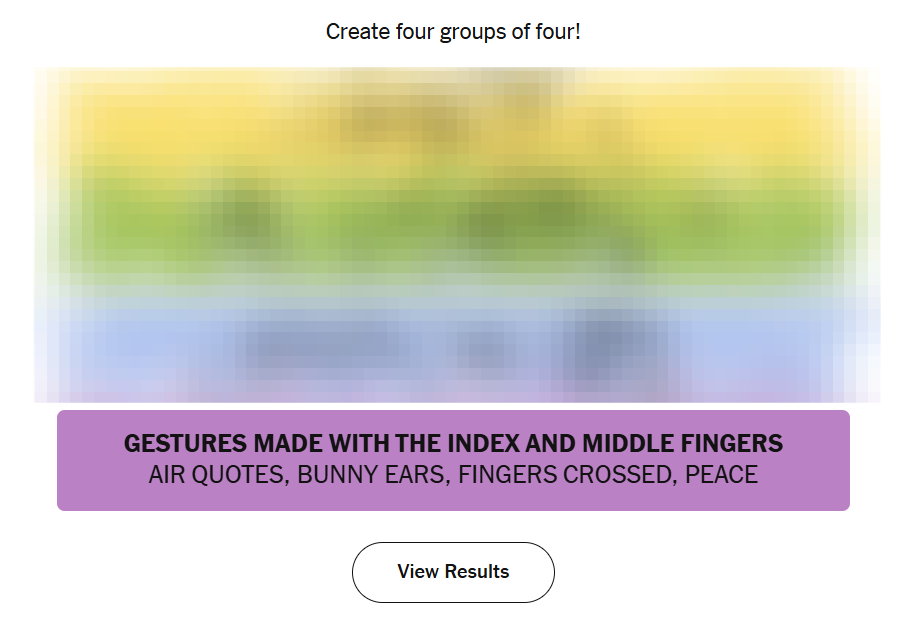
Category 4:
- Non-verbal expressions using specific fingers
- Often playful or symbolic
- Common in casual communication or photos
- Think gestures you can make with one hand
NYT Connections Answers: 03 May 2026
Here are the answers, grouped by category.
Category 1:
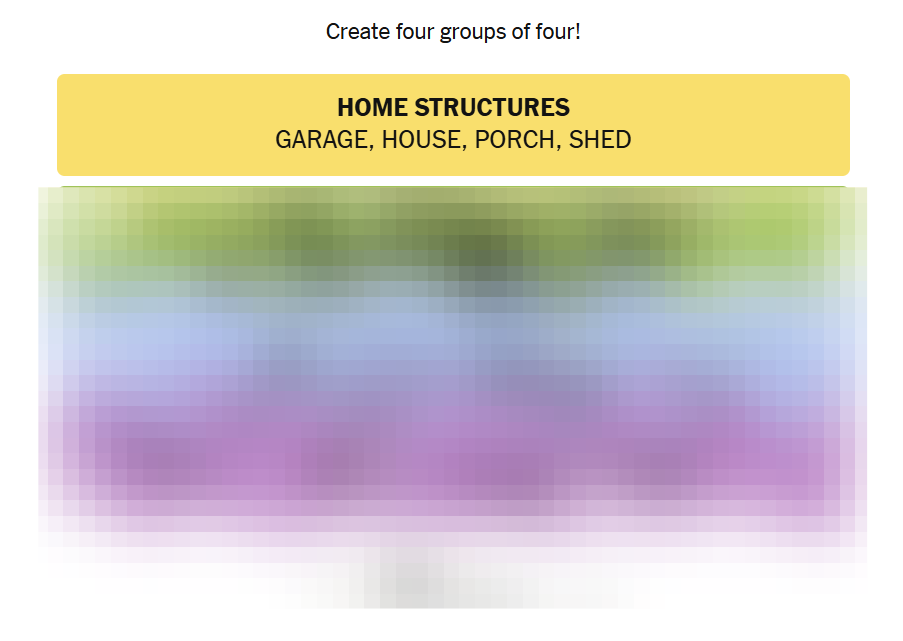
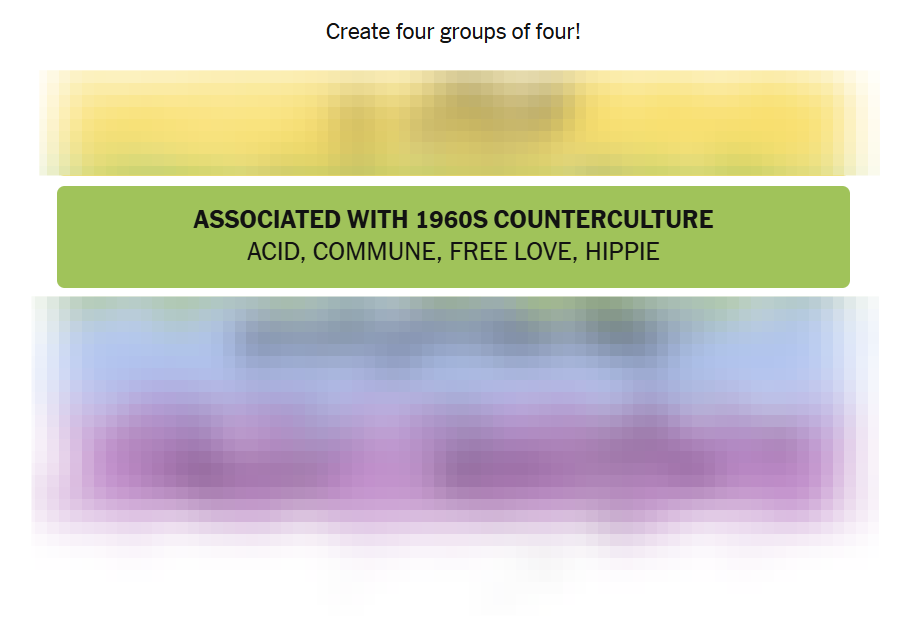
Category 2:
Category 3:
Category 4:
Conclusion & Quick Strategy Tip
The 03 May 2026 Connections puzzle balances straightforward action words with trickier conceptual links, making it satisfying once everything clicks. Quick strategy tip: lock in obvious verb groups early, then examine remaining words for structural patterns or shared cultural references.