- What to know
- Quick overview of relationship levels and color system
- How relationships begin and transition from strangers
- How friendship levels develop through color intensity
- How the game uses detailed level labels behind the scenes
- How romance introduces a different color spectrum
- Marriage and the peak of relationship stability
What to know
- Every Mii begins as a stranger and builds relationships through interaction.
- Relationships fall into categories like acquaintances, friends, sweethearts, and spouses.
- Each relationship has multiple internal levels tied to emotional strength.
- Color coding visually represents how positive or negative a relationship is.
Relationships are the foundation of Tomodachi Life: Living the Dream, shaping everything from daily interactions to long-term outcomes like marriage and children. As you spend time on your island, you’ll notice that every connection evolves dynamically, influenced by conversations, personality compatibility, and random events.
Quick overview of relationship levels and color system
| Relationship Type | Level Range | Emotional Strength | Color Indicator | Interpretation |
|---|---|---|---|---|
| Stranger | None | Neutral | No color | No connection |
| Acquaintance | Early | Very low | Neutral / faint | Just met |
| Friend | Mid | Growing | Light green | Positive bond |
| Best Friend | High | Strong | Dark green | Deep trust |
| Crush / One-sided | Variable | Unstable | Light pink | Early romance |
| Sweetheart | High | Strong | Pink → Red | Active relationship |
| Spouse | Maximum | Stable | Deep red | Fully committed |
| Negative states | Declining | Low | Blue / dull tones | Conflict or dislike |
How relationships begin and transition from strangers
Every Mii on your island starts with a “stranger” status toward others, meaning no interaction has taken place. This stage has no color because there is no emotional value assigned yet.
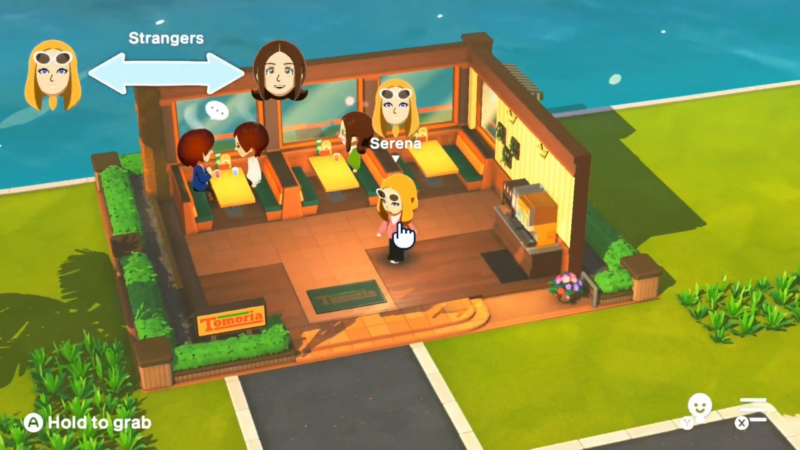
Once two Miis meet for the first time, they immediately become acquaintances. This transition is subtle but important, as it unlocks the ability for the relationship to grow further. At this point, the color system remains faint or neutral, reflecting the lack of emotional depth.
How friendship levels develop through color intensity
Friendships in the game are not fixed tiers but a continuous scale of emotional strength. As interactions improve, the relationship shifts into the friend category, and you begin to see green tones appear.
Light green represents a casual and developing friendship, while darker green signals a stronger and more meaningful bond. The deeper the green, the more stable and positive the relationship becomes, often leading to more frequent interactions and shared moments.
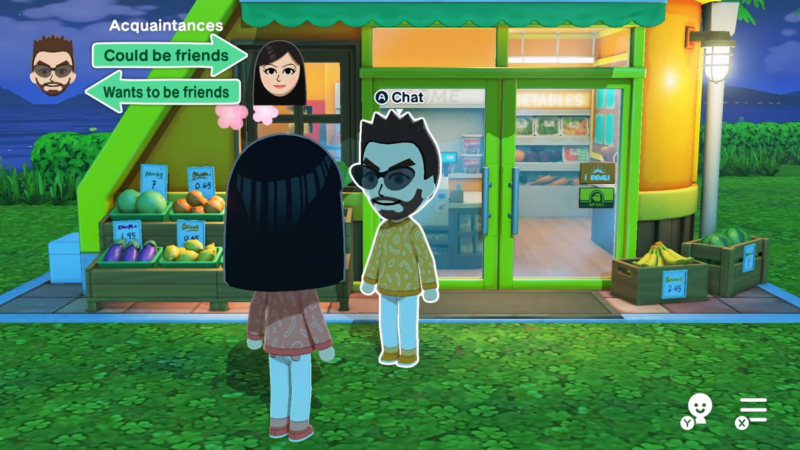
At the highest end, Miis become best friends, which is reflected by the richest green tones. These relationships are highly reliable and often influence other social dynamics on the island.
How the game uses detailed level labels behind the scenes
Behind the simple categories, the game tracks very specific relationship levels with descriptive labels. These can range from positive states like “great pal” or “best bud” to weaker ones like “getting along OK” or even “not getting along.”
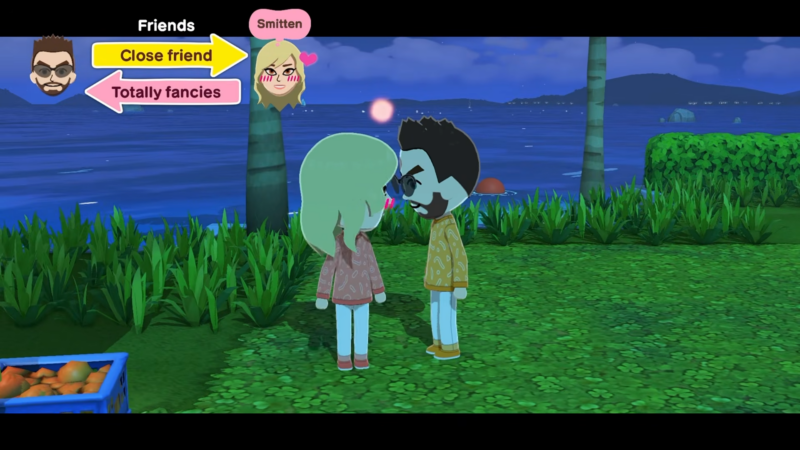
These labels are tied directly to color coding. Strong positive levels align with dark green shades, while weaker or strained relationships shift toward neutral, orange, or even blue tones. This layered system allows the game to show both category and emotional nuance at the same time.
How romance introduces a different color spectrum
Romantic relationships follow a similar progression but use a completely different color palette. Instead of green, romance is represented through pink and red tones.
A crush or one-sided love situation often appears as a lighter pink, reflecting uncertainty and emotional imbalance. This phase is unpredictable, as the feelings may not be mutual.
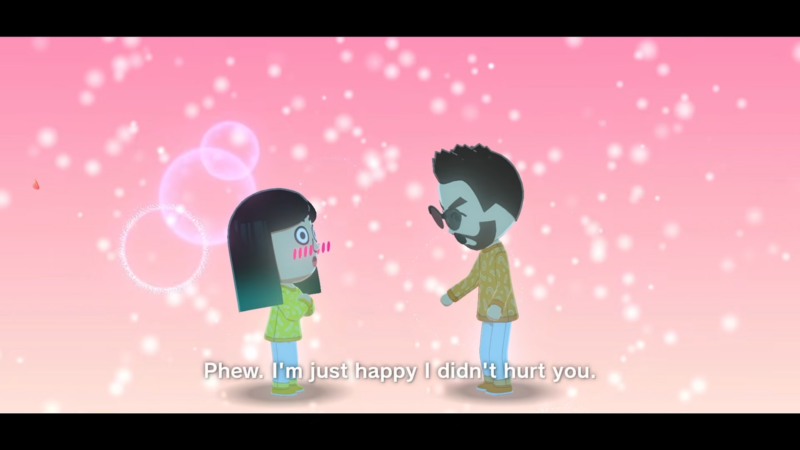
Once a confession succeeds, the relationship becomes official, and the color intensifies toward red. Stronger romantic bonds are shown through deeper red shades, indicating higher emotional commitment.
Marriage and the peak of relationship stability
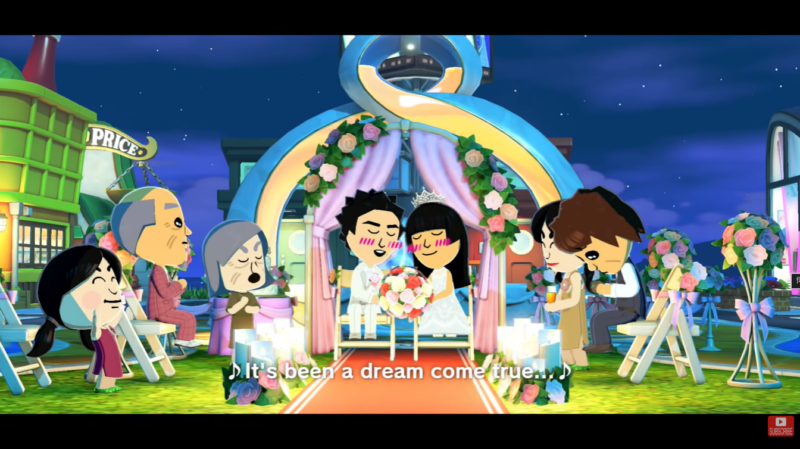
Marriage represents the highest possible relationship level in the game, both mechanically and visually. At this stage, the color reaches a deep red, signaling maximum stability and emotional strength.
Married Miis share a home and can eventually have children, marking a long-term progression milestone. Unlike earlier stages, this relationship is far less volatile, and the color remains consistently strong unless major events occur.
Every relationship is driven by a hidden value that determines both its level and its color. Positive interactions increase this value, while negative ones reduce it.
Because of this system, two relationships labeled the same can feel very different depending on their color intensity. The color acts as a visual translation of the underlying emotional data, helping you quickly understand how strong or fragile a connection really is.