What to know
- Abyss Cells can be converted into seeds and grown into Abyss Trees.
- Farming at your camp is the most efficient long-term method.
- Each tree yields multiple cells with proper care and upgrades.
- This method works passively while you explore or complete quests.
If you are tired of endlessly farming enemies for Abyss Cells in Crimson Desert, this planting-based method completely changes how you approach progression. Instead of relying on combat RNG, you can build a sustainable resource loop that steadily produces Abyss Cells with minimal effort. Once set up, your farm becomes one of the most valuable systems in your entire camp.
Here is a quick overview of the Abyss Cell farming system:
| Aspect | Details |
|---|---|
| Resource Type | Abyss Cells |
| Farming Method | Planting Abyss Seeds → Growing Abyss Trees |
| Location | Camp Farm (Greymane Camp / Howling Hill) |
| Growth Time | ~3–7 in-game days |
| Yield per Tree | 3–5 Cells (more with boosts) |
| Best Use | Abyss Gear crafting & upgrades |
| Farming Style | Passive / Time-based |
How the Abyss Tree system works in your camp
The Abyss Tree system essentially lets you “plant” your resources and multiply them over time. Instead of consuming Abyss Cells immediately, you convert them into seeds, which grow into trees that yield even more cells. This introduces a strategic layer where patience and planning outperform constant grinding.
Your camp farm, unlocked early through progression, acts as the foundation of this system. The more plots you dedicate to Abyss Trees, the more exponential your gains become over time. This makes it ideal for players focusing on long-term gear optimization.
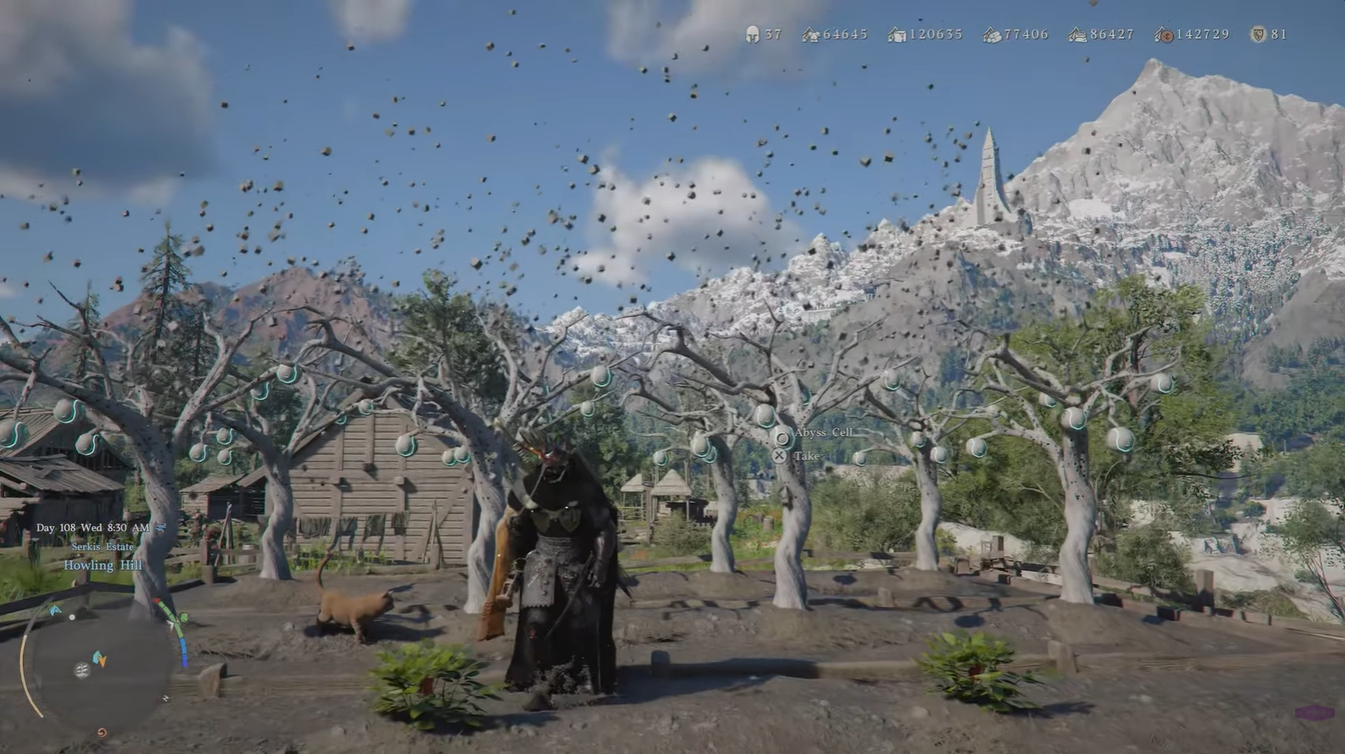
How to convert Abyss Cells into seeds and plant them
Step 1
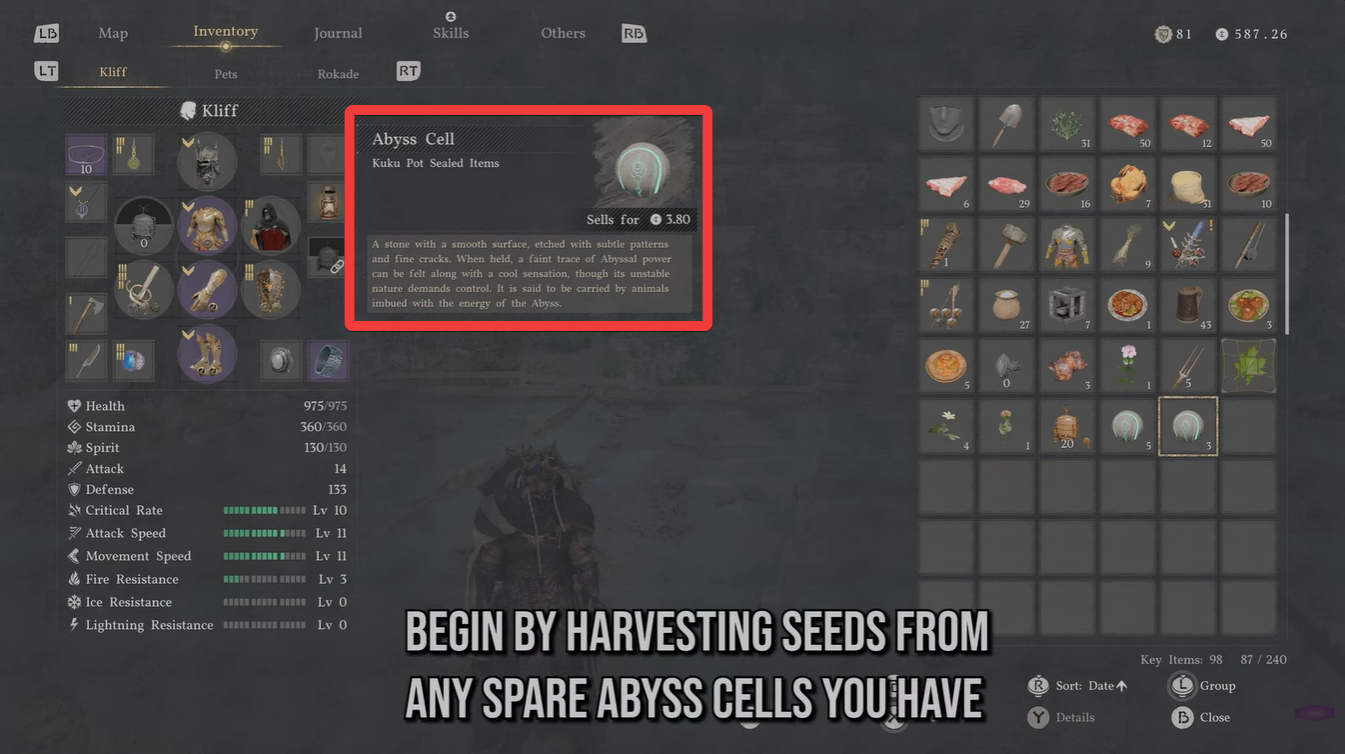
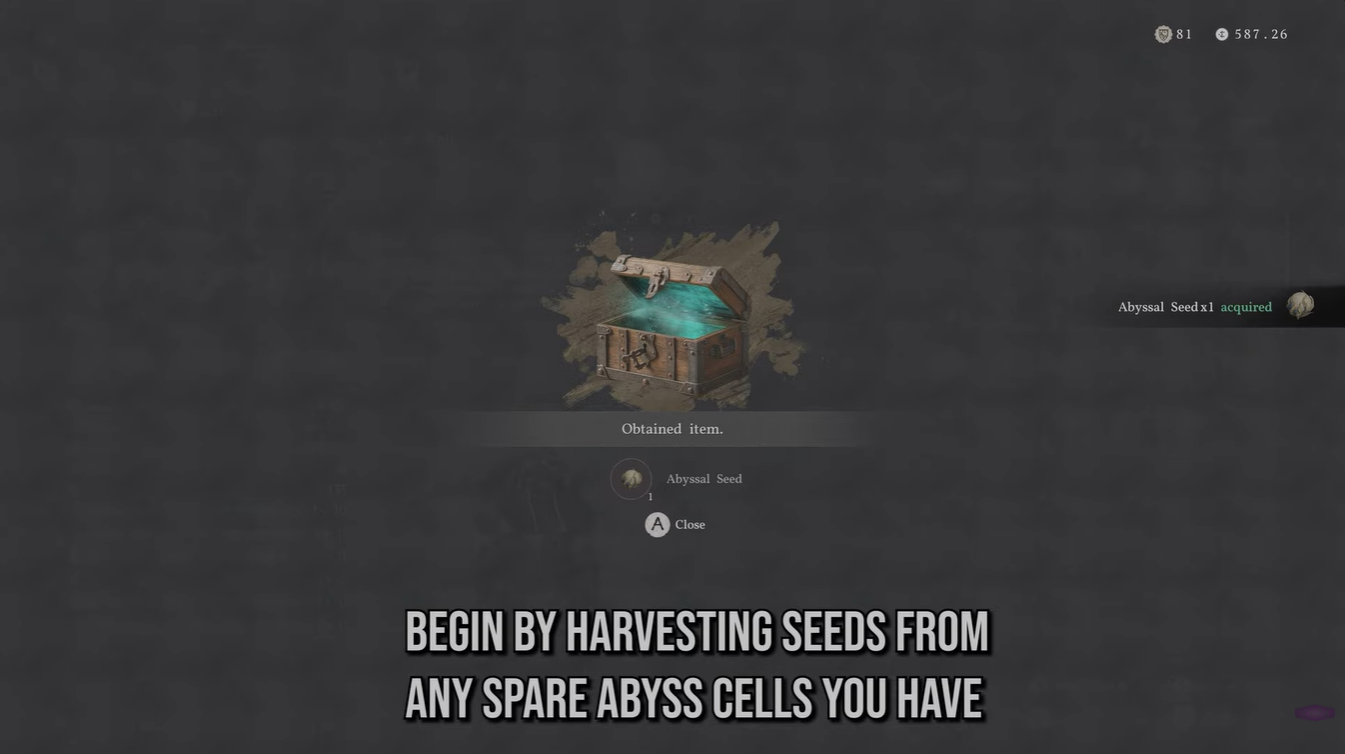
Open your inventory and locate an Abyss Cell. Use the item to convert it into an Abyss Seed (or Abyssal Seed). This step is crucial because seeds are the only way to begin farming.
Step 2
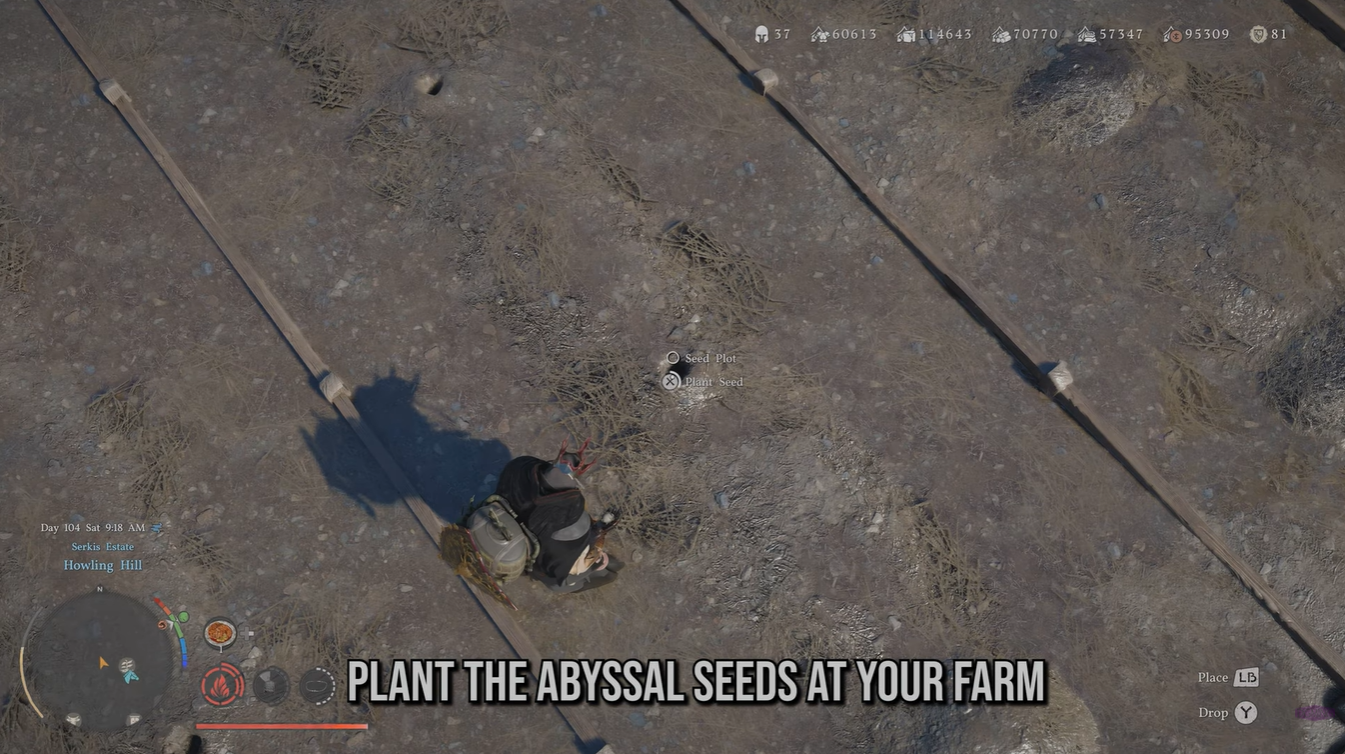
Travel to your camp farm area, typically found in Greymane Camp or Howling Hill depending on your progression. Make sure your farm plots are unlocked.
Step 3
Approach an empty farm plot and plant the Abyss Seed. Once planted, the seed begins its growth cycle automatically.
Step 4
Allow the tree to grow fully over 3–7 in-game days. You can continue playing normally while the growth progresses in the background.
Crimson Desert Abyss Cells farm process
Maximizing output is what separates a basic farm from a highly efficient one. With the right upgrades, your yield per tree can significantly increase.
Step 1
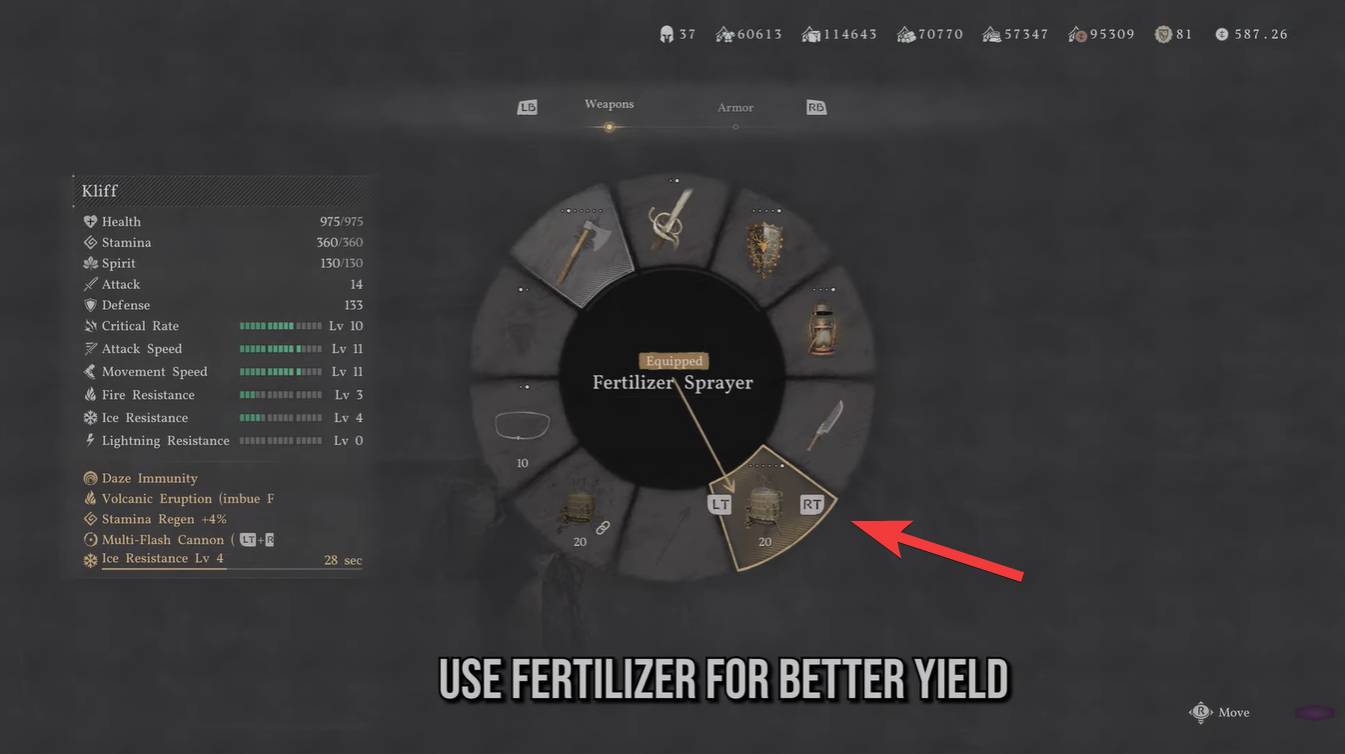
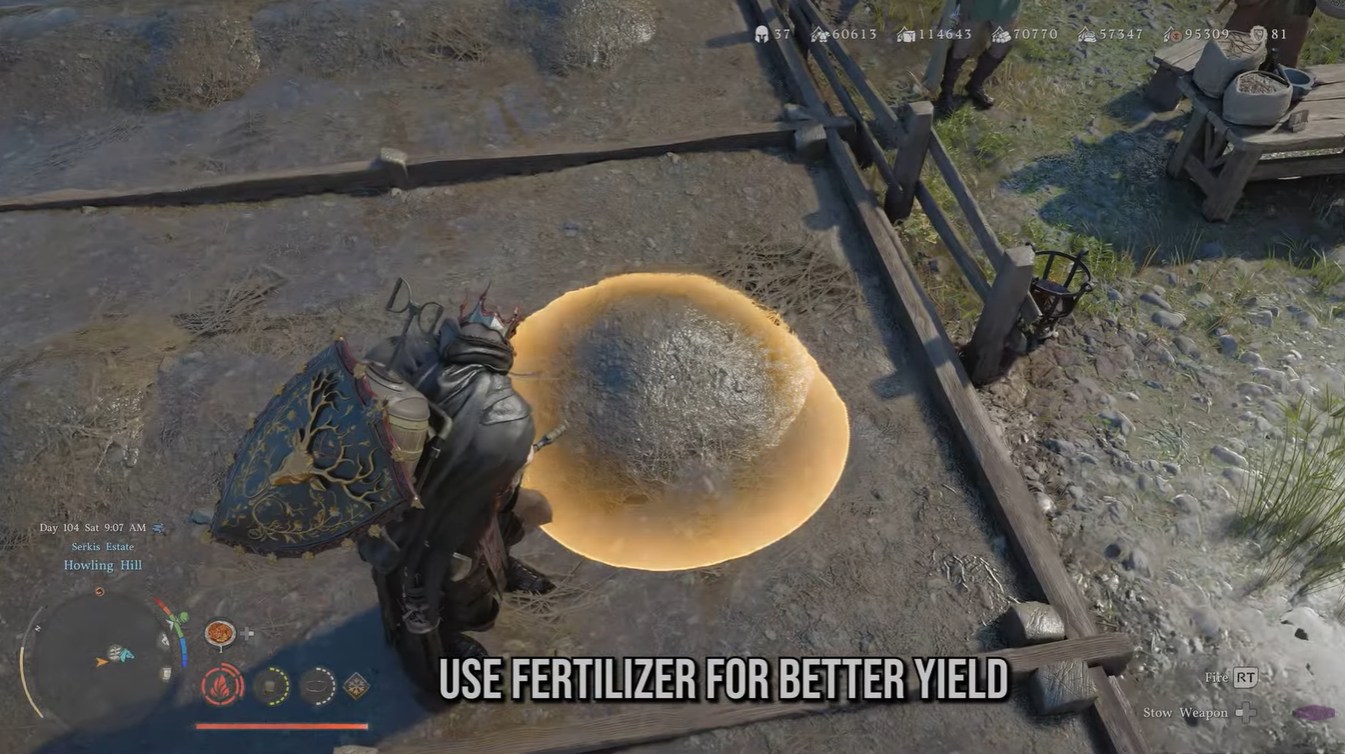
Unlock the Fertilizer Sprayer through camp research or upgrades. This tool is essential for boosting plant productivity.
Step 2
Apply fertilizer immediately after planting the seed. This increases the number of Abyss Cells produced when the tree matures.
Step 3
Water your crops if required using a water sprayer system. While not always mandatory, this can further optimize growth conditions.

Step 4
Scale your farm to at least 8–16 plots dedicated to Abyss Trees. This transforms your farm into a consistent, high-yield production system.
Harvesting and maintaining your farming loop
Step 1
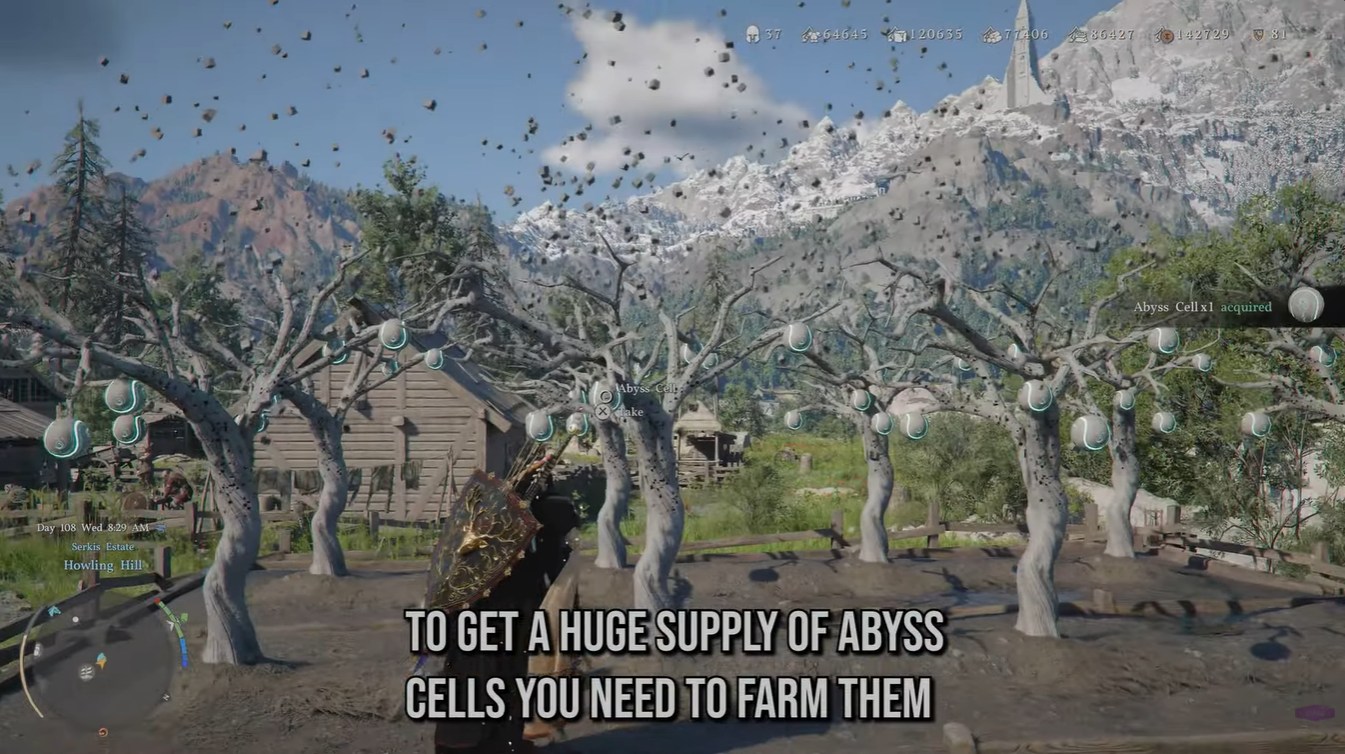
Return to your farm once the trees are fully grown. You will see mature Abyss Trees ready for harvesting.
Step 2
Harvest all available Abyss Cells from each tree. Expect around 3–5 cells per tree, with higher yields possible through optimization.
Step 3
Chop down the tree after harvesting. Abyss Trees only produce once per planting cycle.
Step 4
Immediately replant new Abyss Seeds to maintain continuous production. This ensures your farm never sits idle.
Estimated farming output per cycle
| Number of Plots | Avg Cells per Tree | Total Cells per Cycle |
|---|---|---|
| 4 Plots | 3–5 | 12–20 Cells |
| 8 Plots | 3–5 | 24–40 Cells |
| 16 Plots | 3–5+ | 48–80+ Cells |
As you scale up, the returns become extremely efficient compared to combat farming.
Why this is the best long-term Abyss Cell strategy
This farming method shifts Abyss Cells from a grind-heavy resource into a predictable and scalable system. Instead of relying on enemy drops, you create a loop where your resources grow themselves.
You will notice that this method pairs exceptionally well with active farming routes like hunting specific enemies when you need quick initial seeds. Once your farm is running, however, you can rely almost entirely on passive generation.
Another advantage is flexibility. You can plant your seeds, leave for quests, exploration, or boss fights, and return later to a full harvest. This makes it one of the most time-efficient systems in the game.