The New York Times Connections puzzle challenges players to sort 16 seemingly unrelated words into four connected groups. Each group shares a hidden link. Today’s grid blends physical actions, clever rearrangements, and nostalgic references, making it both playful and slightly deceptive. Below you’ll find gentle hints to guide your thinking, followed by the complete solutions once you’re ready to check your work.
NYT Connections Puzzle Overview: 06 April 2026
Today’s puzzle balanced direct categories with a more creative one that required recognizing subtle word changes. While some groups felt intuitive, others demanded a second look, especially the category involving transformed titles. Overall, it was a satisfying mix of logic and lateral thinking.
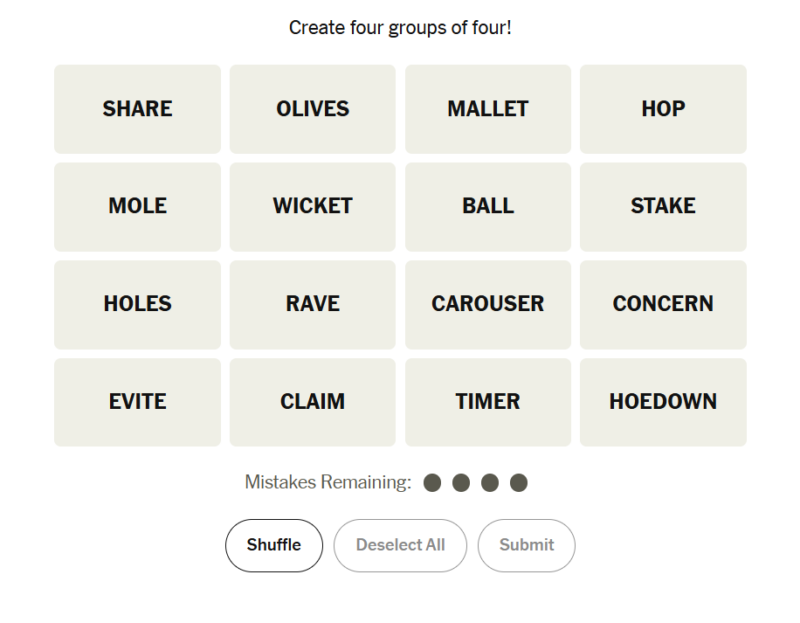
NYT Connections Hints: 06 April 2026
Category 1:
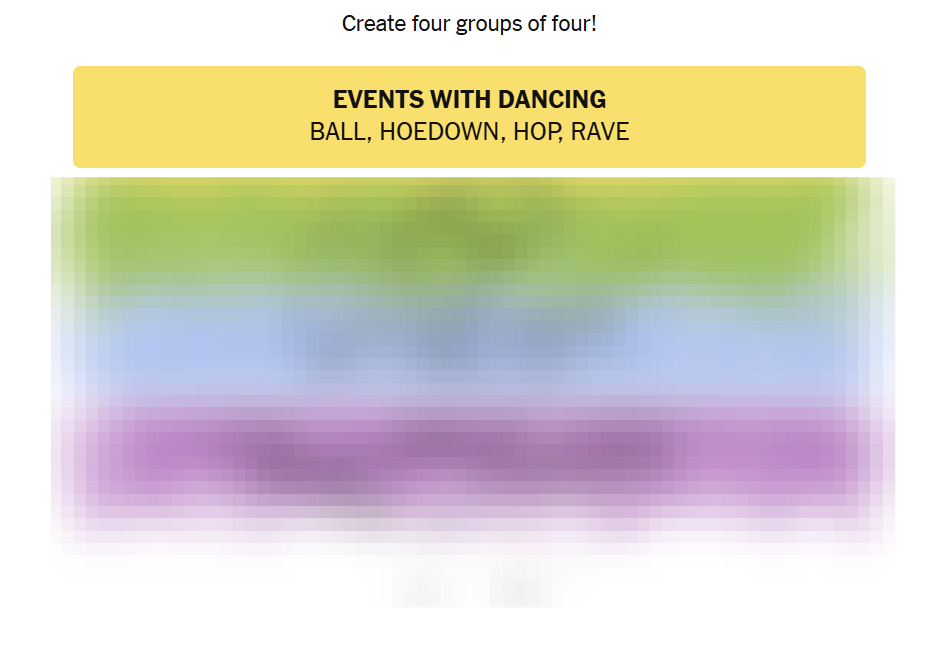
- Think of gatherings where music and movement are central
- Often involve crowds and energetic atmospheres
- Can range from formal to very casual
- All involve dancing in some form
Category 2:
- Words related to having a personal involvement
- Often used in legal or financial contexts
- Can refer to ownership or concern
- Think of what someone might “have” in something
Category 3:
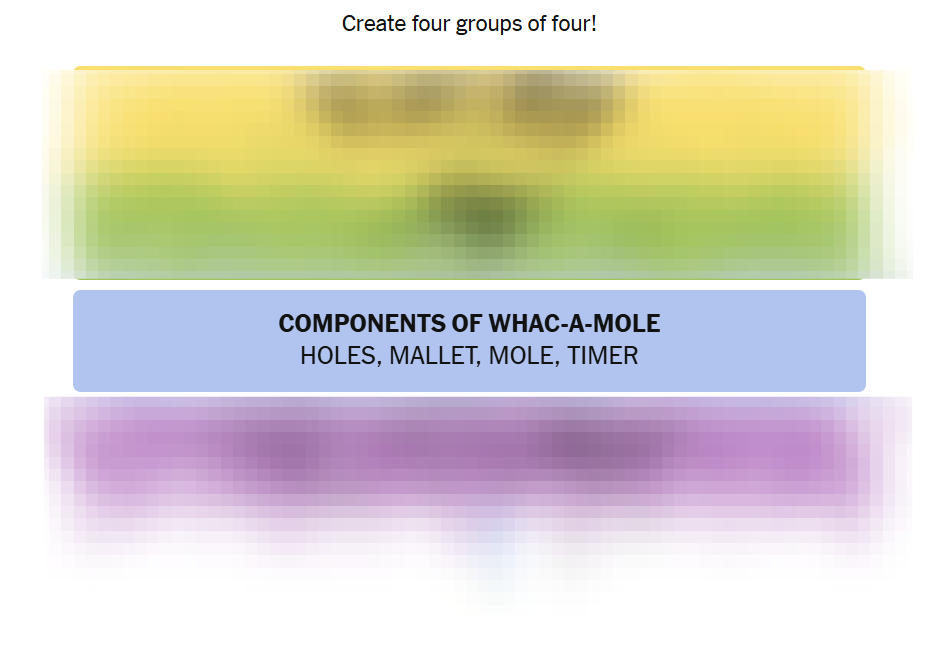
- Items you’d find in a classic arcade-style game
- Interactive and physical components
- Associated with hitting or timing actions
- Think carnival or arcade fun
Category 4:
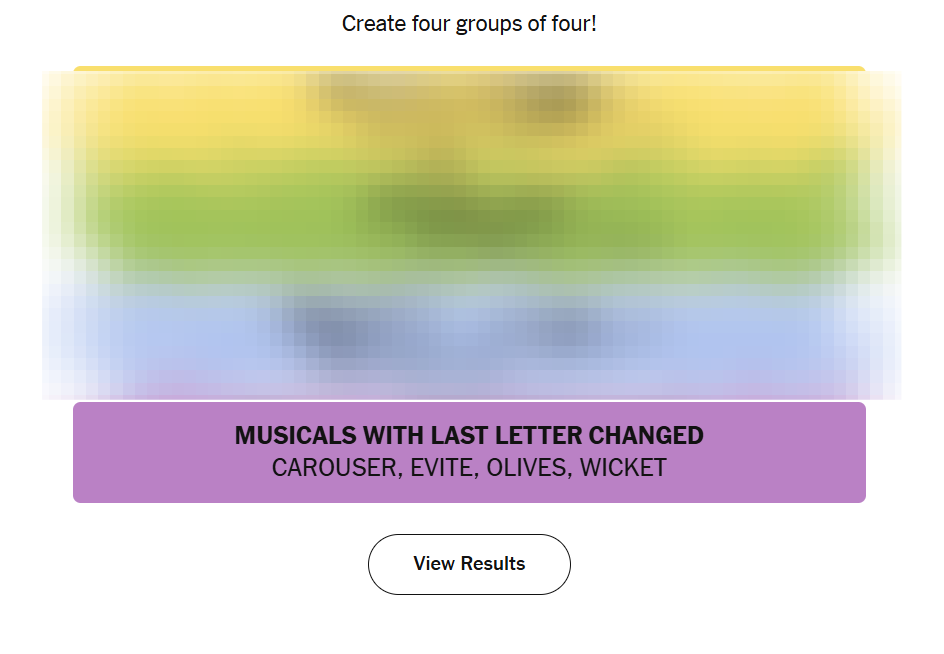
- These look like familiar titles—but something’s off
- Each is one letter away from a well-known musical
- Focus on the ending of each word
- A playful twist on famous stage productions
NYT Connections Answers: 06 April 2026
Here are the answers, grouped by category.
Category 1:
Category 2:

Category 3:
Category 4:
Conclusion & Quick Strategy Tip
The 06 April 2026 Connections puzzle balances straightforward action words with trickier conceptual links, making it satisfying once everything clicks. Quick strategy tip: lock in obvious verb groups early, then examine remaining words for structural patterns or shared cultural references.