What to know
- You must start the Alliance Quest at Scholastone Institute to unlock constellation mechanics.
- The Constellation Helm is obtained by interacting with an NPC near the stone.
- Examining constellations requires proper positioning and alignment.
- Forming the correct shape (diamond pattern) completes the objective.
Exploring the stars in Crimson Desert is tied to meaningful quests and progression. As you work through the “What the Stars Left Behind” quest under the Troll Studying Stele sub quest, you’ll unlock a unique mechanic that lets you interpret constellations using a special item. If you’re unsure how to properly examine them, the process can feel confusing at first. However, once you understand the steps and positioning mechanics, it becomes intuitive and rewarding.
| Aspect | Details |
|---|---|
| Quest Line | What the Stars Left Behind |
| Sub Quest | Troll Studying Stele |
| Location | Scholastone Institute |
| Required Item | Constellation Helm |
| Key Mechanic | Align stars into a shape |
| Goal | Form a diamond constellation |
Crimson Desert What Stars Left Behind location
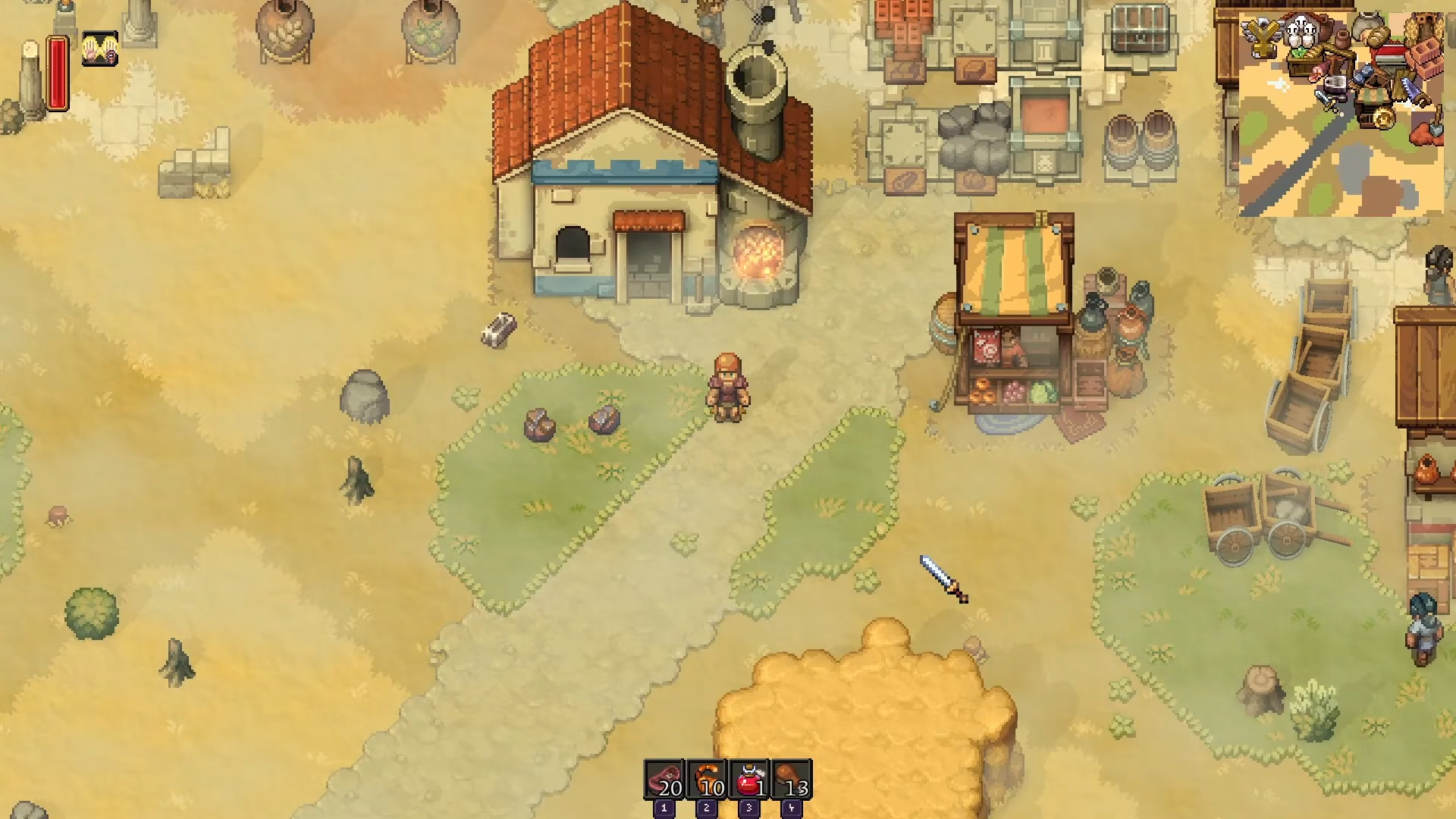
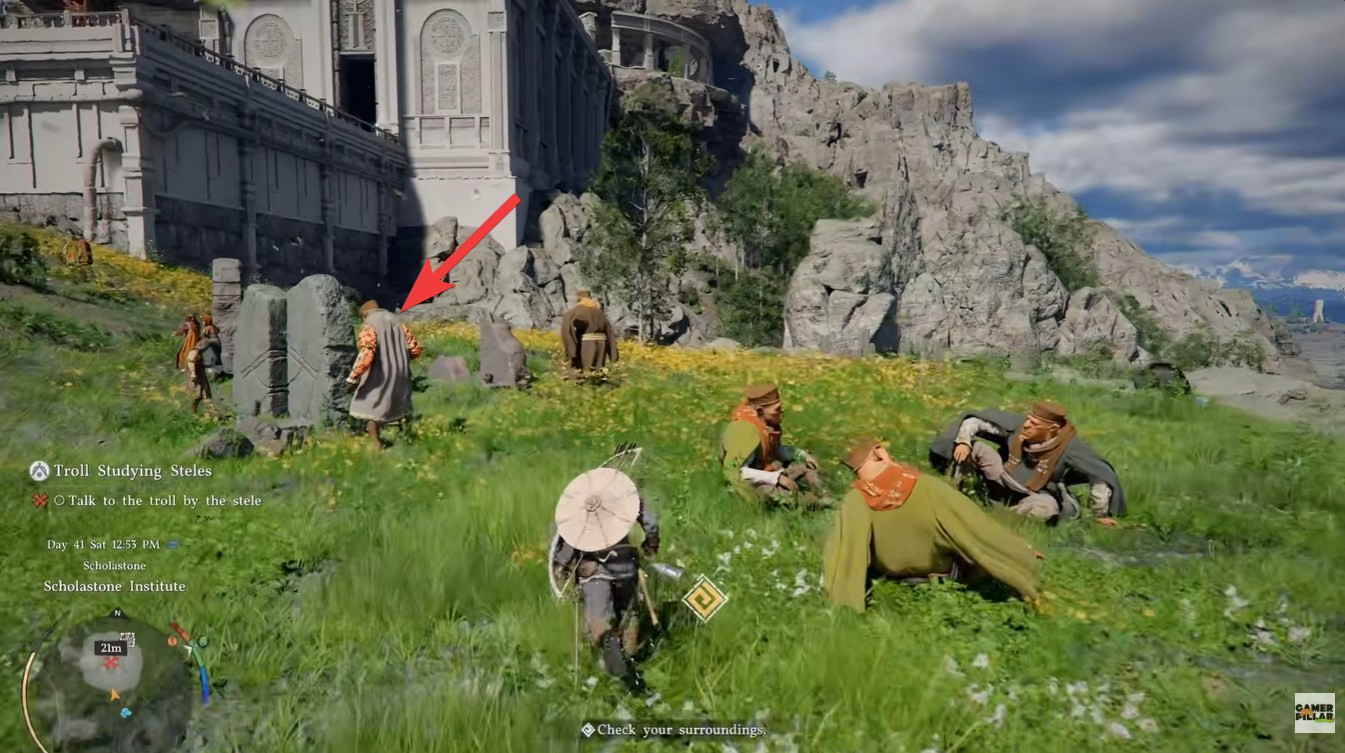
The constellation system becomes available during the Scholastone Institute questline, specifically within the Alliance Quest: What the Stars Left Behind. You’ll encounter a stone structure with an NPC nearby, which acts as your entry point into this mechanic. Once you interact with the NPC, you’ll be guided toward obtaining and using the Constellation Helm.
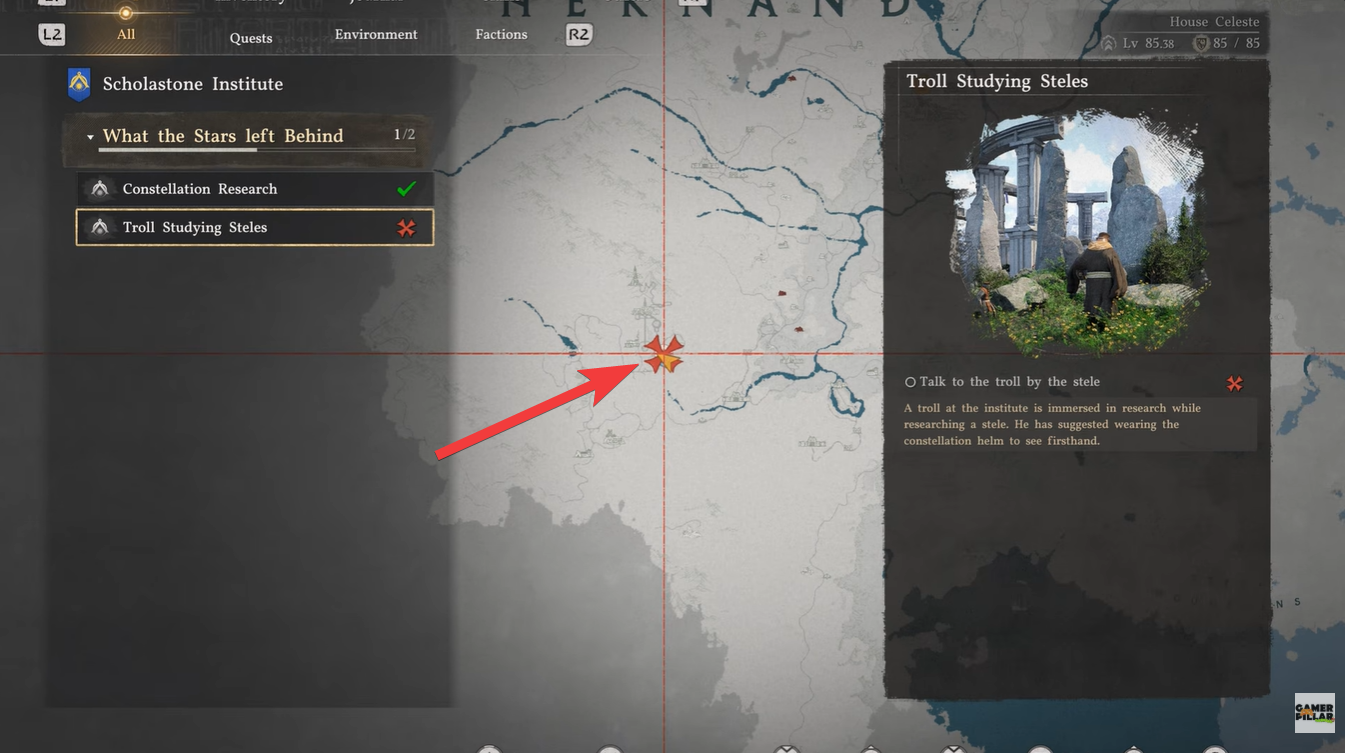
This location is calm and open, making it ideal for observing the sky clearly. The lack of environmental obstruction is intentional, as you’ll need a full view of the stars to complete the puzzle.
How to unlock and equip the Constellation Helm
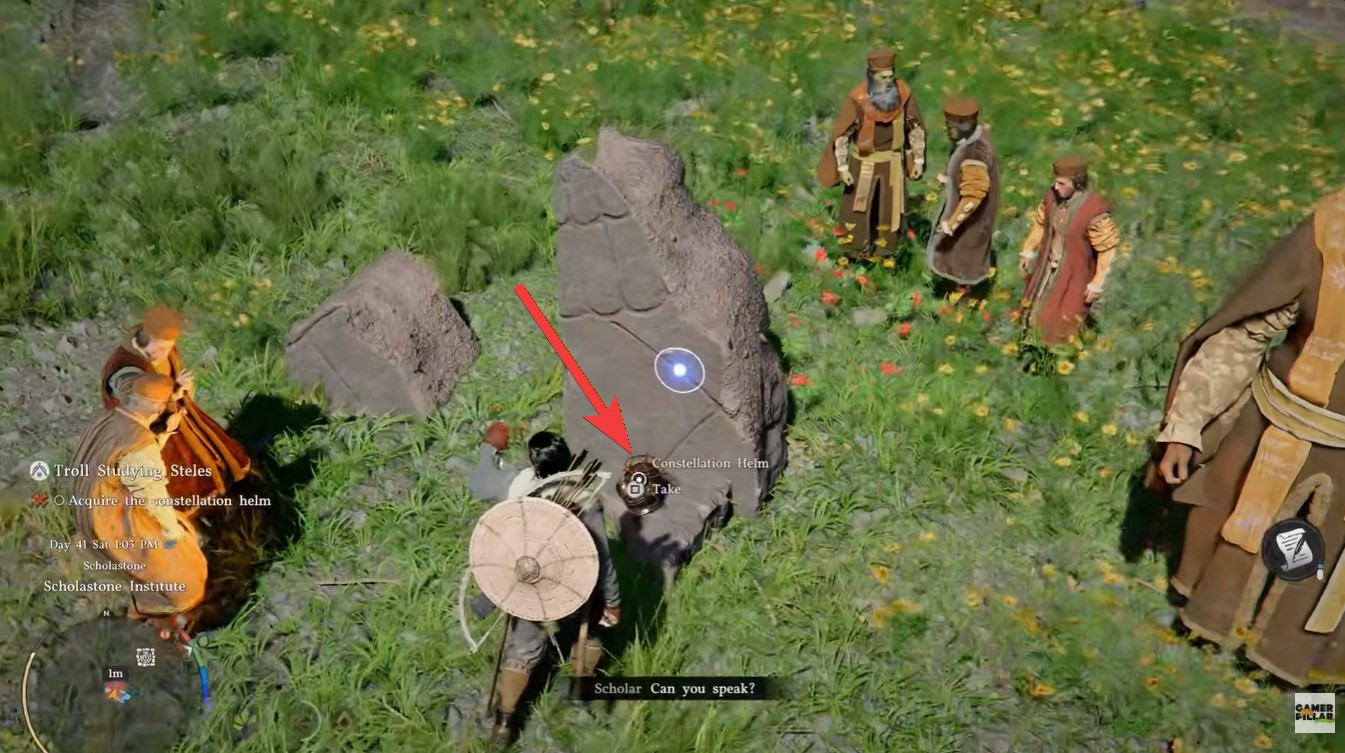
To begin examining constellations, you must first acquire the Constellation Helm. This is done by speaking to the NPC positioned near the stone during the quest. After the interaction, the helm becomes available for use.
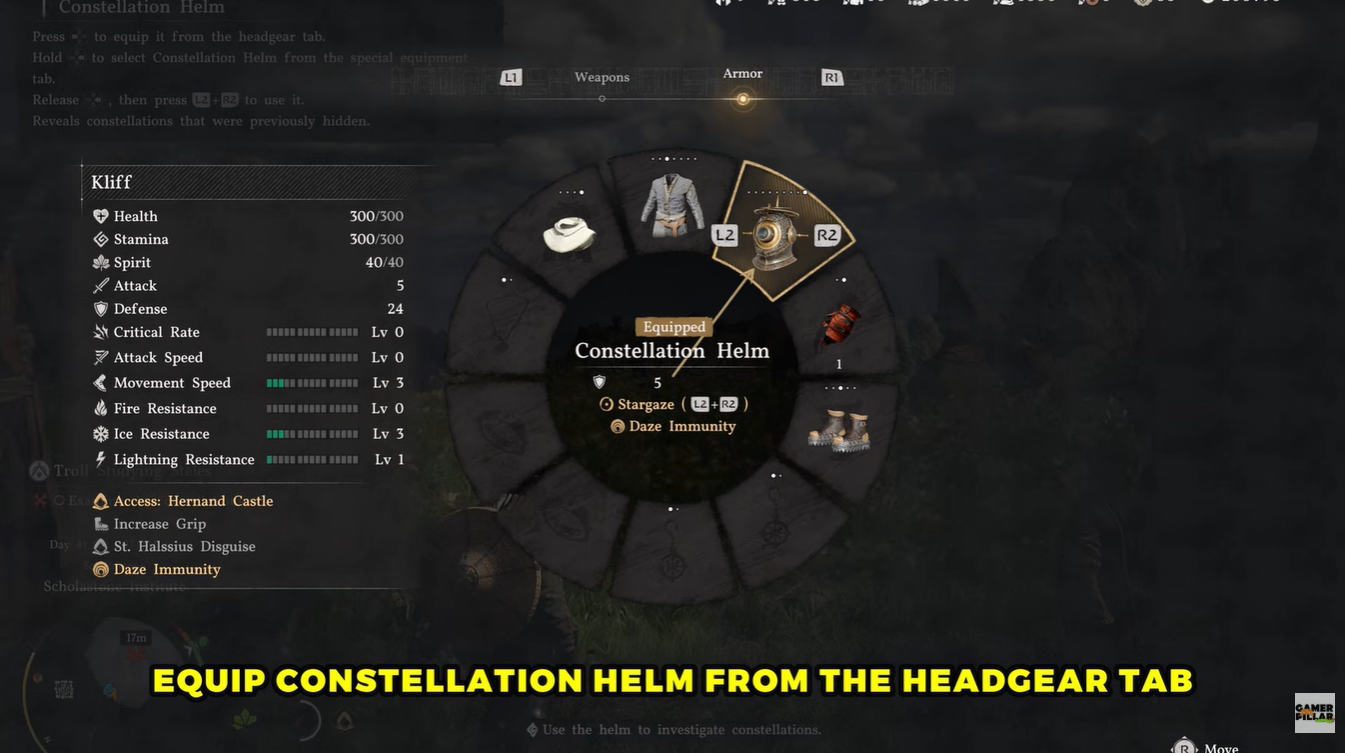
Once obtained, you need to equip it properly. Open your gear menu and navigate to the headgear tab, where you’ll find the helm. After equipping it, switch to the special equipment tab and select the Constellation Helm as your active tool. This step is crucial, as simply owning the item won’t allow you to use its functionality.
How to examine constellations in Crimson Desert
Step 1
Activate the Constellation Helm from your equipped special gear. This enables the constellation viewing mode and highlights hidden star patterns in the sky.
Step 2
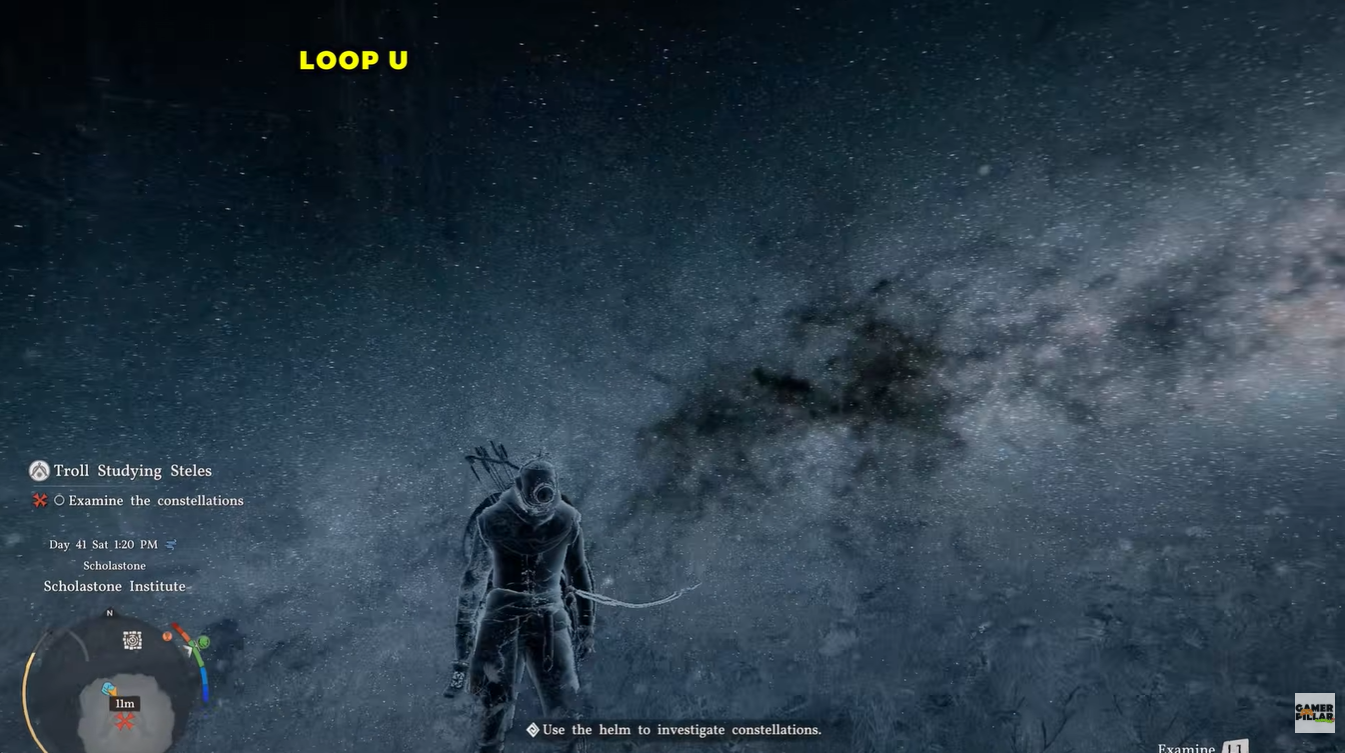
Look upward and slowly scan the sky. You’ll notice faint outlines or fragmented star connections that are not visible without the helm.
Step 3
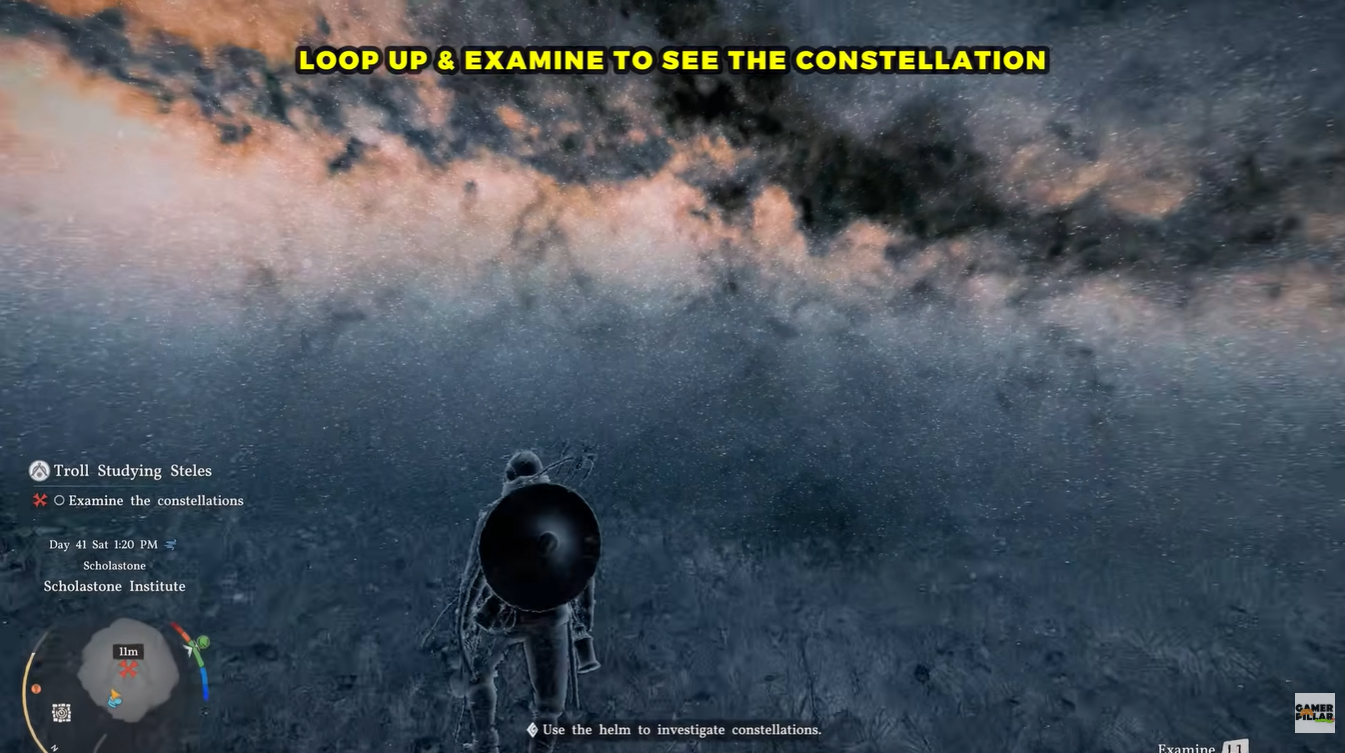
Move your character position gradually. This is the most important part—constellations only form correctly when viewed from a precise angle.
Step 4
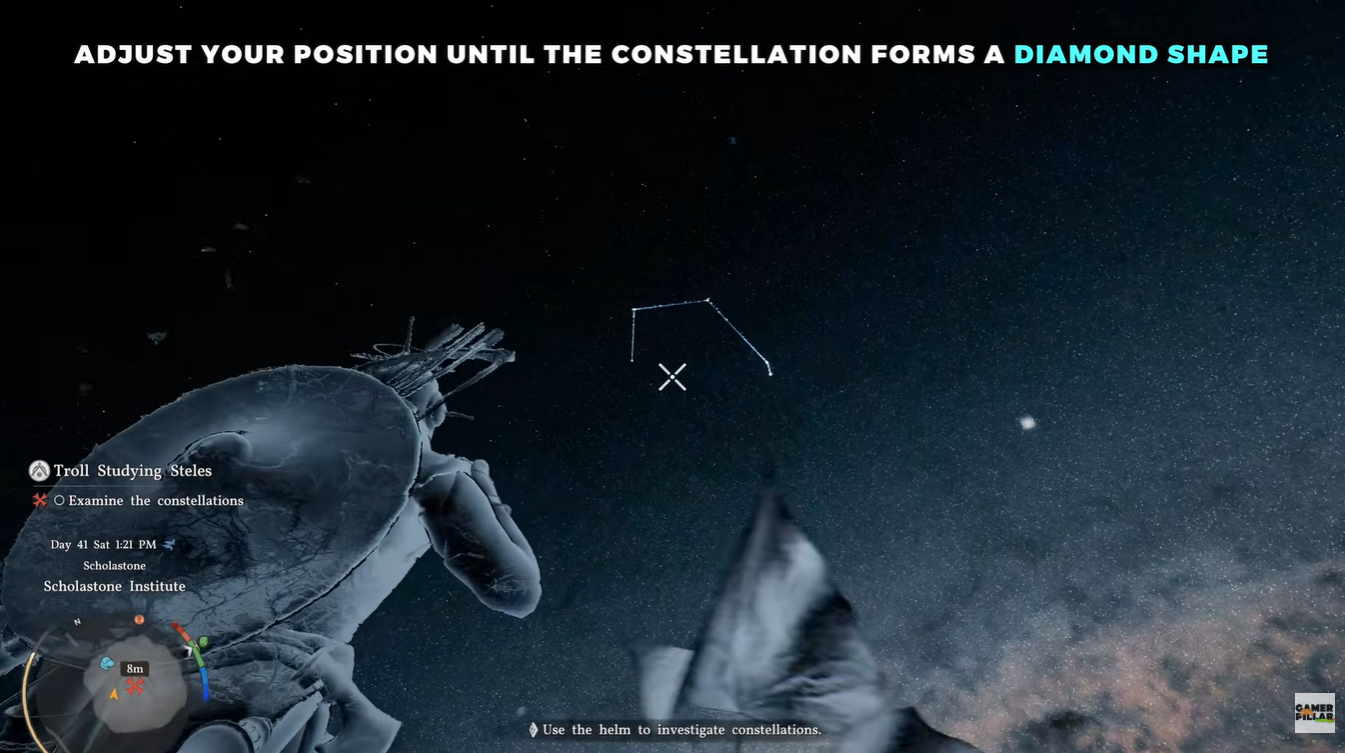
Adjust your camera until the stars begin to connect. As you align properly, the scattered points will start forming a recognizable structure.
Step 5
Continue adjusting until the constellation forms a diamond shape. This specific shape is required to complete the objective in this quest.
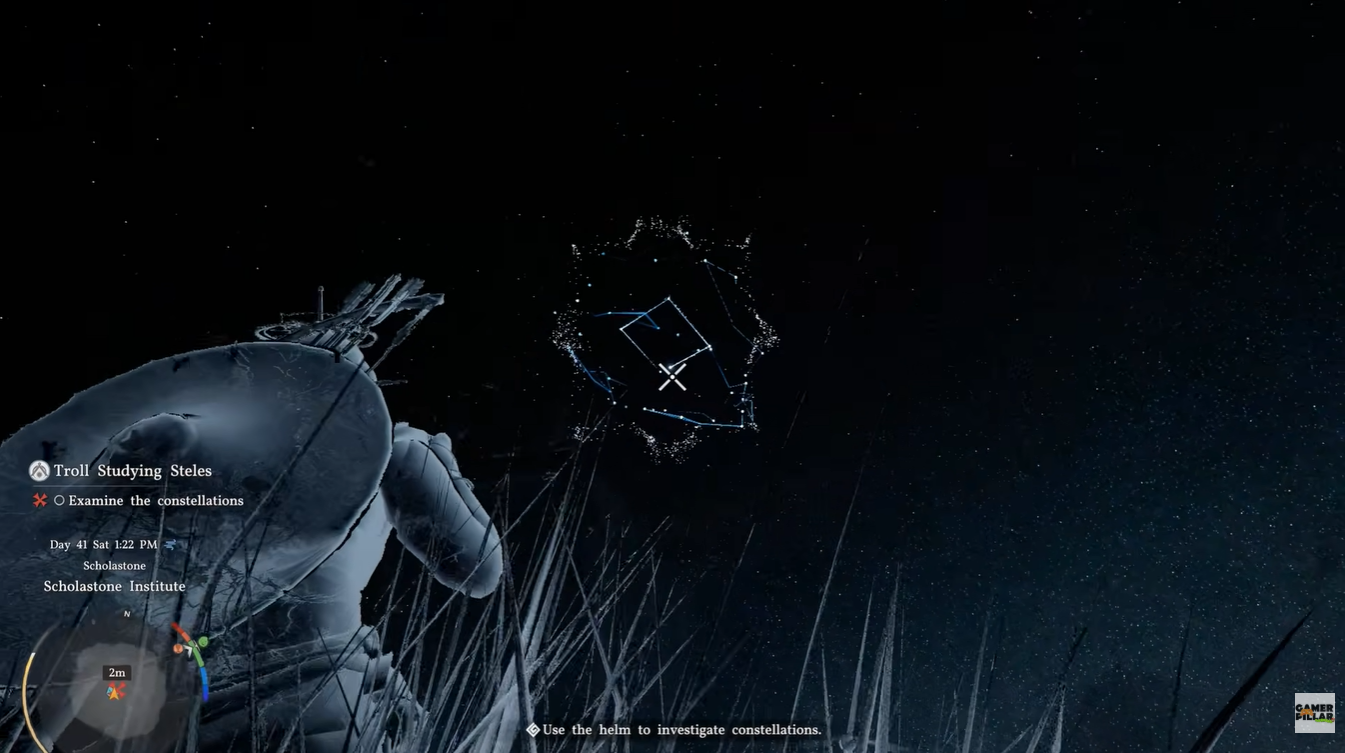
Step 6
Hold your position once aligned. The game will register the constellation, completing the examination requirement.
Why positioning matters more than anything
The constellation system in Crimson Desert is heavily based on perspective alignment rather than interaction prompts. This means you are not solving a puzzle through menus or inputs, but through physical positioning in the world. If the constellation isn’t forming, it’s not a bug—it simply means your angle is off.
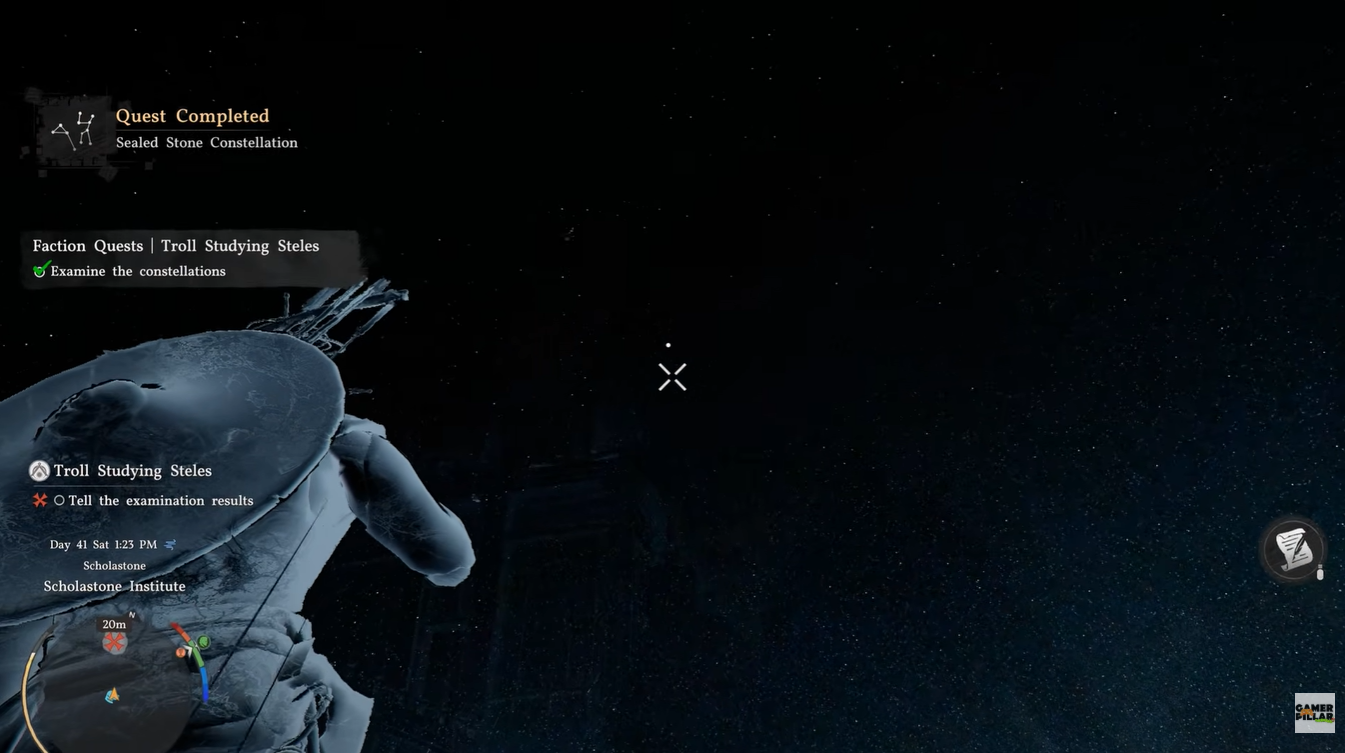
You’ll need patience here. Even slight movements can disrupt the alignment, so fine adjustments are key to success. Think of it like lining up a visual illusion—once you hit the correct spot, everything clicks into place instantly.
Common mistakes players make during this quest
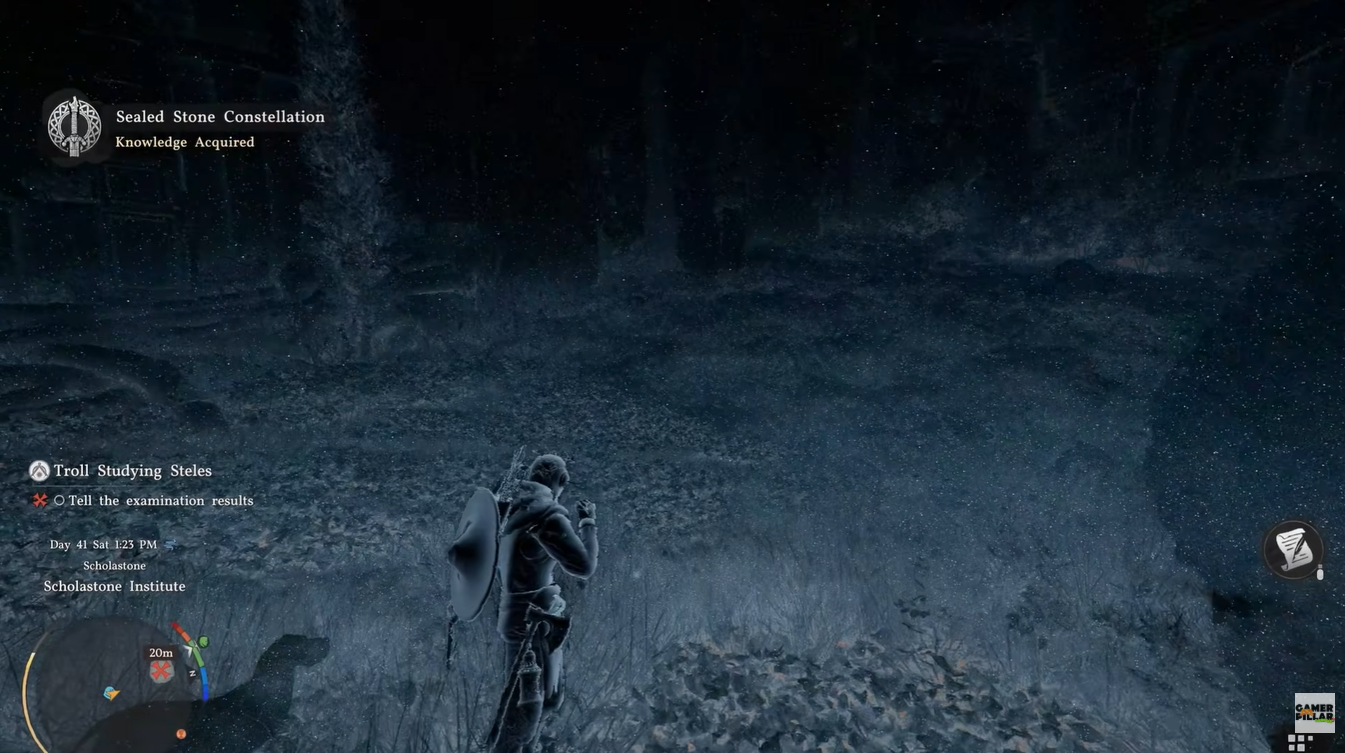
Many players struggle because they assume the mechanic works like traditional interaction systems. Trying to spam inputs or expecting markers will only slow you down. Another frequent issue is not equipping the helm correctly in the special equipment slot, which prevents the constellation from appearing entirely.
Additionally, rushing the positioning step leads to frustration. Taking your time and making small, controlled movements is far more effective than large adjustments.