The New York Times Connections puzzle challenges players to sort 16 seemingly unrelated words into four connected groups. Each group shares a hidden link. Today’s grid blends physical actions, clever rearrangements, and nostalgic references, making it both playful and slightly deceptive. Below you’ll find gentle hints to guide your thinking, followed by the complete solutions once you’re ready to check your work.
NYT Connections Puzzle Overview: 19 March 2026
Today’s puzzle leaned into recognizable themes, mixing cultural references with visual and conceptual clues. Solvers likely found one or two groups quickly, but the remaining sets required careful thinking. The overlap in meaning and phrasing made this grid moderately tricky, especially when distinguishing literal from figurative connections.
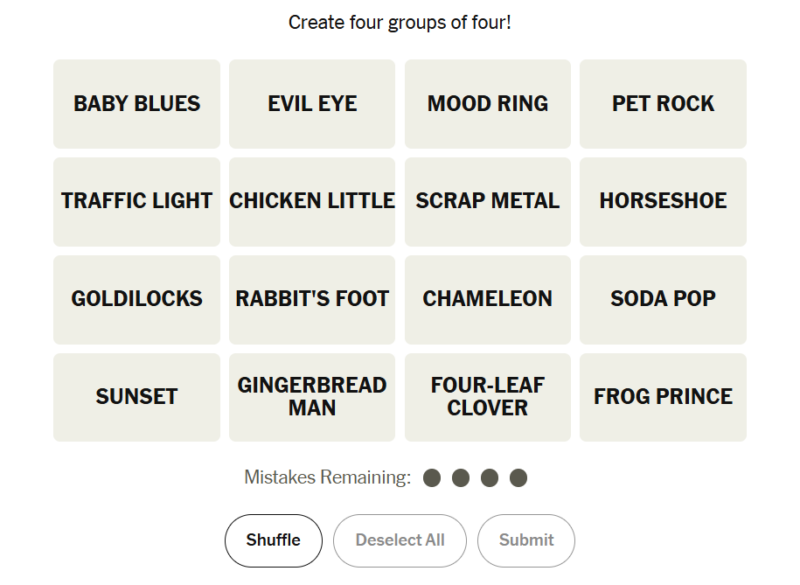
NYT Connections Hints: 19 March 2026
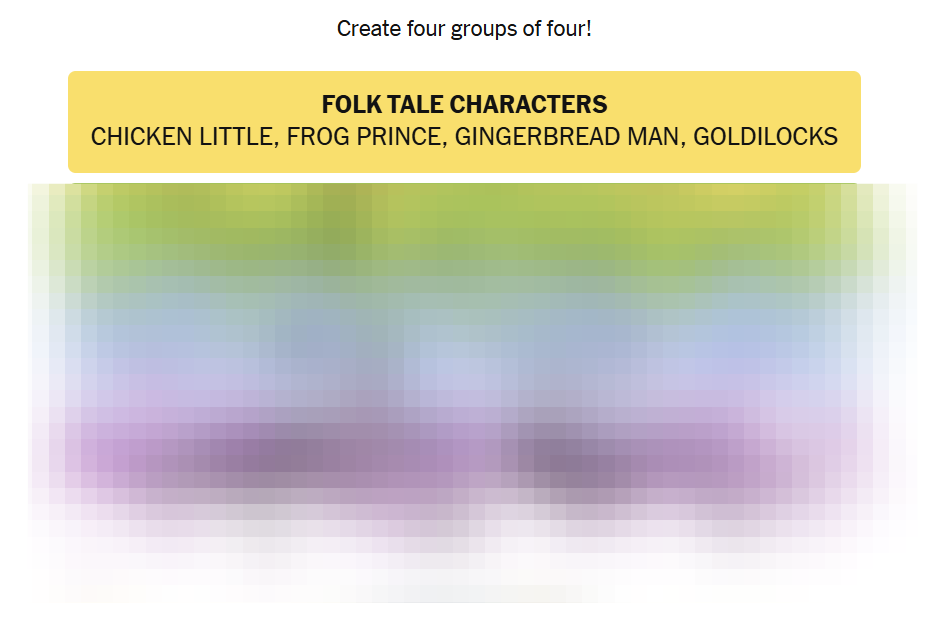
Category 1:
- Think classic storytelling figures
- Often found in children’s tales
- Characters with memorable narratives
- Associated with moral or fantasy stories
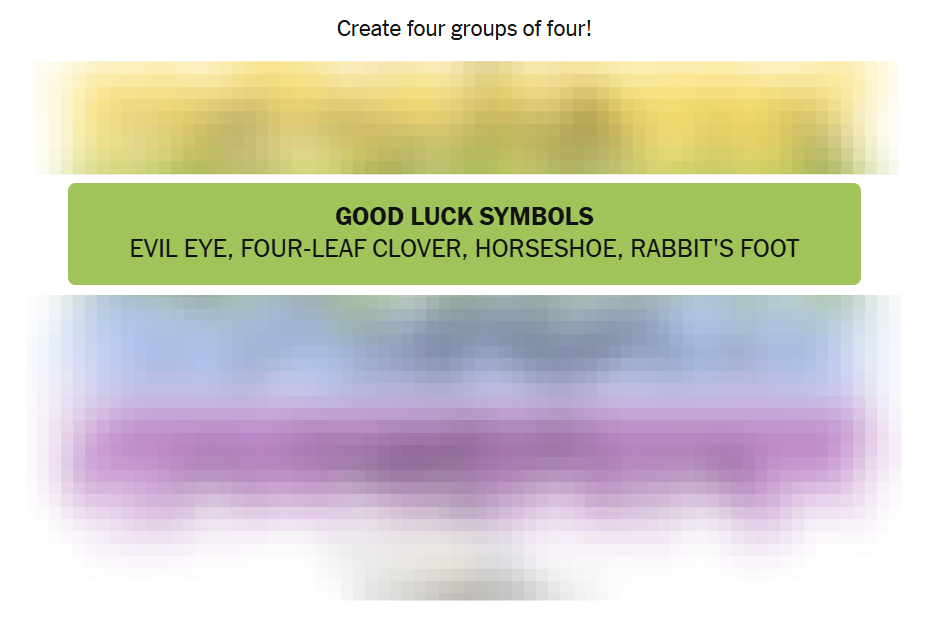
Category 2:
- Items believed to bring fortune
- Often tied to superstition
- Seen as protective or lucky charms
- Found across different cultures
Category 3:
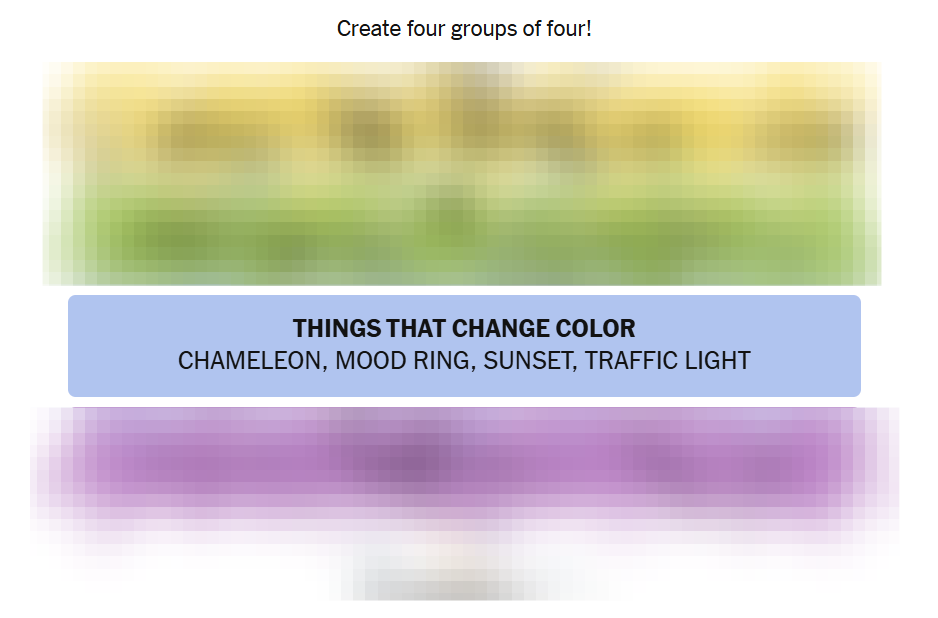
- These things don’t stay visually constant
- Their appearance shifts over time
- Often influenced by environment or light
- A dynamic visual transformation is key
Category 4:
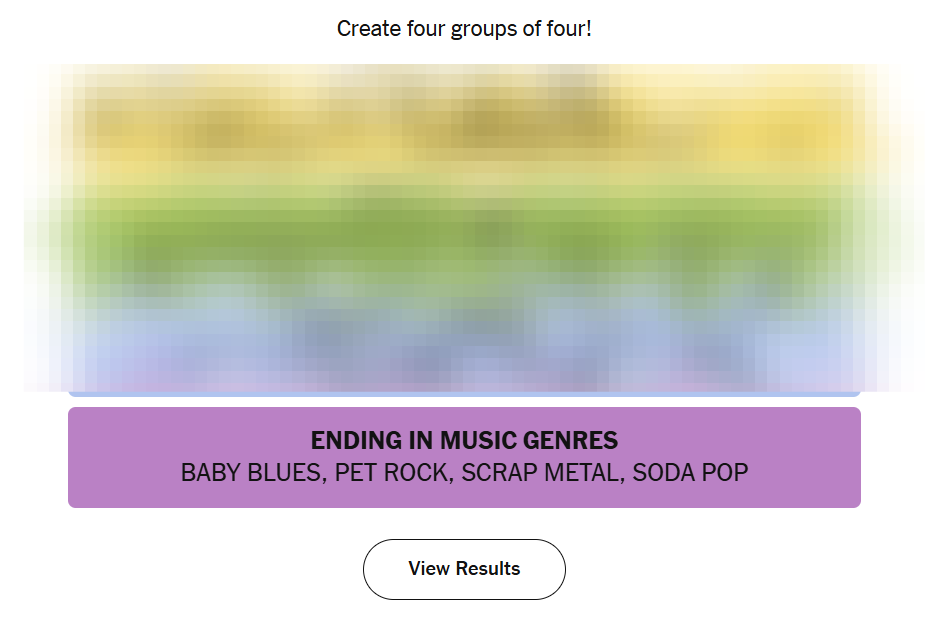
- Each phrase ends with a musical style
- The second word defines the category
- Genres you’d recognize in music stores
- Think of compound phrases
NYT Connections Answers: 19 March 2026
Here are the answers, grouped by category.
Category 1:
Category 2:
Category 3:
Category 4:
Conclusion & Quick Strategy Tip
The 19 March 2026 Connections puzzle balances straightforward action words with trickier conceptual links, making it satisfying once everything clicks. Quick strategy tip: lock in obvious verb groups early, then examine remaining words for structural patterns or shared cultural references.