- What to know
- How habitat creation unlocks new Pokémon
- How the Habitat Dex records Pokémon traces
- How habitat restoration expands Pokémon variety
- Visual indicators that signal a Pokémon discovery
- Why habitat building is the easiest discovery method
- Discovering Pokémon through environmental rebuilding
What to know
- New Pokémon primarily appear through habitat creation and restoration.
- Placing four Leafage tiles together forms a new habitat that can spawn Pokémon.
- A glowing habitat indicates a Pokémon trace ready to be inspected.
- Inspecting the habitat records the Pokémon in your Habitat Dex and unlocks it.
Discovering Pokémon in Pokémon Pokopia is closely tied to the game’s habitat-building mechanics rather than traditional wild encounters. Instead of randomly encountering creatures in tall grass like in classic Pokémon titles, you gradually rebuild the environment of Pokopia by constructing habitats. As you expand and restore these habitats, new Pokémon begin to appear through traces recorded in your Habitat Dex, which acts as the central system for tracking discoveries.
The process encourages exploration, environmental rebuilding, and careful inspection of the world. As you place materials, restore terrain, and interact with habitat traces, the ecosystem of Pokopia slowly fills with new Pokémon species.
How habitat creation unlocks new Pokémon
The core system behind Pokémon discovery in Pokopia revolves around habitat construction using environmental items. One of the earliest and most important items used for this purpose is Leafage, which functions as a terrain restoration material.
| Feature | Details |
|---|---|
| Primary discovery method | Creating and restoring habitats |
| Key resource | Leafage |
| Habitat requirement | Four Leafage placed adjacent |
| Visual indicator | Habitat shines or glimmers |
| Interaction method | Inspect the glowing habitat |
| Pokémon record system | Habitat Dex |
| Result of discovery | Pokémon unlocked and added to the Dex |
When you place four Leafage items next to each other, they merge to create a small functional habitat zone. This habitat represents a restored patch of nature capable of supporting Pokémon life. The game visually confirms that a habitat has been formed by making the area emit a noticeable shine or glow.
This glowing effect indicates that the game has generated a Pokémon trace within that habitat. These traces represent hidden Pokémon that can potentially inhabit the newly created environment.
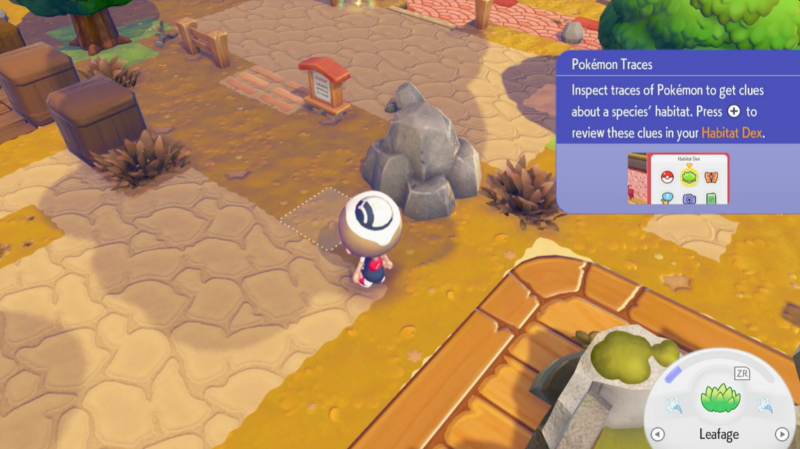
Unlike traditional Pokémon games where encounters are random, Pokopia uses habitat activation as the trigger for Pokémon discovery. The player’s actions directly determine when and where Pokémon appear.
Habitat creation mechanics
| Habitat Element | Description |
|---|---|
| Leafage | Environmental material used to form habitats |
| Minimum requirement | Four Leafage tiles |
| Placement pattern | Adjacent tiles forming a habitat patch |
| Activation effect | Habitat shines when Pokémon trace appears |
| Player action required | Inspect the habitat |
| Outcome | Pokémon discovery |
How the Habitat Dex records Pokémon traces
The Habitat Dex functions as a research tool that logs traces of Pokémon discovered in the environment. Whenever you encounter a glowing habitat, the shine indicates that the Dex has detected a trace signature of a Pokémon species.
When you approach the glowing habitat and inspect it, the game records the Pokémon’s presence in the Habitat Dex. This process officially registers the Pokémon species within your Pokédex-style system and unlocks the creature within the game’s ecosystem.
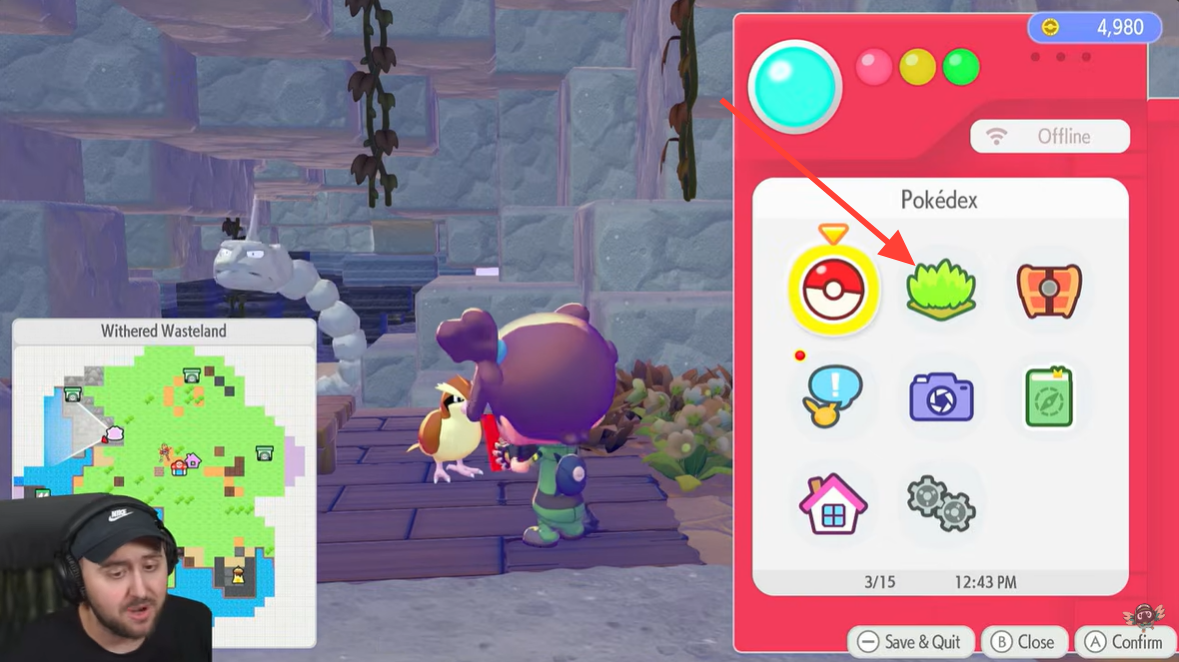
The Habitat Dex effectively acts as both a tracker and a confirmation system. It ensures that every Pokémon discovery is tied to environmental progress rather than random encounters.
| Habitat Dex Feature | Function |
|---|---|
| Trace detection | Identifies potential Pokémon presence |
| Inspection system | Allows player interaction |
| Discovery recording | Adds Pokémon entry to Dex |
| Habitat connection | Links Pokémon to specific habitats |
| Progress tracking | Tracks ecosystem restoration |
How habitat restoration expands Pokémon variety
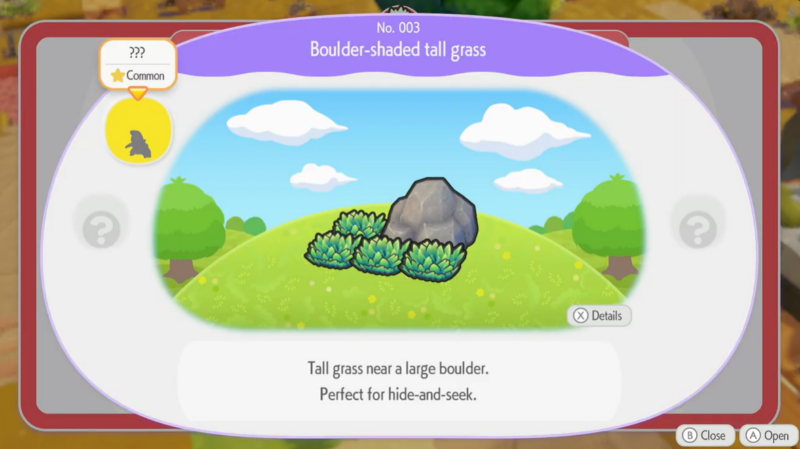
As you continue restoring habitats across different regions, the variety of Pokémon increases significantly. Each habitat represents a micro-environment capable of attracting different species, meaning the more environments you restore, the more Pokémon become available.
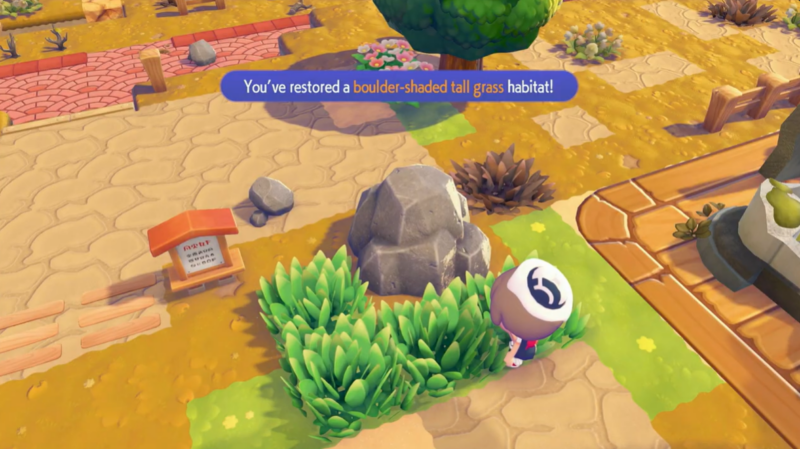
For example, certain Pokémon may only appear in specific terrain types or restored zones, such as grassy areas, rocky habitats, or wasteland ecosystems. When you restore these areas using appropriate materials like Leafage or other environmental elements, the game activates new Pokémon traces tied to those habitats.
This system turns the act of rebuilding Pokopia into a central progression mechanic. Instead of focusing solely on battling or catching Pokémon, the player contributes to rebuilding the world’s ecosystem. The more habitats you construct, the richer the environment becomes.
| Habitat Progression | Result |
|---|---|
| Initial habitats | Basic Pokémon discoveries |
| Expanded habitats | Increased species variety |
| Specialized habitats | Rare Pokémon traces |
| Fully restored zones | Complete ecosystem population |
Visual indicators that signal a Pokémon discovery
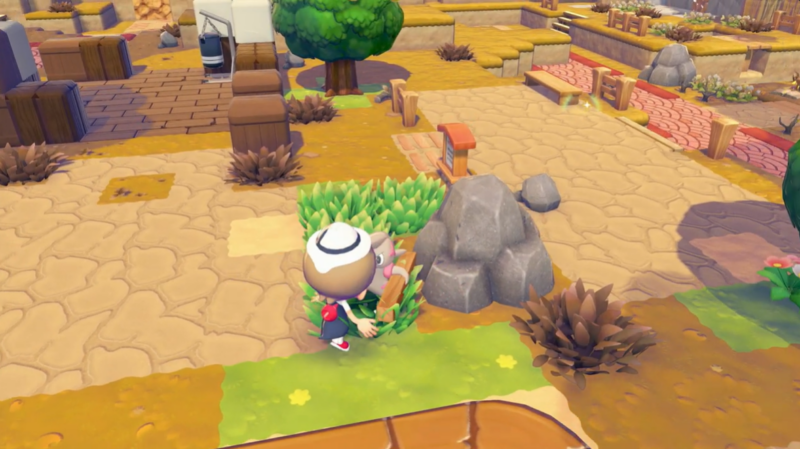
Pokopia relies heavily on environmental cues to guide players toward new discoveries. The most important indicator is the glowing or shimmering habitat tile, which signifies the presence of a Pokémon trace.
These visual indicators ensure that players can easily identify when a habitat has successfully generated a Pokémon. The glow typically appears immediately after the habitat forms or after certain progression triggers.
| Indicator | Meaning |
|---|---|
| Habitat glow | Pokémon trace detected |
| Shimmering effect | Habitat ready for inspection |
| Habitat Dex notification | Pokémon registered |
Because habitats are tied to environmental restoration, these glowing areas effectively represent new life returning to the world of Pokopia.
Why habitat building is the easiest discovery method
While exploration and progression can reveal Pokémon through other mechanics later in the game, habitat creation using Leafage remains the simplest and most reliable method for discovering new species.
This approach allows players to control when Pokémon appear rather than relying entirely on random generation. By intentionally creating habitats in multiple locations, you dramatically increase the number of potential Pokémon discoveries.
The system also encourages experimentation. Placing habitats in different regions and terrain types often leads to discovering Pokémon that would not appear in other environments.
Discovering Pokémon through environmental rebuilding
Pokopia’s discovery system fundamentally transforms how Pokémon appear in the world. Instead of hunting for creatures, players restore ecosystems and allow Pokémon to return naturally. Every new habitat created using Leafage becomes a potential home for a species waiting to be rediscovered.
As you continue rebuilding the world and activating habitats, your Habitat Dex steadily fills with entries, reflecting the gradual recovery of Pokopia’s environment. The glowing habitats act as signals of life returning to restored terrain, rewarding players who focus on careful placement of environmental materials and consistent habitat expansion.