
- What to know
- Modern starter house build details in Starsand Island
- Planning the layout with a clean grid system
- Constructing the first room with depth and balance
- Building the kitchen space in room two
- Creating the outdoor patio with rails and vintage lamps
- Constructing the first-floor bedroom with large glass windows
- Installing doors and stairs for proper vertical flow
- Completing the interior with functional decoration
- Building your starter modern house
What to know
- The build relies on a measured grid layout to keep proportions clean and modern.
- Pre-painting floors and walls helps you visualize the room function before construction.
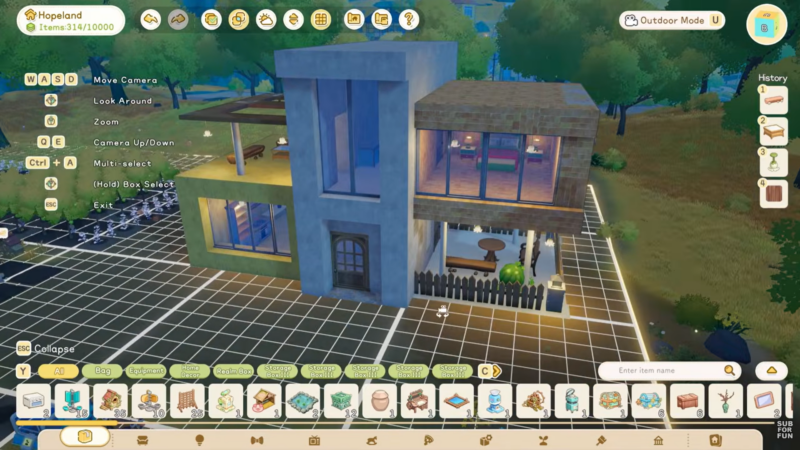
- Large glass windows, neutral walls, and brick textures define the modern aesthetic.
- Stairs, railings, and outdoor décor complete both functionality and curb appeal.
If you are just starting out in Starsand Island, building a modern starter home is one of the best ways to combine functionality with style. This tutorial-style guide walks you through the full process, from marking your layout to decorating the final space. By following these techniques, you will not only create a clean, contemporary design but also learn building principles you can reuse for larger projects later.
Modern starter house build details in Starsand Island
| Section | Focus | Key Materials | Purpose |
|---|---|---|---|
| Layout Planning | Grid alignment and pre-painting | Floor tiles, paint tool | Defines structure and room flow |
| Room 1 | Entry/living area | Walls, doors, standard windows | Primary interior space |
| Room 2 | Kitchen area | Glass doors, colored walls | Functional cooking space |
| Outdoor Section | Patio and railing | Rails, vintage stone lamps | Exterior aesthetic and access |
| Room 3 | First-floor bedroom | Large glass windows, brick texture | Private upper space |
| Stairs & Doors | Vertical connection | Stair blocks, safety rails | Connects both floors safely |
| Decoration | Interior & exterior finishing | Furniture, lights, plants | Adds realism and personality |
Planning the layout with a clean grid system
A strong build begins with precision. Before placing walls, you should establish the exact footprint of the house using a grid system. The tutorial demonstrates marking out the structure tile by tile, ensuring symmetry and proportional spacing between rooms. This method prevents uneven walls and misaligned doors later.
Pre-painting the floor areas for each room is a particularly smart technique. By assigning different floor colors to each section before construction, you immediately visualize how the interior will flow. This approach also makes corrections easier since you can adjust dimensions without demolishing walls.
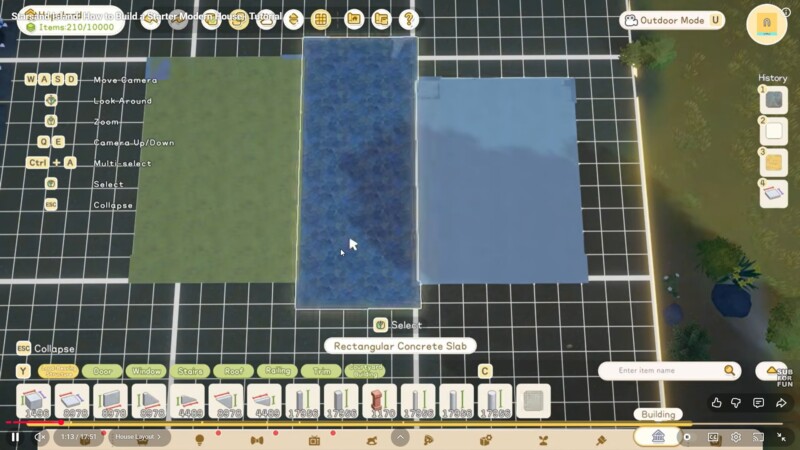
The layout typically consists of two ground-floor rooms placed side by side, with a dedicated outdoor section attached. A third room is constructed on the first floor above part of the base structure, creating a compact but layered modern home.
Constructing the first room with depth and balance
The first room functions as a living or multipurpose area. Once the floor grid is finalized, walls are raised along the marked perimeter. Proper door placement is essential here, as it sets the tone for movement inside the house.
Windows are inserted carefully, not simply attached flat to the outer wall. By slightly recessing or layering them inward, you create visual depth, which is a hallmark of modern architecture. Any small gaps created during placement should be filled seamlessly to maintain a polished look.
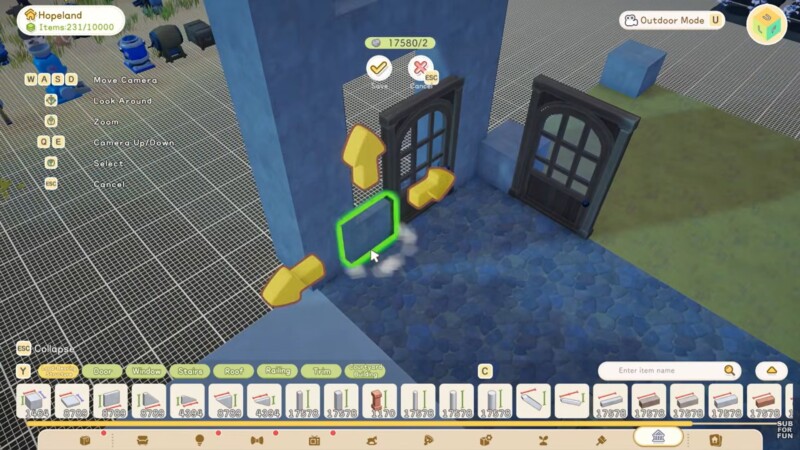
Door placement should remain centered along one wall to preserve symmetry. This design principle ensures the house feels intentional rather than improvised.
| Feature | Placement Strategy | Design Impact |
|---|---|---|
| Main Door | Center-aligned | Balanced entry appearance |
| Standard Windows | Slightly inset | Adds depth |
| Wall Color | Neutral base tone | Modern aesthetic |
| Floor Finish | Contrasting but subtle | Defines space |
Building the kitchen space in room two
The second room is designed primarily as a kitchen. Here, the tutorial emphasizes the use of glass doors, which enhance the modern feel while allowing light to flow between spaces.
Color application plays a major role in defining this area. You should use interior wall paint to contrast slightly with the living area while keeping the exterior cohesive. A subtle difference in shade helps each room feel distinct without breaking the overall theme.
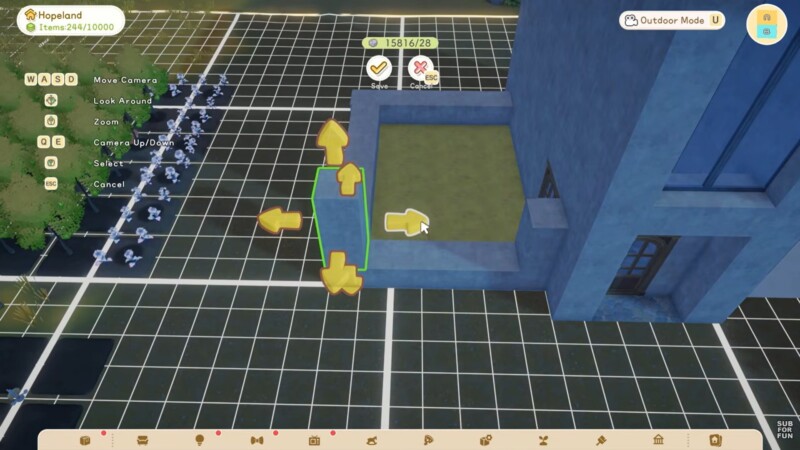
The kitchen layout benefits from clean wall spacing to accommodate furniture placement later. Leaving uninterrupted wall sections makes it easier to position cabinets, counters, and lighting fixtures during the decorating phase.
Creating the outdoor patio with rails and vintage lamps
A standout feature of this starter modern house is the outdoor section. Rather than closing the entire structure, a dedicated patio space is added, bordered by rails for safety and style.
Rails define the boundary while keeping the space visually open. Vintage stone lamps are placed strategically along the edges to add character and nighttime visibility. This contrast between modern structure and classic lighting elements creates a balanced aesthetic.
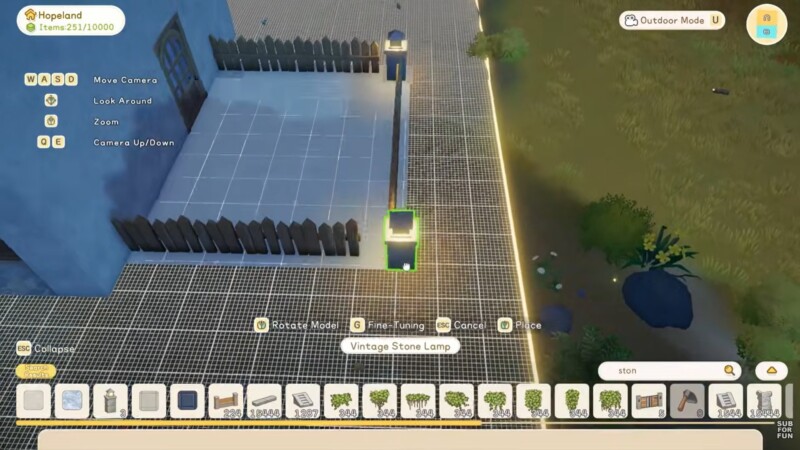
You can further enhance the patio later with seating arrangements, pillars, and decorative plants to give the home a lived-in feel.
Constructing the first-floor bedroom with large glass windows
The third room sits on the first floor and functions well as a bedroom or private retreat. Large glass windows are a defining feature here, allowing natural light to flood the interior.
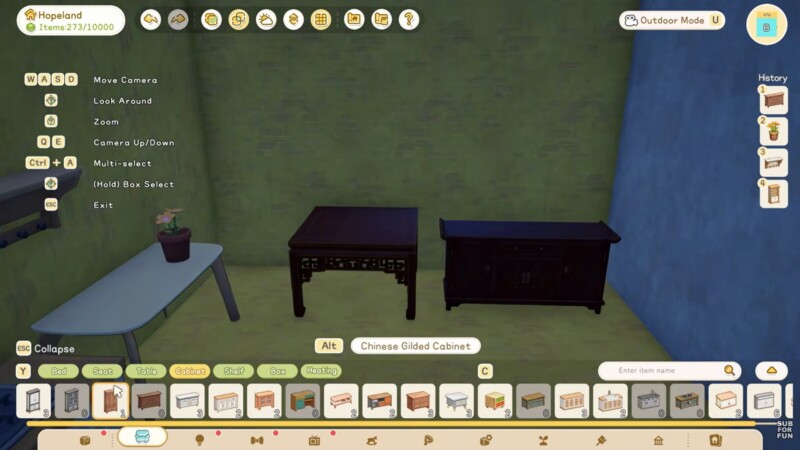
Instead of standard flat walls, a brick-like texture is applied to parts of the exterior. This textural contrast enhances realism and prevents the build from looking overly plain. Large window panels also visually expand the upper room, making it appear larger than its actual footprint.
Careful alignment is critical here. Ensure the upper structure sits directly above supported walls below to maintain structural consistency.
Installing doors and stairs for proper vertical flow
Connecting floors is not just about placing stairs randomly. The tutorial demonstrates aligning the staircase carefully with floor openings to avoid awkward spacing or collision with walls.
How to install the staircase correctly
Step 1
Mark the exact starting tile for the stairs inside the ground-floor room, ensuring it does not block the main entry path.
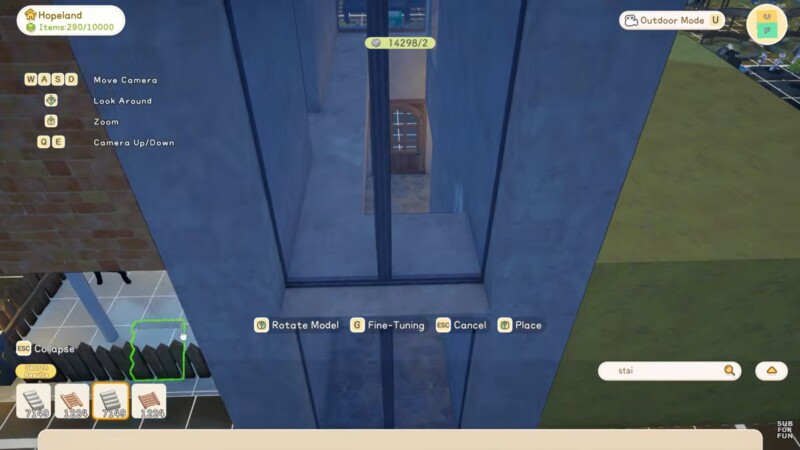
Step 2
Place stair blocks upward in a straight, uninterrupted line toward the first-floor opening.
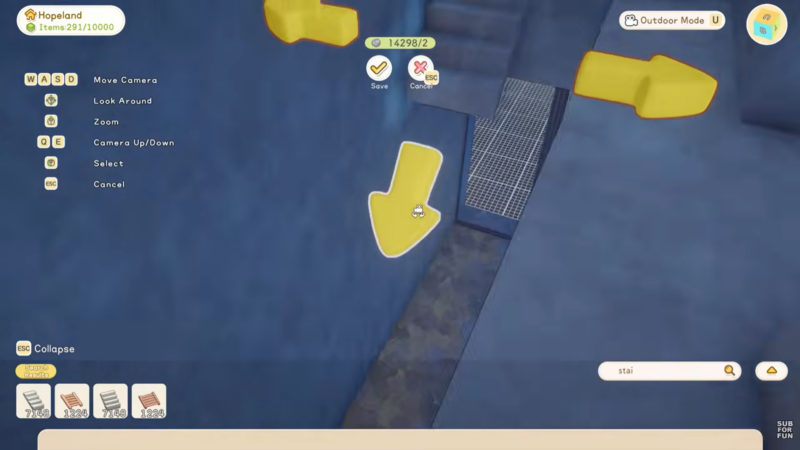
Step 3
Cut a clean opening in the upper floor where the stairs will land, maintaining symmetrical spacing from nearby walls.
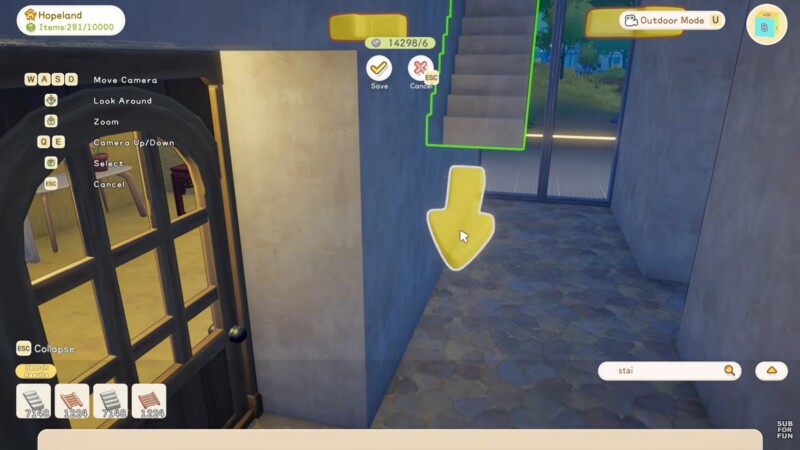
Step 4
Add safety railings along the staircase to prevent falls and improve realism.
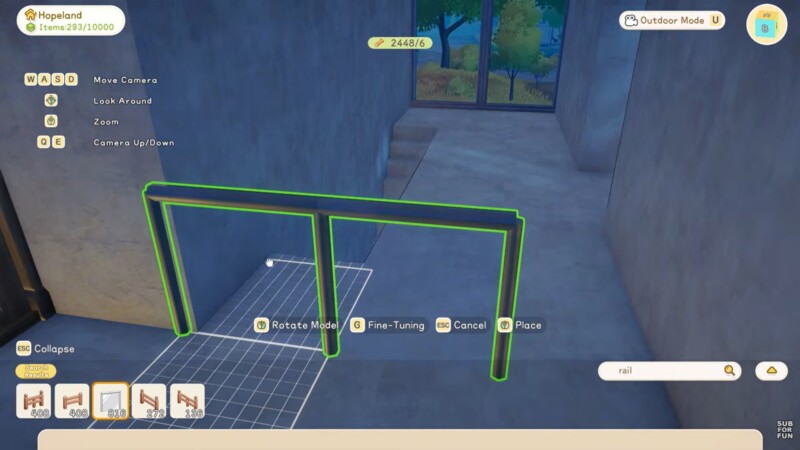
Step 5
Install a door at the top floor entrance to separate the bedroom from the stairwell.
Stair alignment determines how fluid the house feels. When placed correctly, movement between floors becomes seamless.
Completing the interior with functional decoration
Interior decoration transforms the build from a structure into a home. The kitchen area should include cooking counters, storage units, and light fixtures positioned above workspaces. The bedroom benefits from soft lighting and balanced furniture placement to avoid overcrowding.
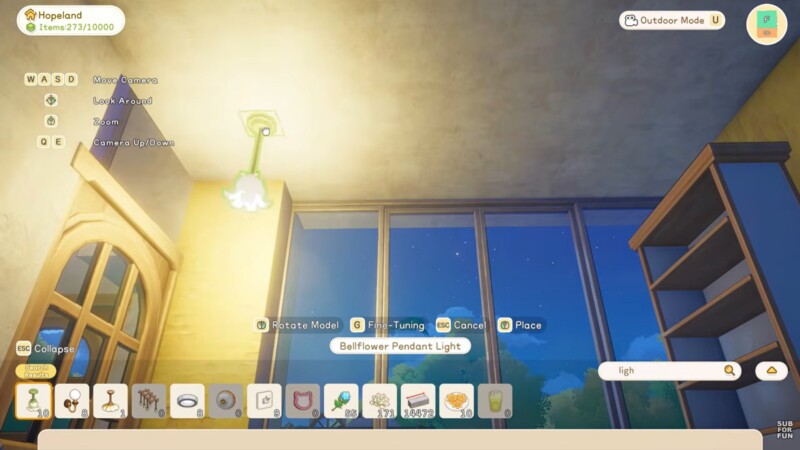
Outdoor finishing touches such as pillars, seating benches, and potted plants enhance the exterior presentation. Lighting placement is especially important. Even spacing prevents dark corners and maintains visual harmony.
| Area | Suggested Decor Focus | Design Goal |
|---|---|---|
| Kitchen | Counters, overhead lights | Functional realism |
| Living Room | Seating, wall lighting | Comfortable atmosphere |
| Bedroom | Bed, side lamps | Cozy private space |
| Patio | Chairs, plants, lamps | Inviting exterior |
Maintaining spacing between furniture pieces is essential. A cluttered layout reduces the modern appeal, while open breathing room strengthens it.
Building your starter modern house
Building a starter modern house in Starsand Island teaches you more than basic construction. By using a grid-based layout, layering windows for depth, incorporating glass doors, and balancing textures, you create a home that feels intentional and stylish.
Once you master this structure, you can easily expand it by extending the patio, adding additional upper rooms, or redesigning the interior theme. This compact design serves as a solid foundation for future builds while already offering both practicality and strong visual appeal.