- What to know
- Push and pull systems explained using StarRupture
- How push systems work in factory games
- How StarRupture’s pull system works in practice
- Push and pull comparison
- Why rails behave differently in StarRupture
- How to design factories for pull-based logistics
- Why StarRupture feels easier to manage
- Why the push and pull difference defines StarRupture
- More from StarRupture
- About StarRupture
What to know
- StarRupture uses a pull (demand) logistics system, not a constant-flow conveyor model
- Items only move when a machine or structure actively requests them
- Rails stay empty unless there is demand, reducing idle congestion
- Factory design focuses on network flow and bottlenecks, not belt saturation
If you’re coming from traditional factory builders, StarRupture can feel unfamiliar at first. Resources don’t endlessly move “just because they exist.” Instead, everything revolves around demand. Once you understand how the push and pull system works, layouts become easier to scale, reorganize, and troubleshoot.
Push and pull systems explained using StarRupture
In factory games, logistics usually fall into two categories: push systems and pull systems. While many games rely on push mechanics, StarRupture is built primarily around pull logic.
A push system continuously sends items forward whether or not anything needs them. A pull system waits until something asks for resources before moving them.
How push systems work in factory games
Push-based logistics are common in games like Satisfactory.
- Producers constantly output items
- Conveyors fill up regardless of demand
- You must carefully route item A → B → C to prevent overflow
- Storage and splitters are essential to avoid jams
This model works well for linear production chains but becomes complex as factories grow.
How StarRupture’s pull system works in practice
StarRupture flips this idea completely.
- Machines request items when they are ready to use them
- Rails transports resources only when a request exists
- If nothing needs an item, it stays in storage
- Multiple machines can intelligently pull from the same network
This creates what players often describe as a spiderweb network, where everything stays connected, and demand determines flow.
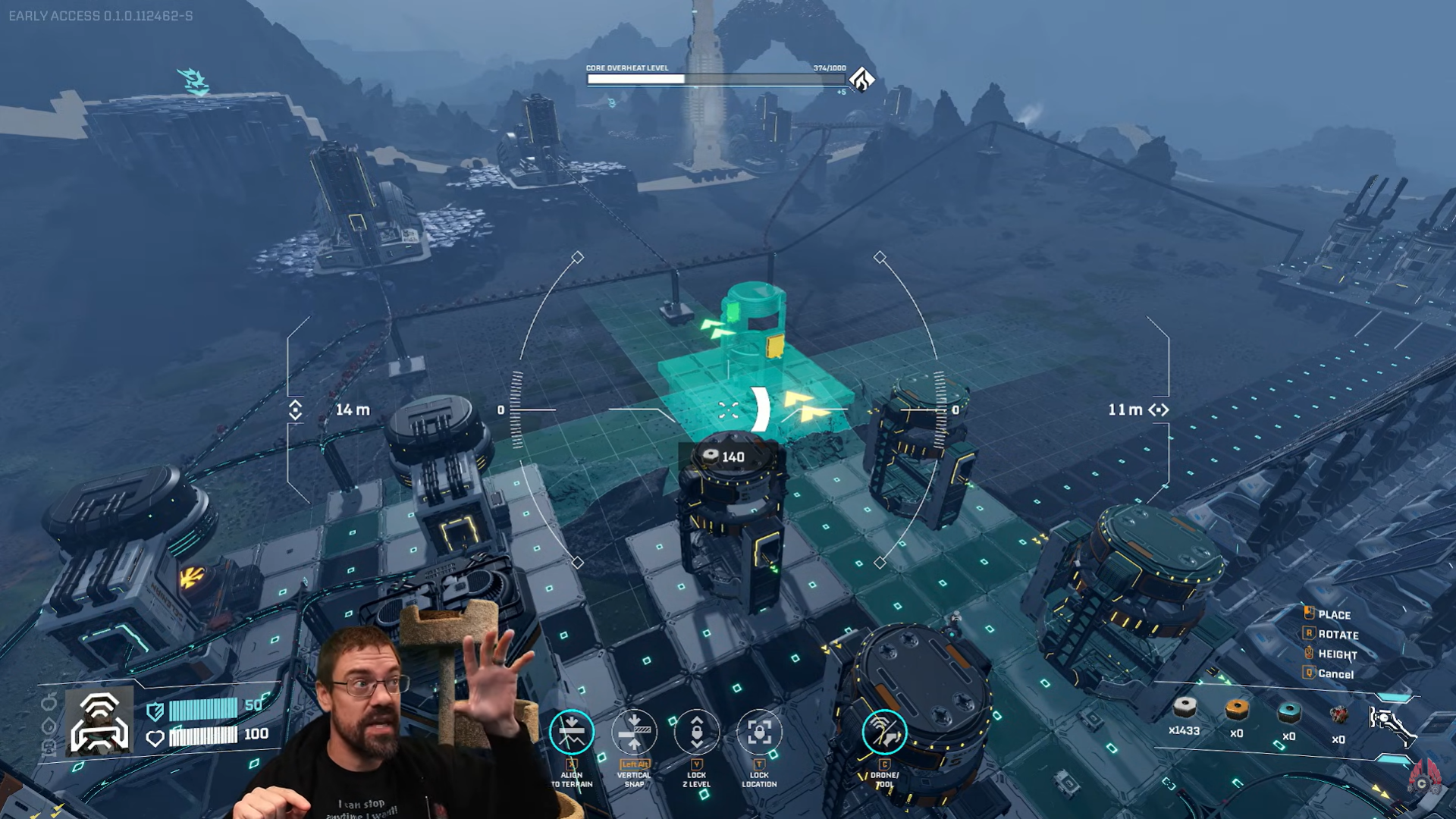
Push and pull comparison
| Feature | Push system | StarRupture pull system |
|---|---|---|
| Item movement | Constant | Demand-driven |
| Rail or belt fill | Always fills | Empty without demand |
| Resource splitting | Manual | Automatic |
| Risk of overflow | High | Low |
| Best for | Linear factories | Scalable networks |
Why rails behave differently in StarRupture
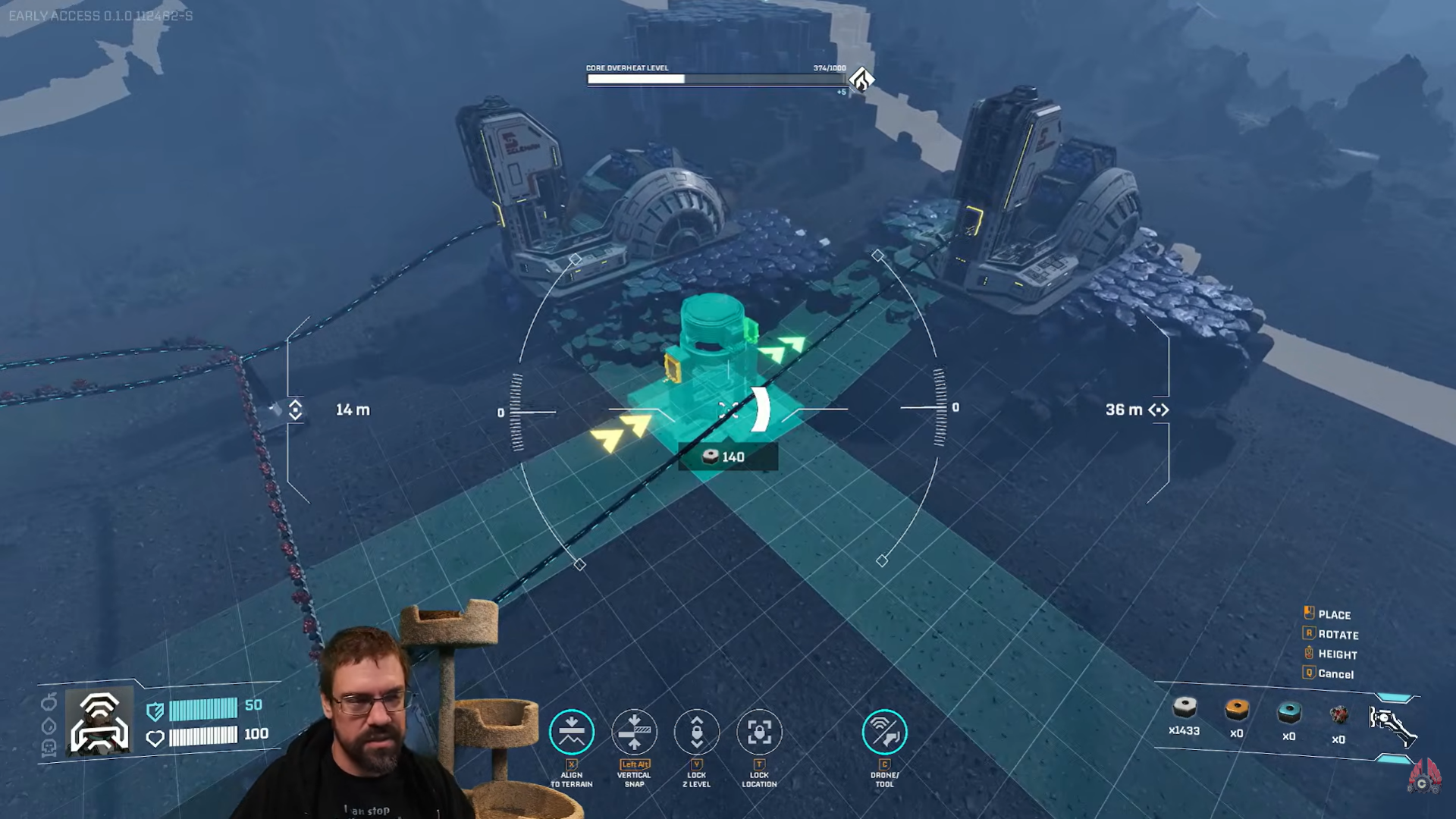
Rails in StarRupture don’t behave like conveyor belts. You won’t see items endlessly circulating unless a structure has requested them.
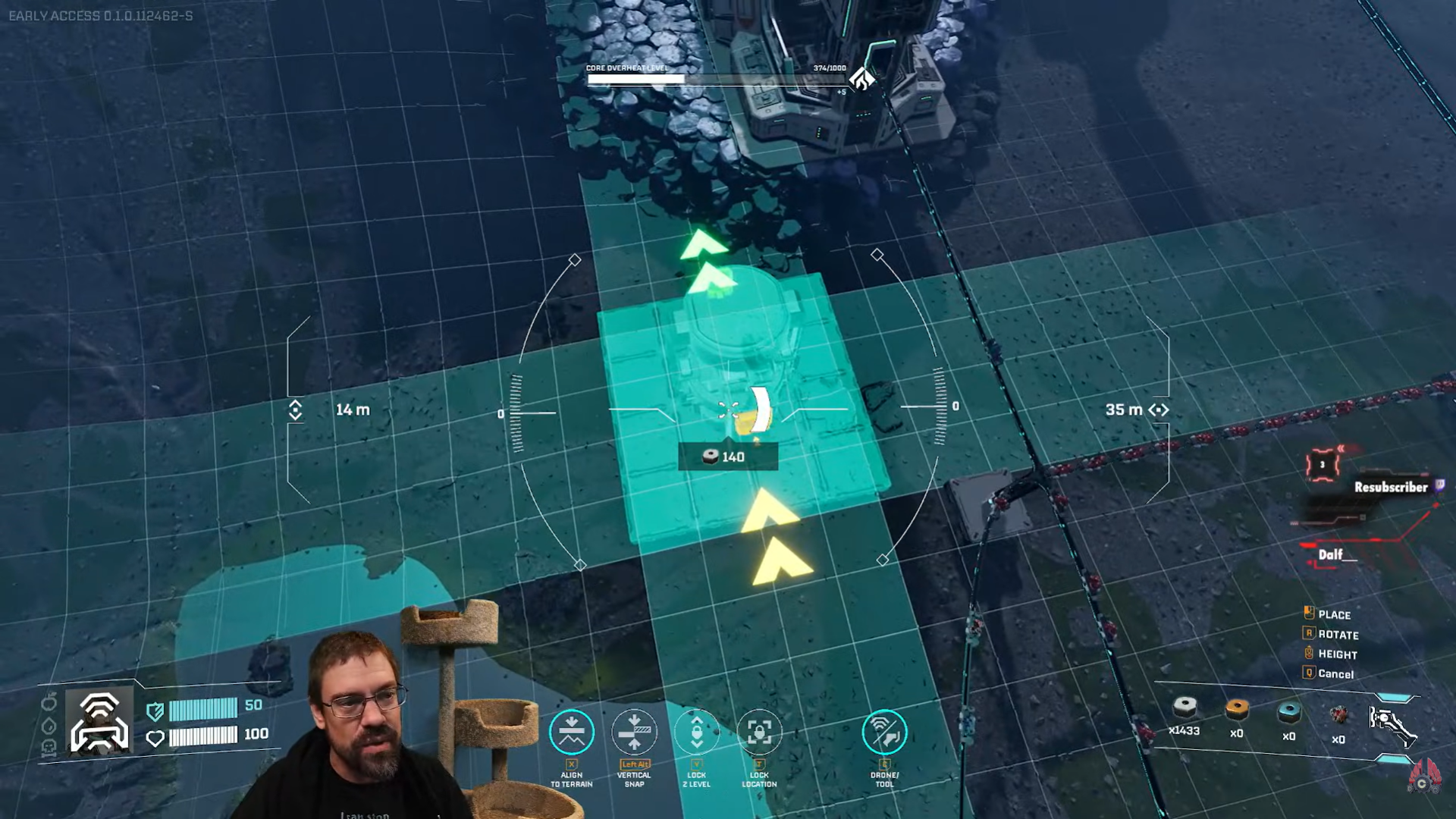
When a machine asks for a large quantity, rails may temporarily fill to satisfy that request. Once fulfilled, the network clears again. This can look like a push system, but it’s still demand-based under the hood.
How to design factories for pull-based logistics
Think in demand instead of output
Instead of asking “Where do these items go?”, ask “Who needs them?”
- Centralize storage so multiple machines can pull from one source
- Ensure rail paths are short and unobstructed
- Watch for single machines requesting very large stacks
Avoid bottlenecks in pull networks
- Split rail paths when many machines pull from the same storage
- Avoid long circular loops that can temporarily saturate
- Use buffers near high-demand machines
Pull systems are forgiving, but poor flow design can still slow production.
Why StarRupture feels easier to manage
The biggest advantage of a pull system is reduced micromanagement.
- You don’t need complex belt balancing
- Resources naturally go where they’re needed most
- Rebuilding sections of your factory rarely breaks the entire system
Once connected, machines handle the logic for you.
Why the push and pull difference defines StarRupture
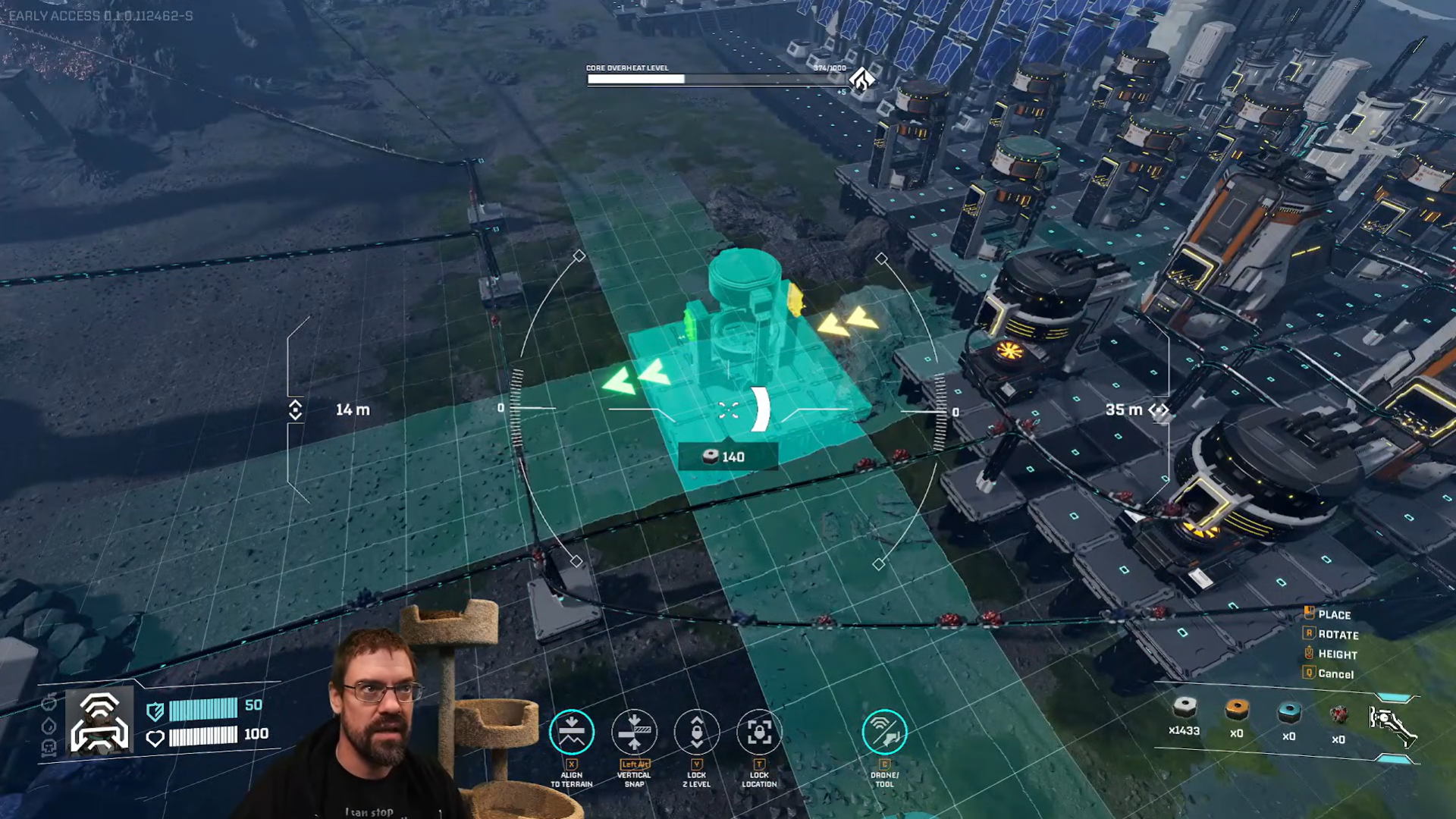
This demand-first approach is one of the reasons StarRupture feels fundamentally different from other factory builders. You spend less time fighting logistics and more time expanding, optimizing, and surviving the world around your base.
StarRupture’s pull system rewards clean network design and clear demand paths. Once you stop expecting constant flow and start building around requests, the system becomes intuitive and powerful.
More from StarRupture
- Your Guide to StarRupture Classes [AIO]
- Complete Guide to the Analyzing Station & Farming Data Points
- How to Get Helium in StarRupture Early
- How to Get Wolfram Ore in StarRupture Early
- How to connect power in StarRupture
About StarRupture
| Field | Details |
|---|---|
| Official Title | StarRupture |
| Developer | Creepy Jar |
| Publisher | Creepy Jar |
| Release Stage | Early Access |
| Launch Date | January 6, 2026 |
| Platform | Steam (PC) |
| Genre | First-person open-world survival, base building, exploration |
| Game Modes | Single-player, Online Co-op (up to 4 players) |
| Core Focus | Base building, automation, resource management, combat vs alien creatures |
| Setting | Hostile alien planet with dynamic environmental hazards |
| Early Access Note | Active development; content and mechanics may change |
Thanks for taking the time to go through this push and pull system guide for StarRupture. If it helped you understand things better, do share your thoughts, impressions, or doubts in the comments section. We keep a close watch and try to respond promptly to ensure you always get the support you need.