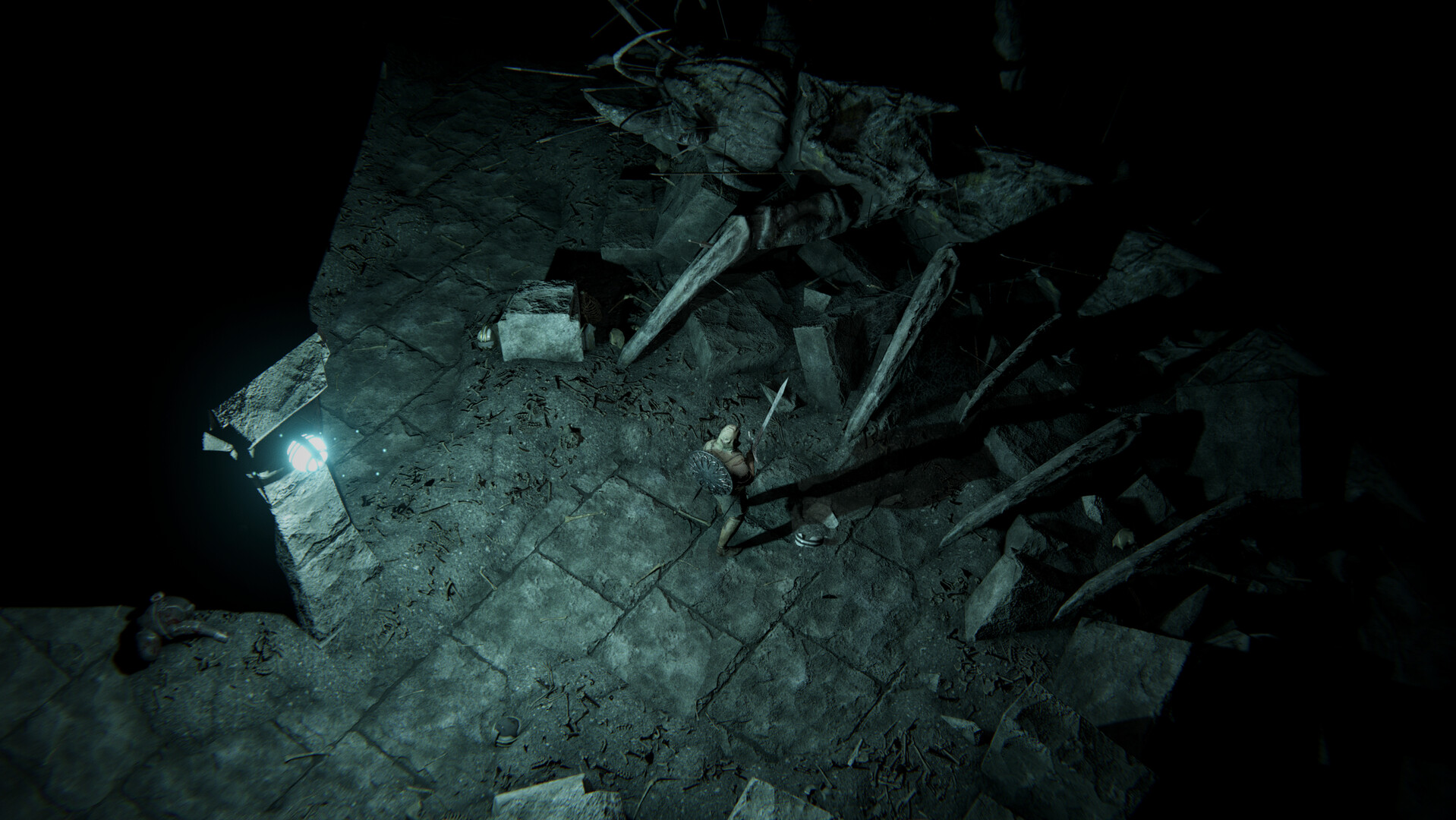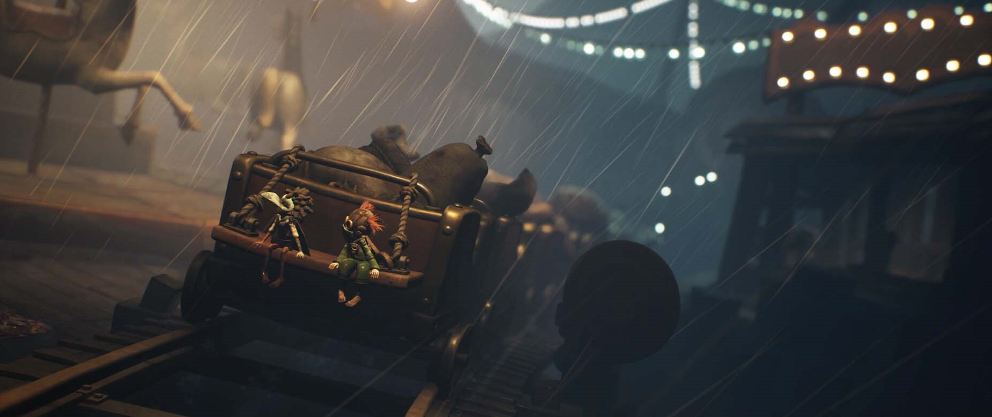
Supermassive Games takes the reins for Little Nightmares 3, introducing co-op play and a new style to the acclaimed horror franchise.
Little Nightmares 3 was developed by a new company due to a shift in IP ownership and studio focus. The first two games were praised for their unique horror, but the new installment’s reception has been more mixed, especially regarding its changes and new features.
What to know
- Little Nightmares 3 was made by Supermassive Games, not Tarsier Studios, because the original developer changed ownership and left the franchise.
- Tarsier Studios created the first two celebrated games before their acquisition by Embracer Group in 2019.
- The earlier games received strong praise for their atmosphere, gameplay, and psychological horror, making them indie horror standouts.
- Little Nightmares 3 brings notable changes, such as online co-op and unique character abilities, but reviews and player reactions are more lukewarm, as some miss the original style.
Little Nightmares 3 marks a turning point for the franchise, with a new developer at the helm and fresh twists to its signature horror puzzle-platforming gameplay. This entry builds on the legacy of Tarsier’s terrifying adventures but brings noticeable shifts in both production and experience.
Why Little Nightmares 3 has a new developer
Tarsier Studios, the Swedish creators of the first two games, was acquired by Embracer Group in 2019. While Tarsier shifted its focus to new IPs and original projects, Bandai Namco retained control of the Little Nightmares intellectual property. Wanting to continue the franchise, Bandai Namco selected Supermassive Games—well-known for narrative horror titles like Until Dawn—to handle the third entry.
Supermassive was chosen for its expertise in horror storytelling, existing relationship with Bandai Namco, and experience with co-op gameplay, aligning with the vision for Little Nightmares 3 to expand into online cooperative modes while maintaining the eerie, unsettling atmosphere the series is known for.
What’s new with Little Nightmares III
Switching developers has allowed (or necessitated) several changes to the formula. Here are the key ones:
| Aspect | What may change (or has changed) | What is likely to remain |
|---|---|---|
| Gameplay features | Online co-op as a new mechanic with two playable characters: Low and Alone | Puzzle-platforming, stealth, environmental storytelling |
| Narrative / protagonists | Focus on new leads rather than continuing Six or Mono’s story | Dark, surreal tone and themes of childhood fears |
| Visual and design style | Potential upgrades in lighting and animations due to Supermassive’s engine | The eerie, toy-like, disproportionate aesthetic the series is known for |
| Development approach | A collaborative effort between Bandai Namco and Supermassive | Commitment to preserving the series’ tone and identity |
Looking ahead for Little Nightmares 3
The developer shift marks a new era for Little Nightmares. While Tarsier’s departure closes one chapter, Supermassive’s arrival brings fresh creative energy. With their experience in storytelling and co-op design, fans can expect a faithful yet expanded evolution of the series’ haunting charm.