What to know
- Beds are mainly located in settlements like Hernand Town and estate camps.
- You can also rest at base camps scattered across the open world.
- Sleeping restores health, energy, and reduces fatigue.
- Rest duration can be adjusted between short, medium, and full sleep cycles.
Resting is a core survival mechanic in Crimson Desert, especially during long exploration sessions or after intense combat. If you’re wondering where to find a bed, the game doesn’t always make it obvious, but there are a few reliable locations and patterns you can follow.
Quick overview of bed locations and usage
| Category | Details |
|---|---|
| Main Town Bed | Hernand Town (Hernandian Territory) |
| Estate Location | Sekris Estate – Anvil Hill |
| Alternative Spots | Camps / Base Camps |
| Interaction Key | Hold E (default) |
| Rest Options | 3h / 6h / 12h |
| Benefits | Restore health, reduce fatigue |
Hernand Town bed location explained
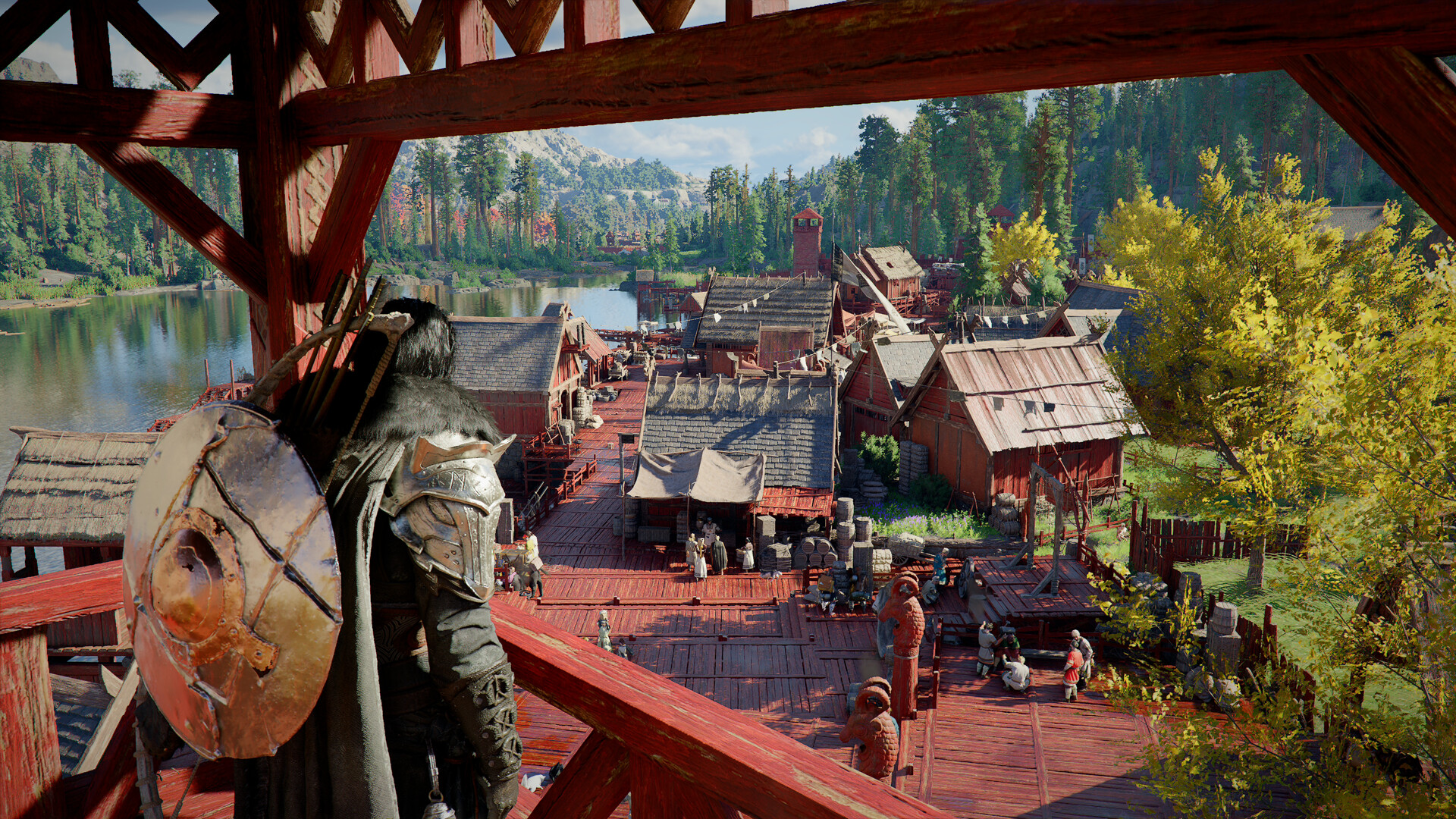
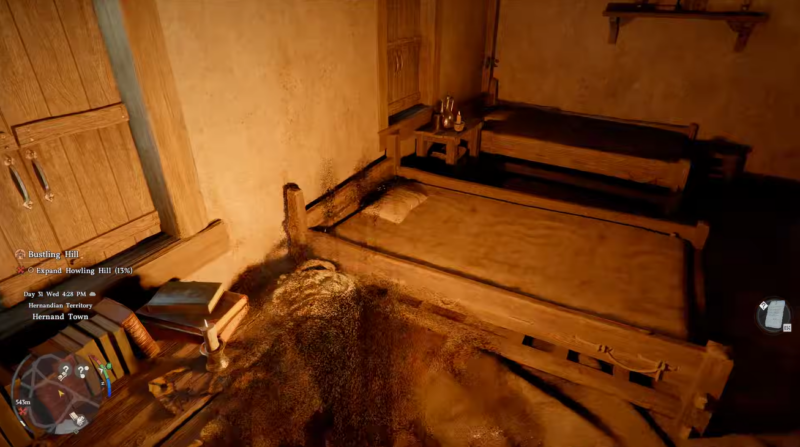
The most accessible early-game bed can be found in Hernand Town, located in the Hernandian Territory. When you open your map, look for a tree icon, which marks a key area within the town.
Directly opposite this tree marker, you’ll find a building that contains beds available for use. This is one of the safest and most reliable places to rest, especially if you’re progressing through early story quests.
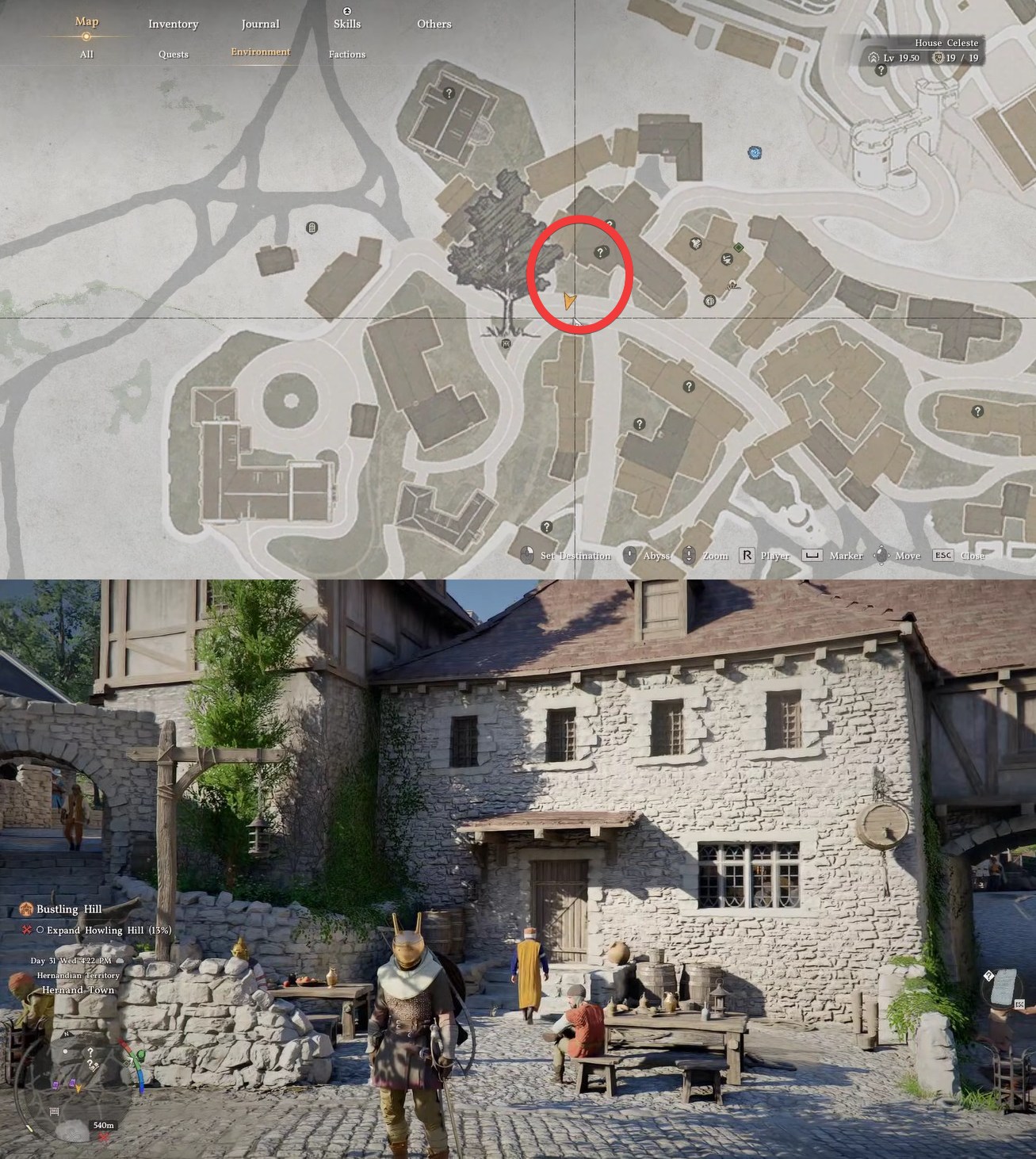
Unlike random exploration beds, this location is consistent and easy to revisit, making it ideal as your primary rest hub.
Sekris Estate bed near Anvil Hill merchants
Another dependable bed location is in Sekris Estate, specifically around Anvil Hill. This area is slightly more advanced compared to Hernand Town but still easy to access as you progress.
Look around the merchant tents in Anvil Hill, as beds are placed nearby for player use. These are often used as resting points between trading or crafting sessions.
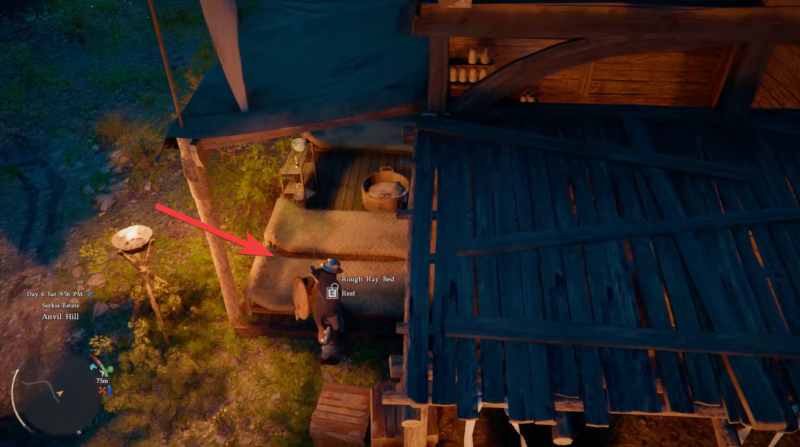
This spot is particularly useful if you’re farming resources or interacting with vendors, since you can quickly reset your fatigue without leaving the area.
Base camps and open-world resting spots
Beyond towns and estates, Crimson Desert allows you to rest at camps and base camps scattered throughout the world. These locations are especially helpful during long journeys.
You’ll often encounter camps while exploring wilderness areas, completing quests, or traveling between regions. While not all camps are guaranteed to have beds, many of them function as temporary rest points.
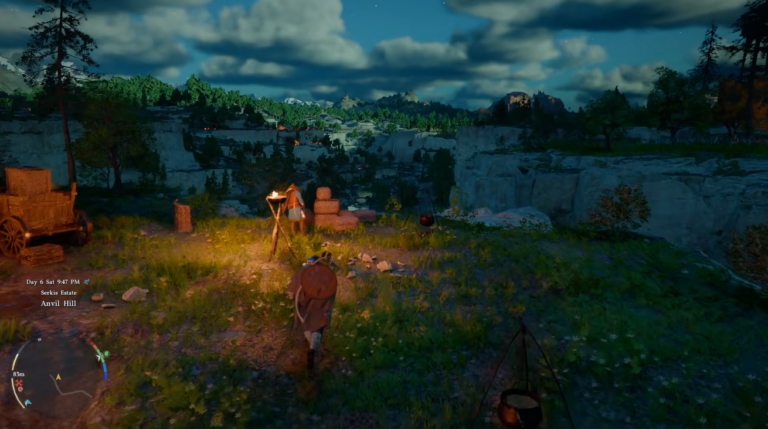
Using these camps effectively reduces the need to fast travel back to towns, helping you maintain momentum during exploration.
How to rest and recover efficiently
Step 1
Approach any bed in the game world and stand close enough to interact.
Step 2
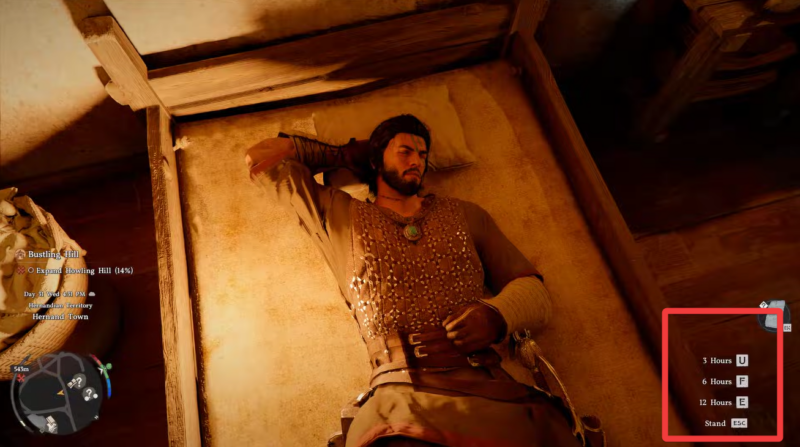
Hold the interaction key (default: E on keyboard) to lie down.
Step 3
Choose your preferred rest duration based on your needs.
| Rest Type | Duration | Best Use Case |
|---|---|---|
| Short Rest | 3 hours | Quick recovery during quests |
| Medium Rest | 6 hours | Balanced recovery |
| Full Rest | 12 hours | Maximum fatigue reset |
Step 4
Wait for the rest cycle to complete, then press Escape to get up and continue playing.
Why resting matters in Crimson Desert
Resting isn’t just a minor mechanic—it directly impacts your efficiency in combat and exploration. Fatigue buildup can slow you down, reduce effectiveness, and make encounters harder.
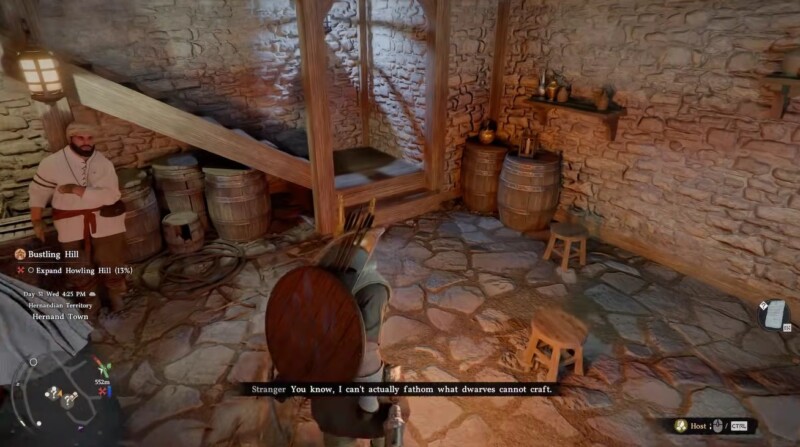
By regularly using beds, you maintain optimal performance, especially during boss fights or extended missions.
It also helps manage time cycles in the game, allowing you to control whether you operate during day or night, which can affect certain quests and enemy behavior.
Practical tips for always finding a bed
Whenever you enter a new town or estate, make it a habit to locate a nearby bed immediately. This saves time later when you need quick recovery.
Keep an eye on landmarks like trees, merchant tents, and central buildings, as beds are often placed near these points.
If you’re deep in the wilderness, prioritize finding camps rather than pushing forward with high fatigue. This small adjustment can significantly improve your survivability.