- What to know
- How Parseword differs from Wordle and traditional crosswords
- Where can you play Parseword
- Core elements used in Parseword puzzles
- How to play Parseword puzzles explained
- The three game modes explained
- Why Parseword exists
- Why Parseword may appeal to puzzle fans
- Understanding the challenge of Parseword
What to know
- Parseword is a daily word puzzle game created by Josh Wardle, the creator of Wordle.
- It focuses on cryptic crossword-style clues, where the clue itself hides the answer.
- The game includes tutorials, hints, and multiple difficulty modes to help beginners learn.
- Instead of a crossword grid, you solve a single daily clue using wordplay mechanics.
After the global success of Wordle, game designer Josh Wardle returned with a new puzzle concept called Parseword. While Wordle focused on simple word guessing, Parseword is designed to teach players the logic and structure behind cryptic crossword puzzles. The game emphasizes learning and experimentation, guiding players through word transformations and clues that reveal how cryptic puzzle rules work.
Unlike traditional crossword puzzles, Parseword treats each clue as a standalone puzzle where players manipulate words and phrases to discover the hidden answer.
| Feature | Details |
|---|---|
| Game name | Parseword |
| Creator | Josh Wardle |
| Genre | Word puzzle / cryptic crossword learning game |
| Release | 2026 |
| Gameplay format | Daily puzzle |
| Difficulty | Medium to hard compared to Wordle |
| Modes | Learn mode, Play mode, Challenge mode |
| Price | Free to play |
| Core goal | Decode wordplay to reach the final solution |
How Parseword differs from Wordle and traditional crosswords
Parseword sits somewhere between a crossword puzzle and a logic puzzle. While Wordle requires you to guess a five-letter word through feedback, Parseword asks you to analyze a clue and transform words according to specific wordplay rules.
In a typical crossword puzzle, the clue simply points to a definition or piece of trivia. Cryptic crosswords—and by extension Parseword—work differently. Each clue contains two parts: a definition and a piece of wordplay that describes how to build the answer.
For example, a clue might instruct you to remove letters, combine words, or rearrange them to reach a new term that matches the definition.
This makes Parseword more of a logic-based language puzzle, requiring creativity and pattern recognition rather than simple guessing.
Where can you play Parseword
Parseword is played online as a daily puzzle game. Instead of navigating a crossword grid, you are given a single puzzle clue each day, which contains several words that can be transformed into the final answer through cryptic wordplay rules. The design intentionally removes the traditional crossword board to focus entirely on understanding how the clue works.
The interface provides interactive hints, explanations, and tutorial puzzles that help you gradually learn common cryptic crossword techniques.
Core elements used in Parseword puzzles
To solve puzzles in Parseword, players need to understand several types of wordplay techniques commonly used in cryptic crosswords.
| Wordplay element | Explanation |
|---|---|
| Anagrams | Rearranging letters to form a new word |
| Deletions | Removing letters from a word |
| Containers | Putting one word inside another |
| Replacements | Swapping words or parts of words |
| Homophones | Words that sound the same but differ in spelling |
These mechanics act like puzzle-building tools. The clue itself usually signals which technique you need to apply.
How to play Parseword puzzles explained
Step 1 – Understanding the clue
Open the Parseword daily puzzle and read the clue carefully. The clue will direct you about the puzzle and how to go about it.
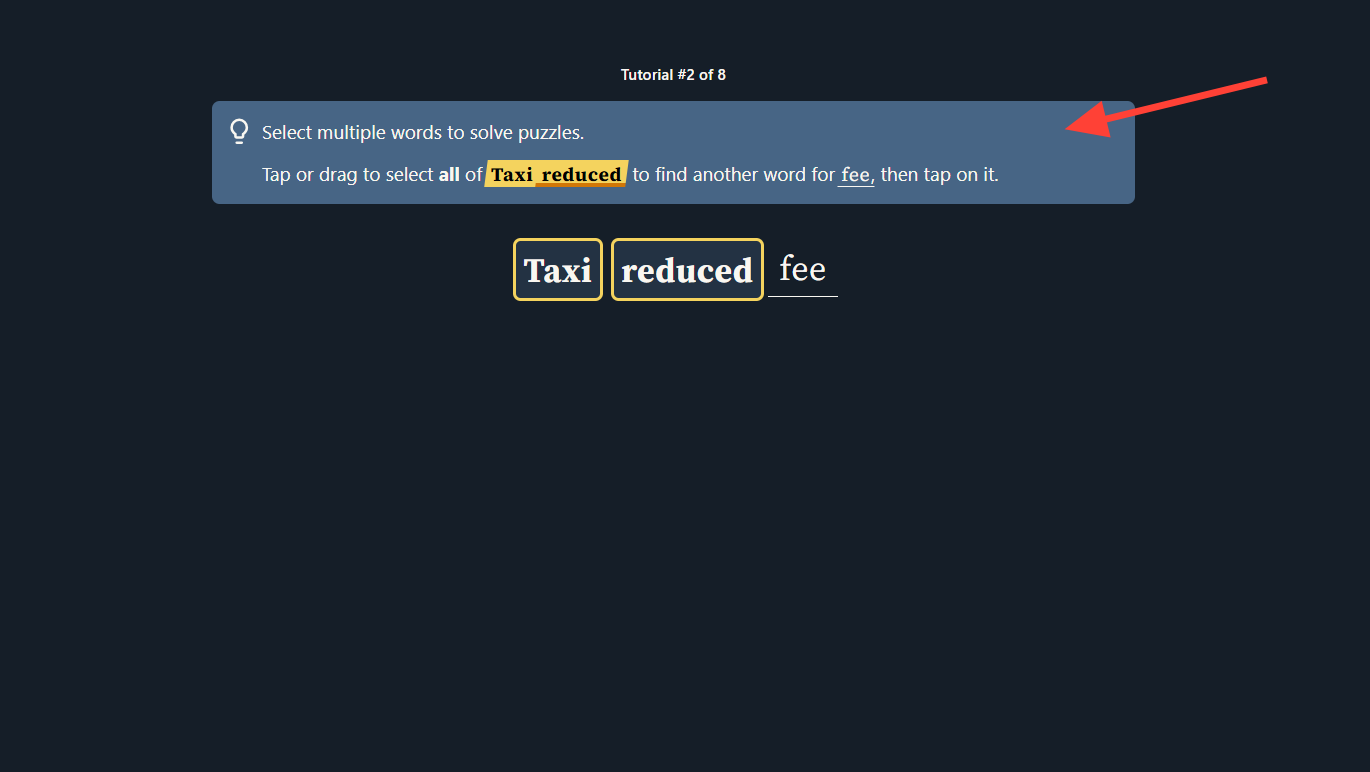
Step 2 – Finding the solution’s meaning in the puzzle
In Parseword, you need to transform the words into another word, which means the underlined word. Here, you need to transform “taxi” into “reducing” such that it means “fee.”
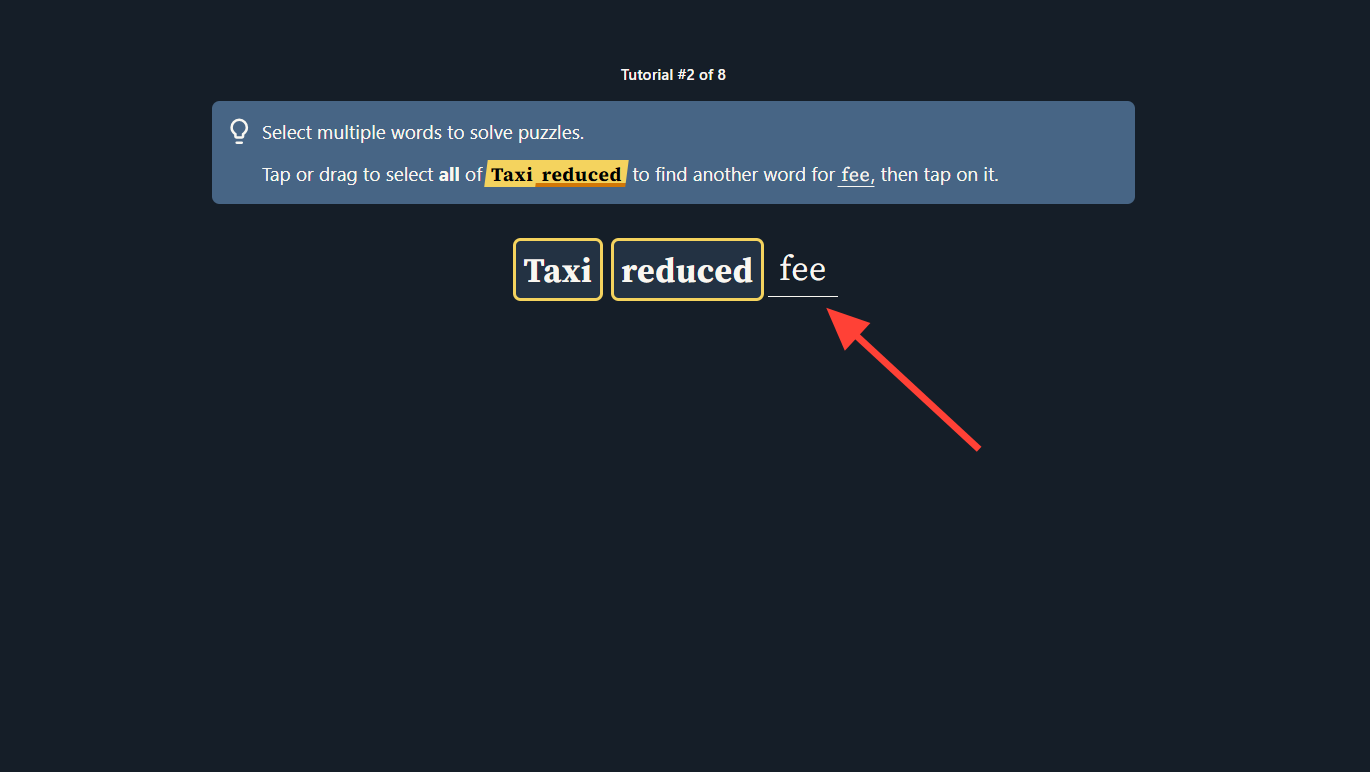
Step 3 – Finding the indicator word
Look for indicator words that tell you which wordplay technique to use. Words like “reduced,” “mixed,” or “inside” often signal a specific transformation. You can check the indicator as it is denoted by a yellow and orange underline when clicked.
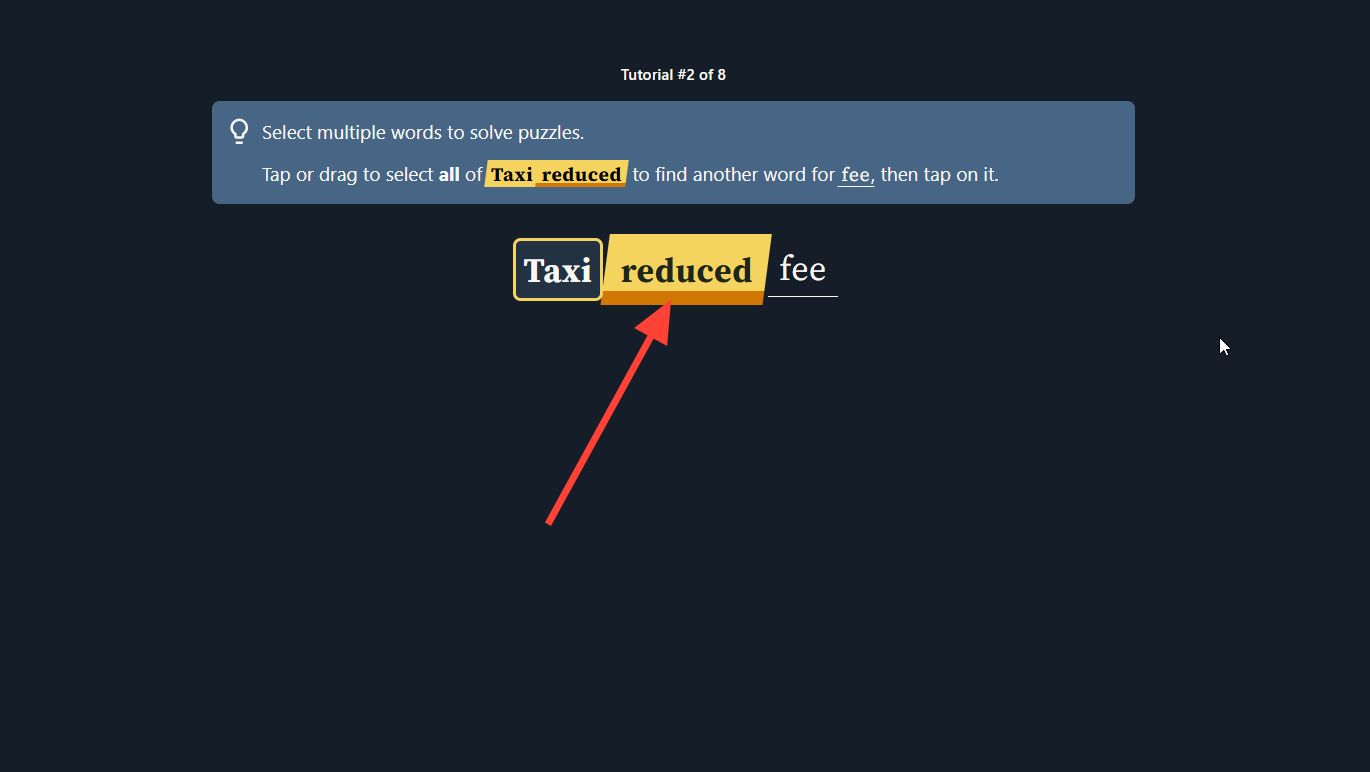
Step 4 – Word transformation
Transform the provided words according to the indicator. You may need to delete letters, rearrange them, replace a word with a synonym, or combine words.
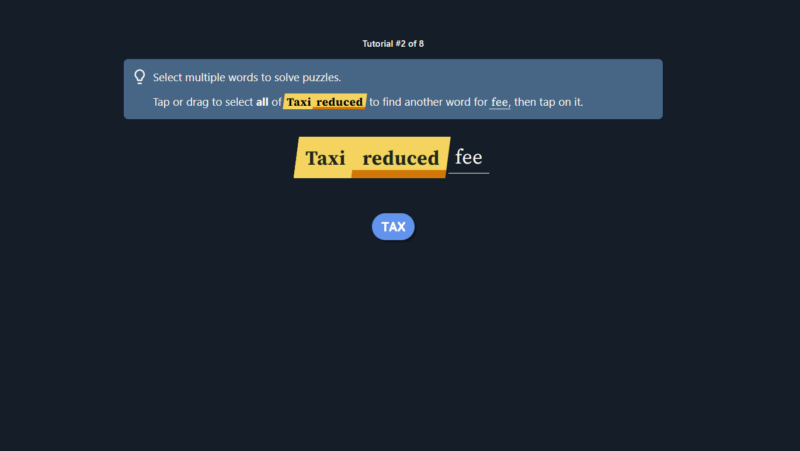
Step 5 – Checking solution
Check if the resulting word matches the definition provided in the clue. Here, when taxi is reduced, it becomes “tax.” Submit the solution and review the explanation provided by the game to understand how the puzzle works.
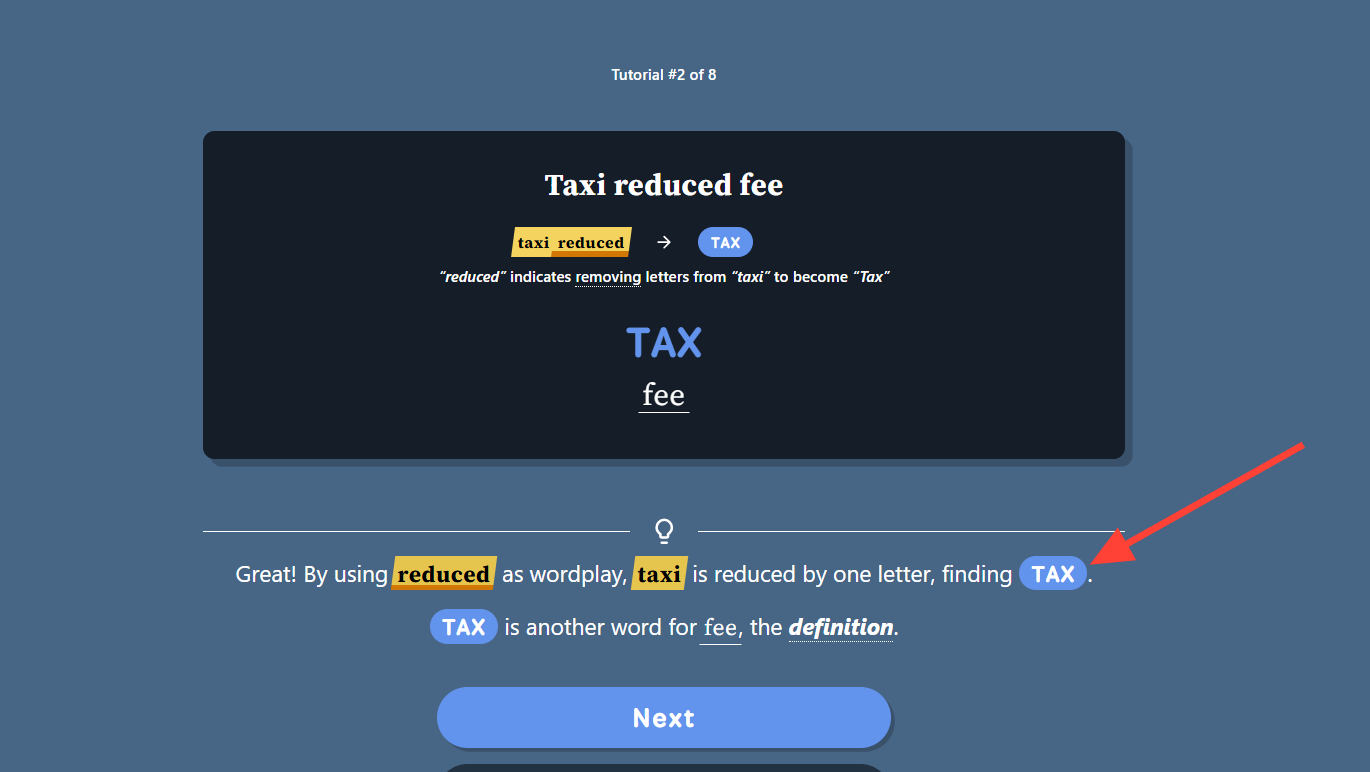
Over time, you’ll start recognizing common patterns used in cryptic crossword puzzles.
Step 6 – Word replacement
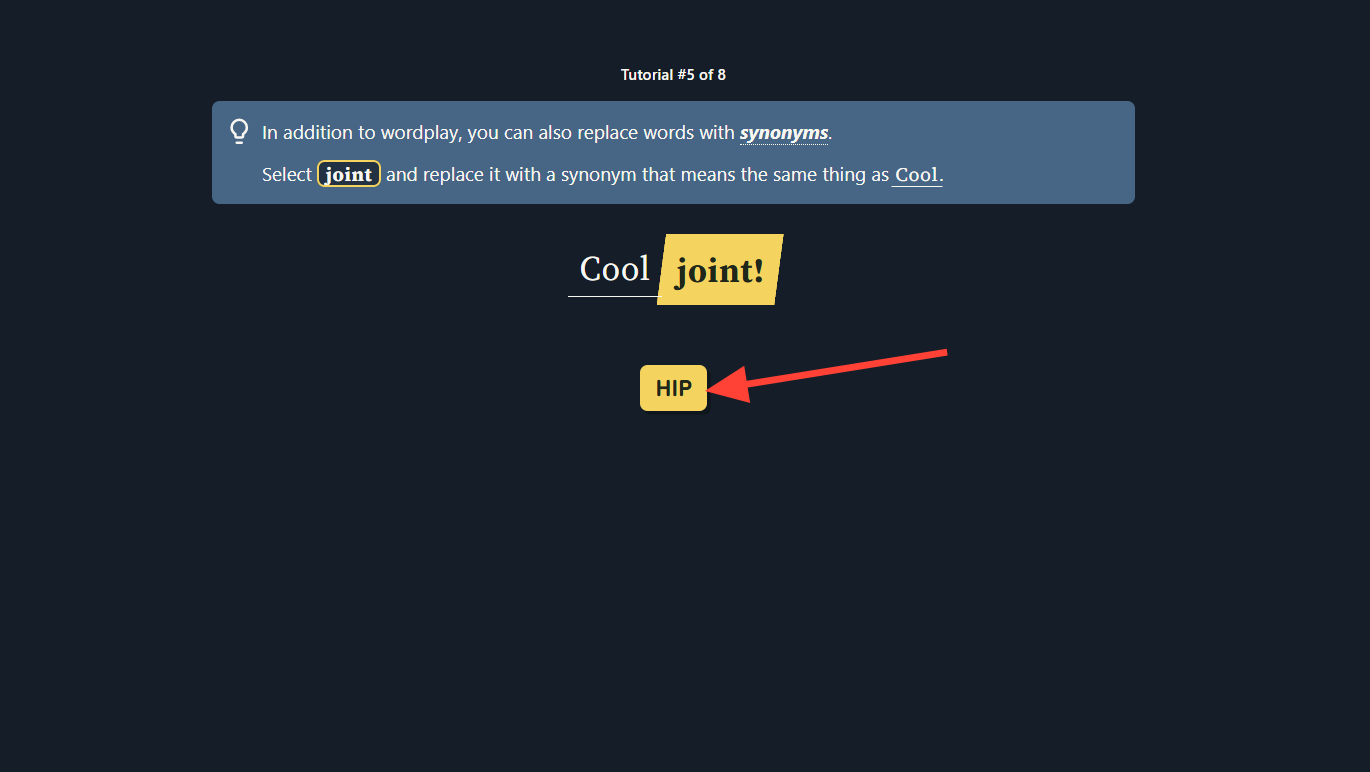
World replacement is easy in Parseword. If the tranform is not given, you can simply click on the word, it will show you the synonyms or the replacements which you can use for solution. Here, when you click “joint!” you get “hip” as a replacement option.
Step 7 – Word length
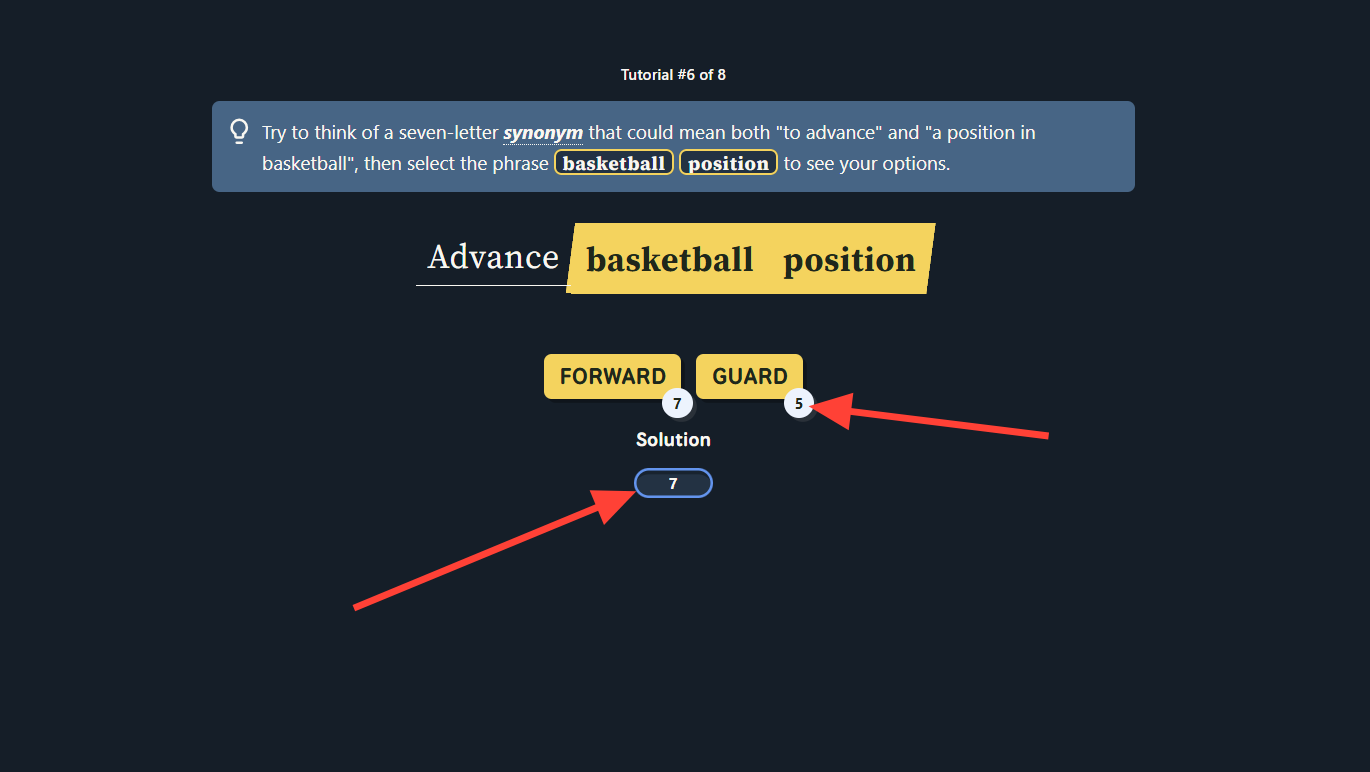
When moving to a higher number of words, you can see the number of letters the final word will have, in a button with a number, below the puzzle. Here, it is “7,” meaning that the final word will have 7 letters. You can also check the letter number by seeing the replacement words.
Step 8 – Using replacement with an indicator
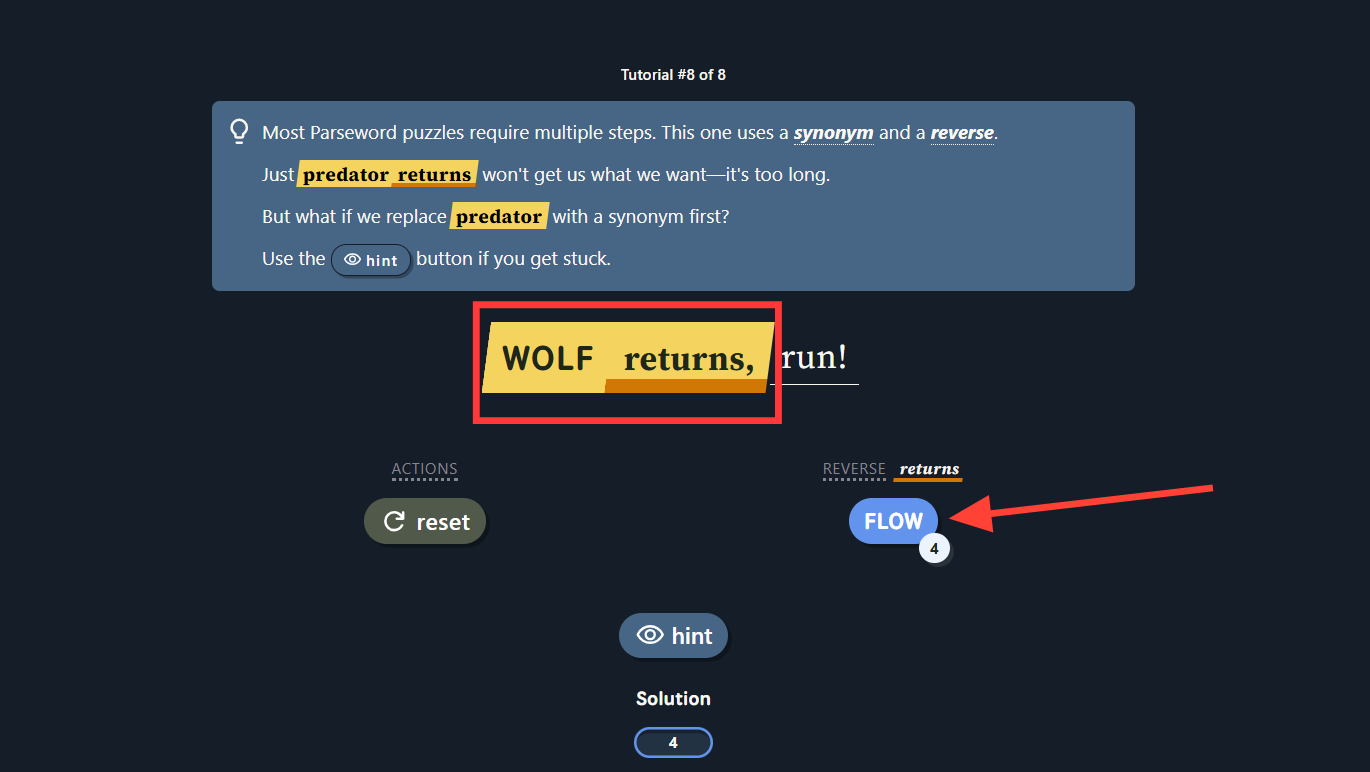
Using a replaced word with an indicator simply means you first replace a word from the puzzle; here, we replace “predator” with “wolf.”
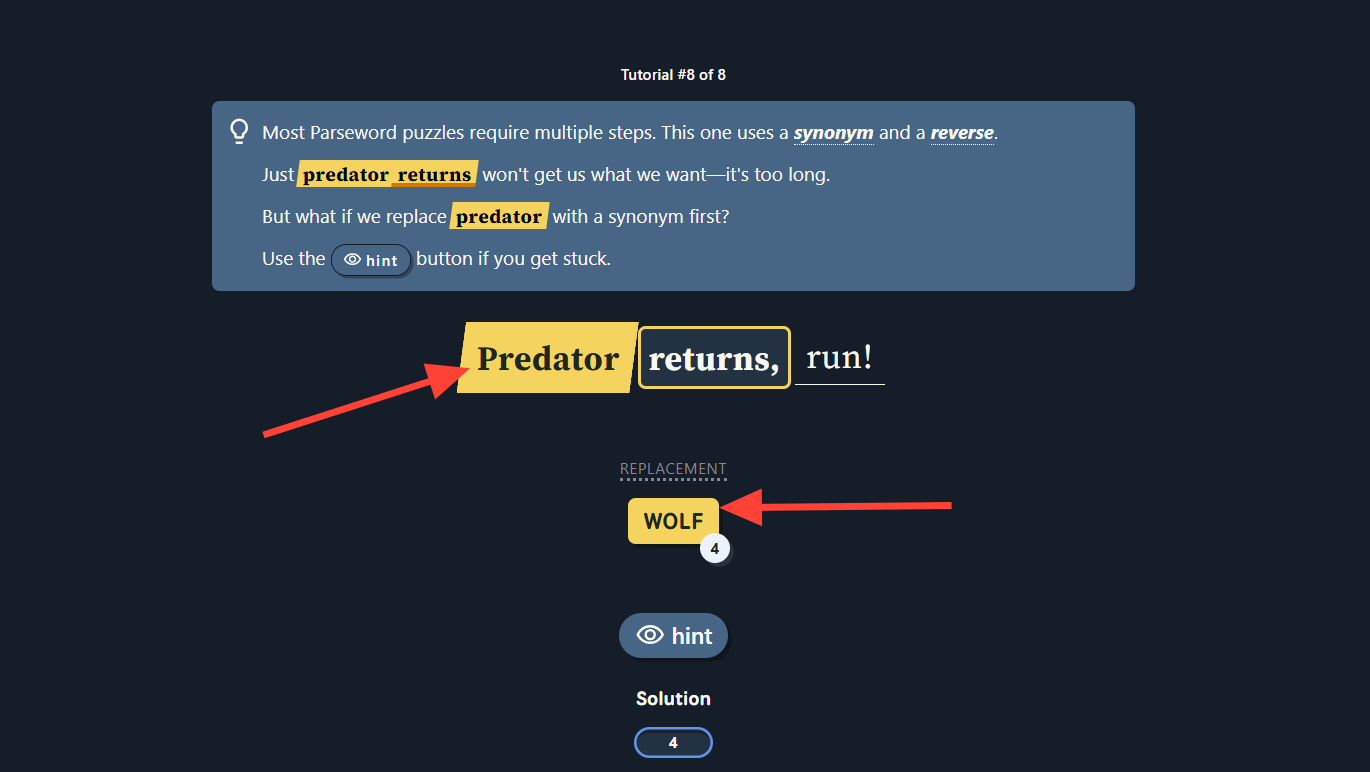
Upon replacing, you can combine the replaced word with the indicator to get the final solution. Here, when you combine “wolf” with “returns,” you get “flow,” which is a mirror word for wolf. Flow is a synonym of run.
The three game modes explained
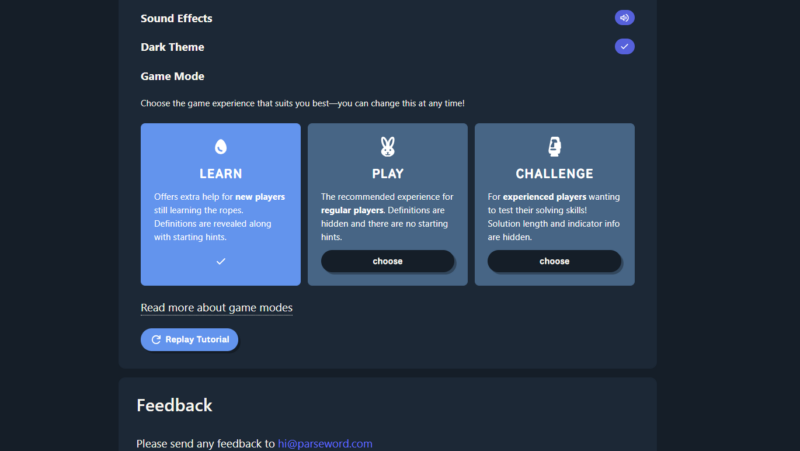
Parseword offers different modes so players can gradually increase the difficulty.
| Mode | Description |
|---|---|
| Learn mode | Shows hints, definitions, and guidance to teach puzzle rules |
| Play mode | Standard mode with fewer hints |
| Challenge mode | Advanced mode with minimal information and no obvious clues |
These modes allow beginners to learn gradually while still offering a challenge to experienced puzzle solvers.
Why Parseword exists
Josh Wardle designed Parseword after becoming fascinated with cryptic crosswords. He wanted to build a game that teaches the structure of cryptic clues rather than leaving them mysterious and intimidating.
Traditional cryptic crosswords can be difficult for newcomers because the rules are rarely explained clearly. Parseword attempts to solve this by breaking clues into logical steps and providing explanations.
Unlike Wordle, which became a massive viral hit, Parseword is intended as a learning-focused puzzle experience rather than a social trend.
Why Parseword may appeal to puzzle fans
Players who enjoy logic puzzles, crossword games, and wordplay challenges may find Parseword especially rewarding.
Key reasons people enjoy it include:
- Learning cryptic crossword techniques
- A fresh type of daily puzzle
- Gradual difficulty progression
- Creative word manipulation mechanics
However, the game is also noticeably harder than Wordle and requires patience and practice.
Understanding the challenge of Parseword
Parseword intentionally targets players who enjoy complex word puzzles. While Wordle became popular partly because it was easy to learn, Parseword takes the opposite approach by introducing a deeper system of puzzle mechanics.
Because cryptic crossword clues rely heavily on wordplay, solving them often requires recognizing subtle linguistic patterns. As a result, some puzzles may feel difficult until you become familiar with the common indicators and transformations used in the clues.