A water collector in Green Hell is a simple, passive way to get clean drinking water at your base, even when it’s not raining.
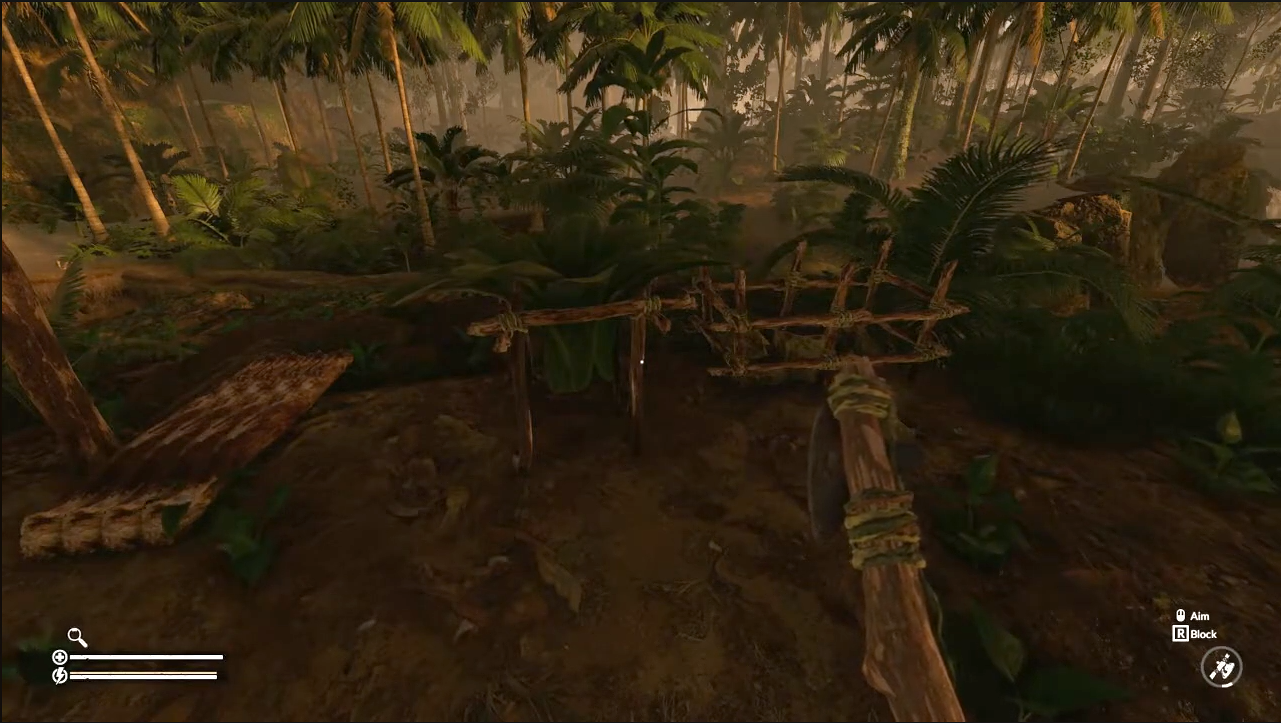
In Green Hell, the water collector is a small structure that hangs from a tree or support and passively gathers clean water over time. It doesn’t need to be refilled manually and will keep dripping water into a container placed directly underneath it, as long as that container is empty or has space.
How the water collector works
The collector works even when it’s not raining, but it fills the container very slowly; during rain, it fills in just a few seconds. The water it produces is clean and safe to drink directly, so you don’t need to boil or filter it first.
How to unlock the water collector
The water collector is unlocked in one of two ways:
- Find one in the world: Early in the game, you’ll come across a water collector already built at certain locations (like the drug den). Walk up to it and interact to unlock the blueprint in your notebook.
- Notebook unlock: If you haven’t found one yet, open your notebook and go to the “Water” tab. The water collector recipe should appear there once you’ve progressed far enough to unlock basic water structures.
Once unlocked, you can craft and place your own water collectors at your base or any campsite.
How to craft the water collector
To build your own water collector, open your notebook and select the Water Collector recipe from the Water tab. The required materials are:
- Long Stick: x4
- Stick: x4
- Rope: x4
- Banana Leaf: x11

These are all early-game materials:
- Long sticks and sticks come from cutting down small trees or branches with a machete or knife.
- Rope can be made from vines or fibers (like from a banana tree).
- Banana leaves are harvested from banana trees by cutting the leaves with a knife.
Once you have the materials, craft the water collector in your notebook and it will appear in your inventory as a building item.
How to place and use it
Once you’ve crafted the water collector, follow these steps to set it up:
Step 1: Place the collector
Select the water collector in your inventory and place it on the desired spot.

Step 2: Put a container underneath
Place an empty container directly under the drip point of the collector. Valid containers include:
- Coconut bowl (from a green coconut)
- Tortoise shell (from a tortoise)
- Pot (found at certain locations, like the drug den)


Placing a Coconut bowl under the Water Collector (Image credit: Creepy Jar | Via: YouTube – Keith Kay)
Step 3: Wait for water to collect then drink
Place the collector and wait for it to fill with clean water, rain speeds this up, but it still works slowly in dry weather. Once full, drink directly from the container or transfer the water to a bidon, with no boiling or filtering required.

Tips for using the water collector
- Build several collectors: Place 2–3 water collectors at your main base so you always have a steady supply of clean water, even in the dry season.
- Use it with other water sources: Combine the collector with a water filter or rain catchers (coconut bowls left out in rain) for a robust water system.
- Place it under cover: The collector still works under a roof, so you can protect it from animals and keep it near your sleeping area.
- Refill bidons: Use the collected water to fill your bidons so you always have clean water when exploring.
How it compares to other water options
| Method | Water quality | Speed | Materials needed |
|---|---|---|---|
| Water collector | Clean (drinkable) | Slow (dry), fast (rain) | Long sticks, sticks, rope, banana leaves |
| Water filter | Clean (drinkable) | Fast (with dirty water) | Bamboo, rope, charcoal, stone |
| Rain catchers (bowls/shells) | Clean (drinkable) | Fast (only in rain) | Coconut bowls, tortoise shells |
| Boiling dirty water | Clean (drinkable) | Medium | Fire, container, dirty water |
The water collector is one of the cheapest and most passive options, making it ideal for a beginner base.
Your reliable water source
The water collector is a simple but essential building that gives you a steady supply of clean drinking water with almost no effort once set up. Craft a few early, place them under trees or inside your shelter with coconut bowls or pots underneath, and you’ll rarely have to worry about dehydration again.
We hope you found value here. Do share your feedback or ask your questions in the comments—we engage often and would love to continue the conversation.