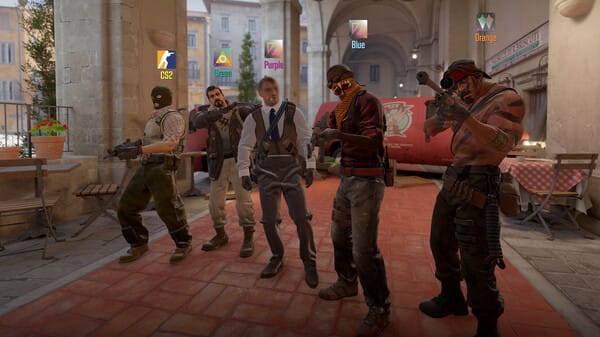
Valve’s surprise Counter-Strike 2 update has upended one of gaming’s richest digital economies, wiping billions in value and sparking intense community backlash.
What to know
- A new update lets CS2 players trade five Covert skins for knives or gloves.
- The change crashed the game’s $6 billion skin market by nearly $3 billion overnight.
- Knife and glove prices fell up to 70%, affecting traders and investors globally.
- Valve faces criticism for destabilizing a long-profitable digital economy.
A massive economic shock hit the gaming world this week as Valve’s October 23 update to Counter-Strike 2 crashed the game’s skin market, long considered one of the most valuable virtual economies. The update introduced a new trade-up contract allowing players to exchange five “Covert”-tier skins for previously ultra-rare knives or gloves. What was hailed by casual players as a fairer way to access premium cosmetics quickly triggered financial chaos across Steam marketplaces and third-party trading platforms.
Before the update, the CS2 skin market was valued at roughly $6 billion, driven by extreme scarcity and collector speculation. With the new system drastically increasing supply, market analysts recorded a rapid collapse of value—initially about $1.75 billion within 24 hours, then approaching $3 billion by October 25. Prices for rare knives such as the Karambit and Butterfly Fade fell by as much as 70%, with Chinese marketplaces like Buff163 leading the downward trend.
CS2’s latest update has wiped about $1 billion from the skin market cap, down from $6 billion to $5 billion
The crash is due to Valve allowing skin ‘trade-ups’ for knives and gloves, which flooded supply pic.twitter.com/qezB49Kxoo
— Dexerto (@Dexerto) October 23, 2025
The update’s effects were felt unevenly. Longtime collectors, especially those who held large inventories as speculative assets, saw six-figure losses. One major trader allegedly lost $900,000 overnight. Meanwhile, everyday players celebrated being able to finally own a knife skin once seen as a “lottery-tier” prize. Social media reactions ranged from outrage and disbelief to memes mocking investors for treating in-game cosmetics like financial instruments.
Valve has not issued an official statement beyond the patch notes but faces growing scrutiny for its opaque market management and the lack of safeguards for players engaging in quasi-financial transactions. Market analysts predict stabilization may occur in the coming weeks, though confidence among investors has already eroded. Many fear this unprecedented crash could transform how digital asset markets are perceived in gaming, blurring the line between play and profit.