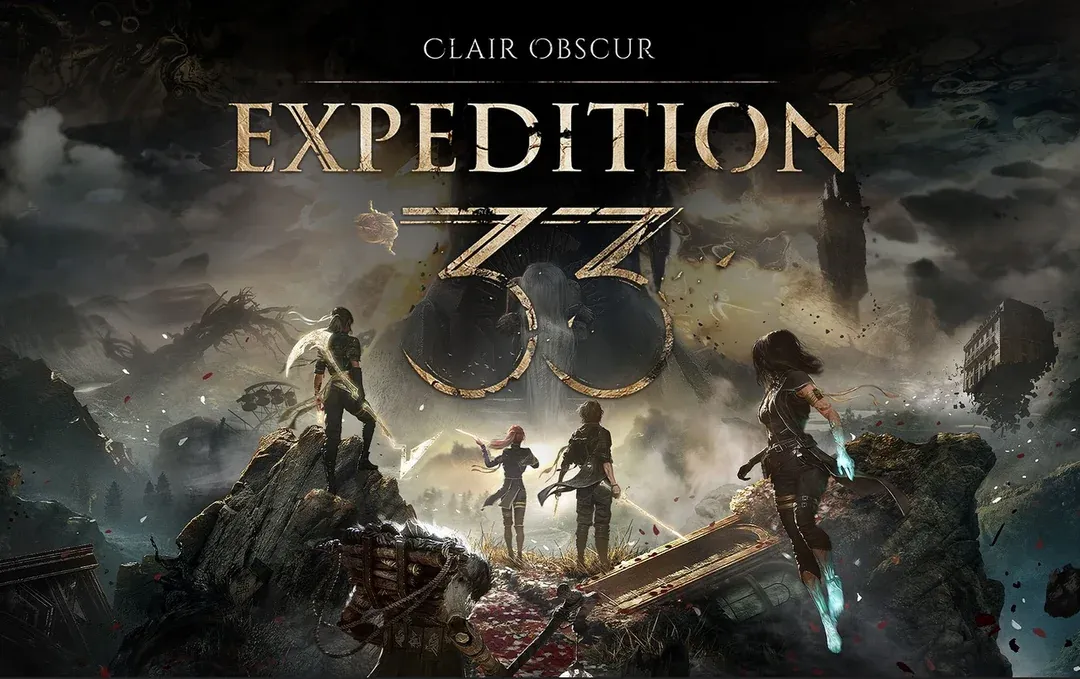
Clair Obscur: Expedition 33 lost its Indie Game Awards wins over the use of generative AI. Was this a necessary stand for creative integrity, or a rigid rules check that punished a great game for a development footnote?
The Indie Game Awards recently stripped Clair Obscur: Expedition 33 of its wins after confirming that generative AI was used during development. Cue outrage, applause, think pieces, and a lot of people suddenly becoming experts on game pipelines overnight.
Depending on who you ask, this was either a necessary stand for creative integrity or a spectacular case of missing the forest for a single AI-generated tree.
What led to Clair Obscur’s disqualification
Firstly, let’s separate facts from fiction. Many developers in power have commented on their take on AI and how it is opening doors for the gaming industry and development as a whole. Not to forget, these debates have been a part of 2025’s big gossip when the Valve Artist defended the Steam’s AI label, against the Epic CEO’s southern thoughts. However, none of this was tampering with the relevance of a game’s audience reception. And that is where the whole scenery of Expedition 33’s trajectory changed.
What do you guys think about this ?
by
u/HeyYouNotYouuYouu in
expedition33
If I see this closely, the Blue Prince, which got awarded the best game at the Indie Game Awards, was also using generative AI, to a certain degree, during pre-production. But the comment is that Expedition 33 did not disclose its AI use, at least not until it was discovered, unlike the Blue Prince. Even if the Blue Prince was created after eight years of toil and without the aid of AI, there is still no reason to eliminate the game that won a million hearts with its first venture.
Why do a lot of people think this is over-the-top
The game people played, reviewed, and voted for was not an AI-generated product. It was a polished, handcrafted experience that stood out because of its art direction, combat, and narrative. Disqualifying it after the fact over a development footnote feels less like protecting creativity and more like enforcing a technicality with a hammer.
From upscaling to animation blending to code suggestions, the line between “acceptable tech” and “forbidden AI” is not nearly as clean as award bodies like to pretend.
It also sends a weird message. Not “we value human creativity,” but “we care more about process purity than the final work people actually experienced.”
A tiny French studio of roughly 33 developers launches Clair Obscur Expedition 33 at $50:
> Outperforms all expectations
> Makes a game better than everyone else
> No ideologicial tickboxing/Wokeness
> Sweeps records, and sells millionsNow freak activists and talentless hacks… https://t.co/sXcJVqkFNv
— Severus Chud (@SeverusChud) December 21, 2025
This controversy isn’t really about Clair Obscur. It’s about the industry still having no idea how to talk about AI without defaulting to extremes.
Either AI is framed as the death of art or as an inevitable tool that should never be questioned. The reality, as usual, sits awkwardly in the middle.
So was it the right call
Procedurally? Yes. The organizers enforced their own rules.
Creatively? That’s far more debatable.
If we are to dig into this, it is not long before AI becomes a mainstream aid for the game development industry. The question thus becomes whether game awards are allocated on the basis of the game’s public popularity or how it was created. In essence, what became an obsession for gamers worldwide could not stand up to the mark for the IGA’s authorities, because of the use of tools we use every day.