- What to know
- Why fiber becomes a bottleneck in progression
- How to unlock and craft the robot terminal and logging robot
- How the logging robot generates continuous fiber
- Scaling production with multiple robots
- Tricks to maximize fiber yield per day in Starsand Island
- Why this method is considered “infinite”
What to know
- Infinite fiber is achieved through automation, not manual harvesting.
- You need a Robot Terminal and at least one Logging Robot to begin.
- Robots continuously gather fiber when assigned near your base.
- Adding more robots significantly increases daily fiber output.
In Starsand Island, fiber is one of the most essential crafting materials in the early and mid-game. It’s required for tools, ropes, building structures, crafting stations, and various progression upgrades. While gathering fiber manually from plants works in the beginning, it quickly becomes inefficient as your crafting demands increase. If you want a sustainable, hands-free supply, automation through robots is the most effective long-term solution.
| Requirement | Details |
|---|---|
| Core Material | Fiber |
| Automation Method | Logging Robot assigned via Robot Terminal |
| Minimum Setup | 1 Robot Terminal + 1 Logging Robot |
| Recommended Placement | Near your cabin or base |
| Average Yield | Around 400 fiber per in-game day per robot |
| Scaling Method | Add multiple logging robots |
| Manual Effort Needed | Minimal after setup |
| Best Stage to Use | Early to mid-game progression |
Why fiber becomes a bottleneck in progression
As your base expands and you begin unlocking advanced crafting recipes, fiber usage scales quickly. Structures such as fencing, rope-based crafting items, and early defensive upgrades all require significant amounts. Even mid-tier crafting stations depend on rope-based components, which consume large quantities of fiber.
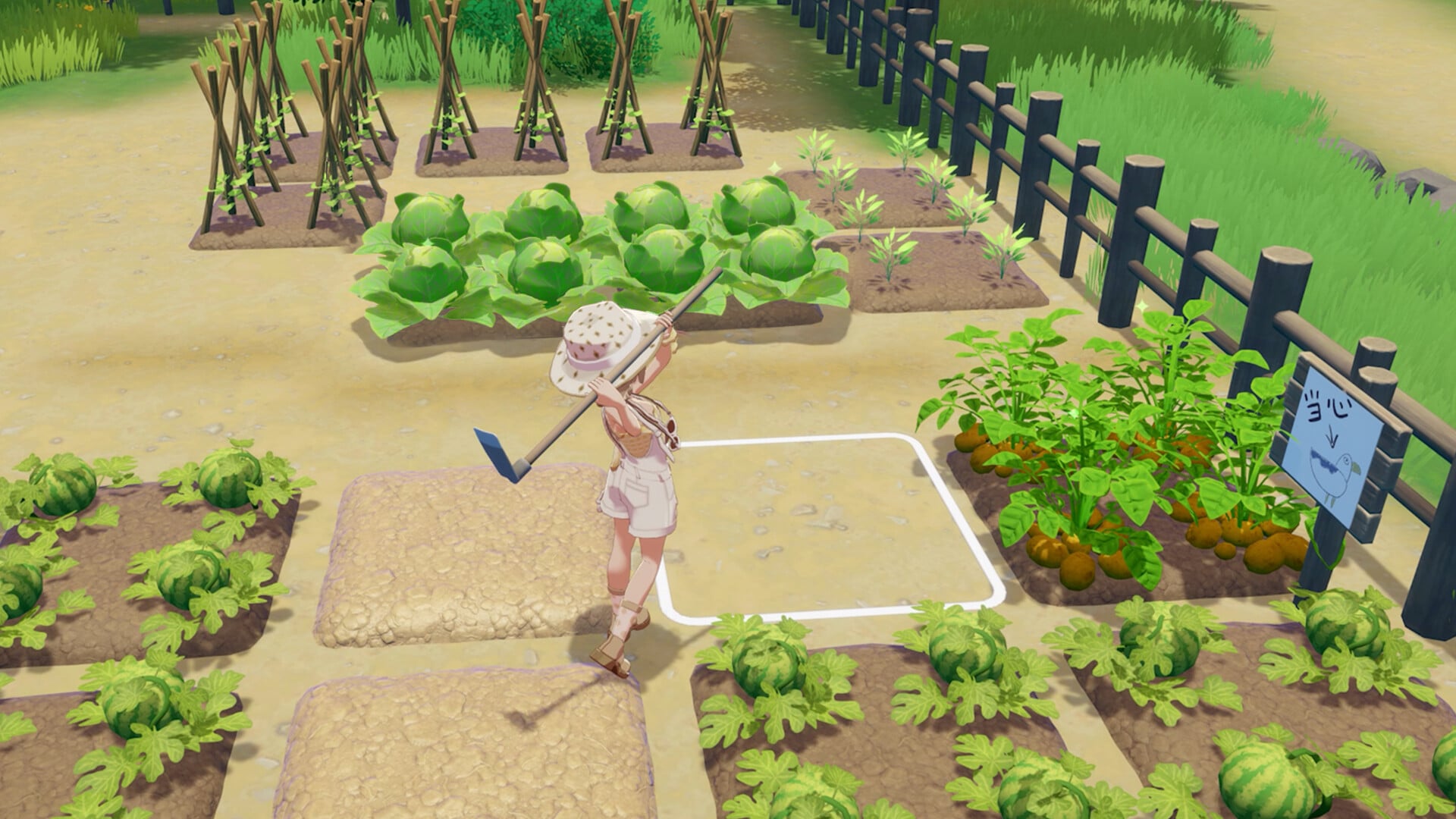
In the natural overworld of Starsand Island, fiber respawns over time, but manual farming requires constant movement, stamina use, and time investment. This is where automation fundamentally changes your resource economy.
How to unlock and craft the robot terminal and logging robot
Step 1
Unlock the Robot Terminal blueprint through your technology progression tree once the automation tier becomes available. This typically requires mid-game crafting progression and access to mechanical components.

Step 2
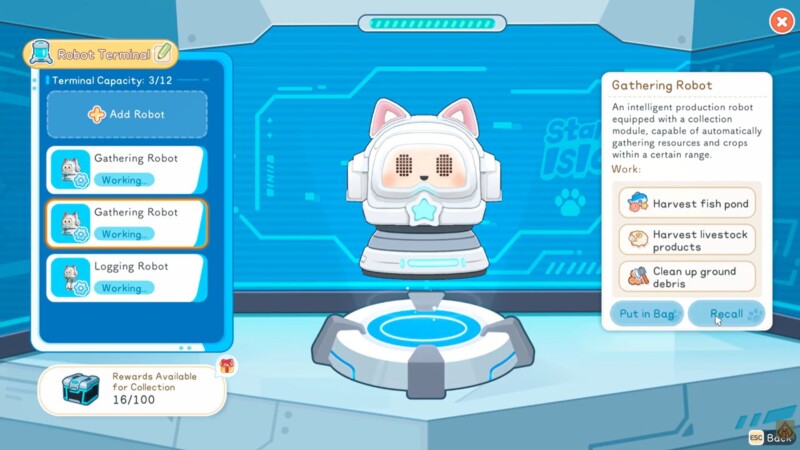
Gather the required crafting materials for the Robot Terminal. These commonly include refined metal components, circuitry materials, and base structural resources. Craft the terminal at your advanced crafting station.
Step 3
Unlock the Logging Robot blueprint. Logging Robots are part of the resource automation category and are specifically designed to harvest natural materials like wood and fiber.
Step 4
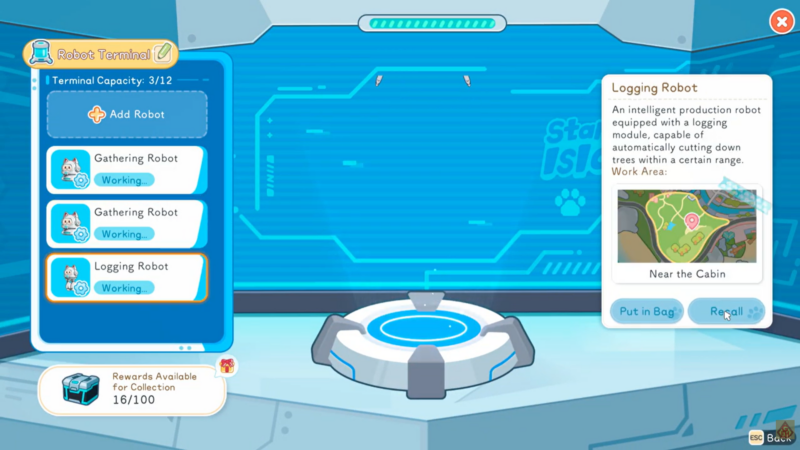
Craft the Logging Robot using mechanical parts, energy cores or batteries, and structural components. The cost is relatively high compared to early-game tools, which makes this an investment decision rather than an early unlock.
Step 5
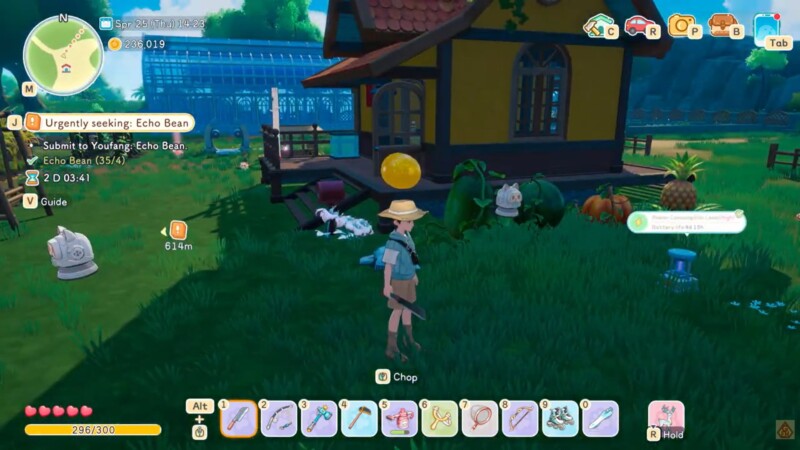
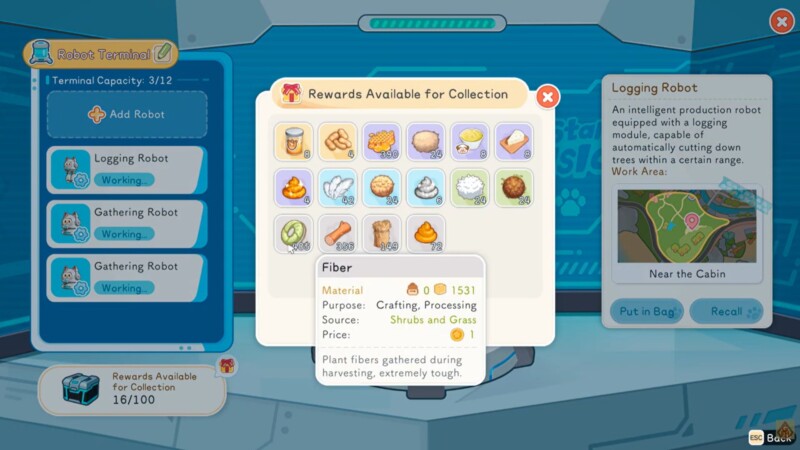
Place the Robot Terminal inside or near your cabin. Interact with it to assign active robots and manage their operational zones.
Step 6
Deploy the Logging Robot and assign it to an area with vegetation density. Placing it near your base ensures constant fiber collection without you having to travel.
Once assigned, the Logging Robot will continuously harvest fiber from nearby vegetation without manual input. This is the foundation of the “infinite fiber” method.
How the logging robot generates continuous fiber
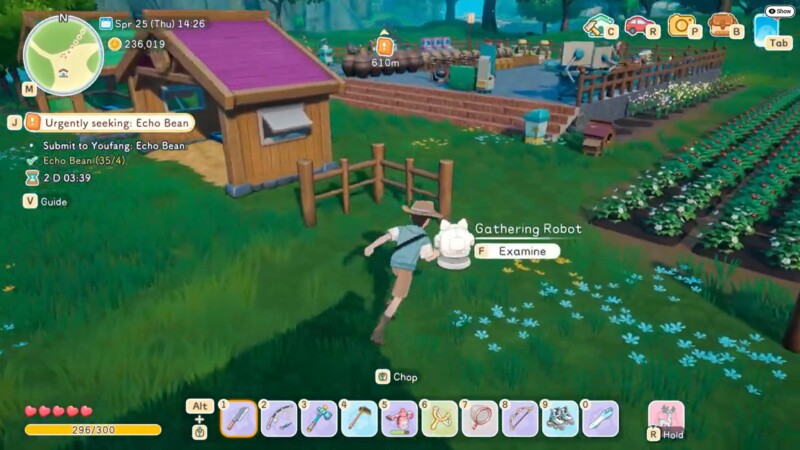
The Logging Robot operates within a defined radius around its assigned zone. It automatically identifies harvestable plants and collects fiber as they respawn. Since vegetation regenerates over time in Starsand Island, this creates a renewable loop.
Because of this regeneration mechanic, your fiber supply effectively becomes infinite as long as the robot remains powered and assigned.
Testing and player reports indicate that a single Logging Robot can generate approximately 400 fiber per in-game day, depending on vegetation density and spawn rates. Areas with thicker plant clusters produce higher output. The exact yield may fluctuate based on patch updates and environmental conditions, but the automation principle remains consistent.
Scaling production with multiple robots
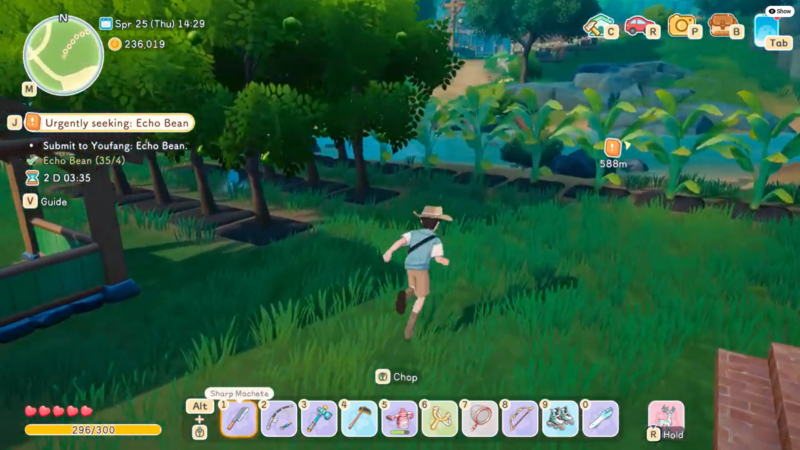
The system scales linearly. Adding more Logging Robots increases total daily fiber output. If one robot produces around 400 fiber daily, two robots in separate zones can potentially double that yield.
However, there are two important considerations. First, robots are expensive to craft. Second, placing too many robots in the same small area may reduce efficiency if vegetation density is limited. Optimal placement spreads robots across resource-rich zones near your base.
| Number of Logging Robots | Estimated Daily Fiber Output |
|---|---|
| 1 Robot | ~400 Fiber |
| 2 Robots | ~800 Fiber |
| 3 Robots | ~1,200 Fiber |
| 5 Robots | ~2,000 Fiber |
These figures assume proper placement and uninterrupted operation.
Optimal placement strategy near your cabin
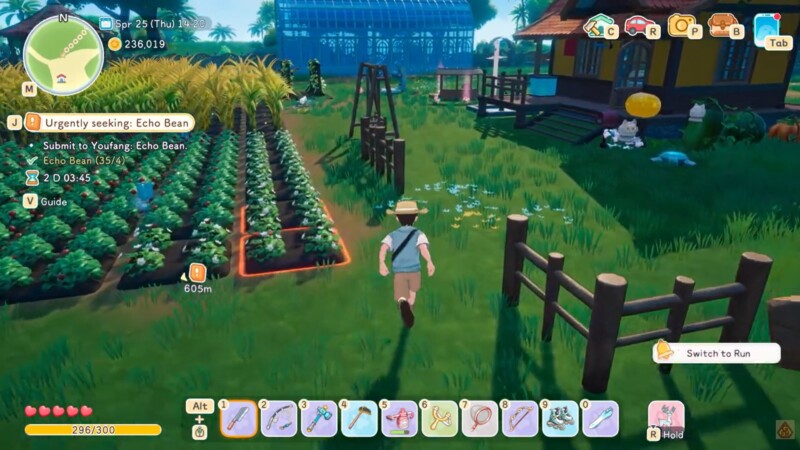
Placing your robots near your cabin has several advantages. It reduces travel time, keeps resource flow centralized, and ensures easy maintenance. If your cabin is located near vegetation clusters, the robot will continuously cycle through harvestable plants.
Some players reposition their cabin to a more vegetation-dense biome specifically to maximize automation efficiency. Since robots operate within a fixed range, base placement directly affects output performance.
Managing power and upkeep
Although the method is considered “infinite,” robots still require operational support. Depending on your progression stage, you may need to supply energy or ensure the Robot Terminal remains active. Always monitor your automation panel to confirm robots are active and not idle due to resource or assignment errors.
Maintenance costs are significantly lower than the time cost of manual farming, which is why this method becomes the dominant strategy in mid to late-game base development.
Comparing manual farming vs automated farming
| Method | Effort | Output Stability | Scalability | Time Investment |
|---|---|---|---|---|
| Manual Harvesting | High | Low | Limited | Continuous |
| Logging Robot Automation | Very Low | High | Excellent | One-time setup |
Automation clearly provides superior long-term efficiency. Once your system is operational, fiber becomes a background resource rather than an active grind.
Tricks to maximize fiber yield per day in Starsand Island
- Choose a base location surrounded by dense vegetation patches rather than sparse plant distribution.
- Avoid overlapping robot zones to prevent inefficient harvesting loops.
- Regularly check robot status through the terminal to ensure continuous operation.
- Reinvest excess fiber into rope-based crafting components or trade systems to accelerate economic progression.
- Expand your automation network gradually rather than crafting too many robots at once, which can strain your mechanical resource supply.
By following these steps, your fiber income becomes stable enough to support large-scale construction projects and advanced crafting requirements.
Why this method is considered “infinite”
The key reason this system qualifies as infinite is due to the game’s renewable vegetation respawn mechanic. Since plants regrow automatically, and robots harvest automatically, the cycle never stops. As long as the system remains powered and assigned, fiber continuously accumulates.
This eliminates one of the most repetitive early-game tasks and allows you to focus on exploration, combat, farming upgrades, and base expansion instead.