
What to know
- The best outpost planets combine multiple key resources in one location.
- Early-game picks focus on Aluminum, Iron, and Helium-3 for crafting and power.
- Late-game planets offer rare materials but harsher environments.
- Location matters—systems near major hubs improve travel and logistics.
Choosing the right planet in Starfield can completely change how smoothly your outpost network grows. Since outposts are your main source of materials, XP, and credits, the “best” planet isn’t just about resources—it’s about how efficiently you can scale production, travel, and survival.
Below is a clear breakdown of the best planets for outposts and why they stand out, based on current gameplay strategies and updated guides.
Starfield Best Planets fo Outpost Locations
| Planet / Moon | System | Best For | Key Resources | Difficulty |
|---|---|---|---|---|
| Andraphon | Narion | Early-game starter | Iron, Aluminum, Helium-3, Beryllium | Easy |
| Bessel III-b | Bessel | Multi-resource farming | Iron, Aluminum, Nickel, Cobalt | Easy |
| Feynman IV | Freya | Balanced late-game base | Flora, fauna, mixed resources | Medium |
| Linnaeus IV-b | Linnaeus | Industrial mining | Iron, Aluminum | Easy |
| Zamka | Alpha Centauri | Raw resource extraction | Multiple minerals | Hard |
| Maheo II | Maheo | Helium farming | Helium-rich zones | Hard |
1 – Andraphon best early-game outpost planet
If you’re just starting out, Andraphon is widely considered the best first outpost location. It offers a rare combination of Iron, Aluminum, Helium-3, and Beryllium in overlapping zones, which are essential for building structures and powering your base.
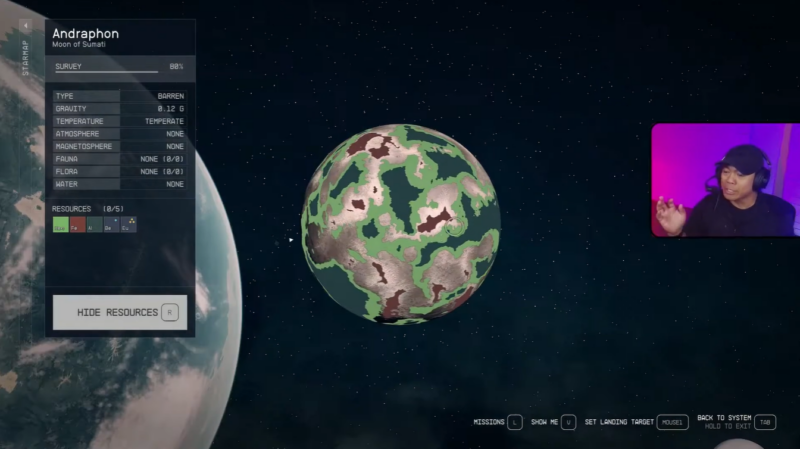
What makes this planet stand out is how easy it is to find multi-resource spots, allowing you to extract everything from a single outpost instead of building multiple bases. This dramatically speeds up early progression since Aluminum and Iron are required for almost every structure you build.
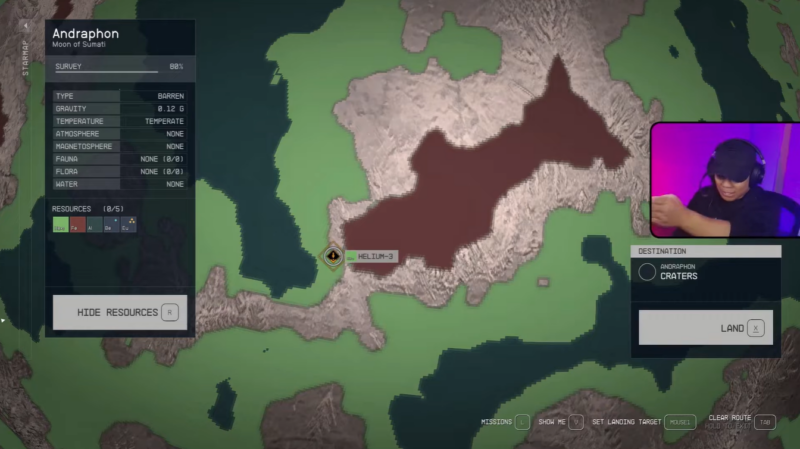
You’ll notice that Helium-3 is especially valuable, as it fuels inter-system cargo links—making Andraphon not just a starter base but also a future logistics hub.
2 – Bessel III-b most efficient multi-resource setup
Bessel III-b is where efficiency peaks early-to-mid game. The biggest advantage here is that you can find locations where four key resources overlap—Iron, Aluminum, Nickel, and Cobalt.

This matters because these materials allow you to craft advanced components like adaptive frames and power systems without relying on imports. You essentially create a self-sustaining industrial base.
However, finding the perfect spot requires some scouting. You’ll need to land where multiple biomes intersect, but once you do, this becomes one of the strongest single-outpost setups in the game.
3 – Feynman IV ideal for a long-term home base
Feynman IV stands out as one of the best all-around planets for a permanent base. Unlike resource-only planets, it offers a livable environment with flora, fauna, and diverse materials.
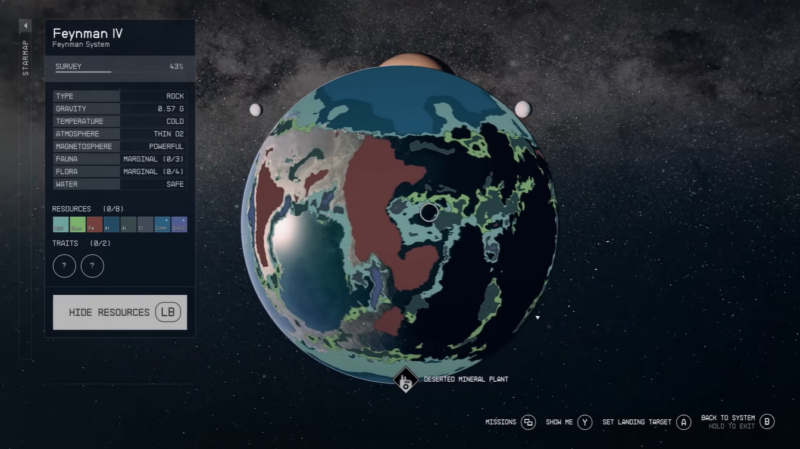
This makes it perfect if you want more than just mining. You can set up greenhouses, animal husbandry, and a visually appealing home base without constantly dealing with environmental hazards.
Another advantage is its proximity to major systems, making travel smoother and reducing downtime when managing multiple outposts.
4 – Linnaeus IV-b pure industrial farming
If your goal is simple—mass-produce core building materials—Linnaeus IV-b is one of the best choices. It has abundant Iron and Aluminum, which are the backbone of crafting and construction.
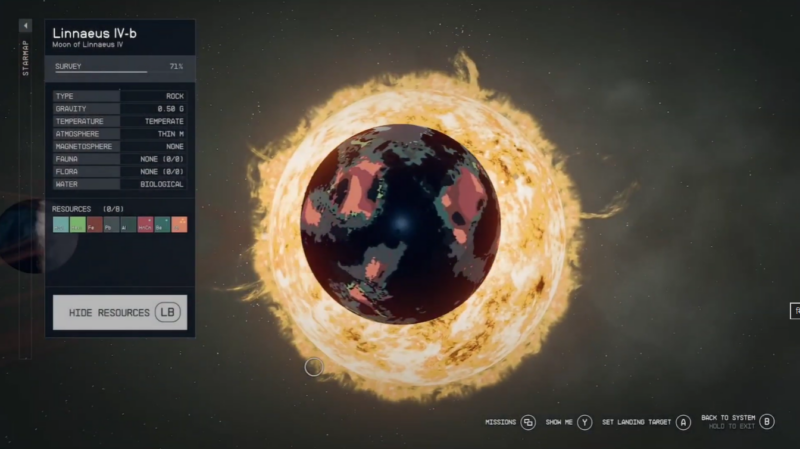
You won’t get much biodiversity here, but that’s actually a benefit for focused setups. You can dedicate the entire outpost to extraction and storage without worrying about survival systems or environmental complexity.
Why harsh planets like Zamka and Maheo II are still valuable
At first glance, planets like Zamka and Maheo II seem less appealing due to extreme conditions. But these are essential for late-game resource pipelines.
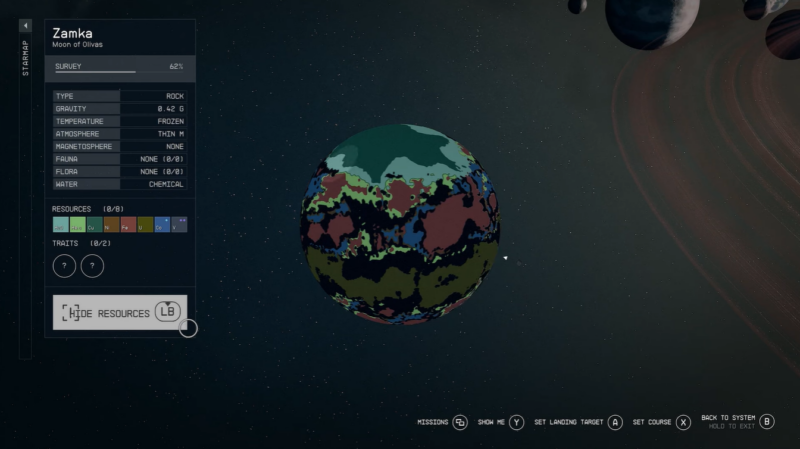
Zamka offers dense mineral deposits, making it ideal for mining rare materials, even if it’s not livable. Meanwhile, Maheo II is known for Helium-rich regions, which are critical for powering advanced logistics networks.

These planets are not meant to be home bases—they’re specialized extraction hubs. Once you unlock better survival skills, they become extremely valuable additions to your network.
How to choose the best outpost planet for your playstyle

- Focus on core resources first—Aluminum, Iron, and Helium-3. These are essential for building and powering your first outposts.
- Look for overlapping resource zones. Planets that allow multi-resource extraction in one location are far more efficient than single-resource sites.
- Check environmental conditions. Early on, prioritize habitable planets to avoid needing advanced survival tech.
- Think about logistics. Planets near major systems reduce travel time and improve cargo link efficiency.
- Expand into specialized planets later. Once your network grows, add extreme planets for rare materials and fuel production.
Why resource density matters more than planet type
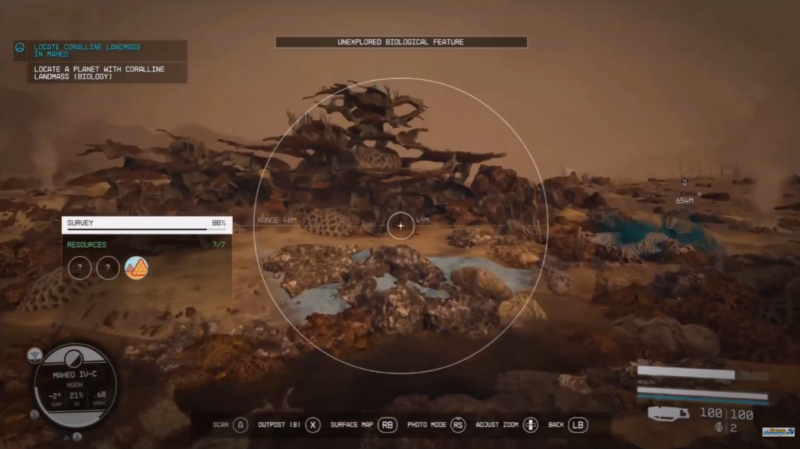
The single biggest factor in choosing an outpost planet is resource density—not aesthetics or difficulty. The best planets are those where multiple valuable resources exist close together, allowing you to maximize output with minimal infrastructure.
You’ll find that even harsh planets become worthwhile if they offer rare materials, while beautiful planets may be inefficient if resources are scattered.
The “best” planet in Starfield isn’t just one location—it’s a network strategy. Start with Andraphon or Bessel III-b for early efficiency, transition into Feynman IV for a main base, and expand into specialized planets like Maheo II for advanced production.
If you approach outposts this way, you’re not just building bases—you’re creating a fully automated interstellar economy.